What a High Abrasion Resistant Conveyor Belt Is
A high abrasion resistant conveyor belt is a heavy-duty rubber belt engineered to survive the constant scraping, impact, and cutting action of sharp materials. Instead of treating wear as a secondary concern, the cover compound and carcass are selected so the belt keeps its shape and carrying capacity in mines, coal preparation plants, cement kilns, power station coal yards, and sand and gravel sites. The same product is often called an abrasion-resistant rubber conveyor belt, and both names refer to the same construction.
It is not the same as a heat-resistant or oil-resistant belt, although those features can be combined when the application demands it. A high abrasion resistant conveyor belt focuses first on mechanical wear from the material being carried.
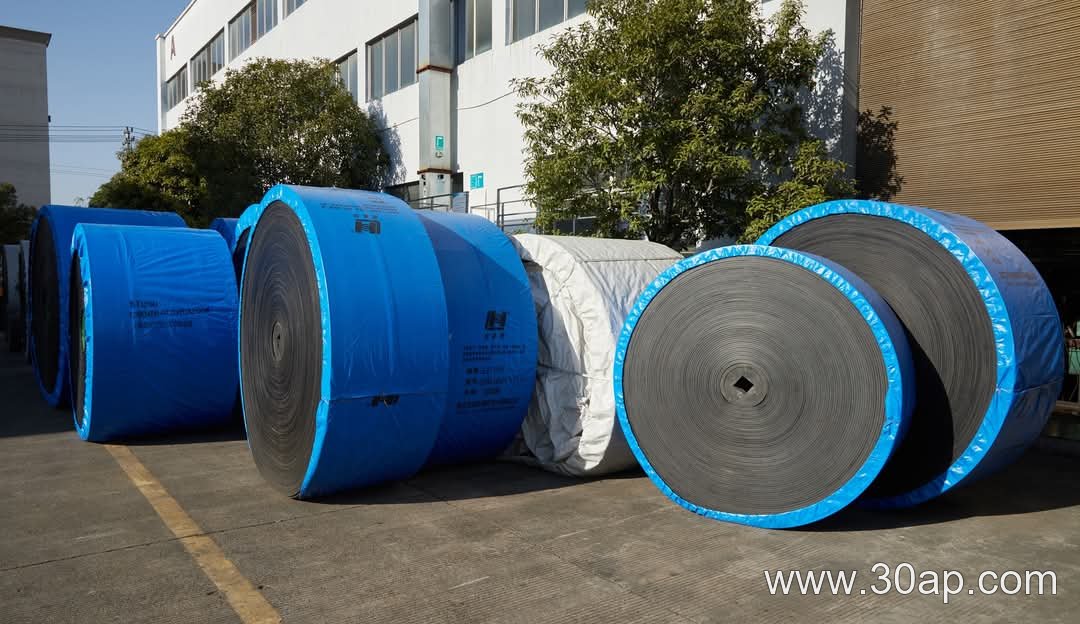
How the Belt Is Built
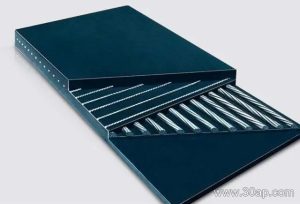
The belt is a composite. A top cover and a bottom cover protect the carcass, while the carcass carries the tension. For abrasive duty, the cover grade is usually chosen for high tear strength and low wear loss. Common carcass options include EP fabric, NN nylon, and steel cord, depending on the required strength and the conveyor profile.
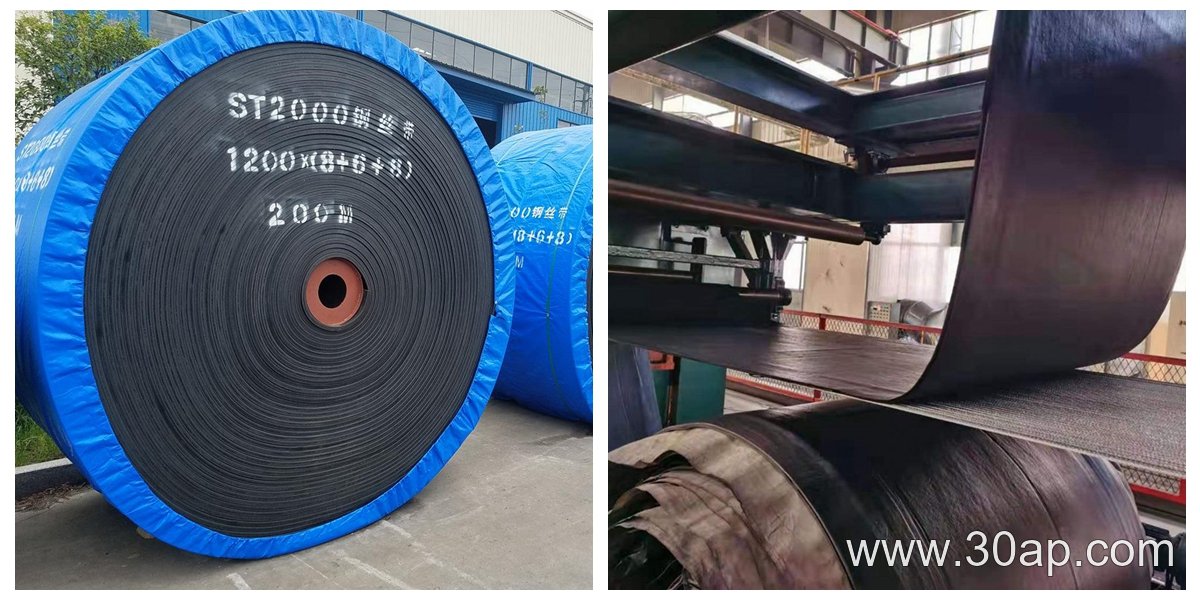
Typical Construction Reference
| Element | Common Range |
|---|---|
| Cover thickness | 3+1.5, 4+2, 5+2, 6+2, 8+3 mm |
| Fabric plies | 2 to 6 layers |
| Strength grades | EP200, EP315, EP400, EP500, EP630, EP800, EP1000, EP1250, EP1600, EP2000 |
| Belt width | B500, B650, B800, B1000, B1200, B1400, B1600, B1800, B2000 |
These values are common references, not universal rules. A wider belt does not automatically require one fixed pulley diameter, and a given belt width should not be used to guess a shaft diameter. Drive pulley, tail pulley, and bend pulley are separate positions with separate design duties; they are not interchangeable names.
Where It Is Used
The belt suits any conveyor line where the load is sharp and the tonnage is steady. In a coal mine, it may carry run-of-mine coal with rock inclusions. In a cement plant, it can move clinker, limestone, and gypsum. In a power plant, it feeds coal from stockyard to bunker. In a sand and gravel yard, it handles crushed stone and aggregate. The common thread is continuous abrasive contact.
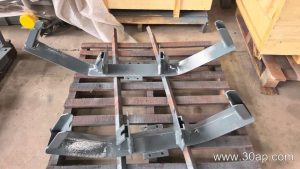
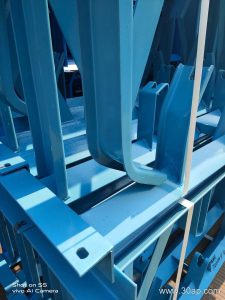
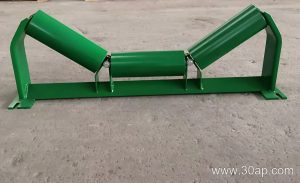
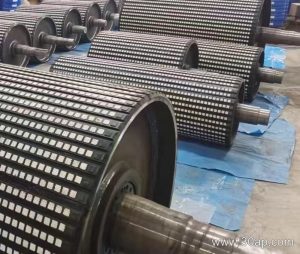
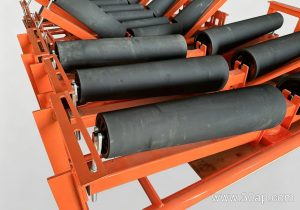
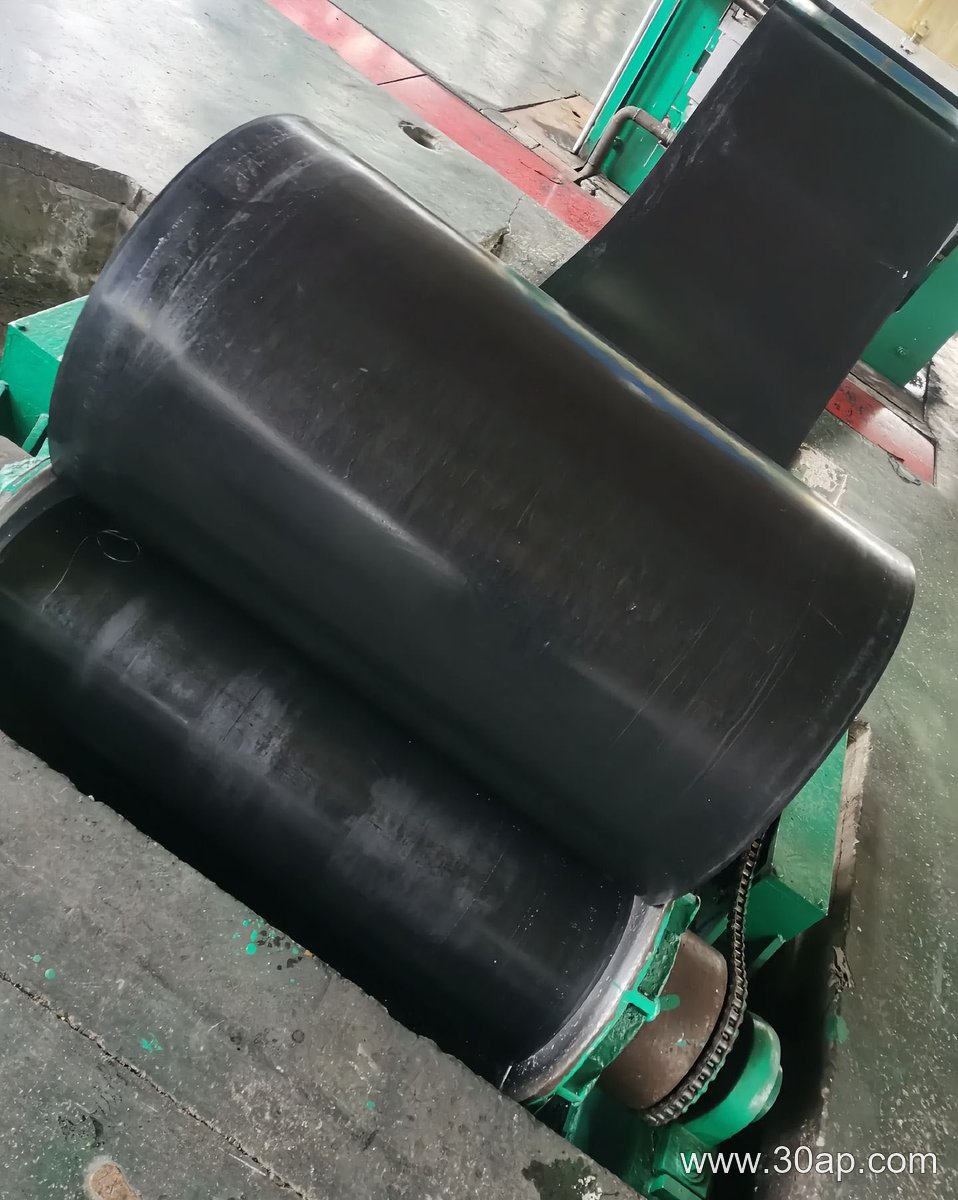
On these lines, the belt works with idler rollers, conveyor pulleys, and conveyor brackets. A worn idler roller or a misaligned pulley can shorten belt life even when the cover grade is correct.
What a Buyer Should Check
- Material type and lump size: sharp, jagged rock calls for a thicker cover than fine sand.
- Capacity and belt speed: these set the required strength grade and width.
- Cover thickness: 4+2 mm or 5+2 mm is common for moderate abrasion; 6+2 mm and 8+3 mm appear in severe duty.
- Carcass type: EP, NN, or steel cord, chosen to match the tension and transition length.
- Pulley and idler condition: a high abrasion resistant belt still needs proper support.
Selection should be based on the actual duty, not on a single number. Two conveyors with the same belt width can require different cover grades because the material and loading point differ.
Maintenance Notes
Check the belt surface for cuts and exposed fabric, especially after the loading chute. Keep skirt rubber and belt cleaner blades adjusted so they do not gouge the cover. Inspect idler rollers for seizure and replace damaged ones before they wear a flat spot into the belt. Verify that the drive pulley, tail pulley, and bend pulley turn freely and that lagging is not worn smooth.
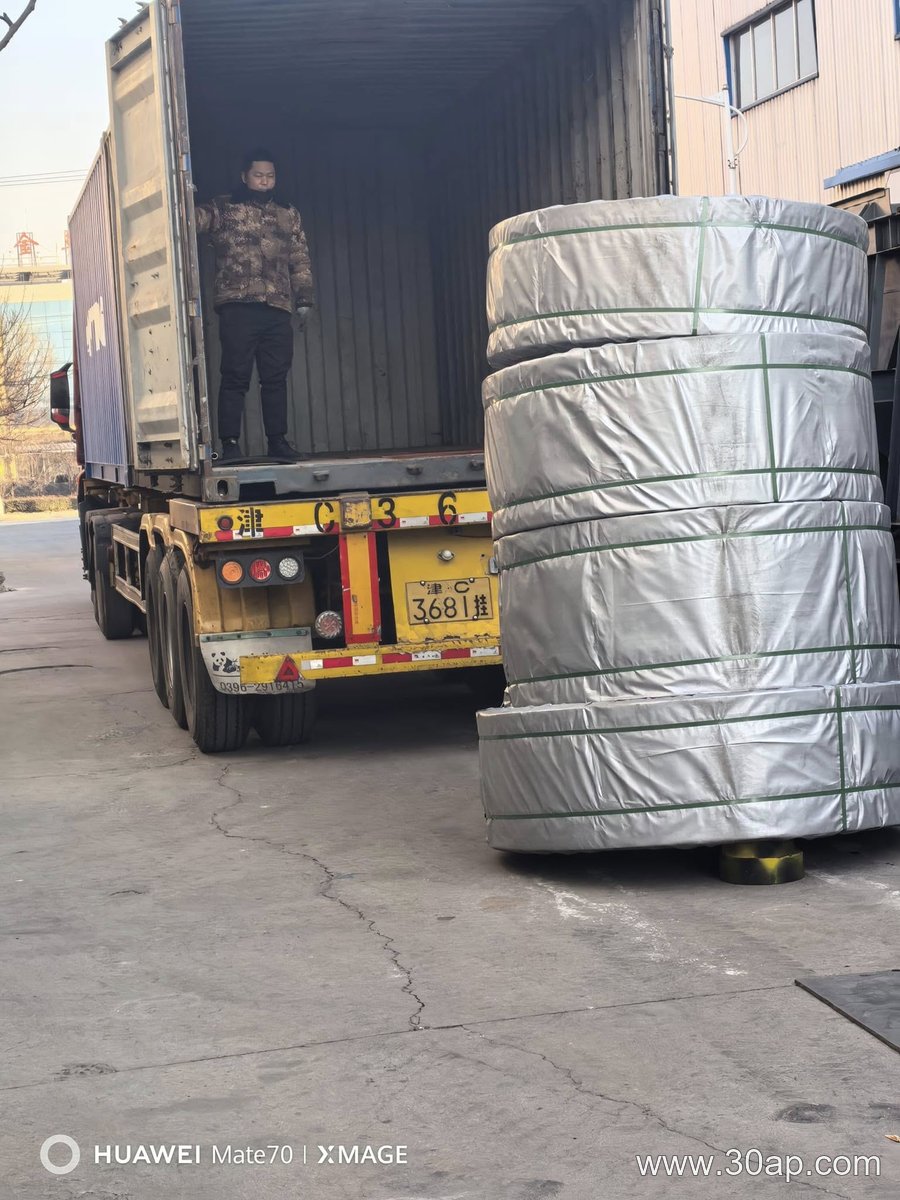
When a belt is stored, keep it away from direct sunlight, ozone sources, and sharp objects. Roll it on a core rather than folding it. During splicing, follow the belt maker’s step length and cure schedule; a poor splice often fails before the cover does.
For a high abrasion resistant conveyor belt, the goal is simple: match the cover and carcass to the material, support it with well-maintained idler rollers and conveyor pulleys, and let the belt do its work without premature wear.