What a Friction Idler Does on a Conveyor
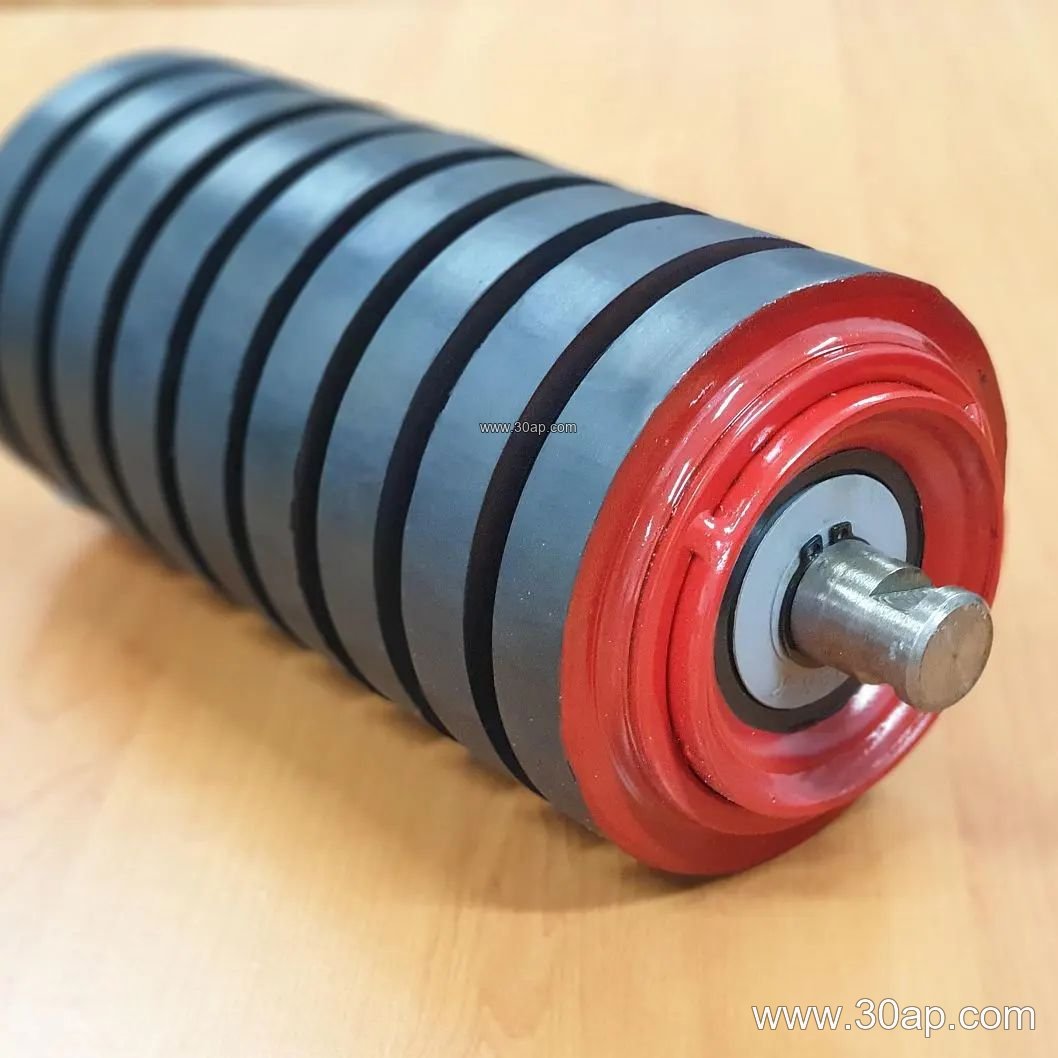
A friction idler is a specialized roller that uses controlled friction to help keep a conveyor belt centered and stable. Unlike a standard carrying idler that simply supports the belt, this roller is designed with a friction ring or a tapered shape that contacts the belt edge or surface. When the belt begins to drift, the friction force generates a small corrective movement, guiding the belt back toward the center line. This makes the friction idler a practical choice for longer conveyors or systems where belt misalignment can cause spillage, edge damage, or uneven wear.
Construction and Key Components
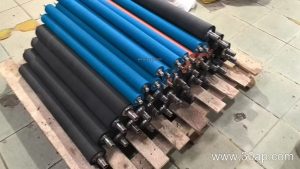
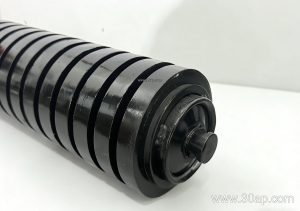
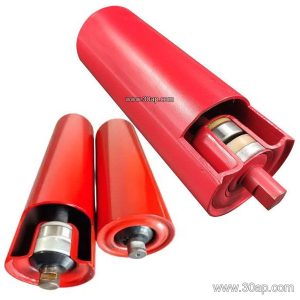
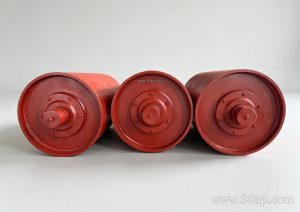
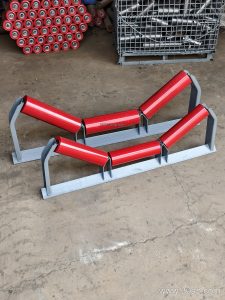
Most friction idlers share the basic structure of a conventional idler roller: a steel tube shell, a shaft, and bearing housings. The distinctive feature is the friction surface. This can be a rubber ring, a polyurethane disc, or a specially shaped roller face that increases grip on the belt. The roller diameter typically ranges from Ø63 mm to Ø219 mm, with common sizes like Ø89, Ø108, and Ø133 being widely used. Bearing selection depends on load and speed; common bearings include 6204, 6205, 6305, 6306, and 6308. The roller length is matched to the belt width and the idler arrangement, not chosen in isolation.
Common Friction Idler Configurations
- Friction self-aligning idler with rubber friction ring
- Tapered friction idler for gradual correction
- Friction return idler for belt return side
These are variations of the same product family, each suited to a different mounting position. For example, a friction return idler is placed on the return strand, while a carrying-side friction idler sits in the troughing set.
Where Friction Idlers Are Used
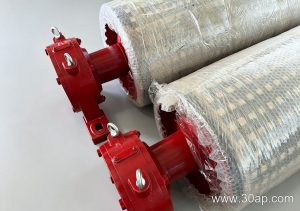
Friction idlers are common in bulk material handling systems where belt training is critical. In a quarry or aggregate plant, they help keep a quarry conveyor belt aligned after a crusher discharge. In a coal mining operation, they support the underground mining conveyor belt and reduce the risk of belt edge contact with the structure. Other typical locations include cement plants, power plant coal handling, and port loading facilities. The roller works together with the conveyor pulley, conveyor bracket, and the belt itself to maintain a smooth path.
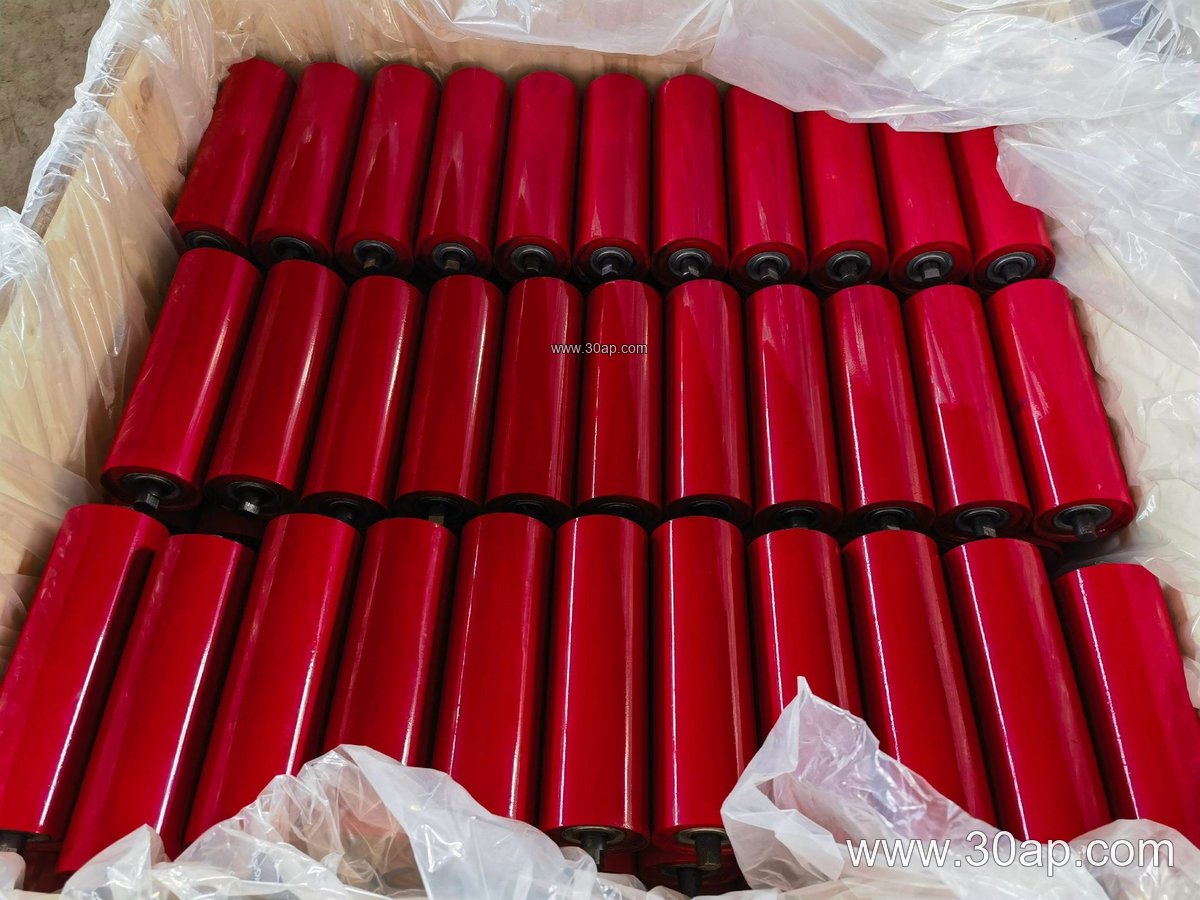
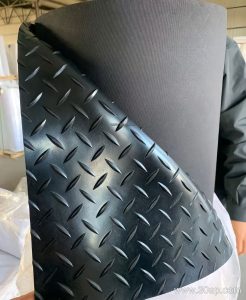
For harsh environments, pairing a friction idler with an abrasion resistant conveyor belt or a flame retardant conveyor belt can improve overall reliability. In dusty or wet conditions, sealed bearings and a corrosion-resistant finish are important.
Selection and Sizing Notes
Choosing a friction idler starts with the belt width and the conveyor layout. Belt widths such as B500, B650, B800, B1000, and B1200 are common in medium-duty systems, while B1400 to B2000 appear in high-capacity mining and port conveyors. The idler diameter should be selected based on load, belt speed, and the space available. The table below shows typical reference values for roller length in three-roll troughing sets; these are examples, not fixed rules.
| Belt Width | Approx. Roller Length (three-roll set) |
|---|---|
| B500 | 200 mm |
| B650 | 250 mm |
| B800 | 315 mm |
| B1000 | 380 mm |
| B1200 | 465 mm |
| B1400 | 530 mm |
| B1600 | 600 mm |
Keep in mind that side rollers and center rollers can have different lengths. Also, a given belt width does not dictate a single pulley diameter or shaft size; those are determined by the conveyor design. When replacing idlers, always confirm the mounting dimensions and the friction ring position.
Maintenance and Buyer Checklist
Friction idlers have no external power source, but they do wear. Inspect the friction ring for glazing, cracking, or excessive wear. Check that the roller turns freely and that the bearing seals are intact. A worn friction surface may lose its training effect, leading to belt misalignment. In dusty applications, clean the area around the idler to prevent buildup that can alter friction characteristics.
Before purchasing, confirm the belt width, the idler diameter, the bearing type, and the mounting arrangement. Ask for the friction ring material and hardness if the conveyor handles oily or high-temperature materials. A friction idler is not a substitute for a drive pulley or a bend pulley; it is a belt-training component that works alongside the main conveyor pulley and conveyor bracket. For systems using EP conveyor belt or steel cord conveyor belt, the idler load rating should match the belt tension and material weight.
Finally, consider the environment. In a sand and gravel line, a rubber friction ring may offer good grip; in a fertilizer plant, chemical resistance matters. By matching the friction idler to the belt and the duty, you can reduce downtime and extend belt life.