What the Ø152 Conveyor Idler Is
A Ø152 conveyor idler is a load-bearing roller with a nominal diameter of 152 mm, used to support the conveyor belt and the material it carries. It is a common size in heavy-duty conveying systems where stability and long service life matter. The idler roller works together with the conveyor pulley, conveyor bracket, and the belt itself to keep the line running smoothly. In industries such as quarrying, iron ore, copper ore, cement plants, and power plant coal handling, the Ø152 idler roller is often chosen for main carrying positions and return runs where belt loads are substantial.
Construction and Key Components
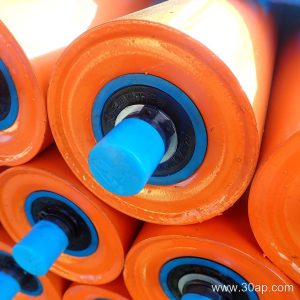
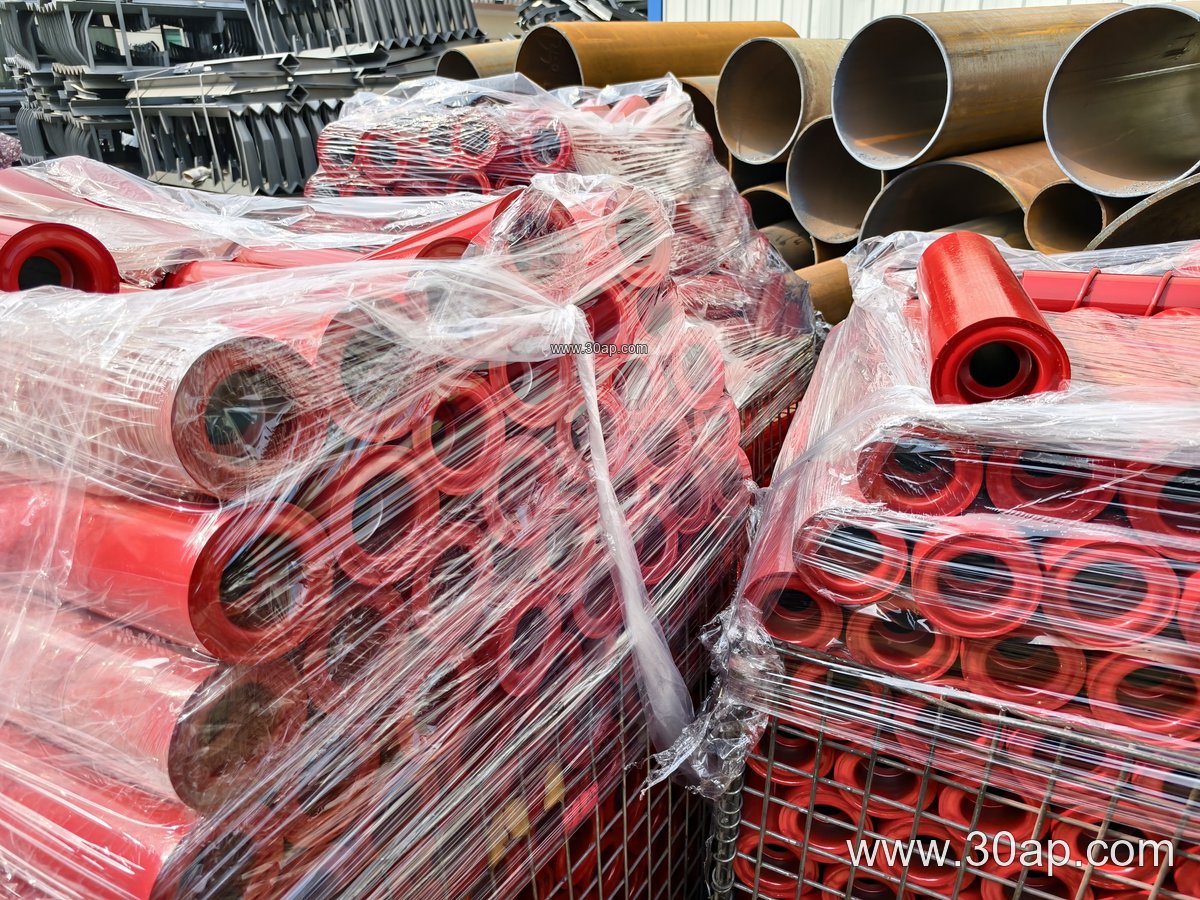
A typical Ø152 conveyor idler consists of a steel tube shell, bearing housings, seals, and a shaft. The roller surface can be plain steel, nylon, ceramic, or rubber-disc covered, depending on the application. For abrasive bulk materials, a rubber-disc缓冲 variant may be used at transfer points, while plain steel remains common for general carrying idlers. Bearings such as 6206, 6306, or 6308 may be fitted, but the exact bearing selection depends on load, speed, and sealing design, not on the roller diameter alone. The shaft diameter is determined by the idler manufacturer based on the belt width, load, and support spacing; it should not be assumed from the 152 mm roller diameter.
Where It Fits in a Conveyor System
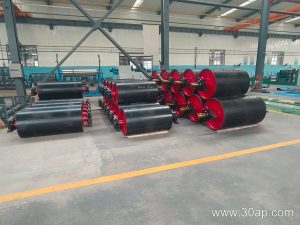
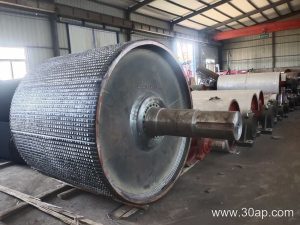
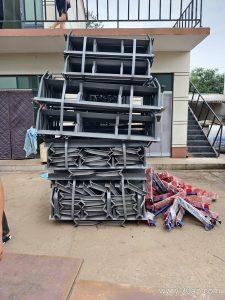
The Ø152 conveyor idler is frequently used in three-roll trough sets on the carrying side and in return roller arrangements. In a stone crushing line or aggregate conveyor, these idlers help maintain belt shape and reduce material spillage. In coal mining and underground mining operations, flame retardant and anti-static requirements may apply to the belt, and the idler must be compatible with the overall fire safety approach. The idler also works alongside conveyor pulleys at drive and tail positions, but it is not interchangeable with those pulleys. For comparison, a bend pulley changes belt direction, while the idler roller simply supports the belt. A conveyor bracket holds the idler in place and allows for adjustment or replacement.
Common Sizes and Configuration Examples
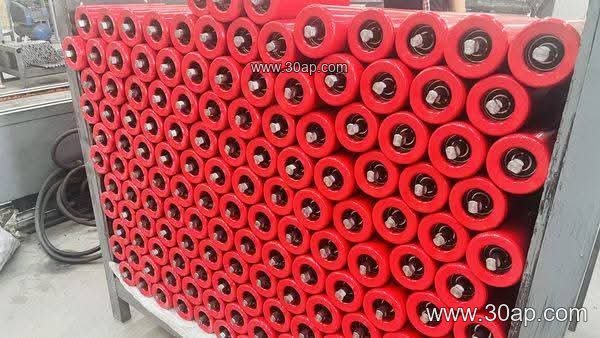
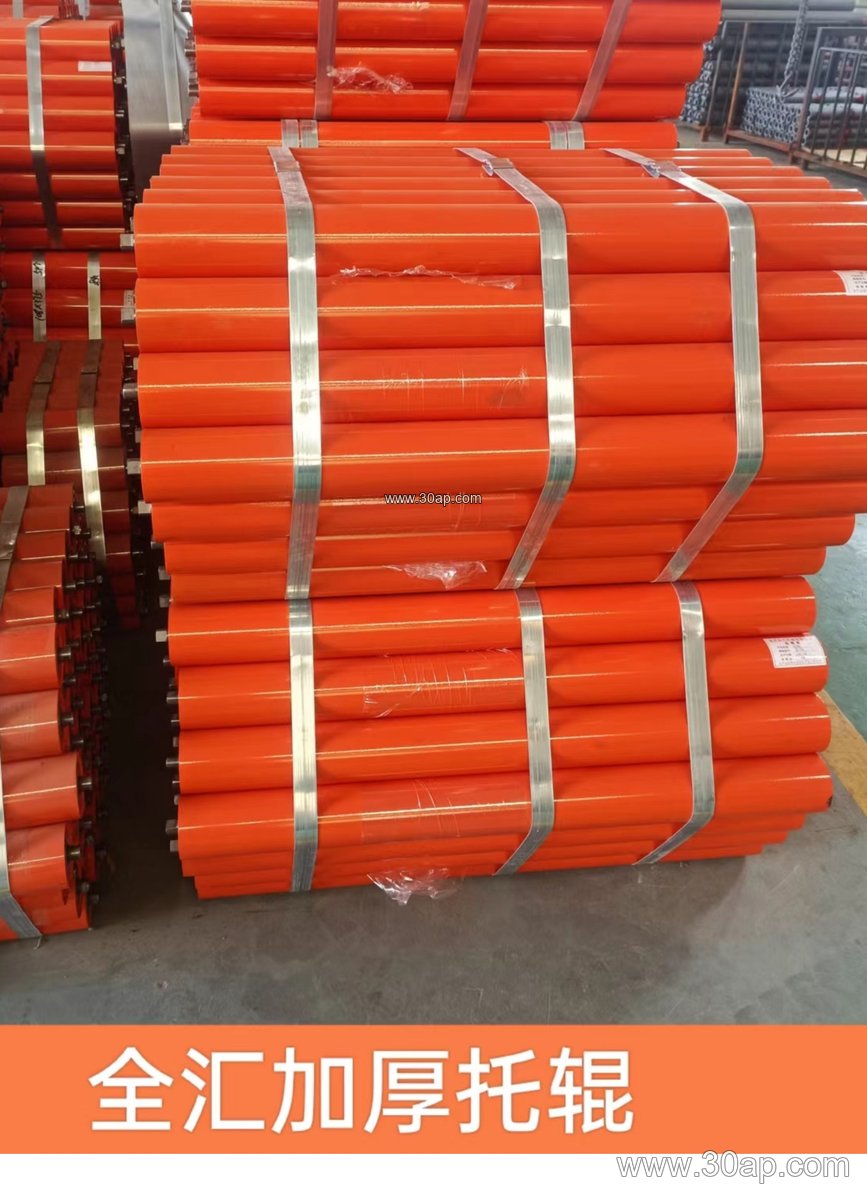
When specifying a Ø152 idler, buyers often look at belt width, trough angle, and roller length. The table below gives common reference examples only; actual dimensions are confirmed by design.
| Belt Width (B) | Typical Roller Length for 3-Roll Trough (mm) | Common Trough Angle |
|---|---|---|
| B800 | 315 | 30° or 35° |
| B1000 | 380 | 30° or 35° |
| B1200 | 465 | 30° or 35° |
| B1400 | 530 | 30° or 35° |
| B1600 | 600 | 30° or 35° |
These lengths are common examples for the center and side rollers; side rollers may differ from the center roller. The trough angle affects material cross-section and spillage, so 20°, 30°, 35°, and 45° are all used depending on the belt and material. For transition zones, transition idlers with smaller angles may be placed gradually. Impact idlers with rubber discs are used under loading points to absorb shock from large lumps. Return idlers may be flat or V-shaped, and the Ø152 size can appear in either arrangement.
Selection and Maintenance Notes
Buyers should match the idler to the conveyor belt type and the operating environment. For a fabric core conveyor belt such as an EP conveyor belt or NN conveyor belt, the idler load and spacing are usually based on belt tension and material weight. For a steel cord conveyor belt, impact and alignment become more critical, and idler selection should follow the conveyor designer’s recommendations. In dusty or wet conditions, effective sealing extends bearing life. Regular inspection of the idler roller for rotation resistance, noise, and seal damage helps prevent belt tracking problems. Spare idlers should be stored clean and dry, and replacement should follow the original specification for diameter, length, and bearing arrangement.
Related equipment such as the conveyor pulley and conveyor bracket should be checked at the same time, since misalignment in any of these parts can affect the whole conveyor. The Ø152 conveyor idler is a practical choice for many bulk handling lines, but it is not a universal size for every belt width or load condition. Final selection should always be confirmed against the conveyor design and the actual material being handled.