Understanding Conveyor Brackets and Their Role
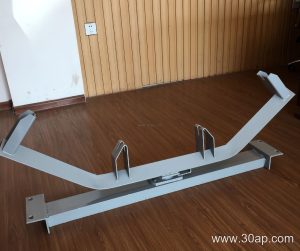
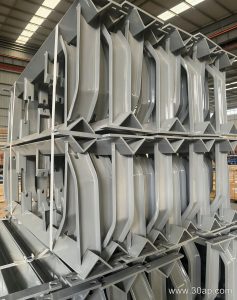
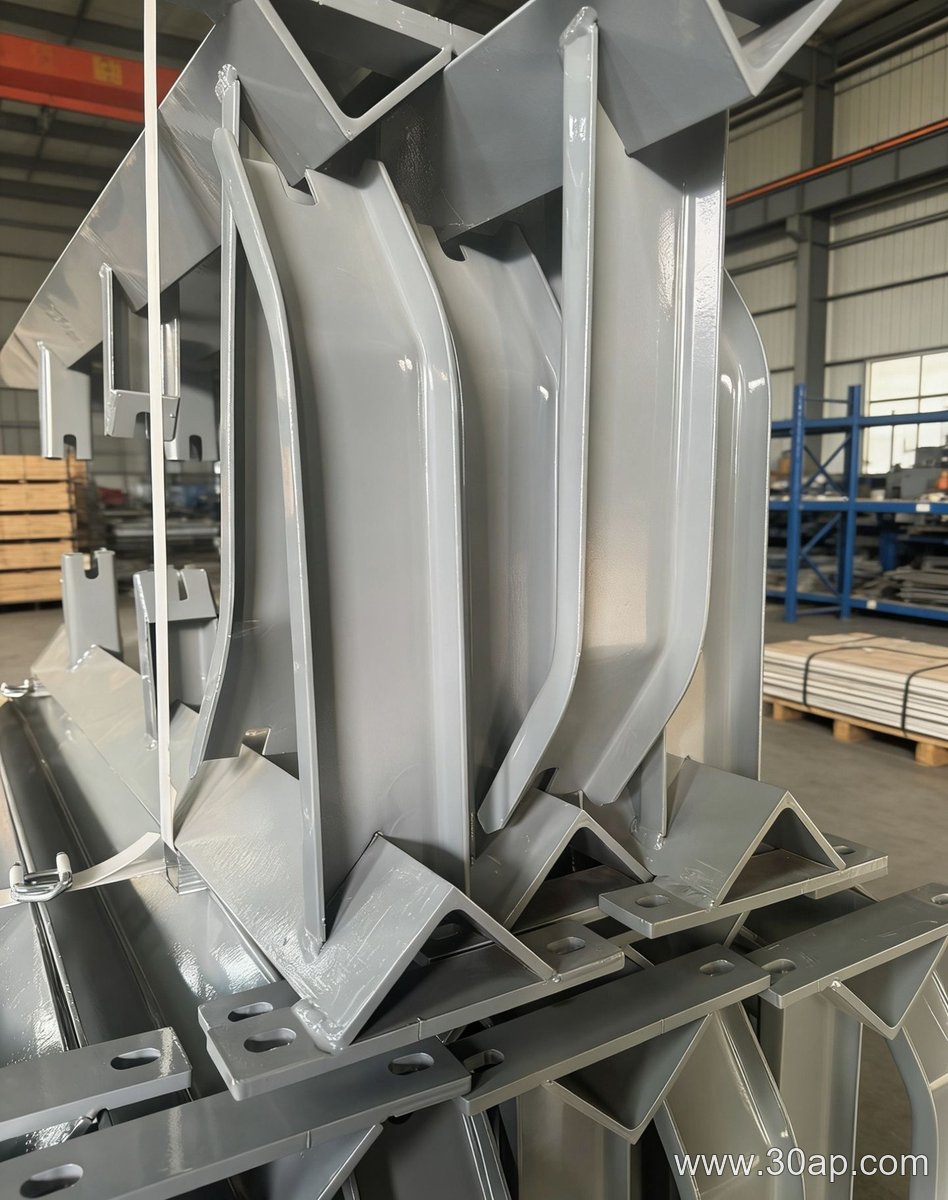
A conveyor bracket is the structural component that secures rollers, idlers, and pulleys to the conveyor frame, ensuring alignment and load distribution. Without a robust bracket, even the best belt will mis-track or fail prematurely.
Key Factors for Selection
- Material strength: Choose galvanized steel for outdoor or corrosive environments; stainless steel for food-grade or washdown systems.
- Load rating: Match the bracket’s dynamic capacity to your maximum belt load plus impact surges.
- Adjustability: Slotted or angled brackets allow fine-tuning of roll angles to prevent belt drift.
Purchasing Advice
Always verify bolt-hole spacing and frame flange width against your existing conveyor profile. Request a sample for trial mounting before bulk order. Inspect weld quality and coating thickness—these determine service life.
The Conveyor Belt as a System, Not an Accessory
A conveyor belt is the backbone of material handling, yet its performance depends on matching belt construction to load, speed, and environment. Selecting the wrong belt leads to premature wear, costly downtime, and safety hazards.
Key Selection Criteria
- Load type: Sharp or abrasive materials demand rubber covers with higher tensile strength and impact resistance.
- Operating temperature: Heat-resistant compounds (EPDM or silicone) are essential for hot products; cold environments require low-temperature flexible belts.
- Chemical exposure: Oil, grease, or solvents require nitrile or PVC covers to prevent swelling and delamination.
Practical Purchasing Advice
Specify belt thickness and carcass layers based on troughability and pulley diameters. Always request a technical datasheet with breaking strength and elongation at break. For retrofit replacements, measure existing belt length and splice type—mechanical fasteners suit quick repairs, while vulcanized splices offer longer service life.

Finally, consider tracking and cleaning systems: a belt that misaligns or carries back spillage will fail faster than any load rating. Invest in quality idlers and a proper tension system to protect your conveyor belt investment.
Idler Roller: The Backbone of Bulk Material Handling
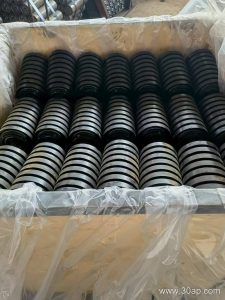
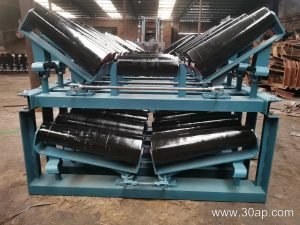
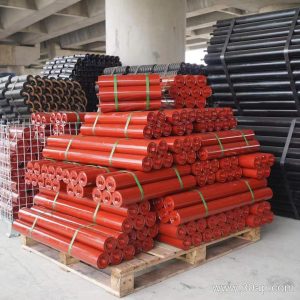
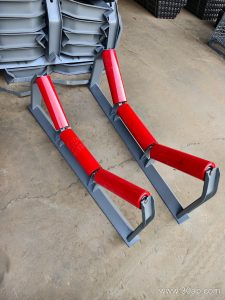
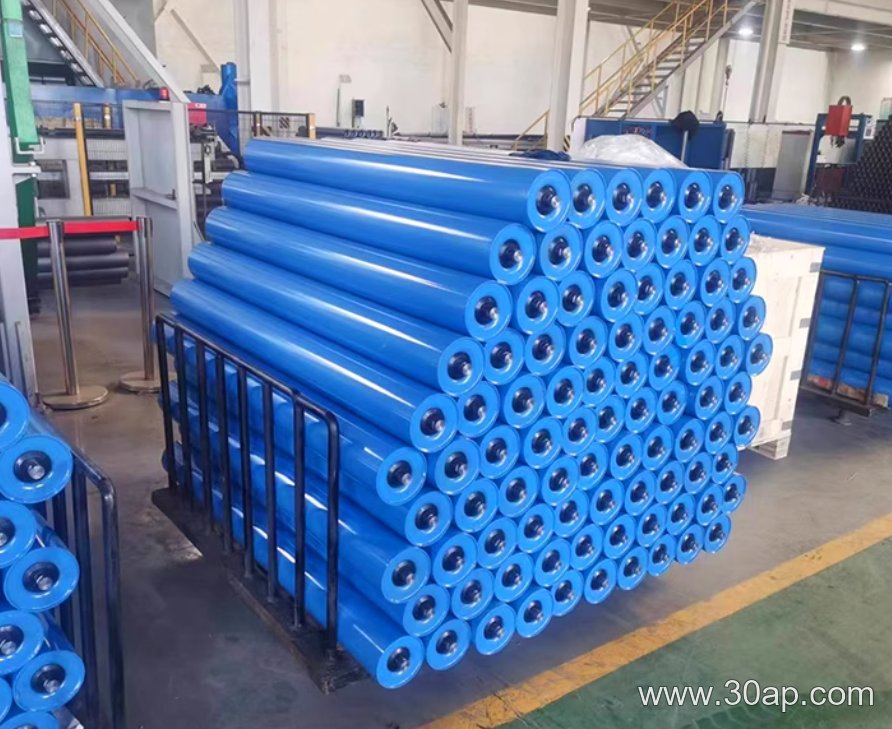
An idler roller is a cylindrical component that supports the conveyor belt and the material it carries, minimizing friction and maintaining belt alignment. Without properly selected idlers, even the strongest conveyor system suffers from premature wear, spillage, and downtime.
Key Selection Criteria
When specifying an idler roller, evaluate these factors to match your operational demands:
- Load rating: Confirm the roller’s dynamic load capacity exceeds your peak belt load, including impact zones.
- Roller diameter and shell thickness: Larger diameters and thicker shells improve durability for heavy or abrasive materials.
- Bearing and seal quality: Choose labyrinth or contact seals with high-grade bearings to resist dust, moisture, and contaminants.
- Frame compatibility: Ensure the idler roller’s shaft and mounting dimensions fit your existing conveyor trough or return sets.
Purchasing Advice
Request samples for destructive testing and verify the manufacturer’s ISO certification. For corrosive or high-temperature environments, ask about coated shells or stainless steel options. Balance upfront cost against lifecycle cost—cheaper idlers often mean more frequent replacements and belt damage.
Always stock spare idler rollers for critical sections, and schedule regular rotation of rollers to extend service life. A proven idler roller from a reputable supplier will reduce unplanned stops and protect your entire conveyor investment.
Conveyor Pulley: The Core of Reliable Belt Performance
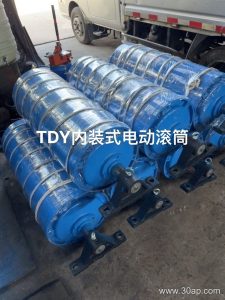
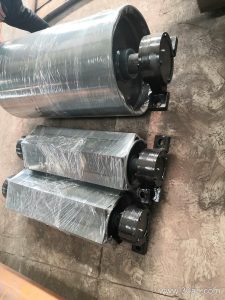
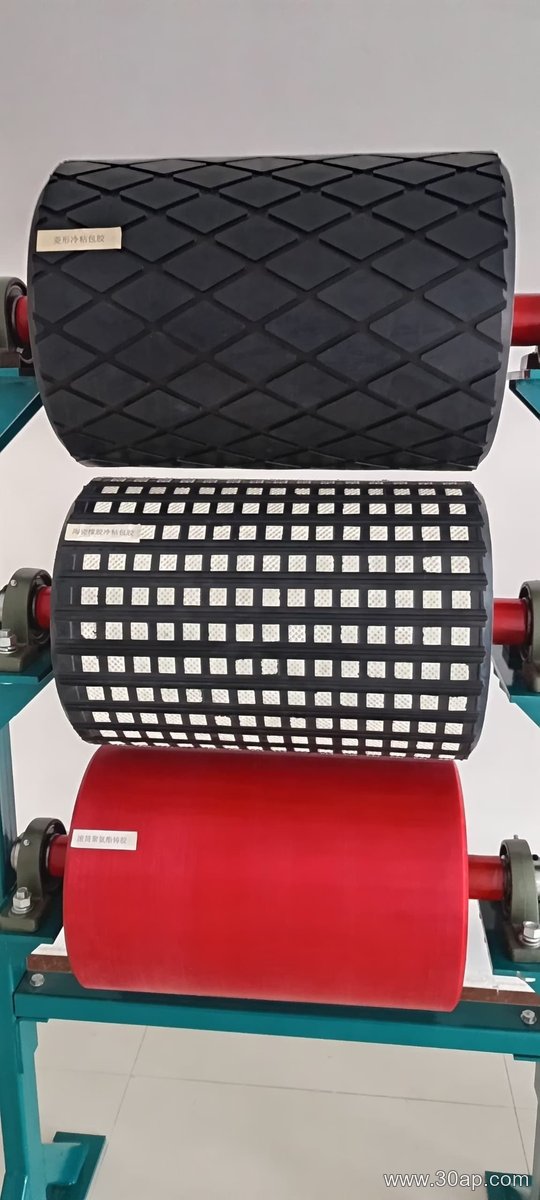
The conveyor pulley is not just a rotating cylinder; it is the mechanical heart that drives belt tension, tracking, and torque transfer. Choosing the wrong pulley leads to belt slippage, premature wear, and costly downtime. For any bulk material operation, the pulley’s diameter, face width, and shaft design must match the belt’s rated tension and the system’s starting torque.
Key Types and Their Industrial Roles
- Drive pulleys – mounted at the head, they transfer motor power via lagging (ceramic or rubber) for grip.
- Bend pulleys – redirect the belt on the return path, reducing wrap angle stress.
- Take-up pulleys – maintain tension automatically, compensating for belt stretch over time.
Selection and Purchasing Checklist
First, calculate the effective belt tension (Te) and determine the pulley diameter from the belt manufacturer’s minimum recommended ratio (typically 60–80% of belt carcass diameter). Verify shaft deflection at full load—use a finite element analysis report from the supplier. For abrasive materials, demand a crowned face with a hardness of at least 400 BHN on the shell. Always specify lagging thickness (12–15 mm) and vulcanized bonding for drive pulleys. Finally, check bearing housing sealing against dust ingress—use labyrinth seals for outdoor conveyors. Ask for a certified drawing and a two-year warranty on weld integrity.