What a Trough Idler Bracket Does
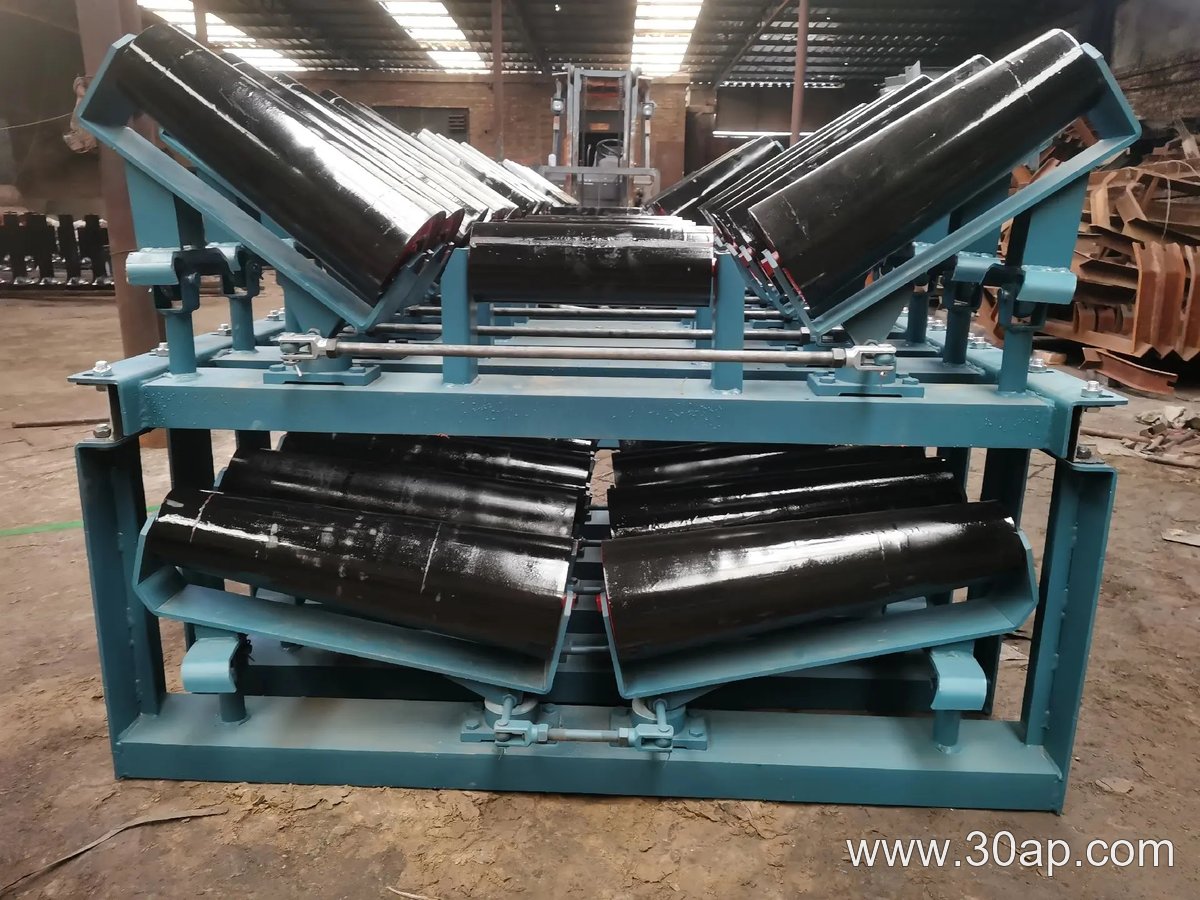
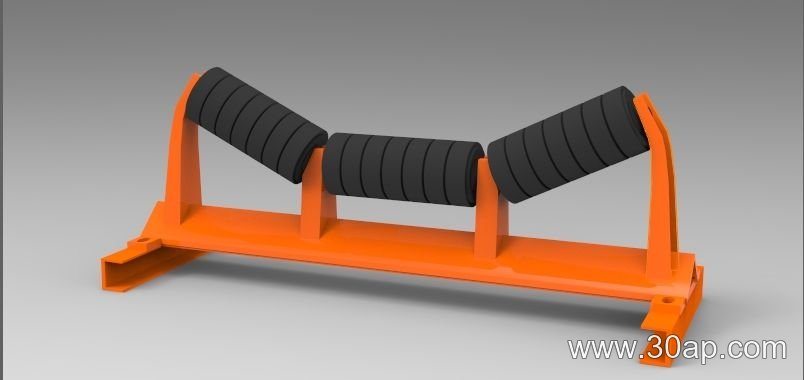
A trough idler bracket is the support component that holds the idler rollers in a troughed position under a conveyor belt. In everyday workshop language, it is often called a conveyor bracket or a troughing bracket. Its job is simple to describe but important in practice: it keeps the carrying idlers at the correct angle so the belt forms a trough that can carry bulk material without spilling.
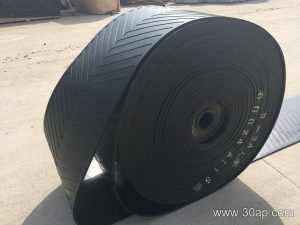
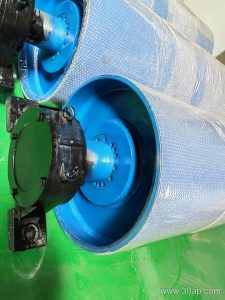
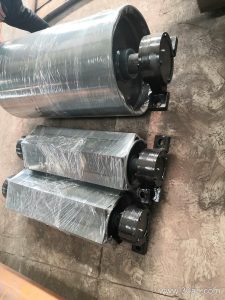
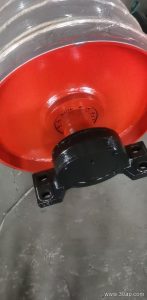
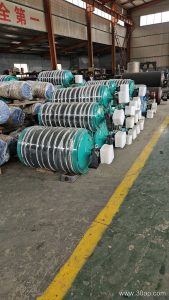
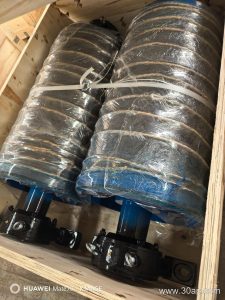
The bracket does not move the belt by itself. It works together with the idler roller, the conveyor belt, and the conveyor pulley. The drive pulley and tail pulley have different functions and are not interchangeable with the troughing bracket, but all of them belong to the same conveyor support system.
How It Is Built
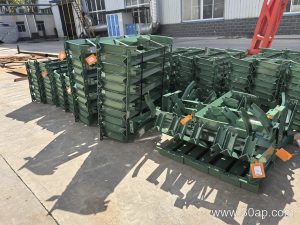
Most trough idler brackets are made from angle steel, channel steel, or folded steel plate. The choice depends on the load, the belt width, and the environment. In a typical design, the bracket has mounting slots or holes for the idler shafts and a base that bolts to the conveyor frame.
The bracket may be fixed or adjustable. A fixed bracket holds the rollers at one trough angle, such as 20 degrees, 30 degrees, 35 degrees, or 45 degrees. An adjustable bracket allows the user to change the trough angle to suit different materials and belt conditions. Some designs also include a slight forward tilt, often about 1.5 to 2 degrees, to help center the belt.
Types and Common Variations
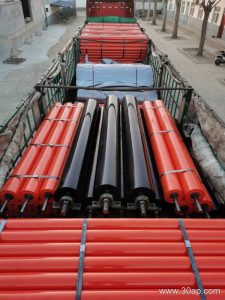
Several bracket types appear in conveyor systems, and the right one depends on where it is installed. Common examples include the upper trough bracket, the transition bracket, the return bracket, the V-return bracket, the impact bracket, the self-aligning bracket, and the suspended bracket. Each type has a different role, so they should not be treated as direct replacements for one another.
- Upper trough brackets support the carrying side of the belt.
- Transition brackets help the belt change shape near a pulley.
- Return brackets support the empty side of the belt.
- Impact brackets are used where material falls onto the belt.
- Self-aligning brackets help correct belt tracking.
A troughed bracket is the main subject here. Other brackets may be mentioned only when a comparison helps explain a design choice.
Where It Is Used
Trough idler brackets are found in many bulk handling locations. In a sand and gravel line, they support the belt that carries crushed stone from one stage to the next. In a coal washing plant, they keep the belt aligned while carrying wet coal. Other common sites include limestone mines, crushing and screening plants, and grain silos.
The working conditions matter. A dusty, wet, or corrosive site may call for a heavier bracket or a different surface treatment. The bracket must also match the conveyor frame and the idler roller spacing, so buyers should check the installation dimensions before ordering.
What a Buyer Should Know
When selecting a trough idler bracket, start with the belt width and the required trough angle. Common belt widths include B500, B650, B800, B1000, B1200, B1400, B1600, B1800, B2000, and B2200. Common idler roller diameters include 89 mm, 108 mm, 133 mm, 159 mm, and 194 mm. These are reference values, not fixed combinations. A B800 belt, for example, may use different roller diameters and trough angles depending on the design.
Do not assume that one belt width can only match one pulley diameter or one bracket size. The mounting hole spacing and the crossbeam length usually change with belt width and trough angle. For this reason, the buyer should provide the belt width, the trough angle, the roller diameter, and the frame hole pattern when requesting a quotation.
It also helps to know whether the bracket will be fixed or adjustable, and whether it needs a forward tilt or impact resistance. A conveyor bracket that fits one section of the line may not fit another, especially near the drive pulley, the tail pulley, or a bend pulley. Checking these details early avoids extra work during installation and keeps the conveyor belt running smoothly.
Finally, ask about the material and the finish. Angle steel and channel steel are common, but folded steel plate can also be used. A well-made bracket should hold the idler roller firmly, resist vibration, and allow easy replacement when a roller wears out. The goal is not to buy the heaviest bracket, but to match the bracket to the belt, the load, and the site conditions.