The Role of the Idler Roller in Bulk Material Handling
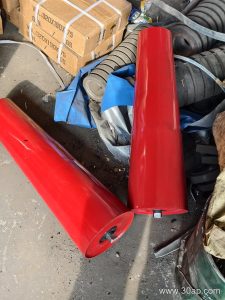
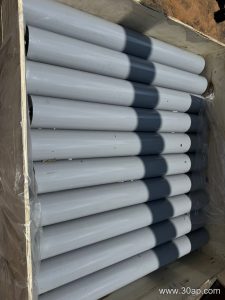
The idler roller is the unsung workhorse of any belt conveyor system. It supports the belt and cargo, reduces friction, and maintains proper belt tracking. Without well-designed idlers, even the strongest conveyor belt will suffer from premature wear, misalignment, and energy waste. Selecting the correct idler roller is not a secondary decision—it directly impacts uptime, maintenance costs, and throughput.
Key Selection Criteria for Idler Rollers
- Belt width and speed: Match the roller’s face length and diameter to your belt dimensions and operating velocity to avoid excessive sagging or vibration.
- Load and impact: For heavy or abrasive materials, choose a higher CEMA class (e.g., CEMA D or E) with thicker tube walls and heavier bearings.
- Environment: In corrosive or dusty conditions, opt for sealed bearings, stainless steel or polymer shells, and rubber rings for impact zones.
- Roller spacing: Closer spacing under loading points prevents belt damage; wider spacing on returns cuts cost—but always follow the manufacturer’s load tables.
Purchasing Advice for Long-Term Value
Always verify the idler roller’s runout tolerance (ideally below 0.03 mm) and the bearing’s rated life (L10). Compare total cost of ownership, not just the unit price. Ask for test reports and warranty terms. Purchase from a supplier that offers interchangeable parts with your existing frame, and keep spares for the highest-wear positions, such as the impact trough and return side near the tail pulley.
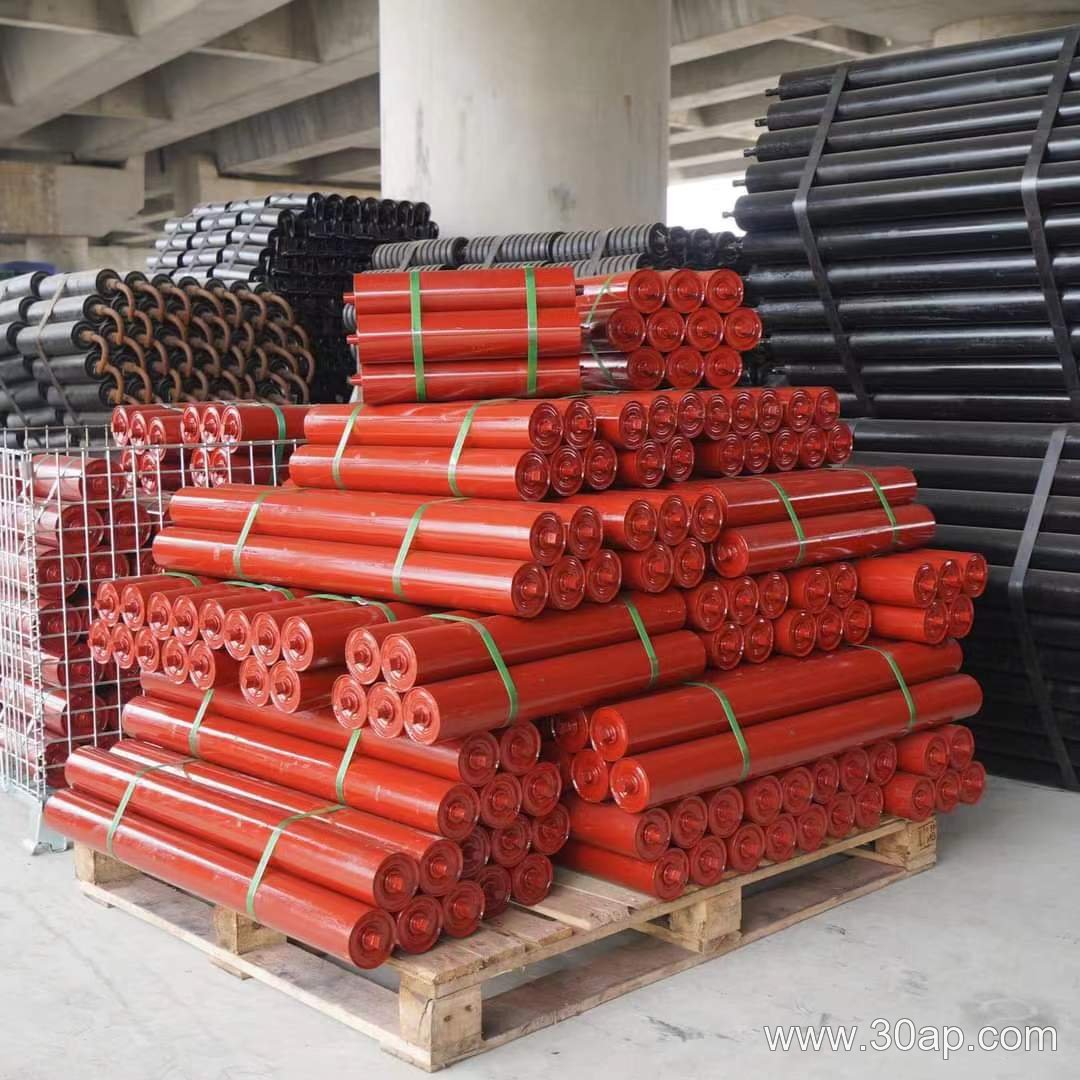
Finally, remember that an idler roller is only as good as its installation. Align frames precisely and check for concentricity after mounting. Regular rotation checks and greasing schedules will extend service life significantly. A small upfront investment in quality idlers pays back multiple times over in reduced downtime and consistent belt performance.
Why the Conveyor Pulley Dictates System Uptime
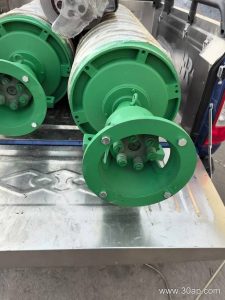
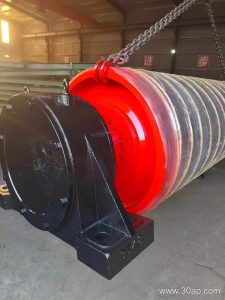
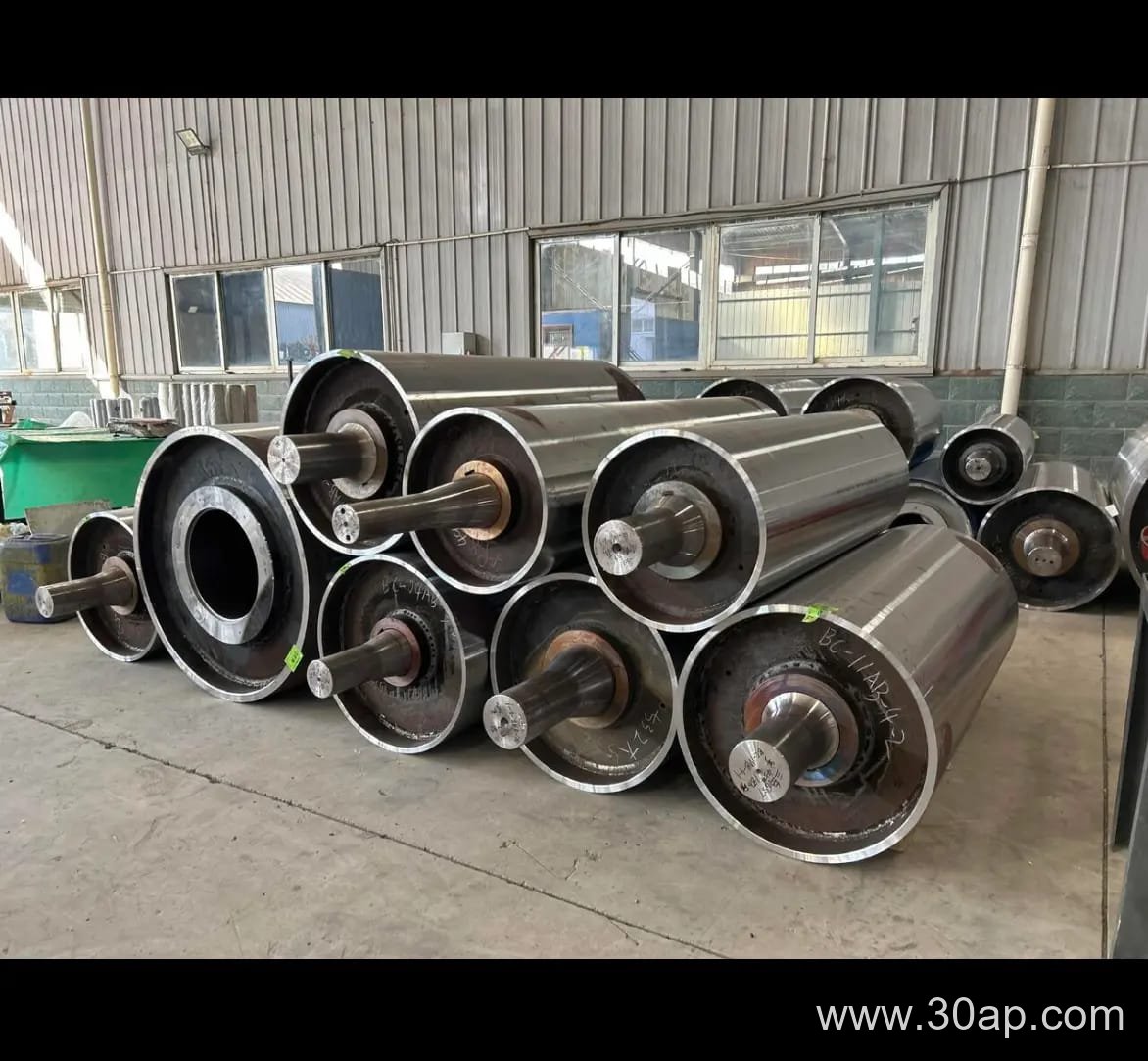
The conveyor pulley is not a passive roller; it is the mechanical heart that drives belt tension, traction, and tracking. A poorly chosen pulley causes belt slippage, edge damage, and premature bearing failure. For bulk handling or package lines, matching pulley diameter, face width, and shaft rating to belt speed and load is non-negotiable.
Critical Specifications for Purchasing
- Diameter vs. belt flex: Smaller pulleys increase belt fatigue; verify minimum diameter per belt manufacturer.
- Crown or lagged: Crowned faces aid centering; rubber lagging boosts friction on drive pulleys in wet or dusty environments.
- Shaft and hub design: Check keyway stress, locking element options, and deflection limits under peak torque.
Common Configurations and Their Roles
Drive pulleys transfer motor power, while bend, snub, and take-up pulleys manage tension and wrap angle. For heavy impact areas, consider wing-type pulleys that shed debris and reduce belt wear.
Practical Selection Advice
- Always calculate effective tension (Te) and slack-side tension before specifying.
- Choose between solid and fabricated construction based on diameter—welded steel is economical for larger sizes.
- Specify sealed bearings for outdoor or high-dust sites, and add a shaft position sensor for proactive maintenance.
Finally, request a pulley balancing report (ISO 1940 grade G6.3 or better) to avoid vibration. Investing in the right conveyor pulley reduces downtime, extends belt life, and protects your entire material flow.
Understanding Conveyor Brackets and Their Role
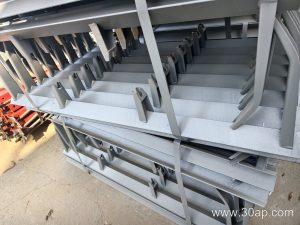
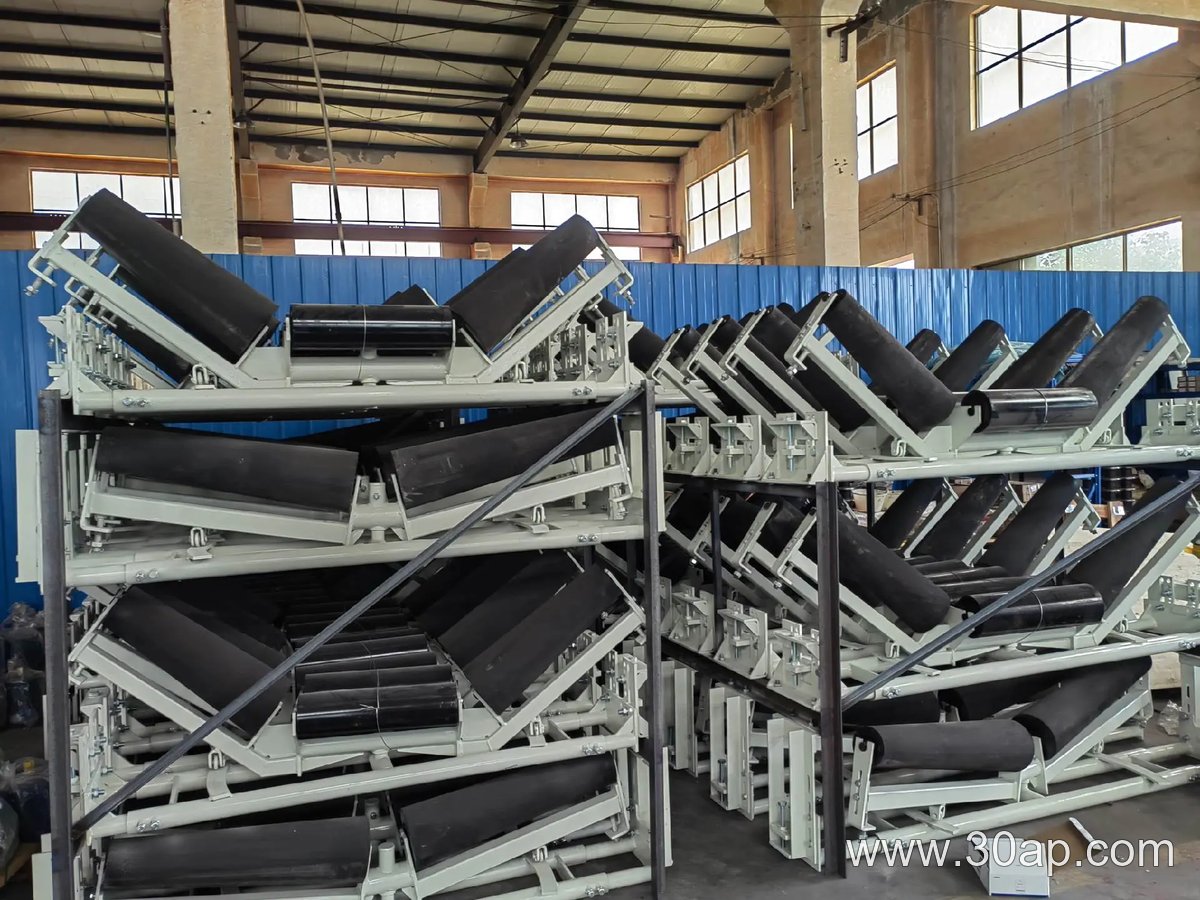
A conveyor bracket is a structural component that secures rollers, idlers, or belt support frames to the conveyor’s main chassis. Without correctly engineered brackets, even the most robust conveyor system suffers from misalignment, vibration, and premature wear. These brackets distribute dynamic loads evenly, ensuring smooth product flow and reducing downtime.
Key Selection Criteria for Industrial Buyers
- Material compatibility: Choose galvanized steel for corrosive environments, stainless steel for food-grade or washdown applications, and powder-coated carbon steel for general use.
- Load rating and fatigue life: Verify the bracket’s dynamic load capacity exceeds your peak belt tension and roller weight. Over-specifying adds cost; under-specifying risks catastrophic failure.
- Adjustability: Slotted bolt holes or pivot designs allow fine-tuning of roller height and angle—essential for belt tracking and alignment.
- Fastening system: Pre-drilled base plates with standardized pitch reduce installation time, while weld-on brackets offer permanent strength for heavy-duty lines.
Purchasing and Maintenance Advice
Always request dimensional drawings and tolerance data from suppliers to confirm compatibility with your existing conveyor frame. For retrofits, measure center distances and shaft diameters precisely. Inspect brackets quarterly for stress cracks, corrosion, or elongation of mounting holes. Replace worn brackets with identical or upgraded models to avoid uneven loading on adjacent rollers. When ordering in bulk, ask about laser-cut vs. formed brackets—formed units offer better impact resistance, while laser-cut profiles provide precision for tight-tolerance systems.
Why the Conveyor Belt Remains the Backbone of Material Flow
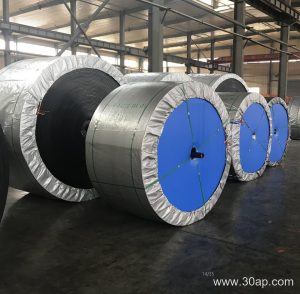
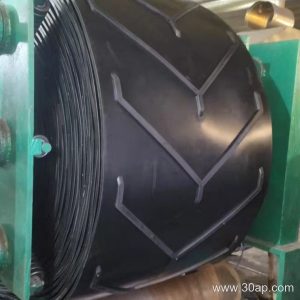
Every automated facility, from mining sites to food packaging plants, depends on a single, enduring component: the conveyor belt. It moves product consistently, reduces manual handling, and directly influences throughput efficiency. Selecting the wrong belt can lead to downtime, product damage, and inflated maintenance costs.
Key Selection Criteria for a New Conveyor Belt
- Material Compatibility: For abrasive or hot materials, opt for a rubber or steel-cord belt. For food contact, select a PU or PVC belt with FDA or EU approval.
- Tensile Strength & Belt Width: Calculate peak load and start-up tension. Wider belts distribute stress better, but check pulley diameter limits.
- Environmental Factors: Oil, chemicals, UV, and extreme temperatures degrade standard covers. Use a chlorinated or nitrile rubber cover for oil resistance, and aramid reinforcement for heat above 150°C.
- Tracking and Splicing: Request vulcanized or mechanical fasteners based on your maintenance team’s skill. For long, high-speed lines, choose a belt with low elongation and pre-formed troughing.
Purchasing Advice That Saves Money
Never buy on price alone. Ask the supplier for a belt life-cycle calculation, including energy consumption and splice failure rates. Order 10% extra length for future re-splicing, and always request a test sample for your actual product. Finally, specify a belt with a reinforced edge if your conveyor uses fixed side guides—this prevents premature fraying.
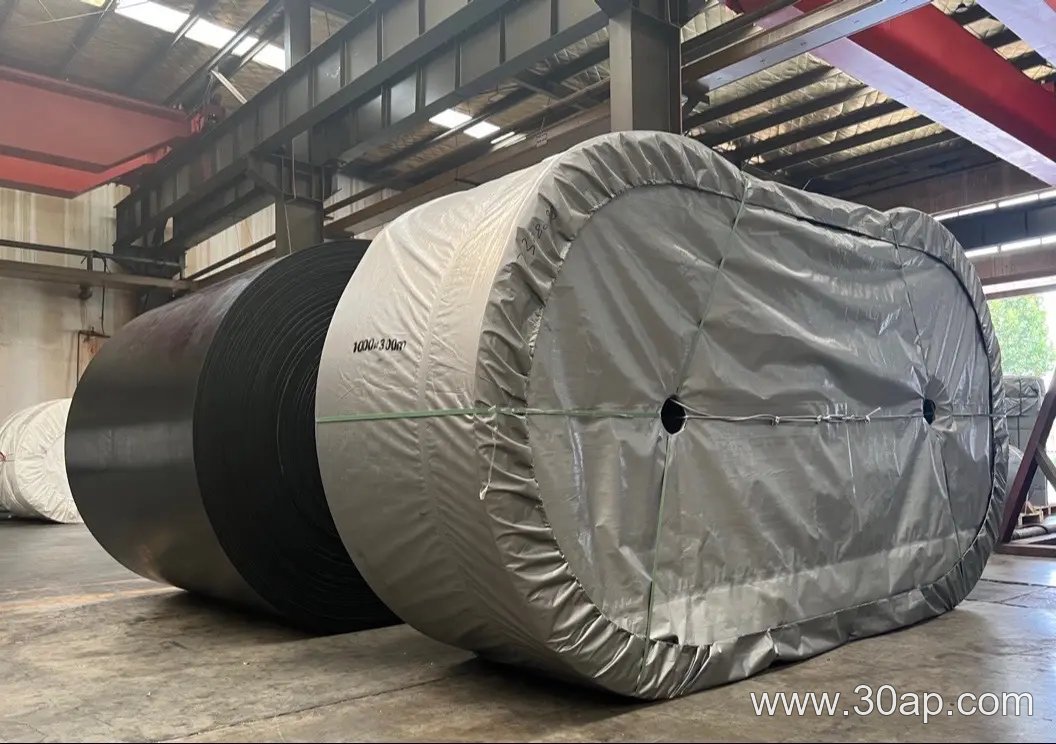
A correctly chosen conveyor belt will run for years with minimal intervention, but document the belt’s part number and splice date to track wear patterns. That single record often predicts when the next replacement is due—before a breakdown forces you into an emergency purchase.