How Do Cement Plant Engineers Group Conveyor Pulley Types by Duty and Construction
A common misconception is that a conveyor pulley is a single catalog item. In a cement plant, engineers actually sort conveyor pulleys by construction and duty, because a head pulley at the crusher discharge faces different loads than a bend pulley on a long overland run.
Drive, Bend and Take-Up Groups
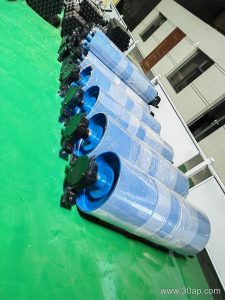
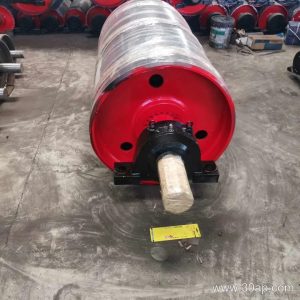
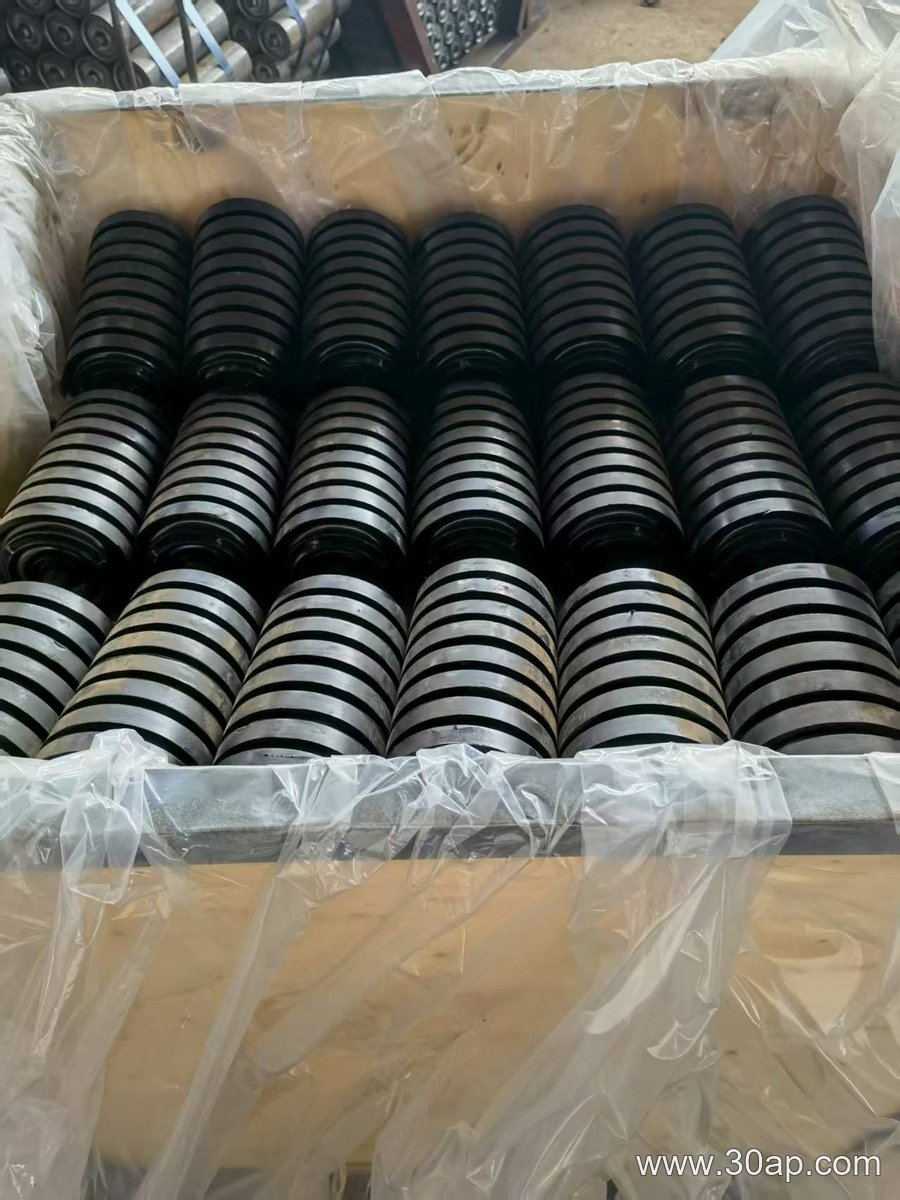
Drive or head pulleys transmit torque through a shaft and hub connection, often with lagging for grip. Bend pulleys redirect the belt with low torque but must handle high tension. Take-up pulleys move with the tensioning system, so their bearing arrangement and slide mounting matter more than shell thickness.
Construction Choices and When They Fit
- Solid welded shell pulleys suit clean, high-tension main drives where stiffness and balance are critical.
- Wing pulleys work in sticky or abrasive zones, letting fines fall through instead of building up on the shell.
- Lagging type follows the condition: flat rubber for dry grip, grooved rubber where water or slurry is present, and ceramic or polyurethane where abrasion dominates.
For a hypothetical cement plant, a drive pulley at the clinker cooler might use a thick solid shell, while a bend pulley near a wet scrubber discharge might use grooved lagging. The grouping logic is the same: match construction and duty to the location, not to a single product label.
What Is a Three-Roll Idler Bracket?
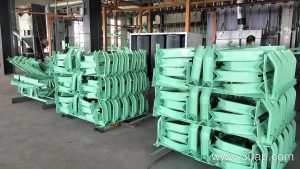
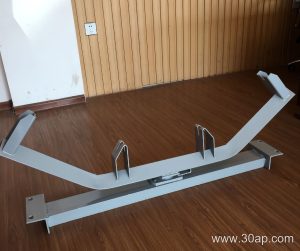
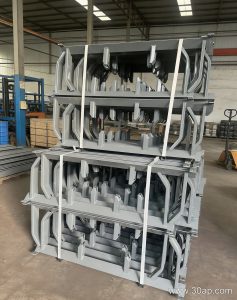
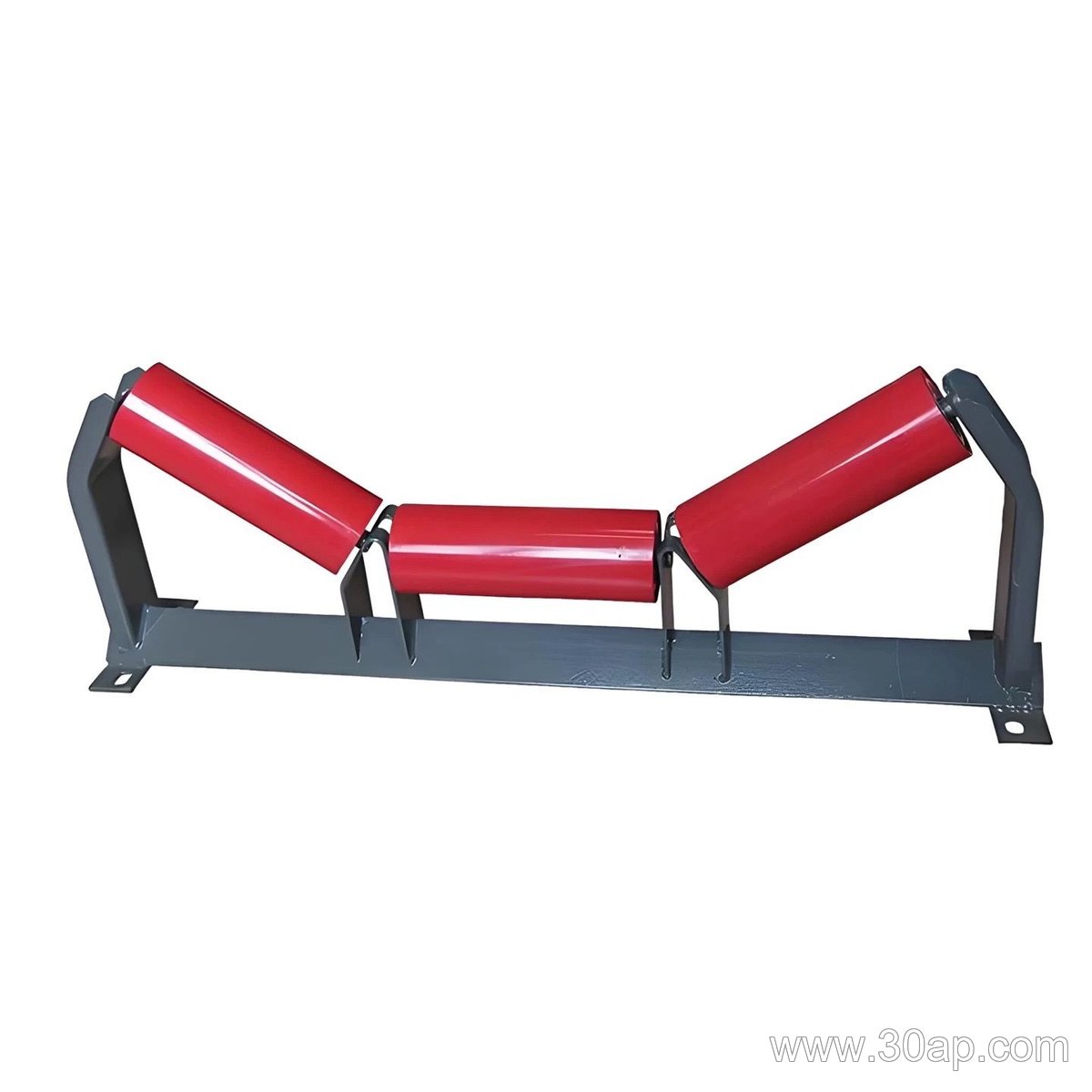
A three-roll idler bracket is a conveyor bracket subtype that holds three idler rolls in a trough shape. In a cement plant, it supports the belt on the carrying side, keeping material centered and reducing spillage.
Construction and Features
It is typically made of stamped or welded steel with three mounting slots set at fixed angles. The center roll sits horizontal, while the two side rolls incline to form a 20°, 35°, or 45° trough. This geometry is fixed by the bracket, not adjustable on the fly. Features include slotted holes for alignment, reinforced ribs for load, and a finish chosen for dust and moisture.
Uses in a Cement Plant
Use it on the main clinker belt or raw mill feed line. The three-roll bracket distributes load across three idlers, extending bearing life and preventing belt sag. For a hypothetical 1,200 mm belt, a 35° trough bracket is common. Always check that the bracket’s roll spacing matches your idler frame before installation.
How Do Standards and Grades Apply to a Conveyor Belt in Wet Outdoor Service?
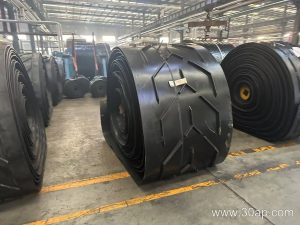
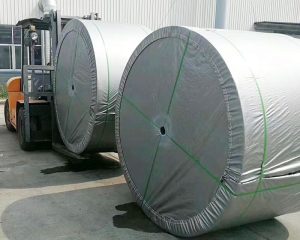
They define test methods, dimensional tolerances, and performance classes, not a blanket approval. For a wet outdoor conveyor belt, check cover grade for abrasion and hydrolysis, carcass type for moisture resistance, and splice compatibility.
Purpose and scope of common standards
Standards describe how to measure tensile strength, elongation, adhesion, and cover hardness. They set consistent vocabulary so buyers and engineers compare like with like.
How grades relate to wet outdoor conditions
- Cover grade: resistance to abrasion, cutting, and moisture uptake.
- Carcass: fabric or steel cord selected for wet strength retention.
- Edge construction: sealed edges reduce water ingress.
These are selection inputs, not certifications. Verify a supplier’s test reports against the standard’s methods.
Start with the idler roller’s duty, not the catalog
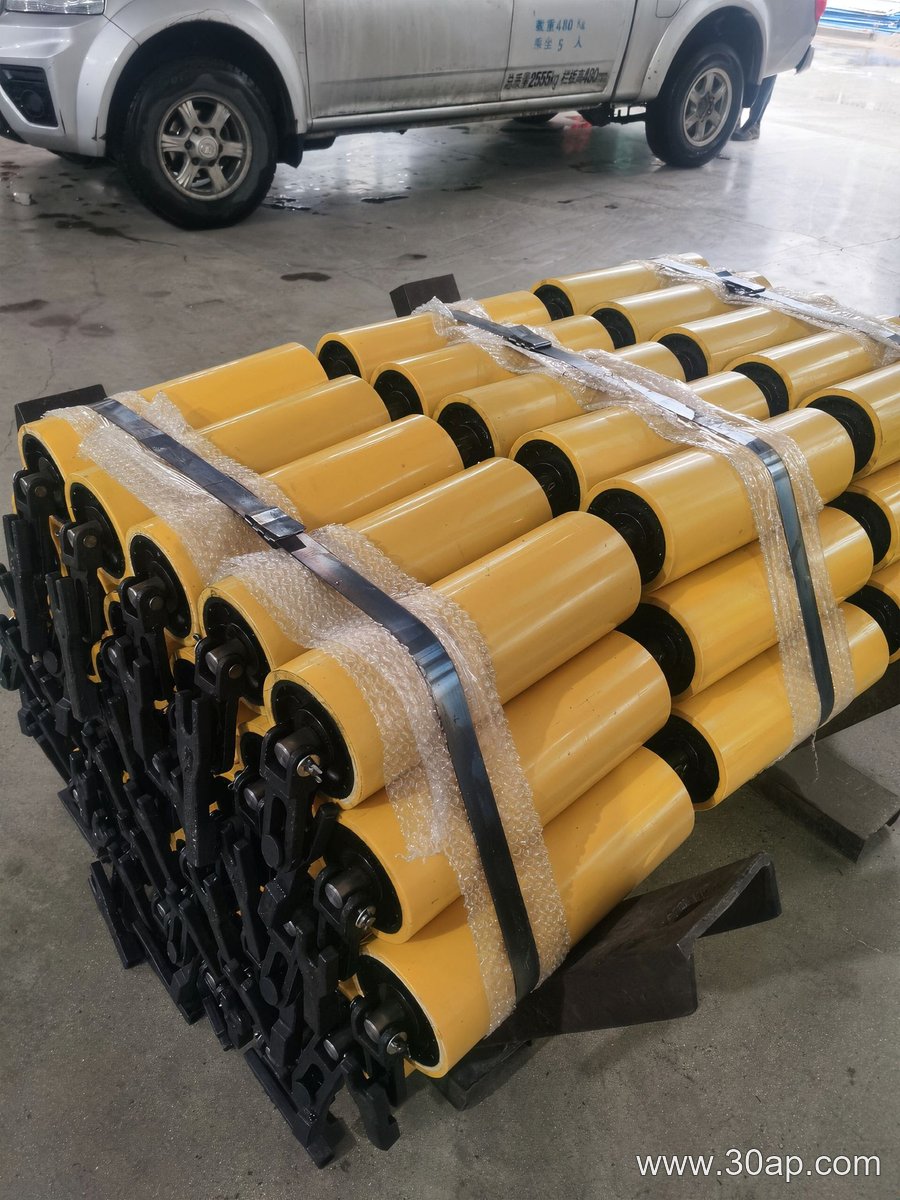
Before contacting a Chinese supplier, write down the idler roller’s belt width, load per station, speed, and environment. These four facts prevent a quote based on a generic roller.
What to put in the specification
- Shell diameter and face length, plus shaft diameter and bearing bore.
- Seal type and grease retention expected for dust or washdown.
- Mounting dimensions and tolerances from your drawing.
How to evaluate a supplier
Ask for the manufacturing tolerances, runout, and seal test method. A supplier who explains how the idler roller is balanced and greased is easier to audit than one who only sends a price.