What a Four-Roll Idler Bracket Does
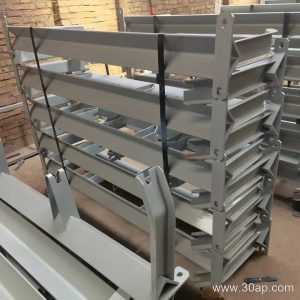
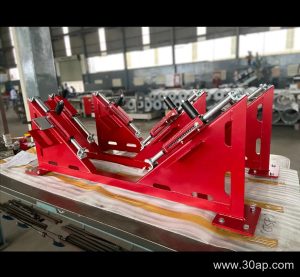
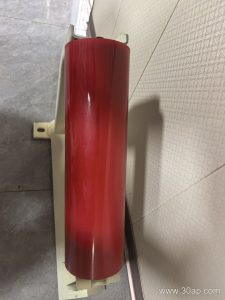
A four-roll idler bracket is a support assembly that holds four idler rollers in a single station, usually arranged to form a deep trough for the conveyor belt. Instead of the common three-roll arrangement, this bracket adds a fourth roller, which can help distribute the load across more contact points and support the belt in applications where material is heavy or the belt is wide. It is a structural component rather than a rotating part, and its geometry directly affects how the conveyor belt sits, how the idler roller spins, and how well the load is contained.
In coal mines, cement plants, and iron ore handling lines, the four-roll idler bracket is often chosen when a standard three-roll station would place too much stress on the center roller or when the belt needs a deeper trough to prevent spillage. The same bracket concept appears in crushing and screening circuits, where impact and lump size vary along the conveyor route.
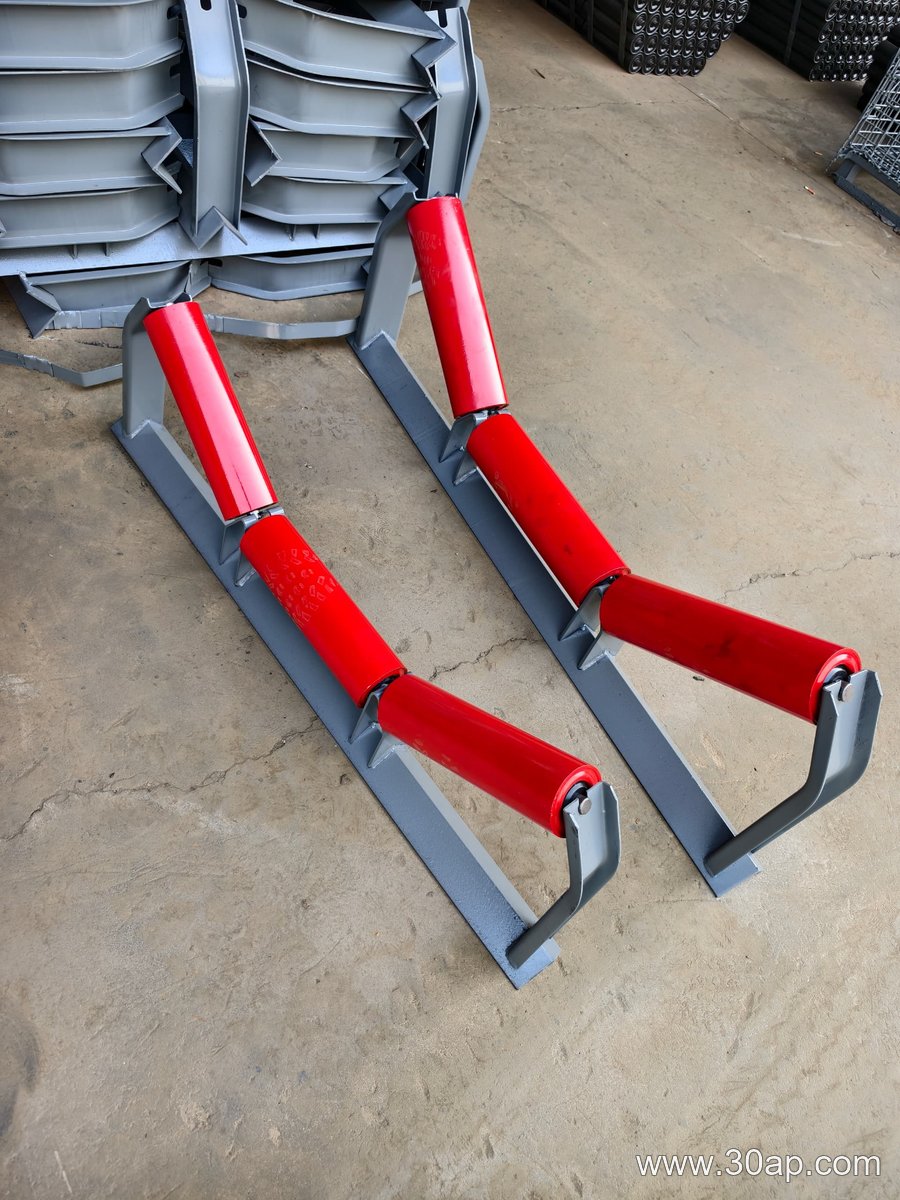
How the Bracket Is Built
Most four-roll idler brackets are fabricated from angle steel, channel steel, or folded steel plate. The frame usually consists of a base beam, two side supports, and intermediate mounting pads for the four idler rollers. The side rollers are set at a trough angle, while the two center rollers may sit at a shallower angle or lie flat, depending on the design.
Common trough angles for four-roll stations include 20 degrees, 30 degrees, 35 degrees, and 45 degrees. Adjustable versions allow the side roller positions to be changed between these angles, which helps when a conveyor handles different materials or when the belt tracking needs fine-tuning. Fixed brackets are welded or bolted to a single geometry and are simpler to install but less flexible.
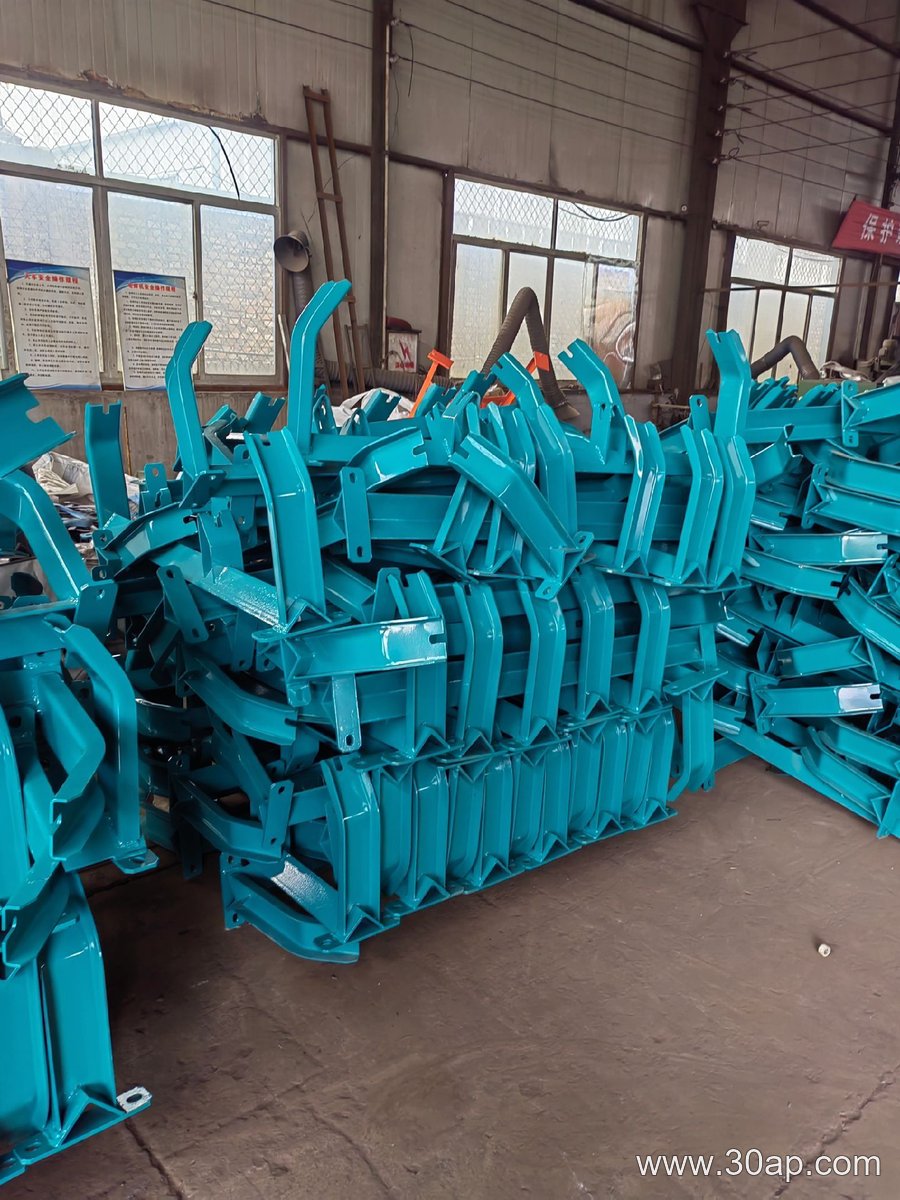
Mounting hole spacing and crossbeam length are not universal. They change with belt width, trough angle, and the roller diameter selected. A bracket for a B800 belt will not have the same dimensions as one for a B1400 belt, even if the basic four-roll layout looks similar.
Where Four-Roll Stations Are Used
These brackets are common in bulk material handling where the conveyor belt carries a heavy load or where the material is abrasive. Examples include limestone quarries, coal preparation plants, power station coal yards, and sinter plants in steel mills. In a tunnel boring or tunnel muck removal system, a four-roll idler bracket can help keep the belt centered when the load is uneven.
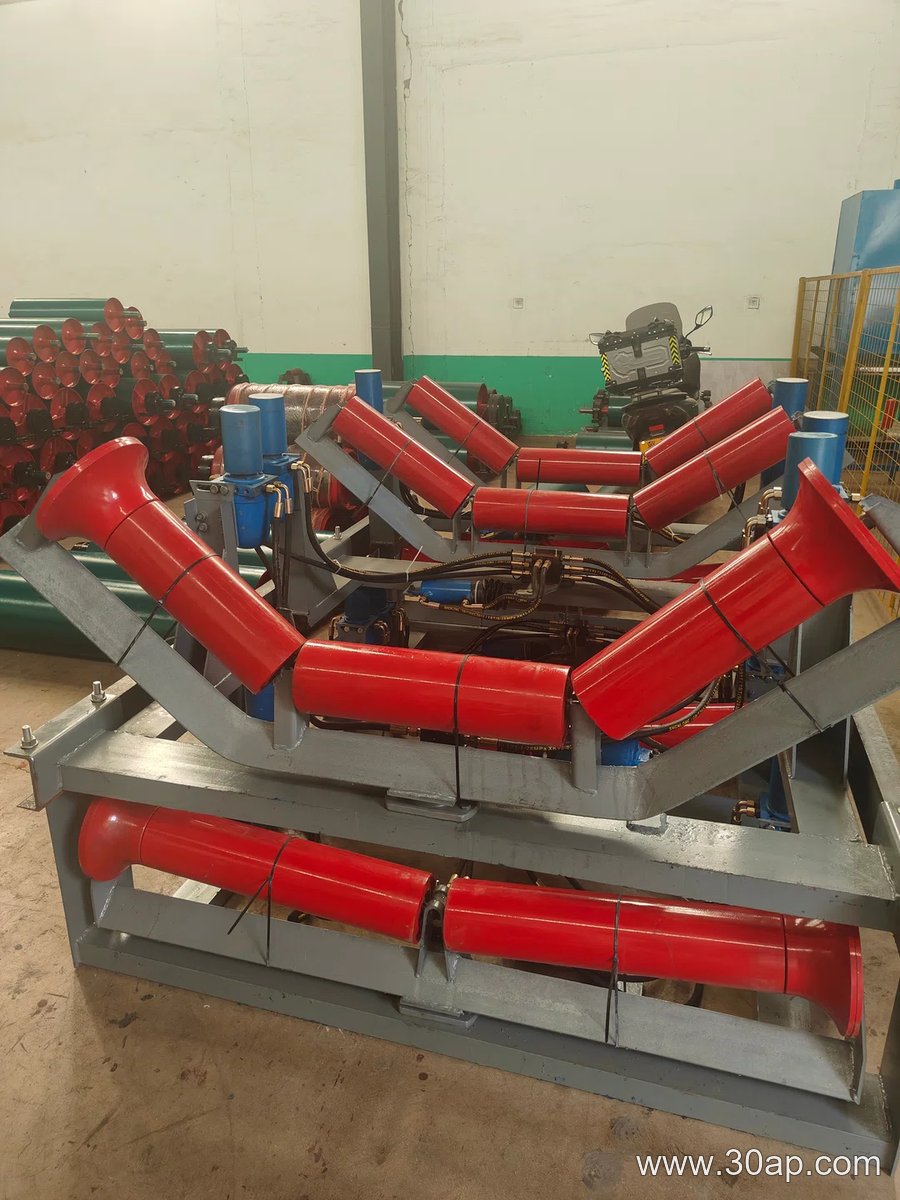
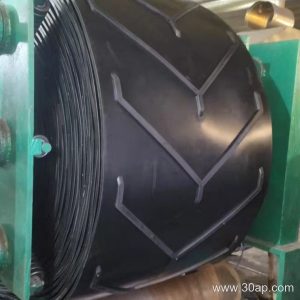
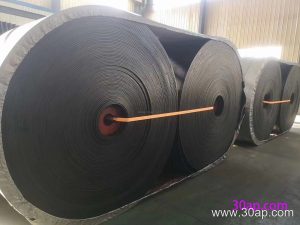
They are also used in sand and gravel lines and in fertilizer or grain silo discharge conveyors when the belt width and material flow require extra support. The bracket works together with the idler roller, the conveyor belt, and sometimes a conveyor pulley at the drive or tail end. It does not replace a drive pulley, tail pulley, or bend pulley, and those components serve different functions in the conveyor system.
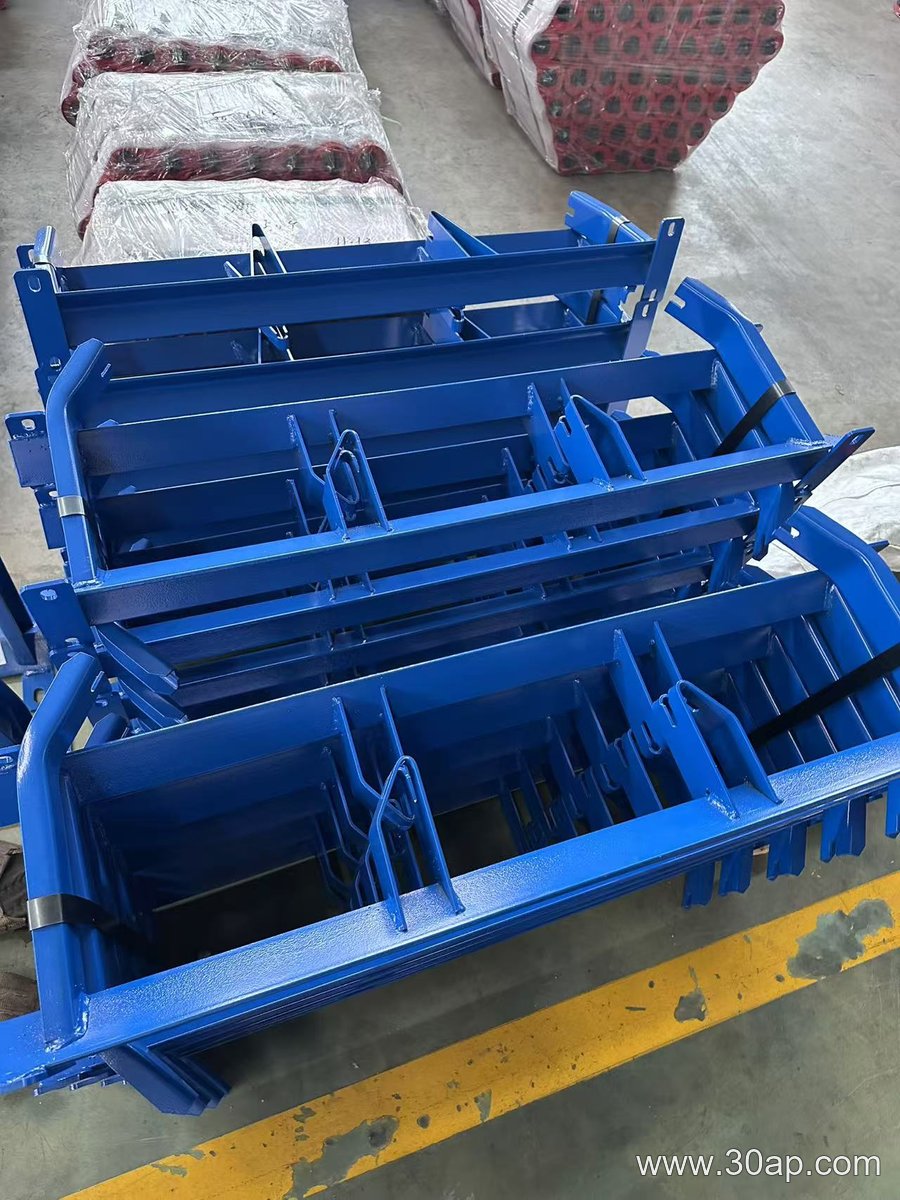
Matching Bracket, Belt Width, and Roller Diameter
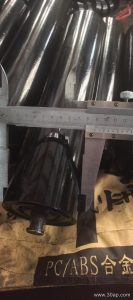
Selection starts with the conveyor belt width and the required trough angle. Roller diameter is then chosen based on load, speed, and bearing life. Typical roller diameters used with four-roll brackets include Ø89, Ø108, Ø133, Ø159, and Ø194. A wider belt does not automatically require a single specific roller diameter, and a given belt width can work with more than one trough angle or roller size.
The table below shows common reference combinations, but these are examples rather than fixed rules. Actual dimensions should be confirmed with the bracket drawing and the conveyor design.
| Belt Width | Common Trough Angle | Common Roller Diameter | Typical Bracket Type |
|---|---|---|---|
| B500 | 20–30 degrees | Ø89 | Fixed or adjustable |
| B650 | 30–35 degrees | Ø89, Ø108 | Fixed or adjustable |
| B800 | 35 degrees | Ø108, Ø133 | Fixed or adjustable |
| B1000 | 35–45 degrees | Ø108, Ø133 | Adjustable or transition |
| B1200 | 35–45 degrees | Ø133, Ø159 | Adjustable or impact |
| B1400 | 35–45 degrees | Ø133, Ø159 | Adjustable or impact |
| B1600 | 35–45 degrees | Ø159, Ø194 | Heavy-duty adjustable |
| B1800 | 35–45 degrees | Ø159, Ø194 | Heavy-duty fixed |
| B2000 | 35–45 degrees | Ø194 | Heavy-duty fixed |
| B2200 | 35–45 degrees | Ø194 | Heavy-duty fixed |
For comparison, a three-roll idler bracket is often lighter and less expensive, but it may not provide the same load distribution on wide belts. A four-roll station is not automatically better in every case; it depends on the material, belt speed, and space available.
Buyer Checklist
- Confirm the conveyor belt width and the required trough angle before ordering.
- Check the idler roller diameter and shaft size that the bracket will accept.
- Decide between a fixed bracket and an adjustable bracket based on future flexibility needs.
- Ask for the mounting hole spacing and crossbeam length, as these vary by belt width and angle.
- Verify that the bracket material and finish suit the environment, especially in dusty or wet conditions.
- Make sure the bracket is compatible with the existing conveyor bracket mounting pattern and the idler roller spacing.
A four-roll idler bracket is a small but important part of a conveyor system. When it matches the belt, the rollers, and the load, it helps the conveyor run smoothly and reduces wear on the conveyor belt. When it does not match, it can cause tracking problems or premature roller failure. Buyers should treat the bracket as part of the whole conveyor design rather than as a standalone item.