Why the Conveyor Bracket Demands Your Attention
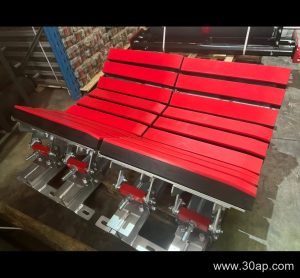
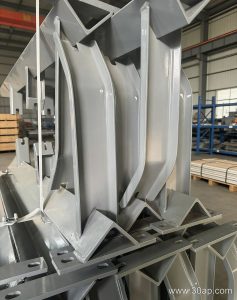
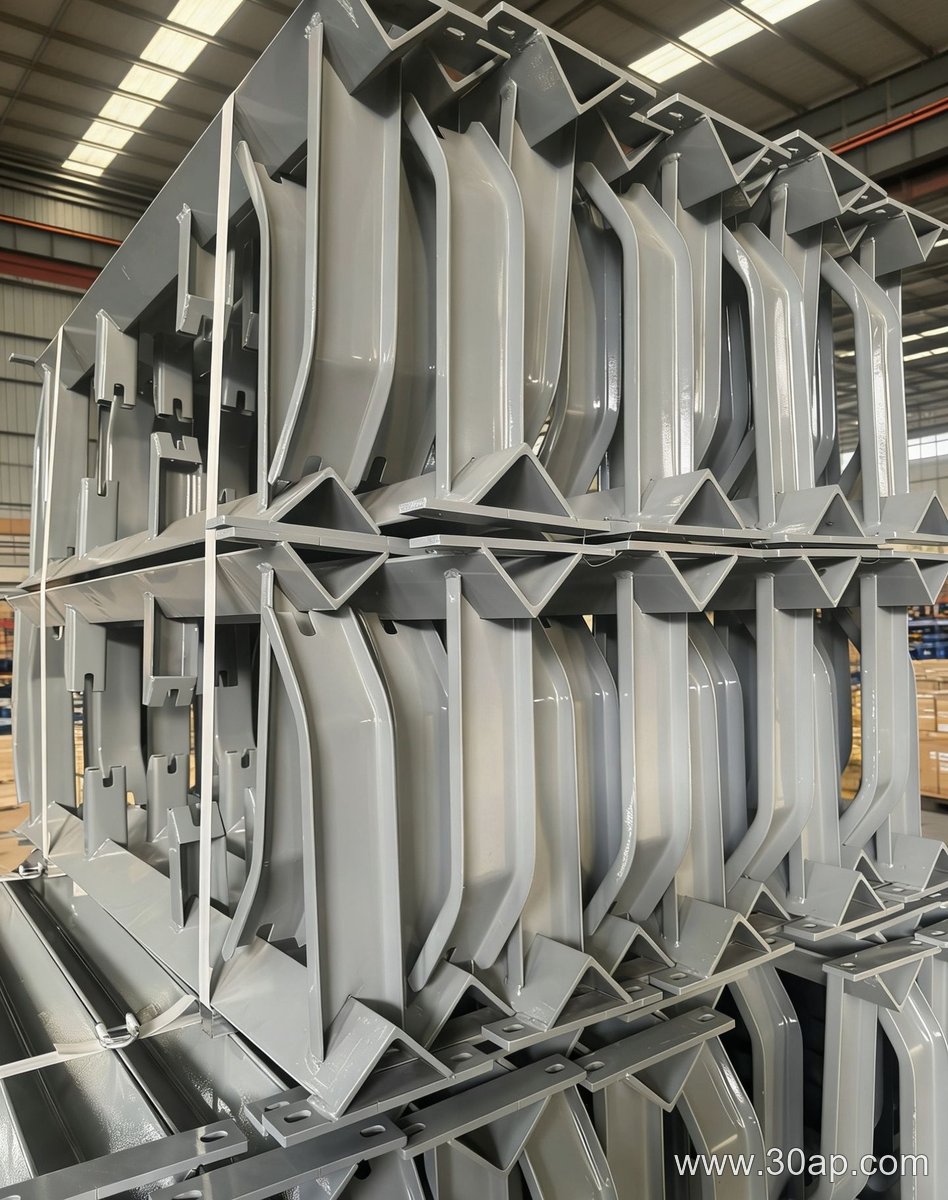
The conveyor bracket is the unsung structural hero that aligns rollers, absorbs dynamic loads, and prevents belt misalignment in every bulk handling line. A poorly chosen bracket leads to costly downtime, uneven wear, and even frame fatigue.
Selecting the Right Bracket for Your Application
Start with load rating: calculate peak impact, not just average flow. Match material – steel for abrasive ores, stainless for corrosive or food-grade environments. Check adjustability: slotted bolt holes allow precise roller angle tuning on-site.
Purchasing Advice That Saves Money
- Verify weld integrity and plating thickness – cheap powder coats hide early rust.
- Demand dimensional drawings with tolerance specs; mismatched hole patterns create installation chaos.
- Order spare brackets for critical transfer points – lead times often exceed your maintenance window.
- Ask about retrofit kits if your existing idler frames have non-standard widths.
Finally, always test a sample under your real belt speed and material density before bulk ordering. A robust conveyor bracket is an investment in uptime, not an accessory.
Why the Conveyor Belt Defines System Efficiency
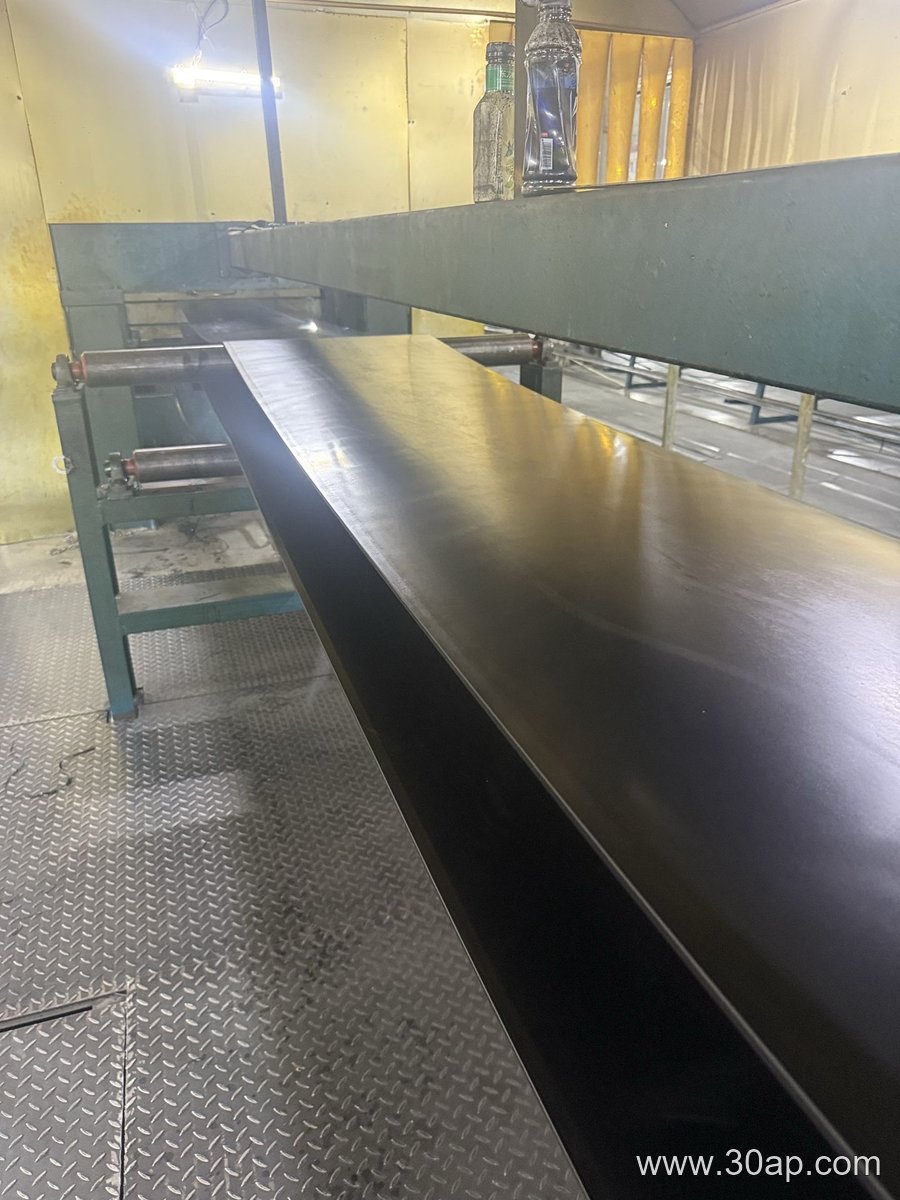
The conveyor belt is more than a moving surface; it is the critical interface between your bulk material and the mechanical drive. Its tensile strength, surface friction, and splice integrity determine throughput, downtime, and operational safety.
Key Selection Criteria for Industrial Conveyor Belts
- Load profile: Match belt carcass (fabric, steel cord, or solid woven) to peak tension and impact energy.
- Material characteristics: Choose covers for abrasion, oil, heat, or chemical exposure—never compromise on rubber grade.
- Environmental extremes: For sub-zero or high-temperature sites, specify cold-resistant or fire-resistant compounds.
Purchasing and Maintenance Advice
Always request a splice test report and verify belt width against idler spacing. For long-term value, prioritize vulcanized splices over mechanical fasteners and keep spare rolls with identical batch numbers to avoid tracking issues. Inspect pulley lagging and belt tension weekly; premature edge wear signals misalignment, not a belt fault.
Why the Idler Roller Determines Conveyor Lifespan
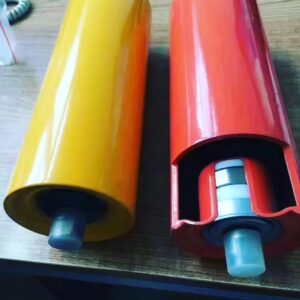
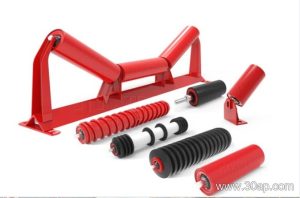
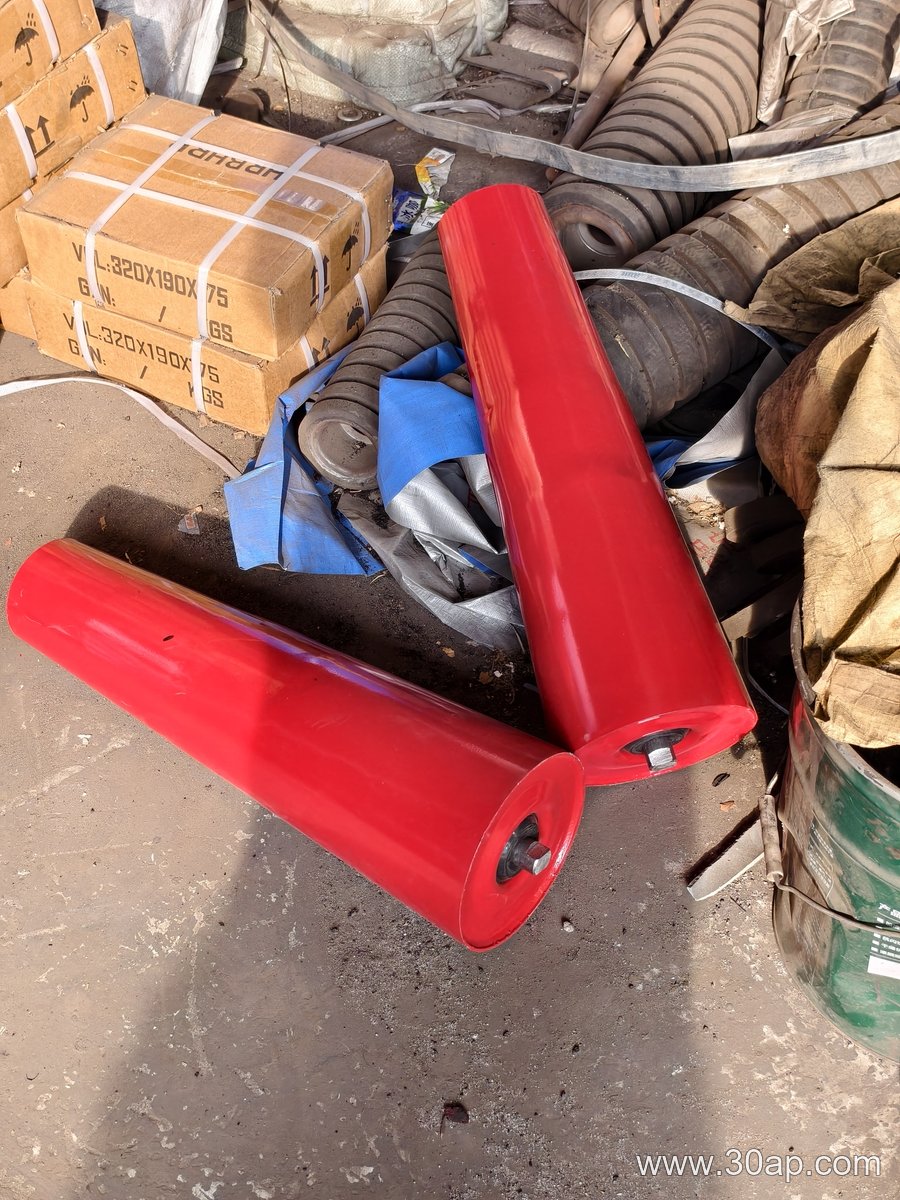
The idler roller is the unsung hero of any bulk material handling system. It supports the belt, shapes the load, and absorbs impact—yet a poorly chosen roller can cause belt misalignment, excessive wear, and costly downtime. For industrial buyers, understanding idler roller parameters is not optional; it is the first step toward reliable operations.
Key Specifications for Purchasing
When evaluating idler rollers, prioritize these factors to match your application:
- Belt width and speed: Ensure the roller’s face length and bearing speed rating align with your conveyor’s design.
- Load capacity: Calculate the maximum impact load at loading zones—choose heavy-duty rollers for abrasive or high-drop points.
- Roller diameter and shell thickness: Larger diameters reduce belt sag and energy consumption, while thicker shells resist denting.
- Sealing system: In dusty or wet environments, select labyrinth or contact seals to protect bearings.
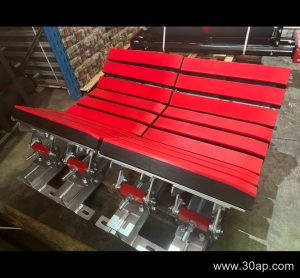
- Frame and mounting types: Verify compatibility with existing troughing, return, or impact stands.
Material and Coating Options
Steel idler rollers offer strength, but for corrosive or food-grade settings, consider stainless steel or rubber-coated variants. Rubber lagging improves grip and reduces belt slip on steep inclines. Always ask for a manufacturer’s test report that verifies runout and radial load ratings.
Maintenance and Spare Part Strategy
Buy rollers with replaceable bearings and greasing points to extend service life. Keep a stock of the most common idler roller sizes for your fleet, and inspect for uneven wear every quarter. A proactive approach reduces unplanned stops and ensures your conveyor’s backbone stays intact.
Conveyor Pulley: The Core of Reliable Belt Operation
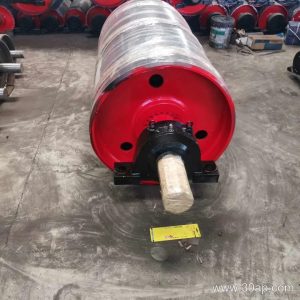
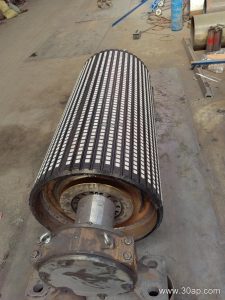
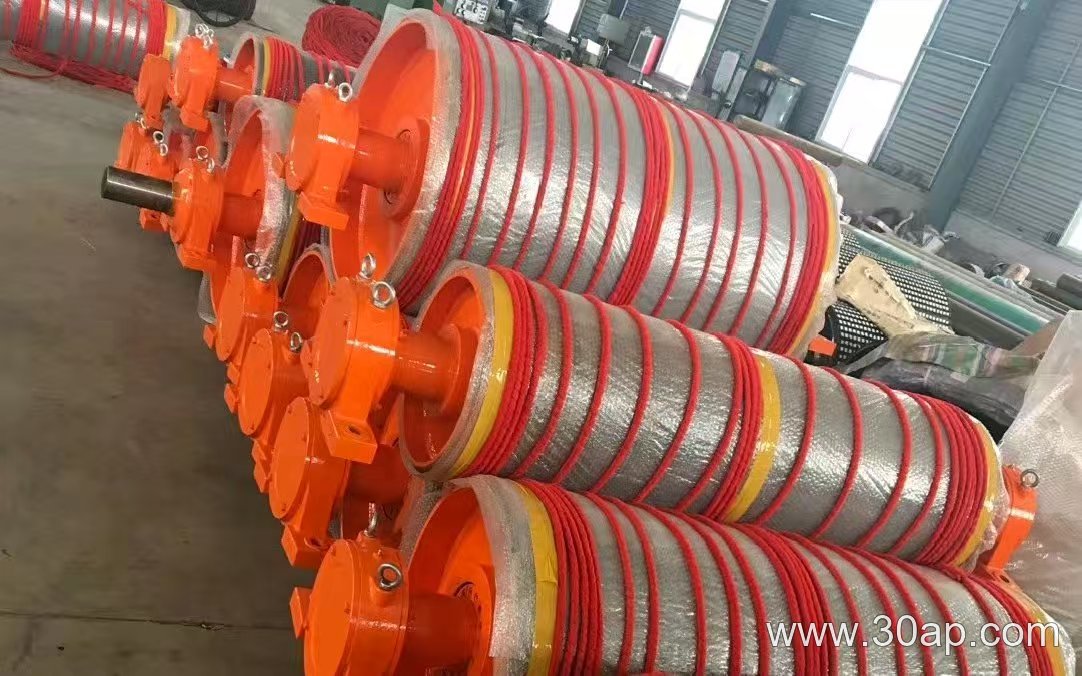
The conveyor pulley is the mechanical heart of any belt conveyor, dictating tension, tracking, and torque transfer. Choosing the wrong unit causes belt slippage, misalignment, and premature component wear.
Key Selection Criteria
- Diameter and face width: Match pulley diameter to belt speed and load; wider faces reduce edge stress.
- Shaft and hub design: Verify shaft deflection limits and use locking elements for high-torque applications.
- Lagging type: Rubber lagging improves grip; ceramic lagging suits wet or high-slip environments.
- Shell thickness: Thicker shells resist flex fatigue under heavy impact zones.
Purchasing Advice
Always specify crown profile (curved or straight) based on belt tension distribution. Request dynamic balancing reports from the manufacturer, and confirm bearing life ratings (L10) exceed your operational hours. For corrosive or abrasive materials, choose stainless steel or vulcanized pulley shells.
Finally, inspect pulley alignment tolerances and provide take-up travel calculations to your vendor—this prevents costly field corrections.