What Conveyor Pulley Welding and Machining Really Involves
A conveyor pulley is not simply a tube with a shaft. It is a pressure vessel of sorts, built to survive continuous bending, torsion, and belt tension. The two disciplines that decide whether it lasts are welding and machining. Welding joins the shell, end discs, and hub into one load-bearing unit. Machining then brings the outside diameter, face width, and shaft journals to the tolerances that keep the belt tracking true. Together, conveyor pulley welding and machining turn raw steel into a component that can run for years in a quarry, a coal handling system, or a cement plant.
How the Pulley Is Assembled Before the First Weld
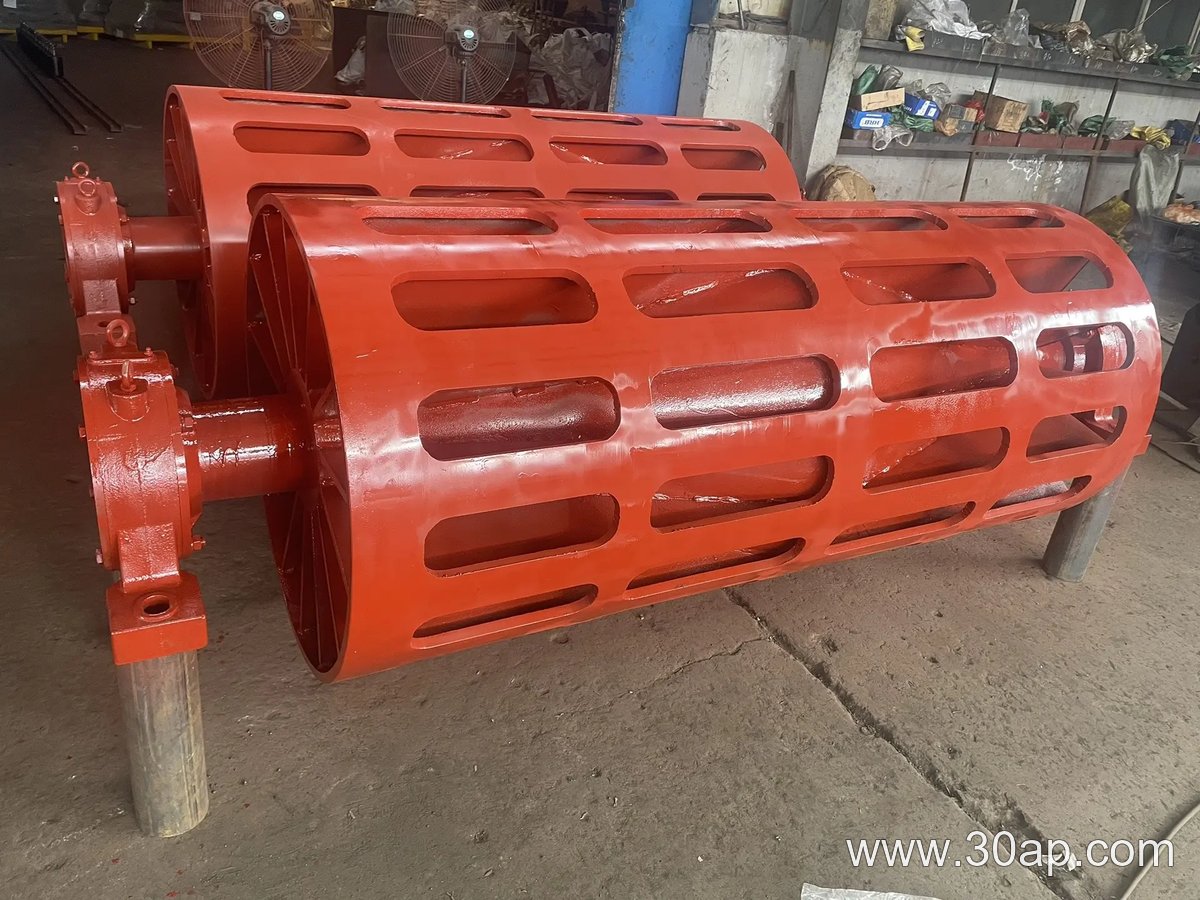
Most pulleys start as a rolled steel shell. The shell thickness is chosen from the belt tension and the diameter, not from a single catalog rule. End discs are cut and bored to accept the hub or the shaft directly. For a drive pulley, the hub is often keyed and may carry a shrink disc or a locking assembly. For a tail pulley, the design is usually simpler because it only redirects the belt. A bend pulley, by contrast, is a light-duty redirecting unit and should not be confused with a drive or tail pulley, since each has a different duty and a different weld procedure.
Welding Sequence and Why It Matters
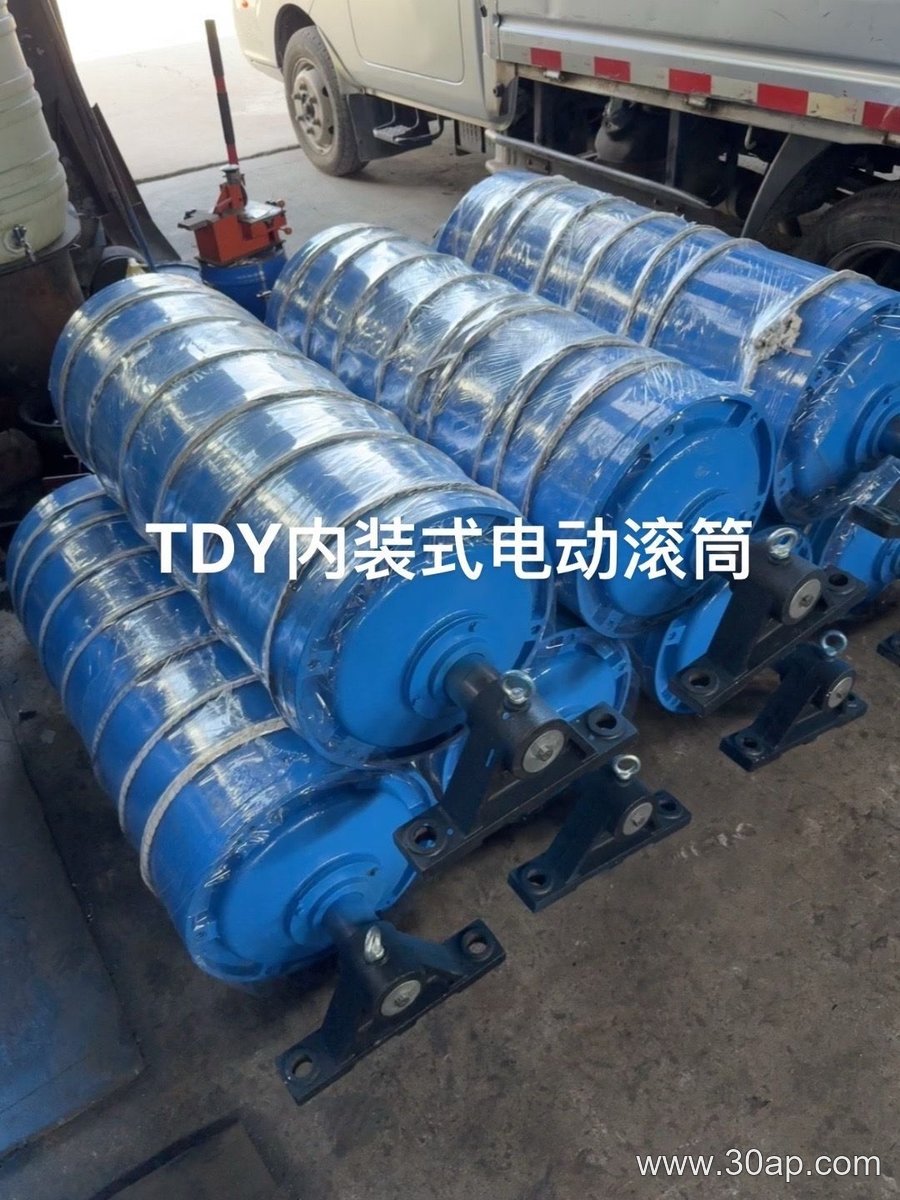
The order of welds controls distortion. A typical sequence is: tack the end discs to the shell, weld the hub to the end disc, then complete the circumferential welds in balanced passes. Submerged arc welding is common for long shell seams, while gas metal arc welding is used for hubs and fillet joints. Preheating may be required for thick sections or high-carbon steels. After welding, the assembly is often stress-relieved to reduce residual stress that could otherwise pull the pulley out of round.
Common Weld Defects to Watch
- Porosity and lack of fusion in fillet welds at the hub
- Undercut along the shell-to-end-disc joint
- Distortion that leaves the shell oval rather than round
- Cracks in the heat-affected zone when preheat is skipped
Machining the Diameter, Face, and Journals
After welding, the pulley goes to a lathe or a horizontal boring mill. The outside diameter is turned to the required size, often with a slight crown for belt training. The face width is machined so that the conveyor belt is supported across its full width. The shaft journals are turned and ground to the bearing fit, and keyways are cut if the pulley is driven. For a B1200 pulley with a Ø1000 outside diameter, the machined face might be around 1400 mm, but the exact value depends on the belt and the application. A B800 pulley with a Ø500 diameter is a different combination, and neither size is a fixed rule for every conveyor.
Surface Preparation for Lagging
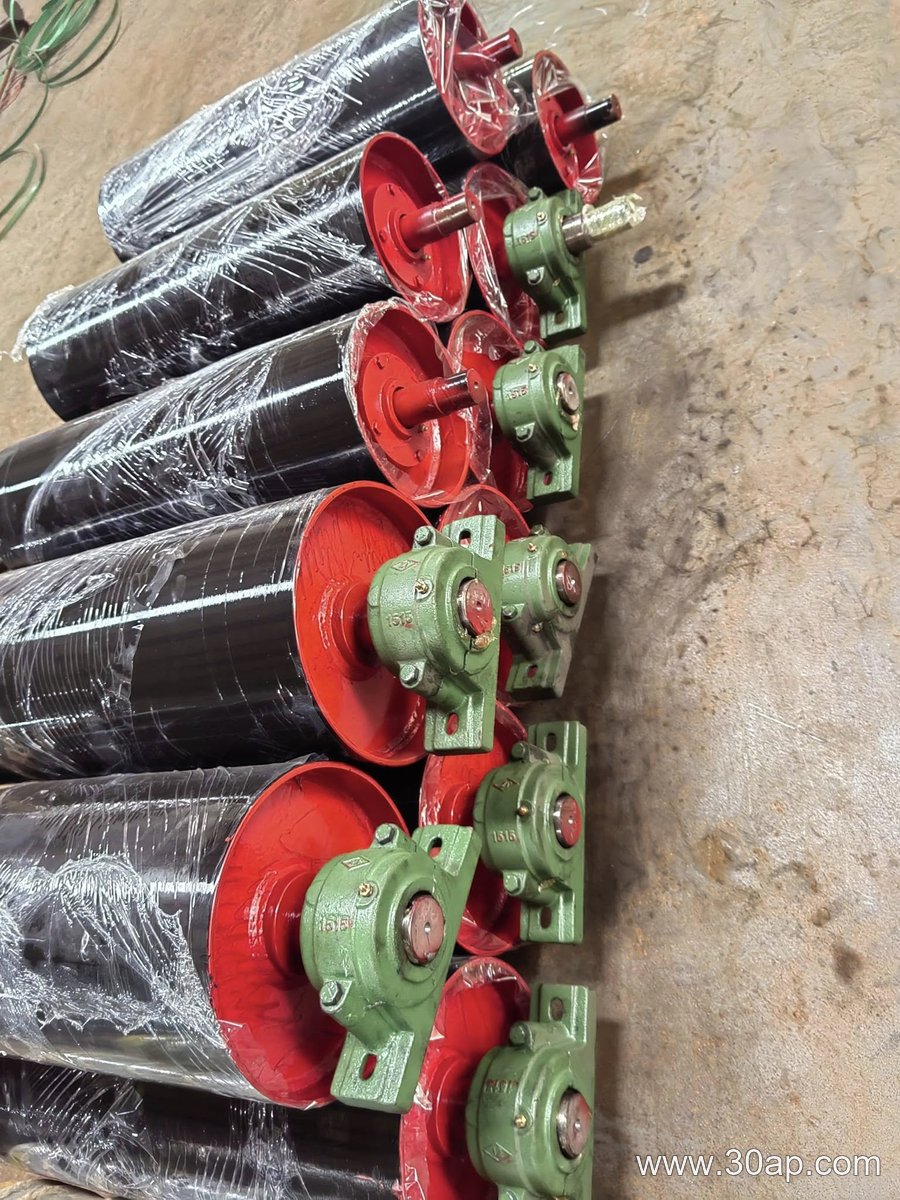
Many pulleys receive lagging after machining. The surface may be left plain, or it may be prepared for rubber, ceramic, or diamond grooving. Common lagging thicknesses include 8, 10, 12, 15, and 20 mm. The choice depends on grip requirements, material carryback, and whether the pulley is a drive or a non-drive unit. A drive pulley usually needs more traction, while a bend pulley may run plain. The lagging is bonded by cold vulcanizing, hot vulcanizing, or casting, and the weld quality underneath still matters because a poor weld can flex and crack the bond.
Where These Pulleys Are Used
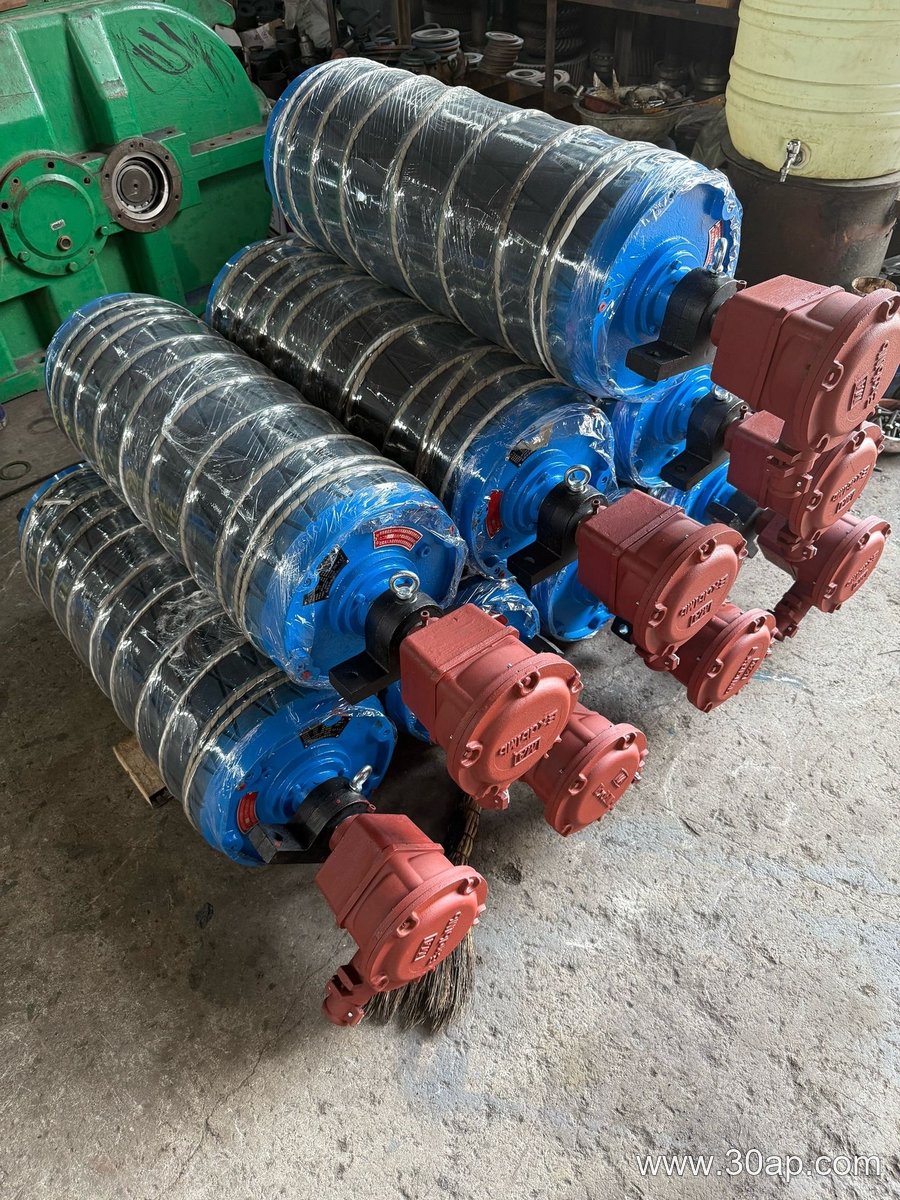
You will find welded and machined pulleys in limestone mines, sand and gravel lines, and tunnel muck removal. In a coal preparation plant, a tail pulley may run in a wet, abrasive environment, so the welds must resist corrosion fatigue. In a concrete batching plant, a small bend pulley may guide the belt around a tight curve. The same basic welding and machining steps apply, but the duty cycle and the material being conveyed change the specification.
What a Buyer Should Check
Ask for the weld procedure specification, the machining tolerances, and the balance grade if the pulley will run at high speed. Confirm the shaft diameter is based on torque and load, not on a guess from belt width. Check that the face width suits your conveyor belt and that the lagging type matches your traction needs. Also confirm that the pulley is balanced with the shaft and that the keyway is cut to the correct standard. A conveyor pulley that is welded and machined well will protect the conveyor belt, reduce downtime, and keep the idler roller and conveyor bracket loads within design limits.
Maintenance Notes After Installation
Even a well-made pulley needs attention. Inspect welds for cracks during scheduled shutdowns, especially around the hub and end disc. Check lagging for wear or separation. Verify that the pulley still runs true and that the bearings are not overheating. If a pulley is removed for repair, re-machining the outside diameter may be possible, but the shaft and hub welds should be re-inspected before returning it to service.