What an Ore Conveyor Pulley Does
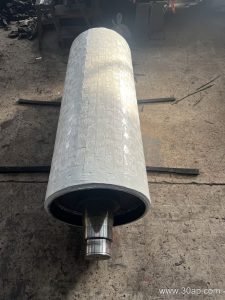
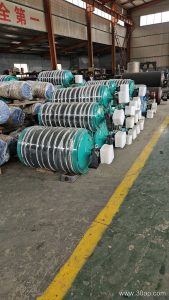
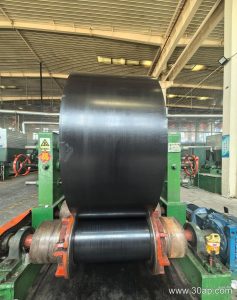
In a crushing circuit or a limestone quarry, the belt that carries raw material rarely moves on its own. An ore conveyor pulley provides the rotating contact surface that drives, redirects, or tensions the conveyor belt. It is a cylindrical shell with shafts, hubs, and often a lagging surface, mounted on a conveyor bracket or frame. Unlike an idler roller, which supports the belt along the carrying run, this pulley sits at key transition points and transfers force or changes belt direction.
The same component is sometimes called a conveyor drum pulley or simply a belt pulley. Those terms describe the same assembly, but they do not mean every pulley is interchangeable. A drive pulley, a tail pulley, and a bend pulley each perform a different job, and replacing one with another can change belt tracking, tension, and drive capacity.
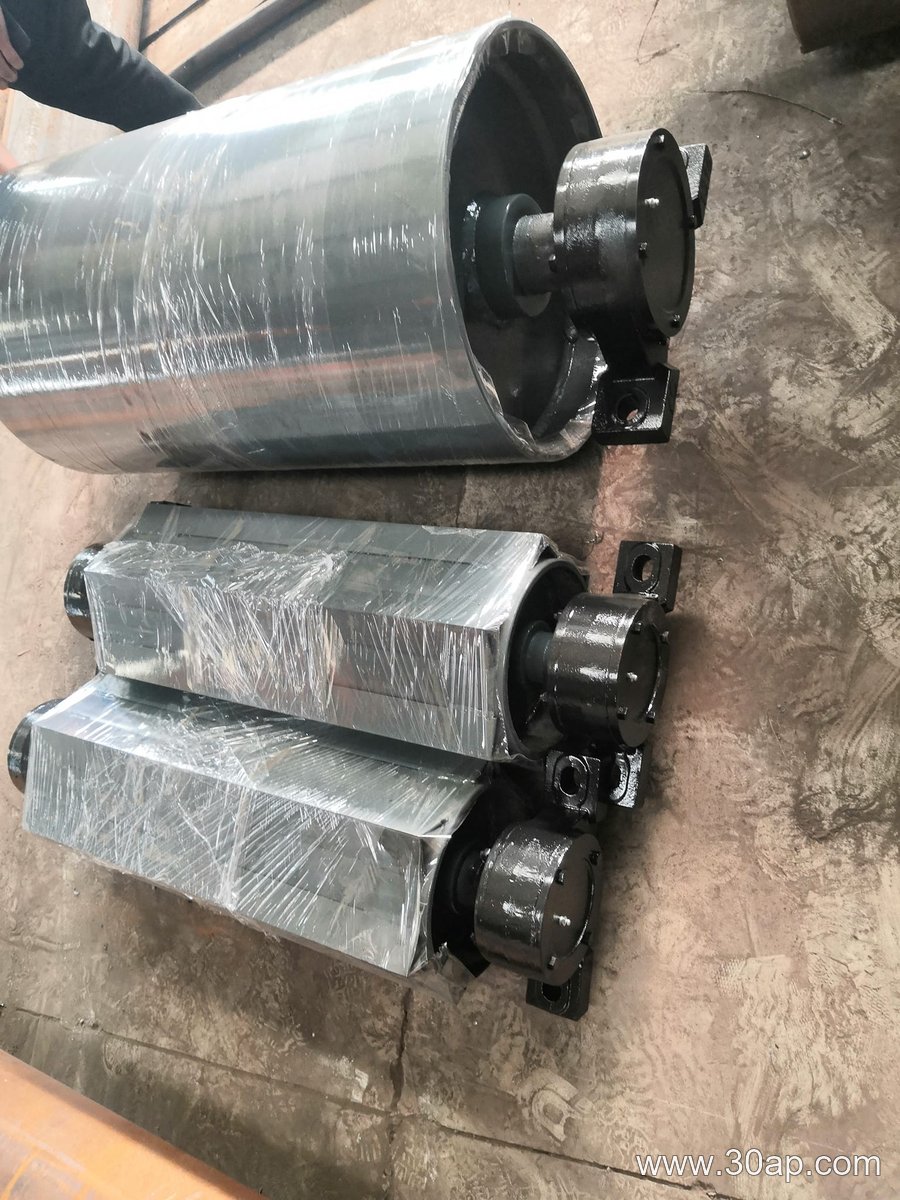
How It Is Built
A typical ore conveyor pulley starts with a steel tube or fabricated shell. The shaft is sized by torque and load, not by belt width alone. Common shaft diameters include Ø50, Ø60, Ø80, Ø100, Ø120, Ø160, and Ø200, though the final value comes from the drive design and bearing calculation. The shell is welded to end discs and hubs, then machined to keep the face true.
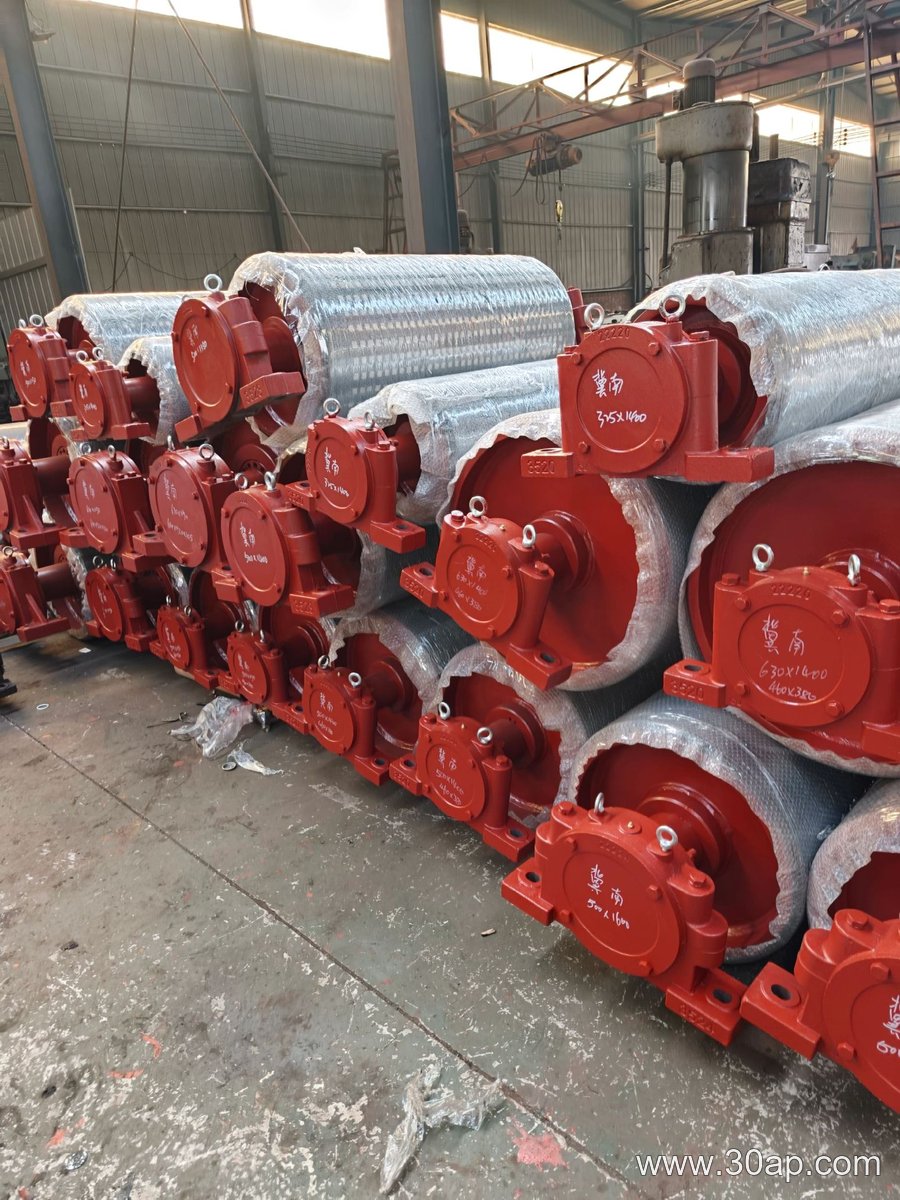
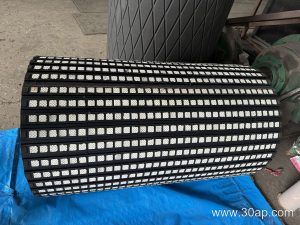
Surface treatment matters in abrasive service. Options include plain steel, cold-bonded rubber, hot vulcanized rubber, diamond grooving, herringbone grooving, and ceramic lagging. Lagging thickness is often 8, 10, 12, 15, or 20 mm, selected for grip and wear life rather than as a fixed rule.
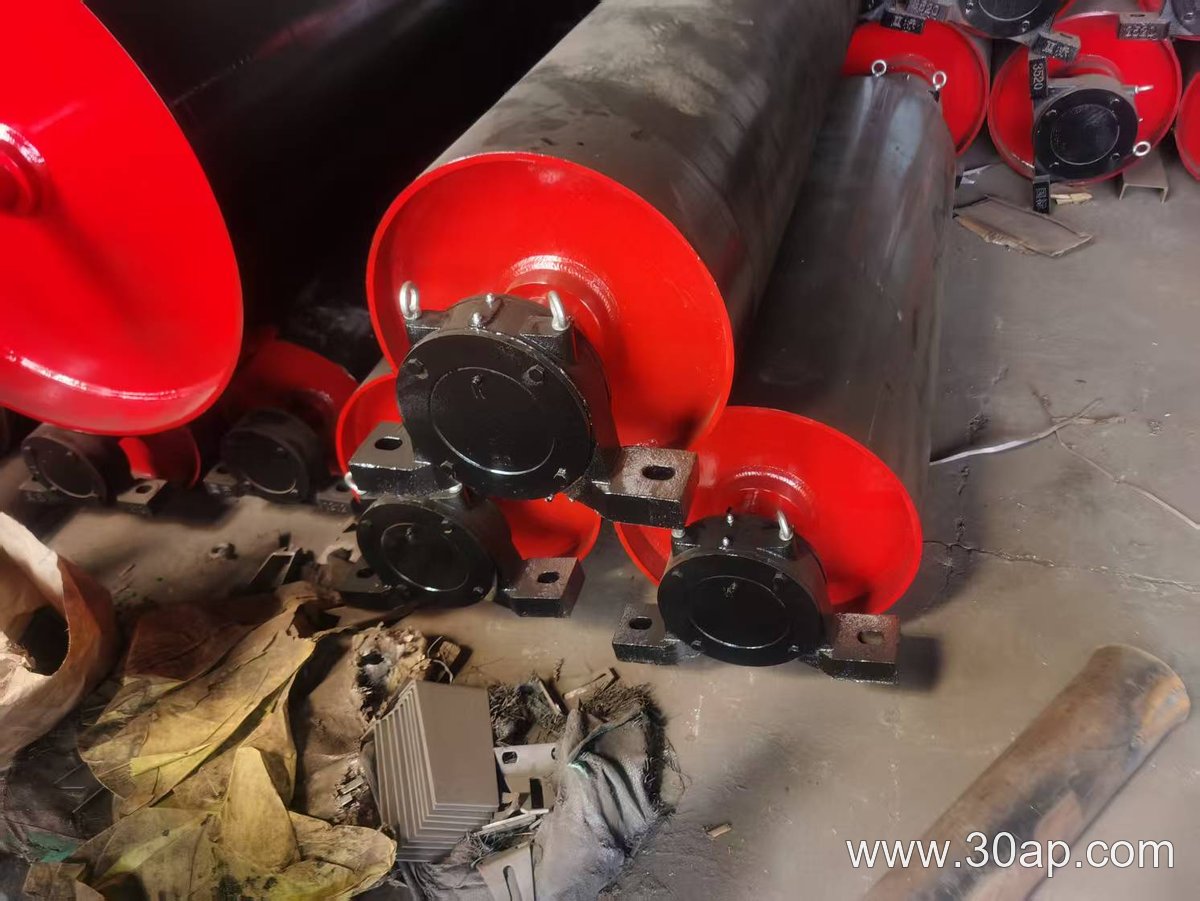
Where It Fits in the System
Ore handling covers a wide range of layouts. In a copper mine, the head pulley discharges onto a stockpile or transfer chute. In a coal preparation plant, a tail pulley keeps the return belt aligned. A cement plant clinker line may use a bend pulley to route the belt around an obstacle, while a power station coal yard relies on a drive pulley to pull the loaded belt uphill. Sand and gravel plants, tunnel muck removal, and port bulk terminals all use similar arrangements.
Position determines duty. A drive or head pulley transmits the highest torque and usually needs the most robust lagging. A tail pulley often runs slower and may use a plain surface. A bend or snub pulley changes direction with less wrap, so its shell can be lighter. A take-up or tension pulley adjusts belt slack, and a wing pulley is sometimes chosen at the tail to shed sticky material.
Common Sizes and Combinations
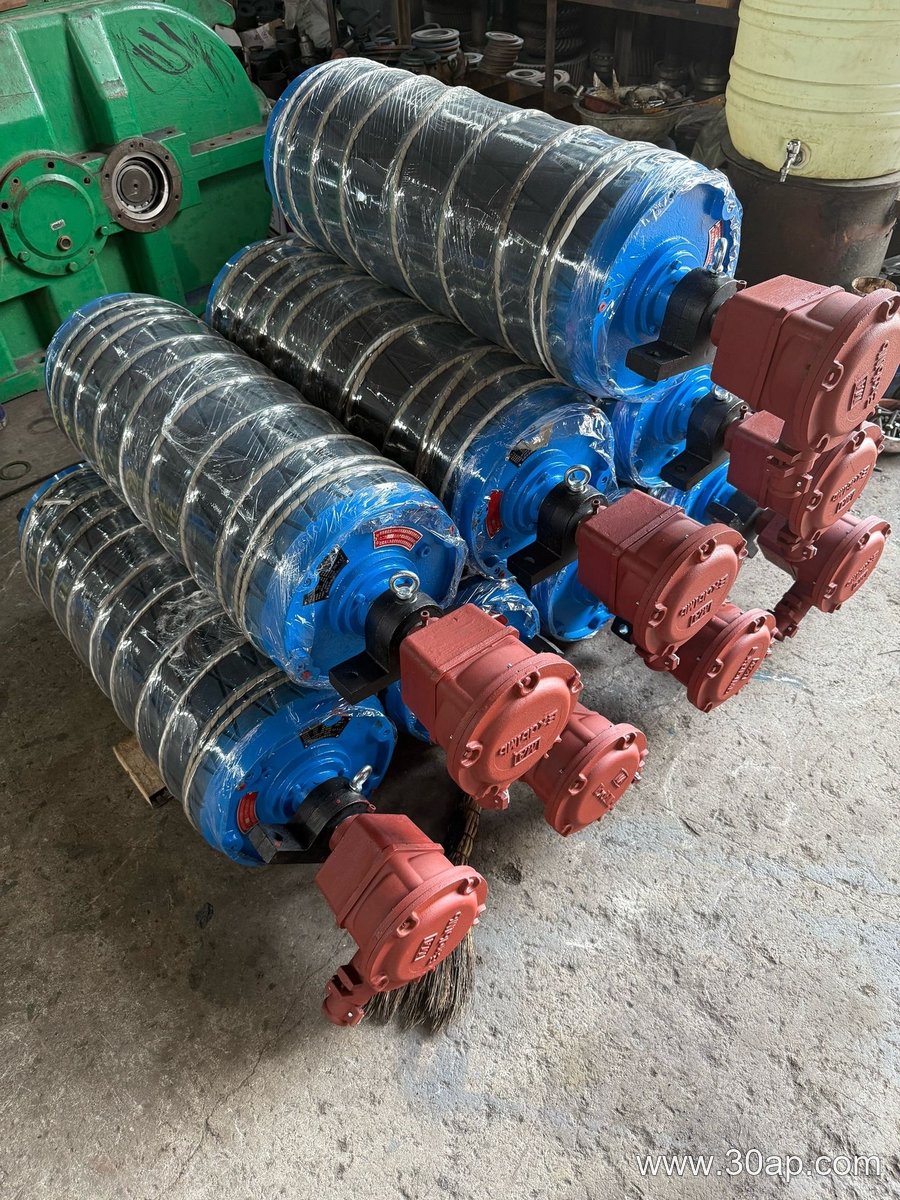
Belt width and pulley diameter are related but not locked together. A B800 belt may run on a Ø500 pulley in one plant and a Ø630 pulley in another, depending on wrap angle, belt tension, and material load. The table below shows reference combinations, not mandatory matches.
| Belt Width | Typical Pulley Diameter | Typical Face Width |
|---|---|---|
| B400 | Ø200, Ø250, Ø315 | about 500 mm |
| B650 | Ø315, Ø400, Ø500 | about 750 mm |
| B800 | Ø400, Ø500, Ø630 | about 950 mm |
| B1000 | Ø500, Ø630, Ø800 | about 1150 mm |
| B1200 | Ø630, Ø800, Ø1000 | about 1400 mm |
| B1400 | Ø800, Ø1000, Ø1250 | about 1600 mm |
| B1600 | Ø1000, Ø1250, Ø1400 | about 1800 mm |
| B1800 | Ø1250, Ø1400, Ø1600 | about 2000 mm |
Larger diameters are also available for high-tension installations, including Ø1800 in some heavy-duty conveyors. The face width is normally wider than the belt so the belt can track without rubbing the edges.
What a Buyer Should Check
- Confirm the pulley role: drive, tail, bend, take-up, or snub. Each has a different load profile.
- Match the shaft diameter to the actual torque and bearing load. Do not assume a fixed shaft size from belt width.
- Choose lagging by material and moisture. Abrasive ore may favor ceramic or thick rubber; a clean, dry belt may run well with plain steel.
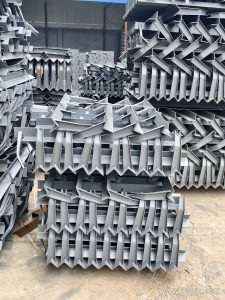
- Check the conveyor bracket and bearing housing dimensions before ordering, since mounting centers vary between manufacturers.
- Ask for the balancing grade and runout if the pulley will operate at high speed.
An ore conveyor pulley is a wear part and a power transmission part at the same time. Getting the type, diameter, lagging, and shaft right helps the belt run straight, reduces slip, and keeps the whole conveying line productive.