What a Fabric Core Conveyor Belt Is
A fabric core conveyor belt is a composite belting product in which multiple layers of woven fabric—typically EP (polyester warp, nylon weft) or NN (nylon warp, nylon weft)—are bonded together with rubber skim layers and covered on both faces with rubber covers. The fabric layers, often called plies, carry the tensile load, while the rubber covers protect the carcass from abrasion, impact, heat, oil, or moisture. This construction makes it a versatile choice for bulk material handling in mines, coal preparation plants, cement works, power stations, quarries, and sand and aggregate yards.
In everyday plant language, the same product may be called an EP fabric core belt or an NN fabric core belt, depending on the fabric used. When higher tension is needed than fabric plies can reasonably provide, a steel cord conveyor belt becomes the alternative; it is not a substitute for the fabric core type in the same duty range, but a different carcass family for heavier loads and longer centers.
How the Belt Is Built
The carcass is the heart of the design. Common configurations range from 2 to 6 fabric plies, with rubber skim compound between each layer. Cover thickness is usually specified as top cover plus bottom cover, for example 4+2 mm, 5+2 mm, 6+2 mm, or 8+3 mm. The top cover faces the material and takes the abrasion and impact; the bottom cover runs over the idler rollers and drive pulley. Edge construction—cut edge or molded edge—affects resistance to fraying and moisture ingress.
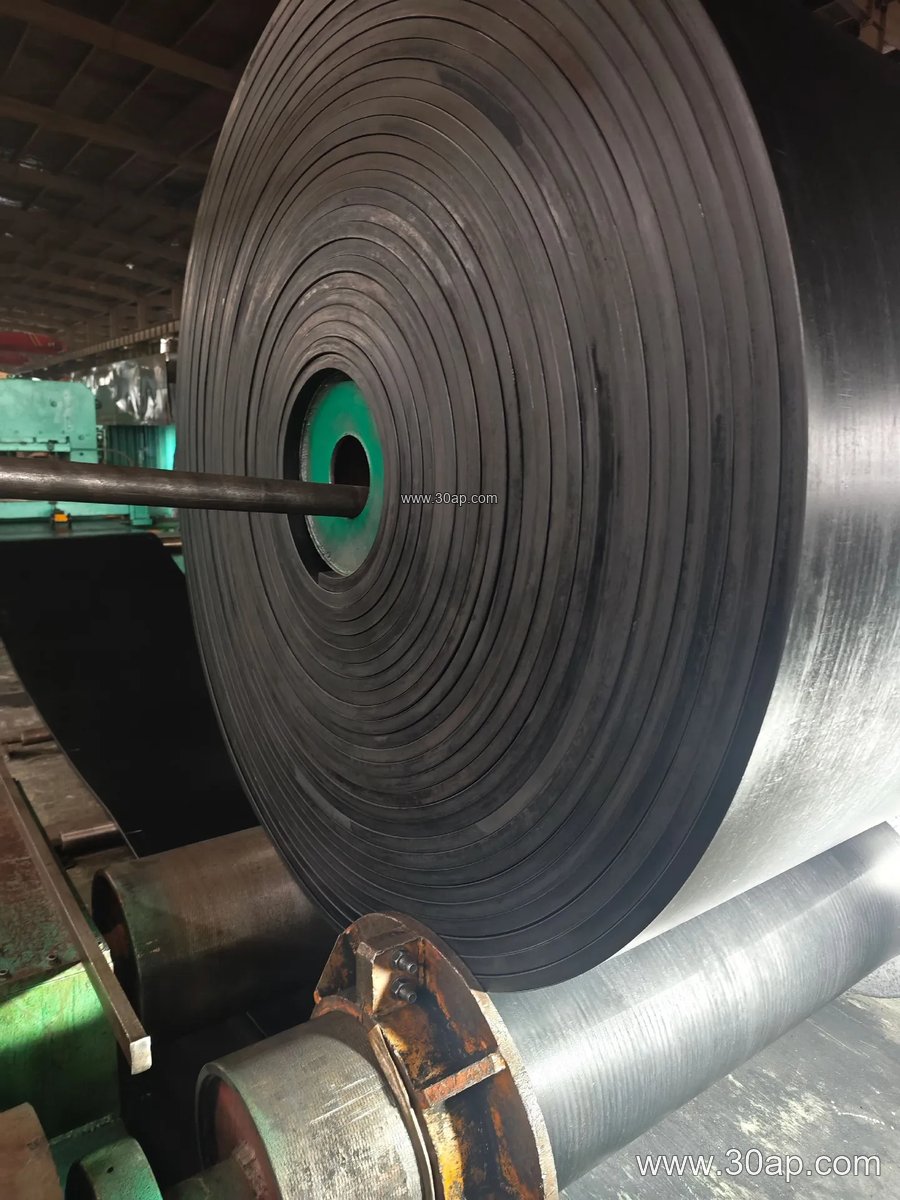
Fabric core belts are available with a range of rubber compounds to suit the duty. An abrasion resistant conveyor belt grade is common in quarry and crusher circuits. Heat resistant and flame retardant grades appear in cement kiln feed, clinker handling, and underground coal mining conveyors. Oil resistant and cold resistant covers serve specific plant conditions. Anti-static properties are often requested where dust or gas hazards exist.
Typical Specifications and Strength Grades
Fabric core belting is normally designated by carcass type and nominal tensile strength per unit width. EP grades such as EP200, EP400, EP630, EP800, EP1000, and EP1250 are widely referenced; NN grades follow a similar naming pattern. Belt width is selected to suit the conveyor design and the lump size of the material, with B500, B650, B800, B1000, B1200, B1400, B1600, and B1800 being common in bulk handling. The values below are reference data only; final specifications should be confirmed with the belt manufacturer and the conveyor designer.
| Parameter | Common Reference Range |
|---|---|
| Carcass type | EP fabric, NN fabric |
| Number of plies | 2 to 6 |
| Nominal strength grades | EP200, EP400, EP630, EP800, EP1000, EP1250, EP1600 |
| Belt width | B500, B650, B800, B1000, B1200, B1400, B1600, B1800 |
| Cover thickness examples | 3+1.5 mm, 4+2 mm, 5+2 mm, 6+2 mm, 8+3 mm |
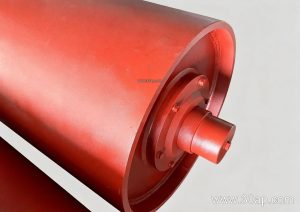
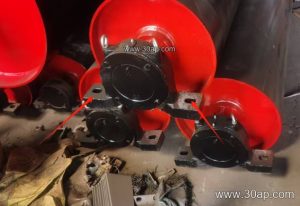
Belt width and pulley diameter are separate design decisions; a given width does not fix a single pulley size. The drive pulley, tail pulley, and bend pulleys are selected from the belt tension, wrap angle, and shaft load, not from width alone.
Where It Is Used
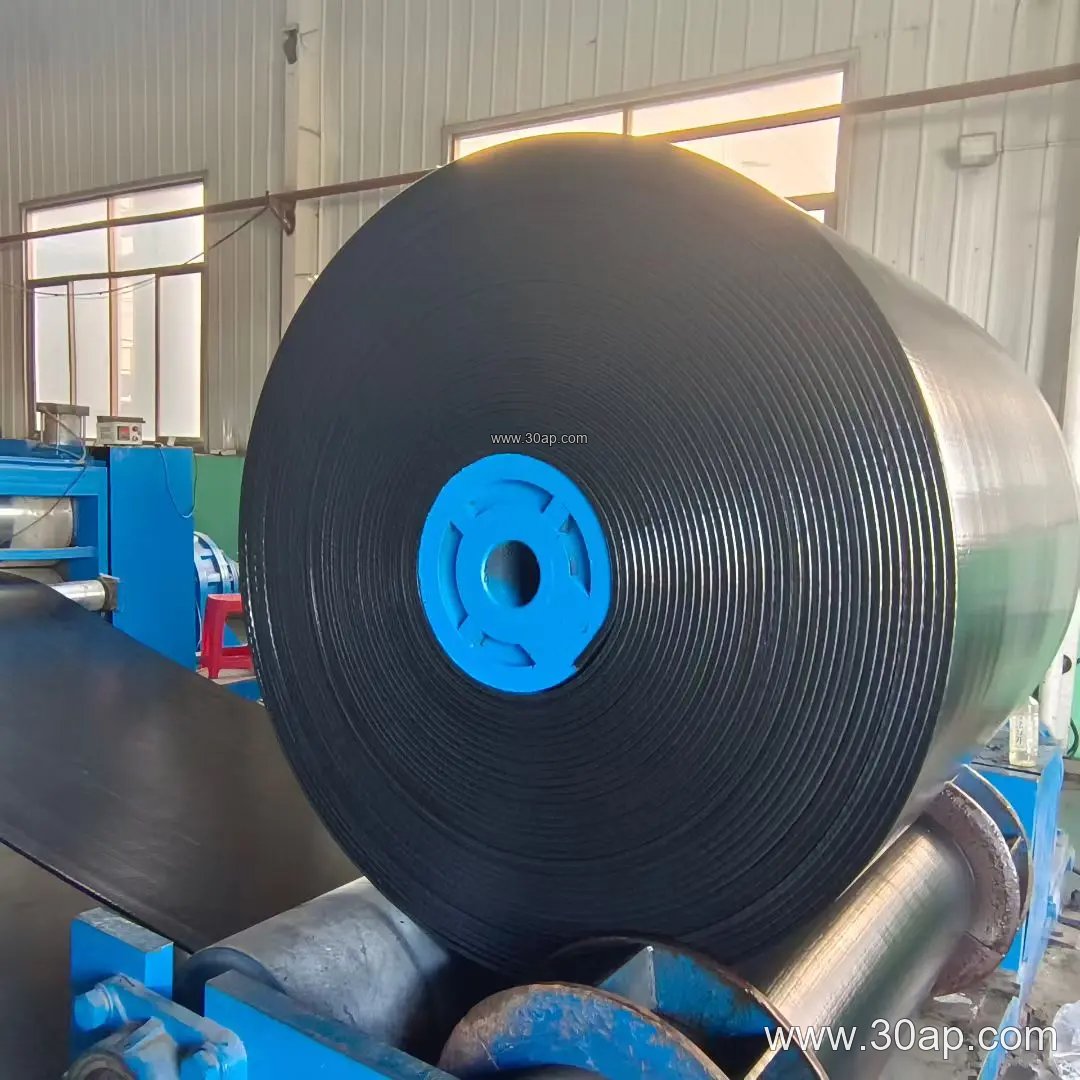
Fabric core belts appear across many industries. In mining and coal mining, flame retardant and anti-static grades are common for underground mining conveyors and coal mining conveyor belts. Cement plants use heat resistant belting for clinker and raw meal. Power plants rely on abrasion resistant and oil resistant covers for coal and ash handling. Quarries and sand making plants use heavy-duty fabric core belts in crusher conveyor and screen feed duties. Ports and ship loading terminals use wide belts, sometimes B1800 or B2000, to move bulk material at high capacity.
Specialty versions extend the range: a chevron conveyor belt or corrugated sidewall belt handles steep inclines, a skirted belt contains material at transfer points, and a pipe conveyor belt encloses the load for dust control. These are distinct designs, not replacements for the standard fabric core belt, but they share the same carcass principles. An endless conveyor belt made from fabric core stock is also common where a joint-free loop is preferred.
What a Buyer Should Check
- Confirm the actual duty: material type, lump size, temperature, oil or chemical exposure, and whether flame resistance or anti-static properties are required.
- Match the strength grade and number of plies to the calculated belt tension, not to habit or to a neighboring conveyor.
- Specify cover thickness and compound for the top and bottom faces separately; the top cover usually wears faster.
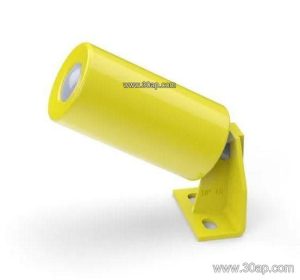
- Check pulley diameters, idler roller spacing, and conveyor bracket layout with the belt supplier, since these affect belt life and tracking.
- Ask for the joint method—vulcanized splice or mechanical fastener—and confirm it suits the belt construction and the available space.
- For wide belts, confirm edge construction and transverse rigidity with the manufacturer.
Whether the plant handles ore, clinker, coal, or aggregate, the fabric core conveyor belt remains a practical, repairable, and widely supported choice for medium to high tension conveying duties.