What Idler Price Covers in a Conveyor Line
Idler price is the cost of the carrying and return rollers that support the conveyor belt along its route. In a quarry, cement plant, or coal handling system, these components are bought in volume, so the quote depends on roller diameter, length, bearing type, shell material, and the number of frames. A single idler roller may seem simple, but the final idler price reflects machining, sealing, balancing, and the surface form needed for the duty. Buyers comparing idler price for a 1200mm wide conveyor belt will find that the same roller diameter can carry different prices when the bearing class or rubber disc changes.
How an Idler Roller Is Built and Why It Affects Cost
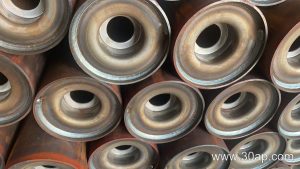
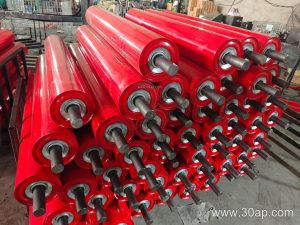
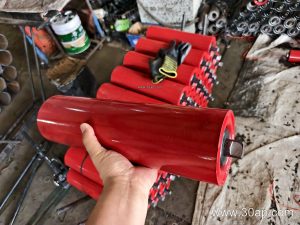
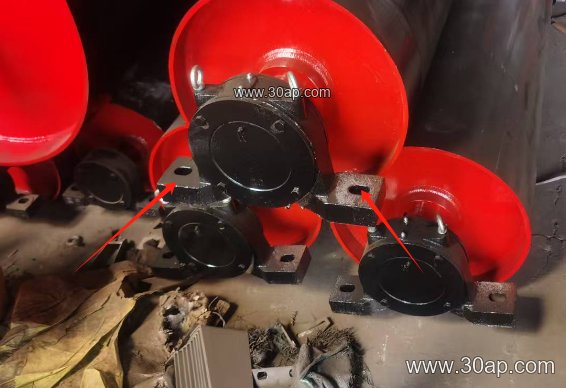
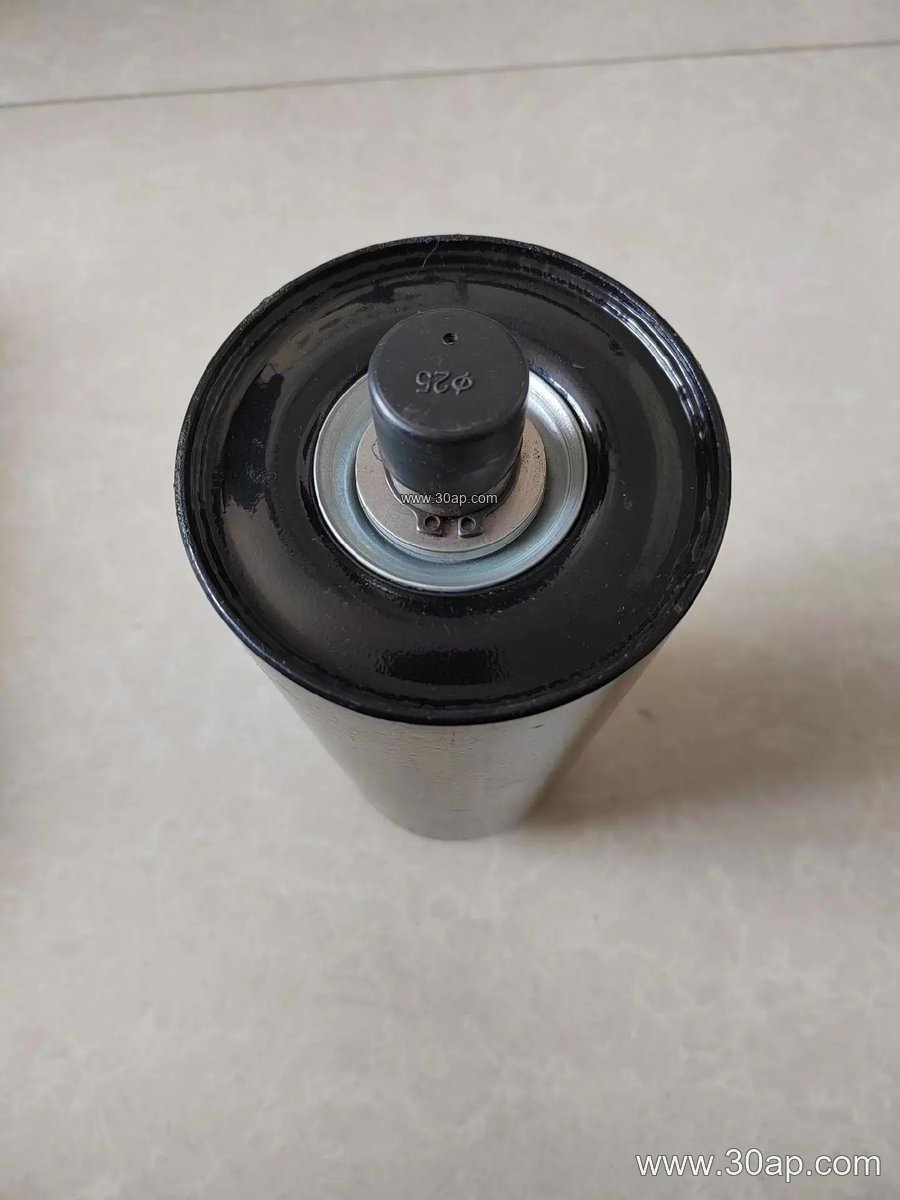
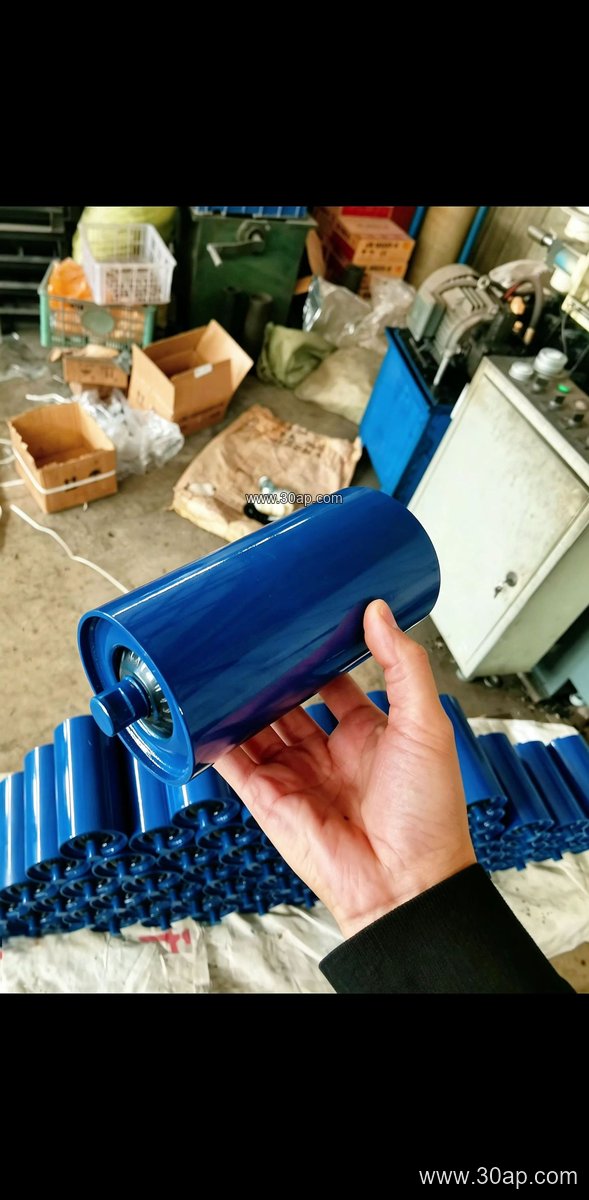
An idler roller usually has a steel tube shell, a shaft, two bearing housings, and a sealing system. The shell may be plain steel, nylon-coated, ceramic-lined, or fitted with rubber rings for impact absorption. Bearings such as 6204, 6205, 6305, 6306, 6308, or 6310 are common, but the bearing size must match the shaft and load, not just the roller diameter. A triplex sealed bearing and a labyrinth seal raise the idler price compared with a simple dust cover, yet they extend service life in dusty aggregate or ore handling. The roller length follows belt width, trough angle, and frame type. For a three-roll trough set, common examples are about 200 mm roll for B500, 315 mm for B800, 380 mm for B1000, and 465 mm for B1200. These are reference examples, not fixed matches.
Where Idler Price Matters Most in the Plant
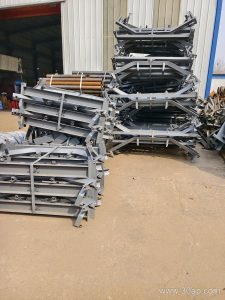
In a limestone quarry or sand and gravel line, carrying idlers run under a heavy load and wear from abrasive rock. The idler price for impact idlers with rubber rings is higher than for standard trough idlers, but they protect the belt at transfer points. In a coal preparation plant or power plant coal yard, flame retardant conveyor belt and anti-static properties are often specified, and the idler price may include static-conductive components. Return idlers and V-return idlers are priced differently from trough sets because they use fewer rolls and a simpler frame. A buyer should also account for conveyor bracket cost and installation time, not just the roller unit price.
Common Idler Types and Their Price Drivers
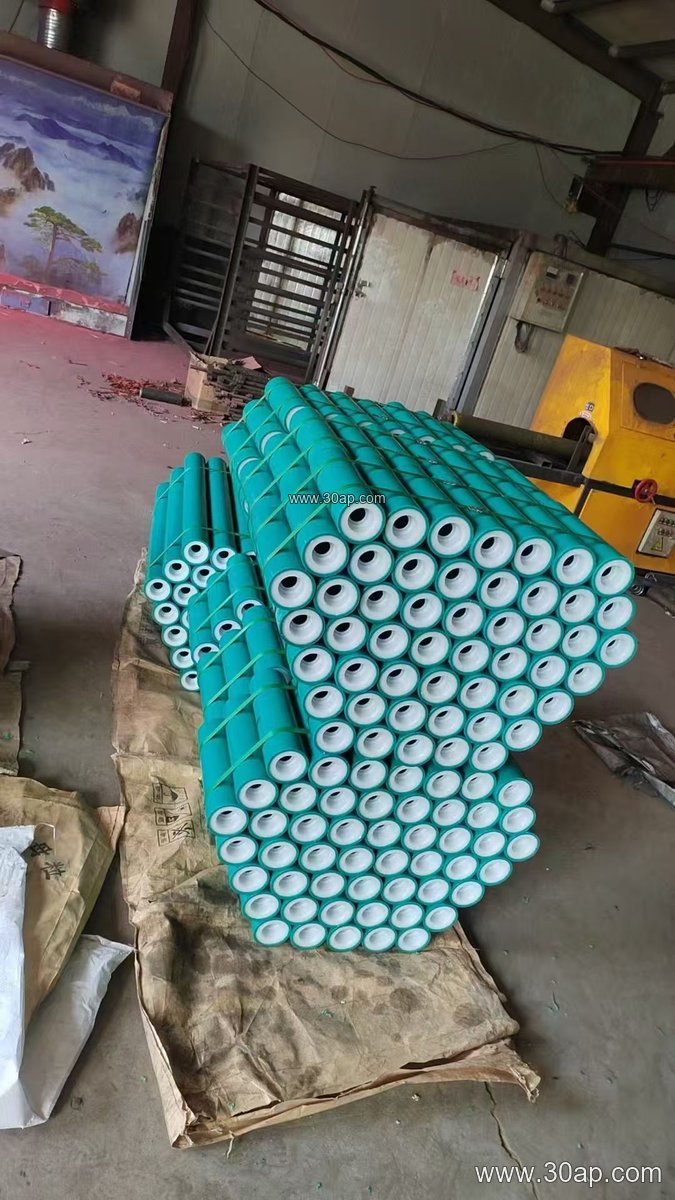
The table below groups common idler forms. Values are typical references and should be confirmed by design for each conveyor.
| Idler Type | Typical Roll Diameter | Common Belt Width Range | Main Price Driver |
|---|---|---|---|
| Trough idler (3-roll) | Ø89 to Ø159 | B500 to B1800 | Roll length, bearing class, shell thickness |
| Impact idler with rubber rings | Ø102 to Ø159 | B650 to B1400 | Rubber ring count and hardness |
| Return idler (flat or V) | Ø89 to Ø133 | B500 to B1600 | Frame type and seal quality |
| Self-aligning idler | Ø89 to Ø159 | B650 to B1800 | Pivot mechanism and roller finish |
Trough angles of 20, 30, 35, and 45 degrees change the side roll length and therefore the idler price. A 35-degree trough set on a B1000 conveyor may use a different roll length than a 20-degree set, even with the same diameter. Forward tilt of about 1.5 to 2 degrees is used on some self-aligning idlers and adds machining cost. Spiral idlers and comb idlers are selected for sticky material, and their price reflects the special shell profile.
Buyer Checklist Before Accepting an Idler Price
- Confirm the belt width and trough angle, because roll length and frame geometry follow these two values.
- State the bearing brand or class and the sealing method; a low idler price often hides a basic dust seal.
- Check the shell material and thickness for abrasive service such as iron ore or copper ore handling.
- Ask whether the quote includes conveyor bracket, mounting bolts, and alignment shims.
- For high-temperature or oil-exposed zones, verify that the roller lubricant and seal material match the environment.
An idler price is only one part of the conveyor operating cost. A slightly higher-priced sealed roller may last longer in a cement plant or underground coal mining conveyor, reducing replacement labor. Buyers should request dimensional drawings and bearing data rather than compare a single number. The same idler roller can be quoted with different shafts, so the shaft diameter must come from the conveyor design, not from belt width alone. For a complete picture, match idler price with the conveyor pulley and conveyor belt specification before placing an order.