What a Large Conveyor Idler Does on a Belt Line
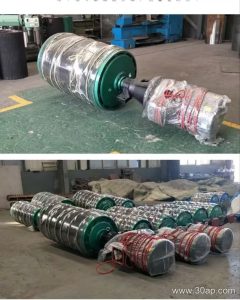
A large conveyor idler is a rotating roller built to carry the belt and the material on it. The word large usually refers to a combination of bigger roller diameter, longer shell, and heavier bearing capacity than a standard idler used on a small conveyor. The same item is also called a large idler roller in many workshops. It does not drive the belt and it does not change the belt direction on its own. It supports the belt between the head and tail ends, keeps the belt profile stable, and lets the belt move with low resistance. Drive pulley, tail pulley, and bend pulley are different components with different jobs, so they are not interchangeable with a large conveyor idler.
How the Roller Is Built
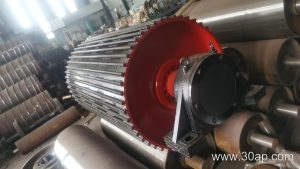
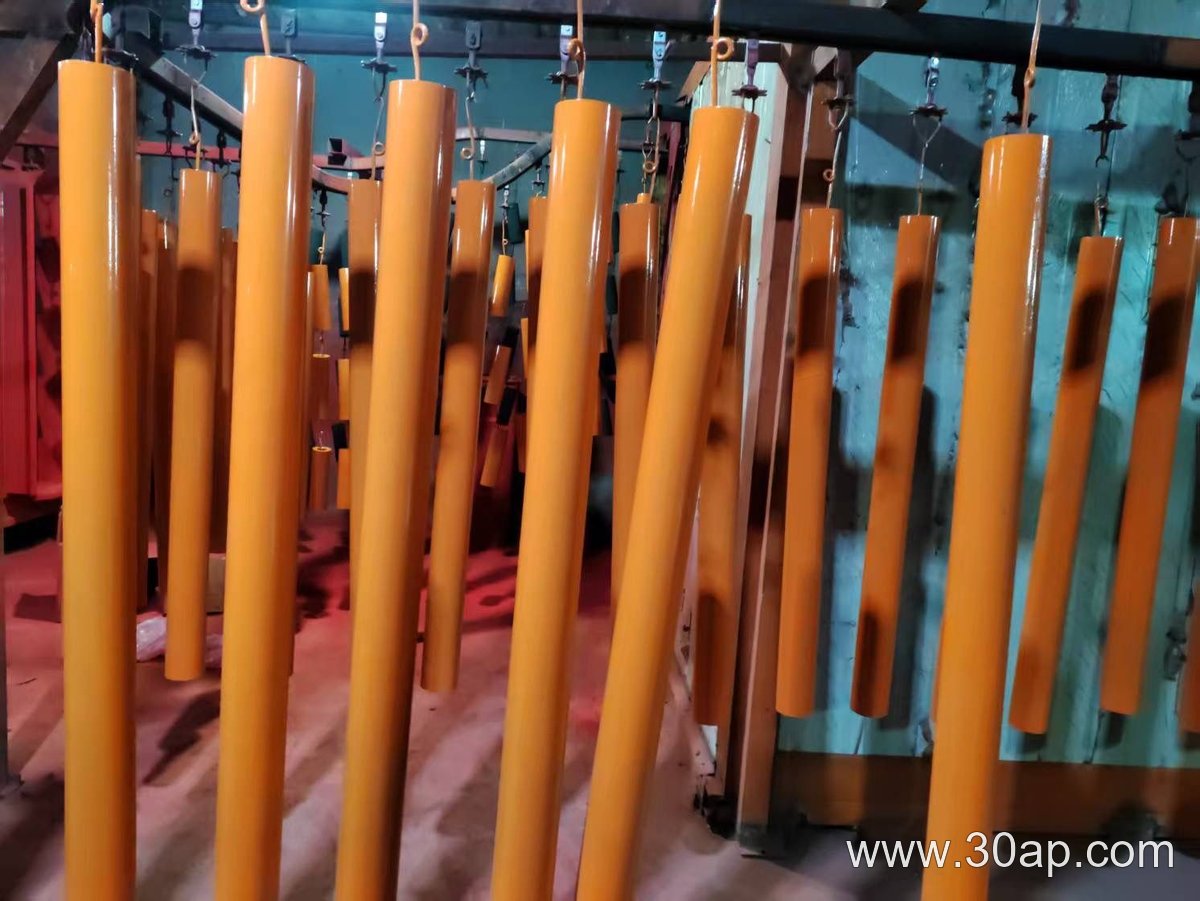
A typical large conveyor idler has a steel tube shell, a shaft that runs through the center, bearing housings at both ends, and a seal package to keep dust and water away from the bearings. The shell surface is often plain steel, but rubber rings, nylon, or ceramic coatings are used when the belt needs more grip, less wear, or better protection from impact. Common roller diameters for heavier work include 133 mm, 159 mm, 178 mm, 194 mm, and 219 mm. Smaller diameters such as 89 mm or 108 mm appear on lighter lines, while 127 mm and 133 mm are often seen as a middle ground. These values are examples, not a fixed rule. The shaft diameter is determined by load, span, and bearing selection, not by belt width alone. Bearings such as 6305, 6306, 6308, and 6310 are chosen to match the load and the housing design.
Where Large Idlers Are Used
Heavy belt conveyors in a quarry or a copper mine often use large conveyor idlers on the carrying side because the material is lumpy and the belt is wide. In a coal handling system at a power plant, the same type of roller may appear on the return side to support the empty belt and reduce sag. The exact position depends on the conveyor profile. On a long overland line, the idler spacing and roller size are set by the belt tension and the load per meter. A conveyor bracket holds the idler in place and sets the trough angle of a three-roll set. The trough angle is often 20, 30, 35, or 45 degrees. A transition idler near the head or tail may use a different angle to guide the belt smoothly.
Choosing the Right Roller for the Job
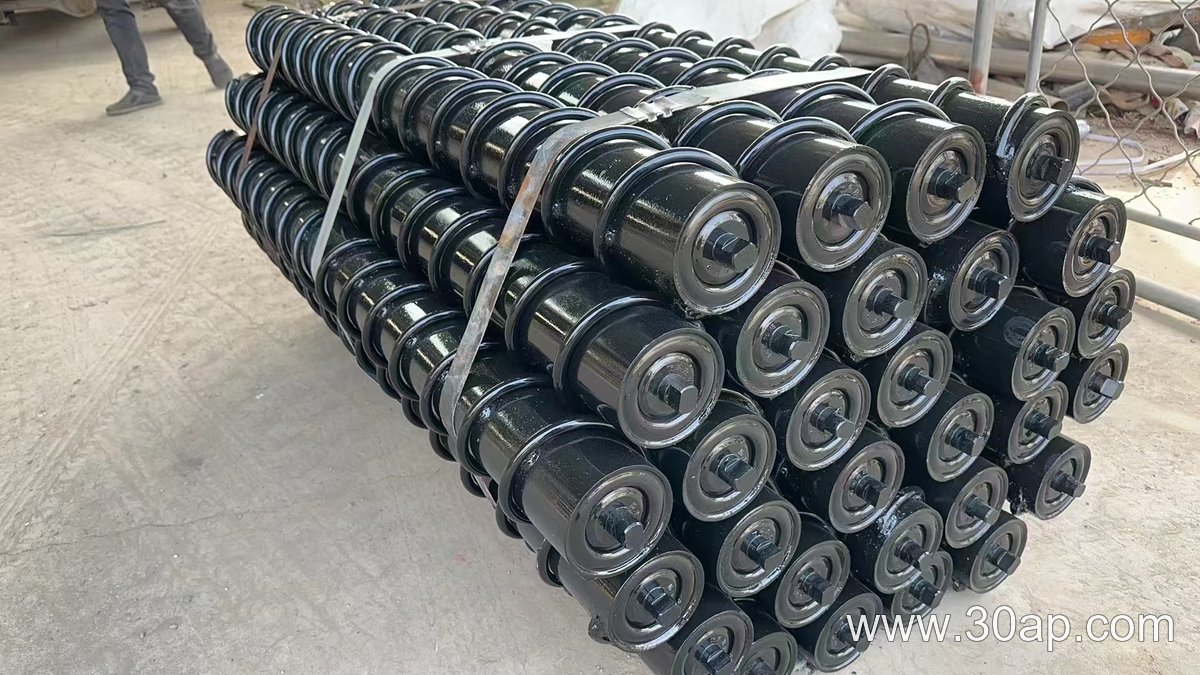
Buyers should look at four things: the belt width, the material being carried, the environment, and the maintenance plan. Belt widths such as B800, B1000, B1200, B1400, and B1600 are common on heavy lines, but the roller length also depends on the trough angle and whether the set has two or three rolls. For a three-roll troughing set, a B1000 belt often uses a side roller around 380 mm long, while a B1400 belt may use a side roller around 530 mm. The center roller can be different from the side rollers. Do not assume that one belt width matches only one pulley diameter or one roller diameter. If the material is abrasive, a rubber ring or ceramic surface can extend service life. If the belt is hot, the seal and grease must be selected for that condition. If the conveyor runs in a wet or dusty area, a good labyrinth seal is more important than a thick shell.
Maintenance and Replacement Notes
A large conveyor idler should turn freely by hand. If it drags, vibrates, or makes noise, the bearing or seal may be failing. Replacing one bad roller early is cheaper than letting it wear the conveyor belt. Check the idler roller for play, check the bracket for alignment, and check that the belt does not rub the structure. Keep a few spare rollers in the store, but do not mix sizes on the same conveyor without checking the design. The goal is simple: keep the belt supported, keep the material moving, and keep the downtime low.