What a PVC Conveyor Belt Is
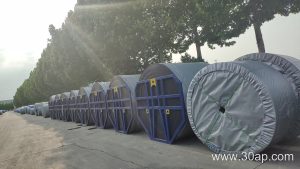
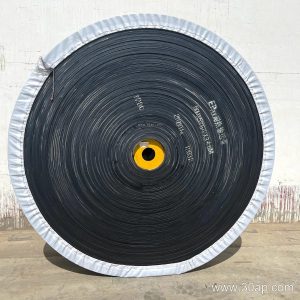
A PVC conveyor belt is a lightweight belt whose load-carrying body and cover are built around polyvinyl chloride rather than rubber. In many plants it is simply called a PVC belt, and buyers may also see it listed as a PVC conveyor belt in supplier catalogs. It is a distinct product from rubber-covered belting, so it should not be confused with a Rubber Conveyor Belt or an EP Conveyor Belt when a project is being specified.
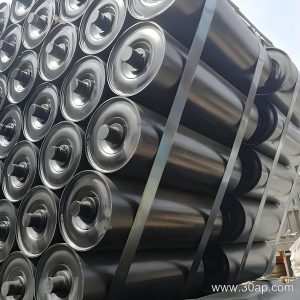
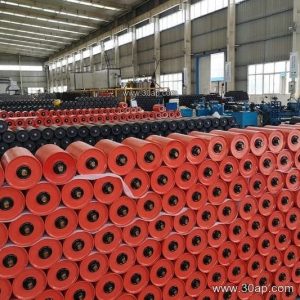
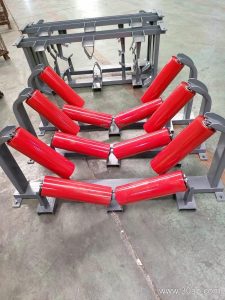
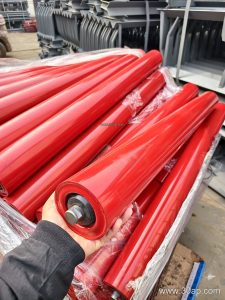
The belt is common in food processing, packaging, light assembly, recycling lines and general material handling where a clean, flexible and easy-to-clean surface matters. On a typical conveyor frame it runs over an idler roller or a series of rollers and is driven through a conveyor pulley, with the conveyor bracket and frame holding the whole assembly in line.
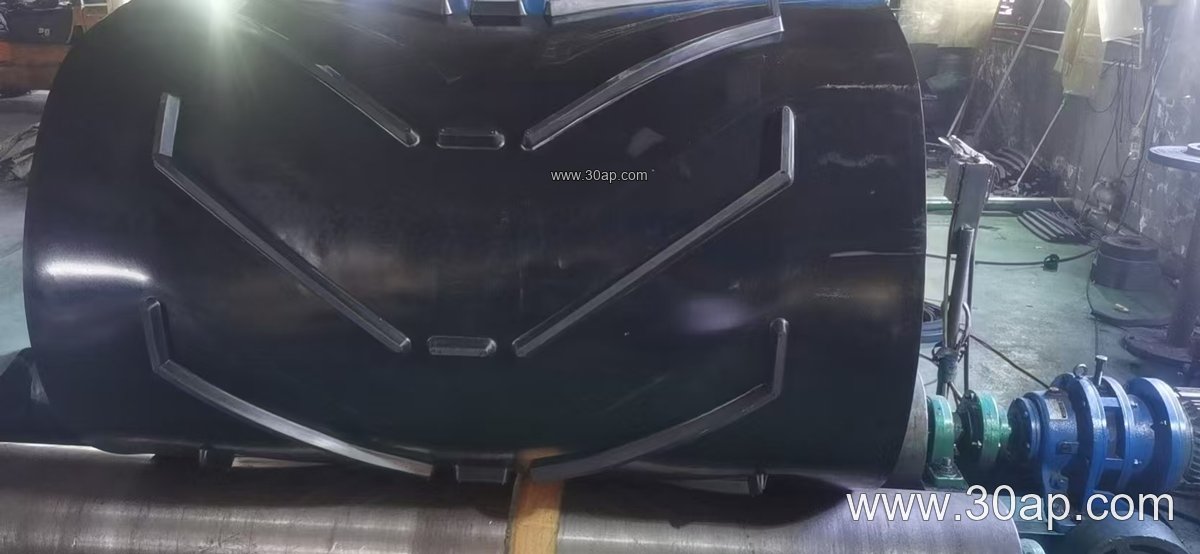
How the Belt Is Built
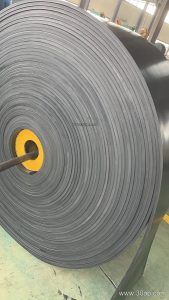
Most PVC belting uses a fabric core for tensile strength, coated on one or both faces with PVC. The carcass may be a plain woven fabric or a multi-ply construction, and the cover can be smooth, matte or lightly textured depending on the product being carried. The belt edges are usually sealed, and many designs are supplied as an Endless Conveyor Belt for applications where a joint would catch or where hygiene is important.
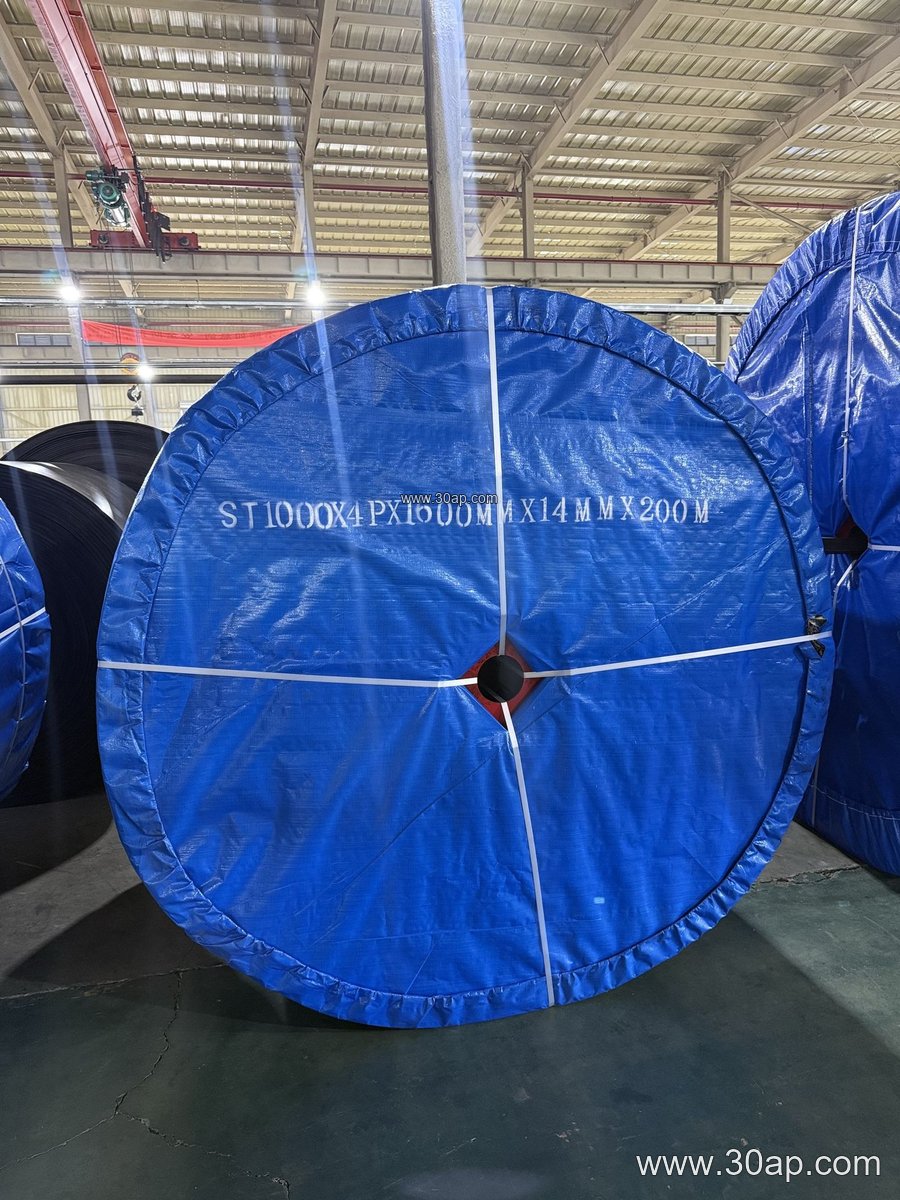
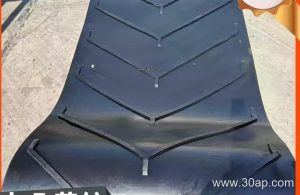
The cover thickness and fabric layers are chosen together. Light conveying may use a thin cover on a single fabric layer, while heavier loads call for a thicker cover and a stronger carcass. Surface options include cleats, guide profiles and side walls for inclined runs, though these are separate features added to the base belt rather than a different material.
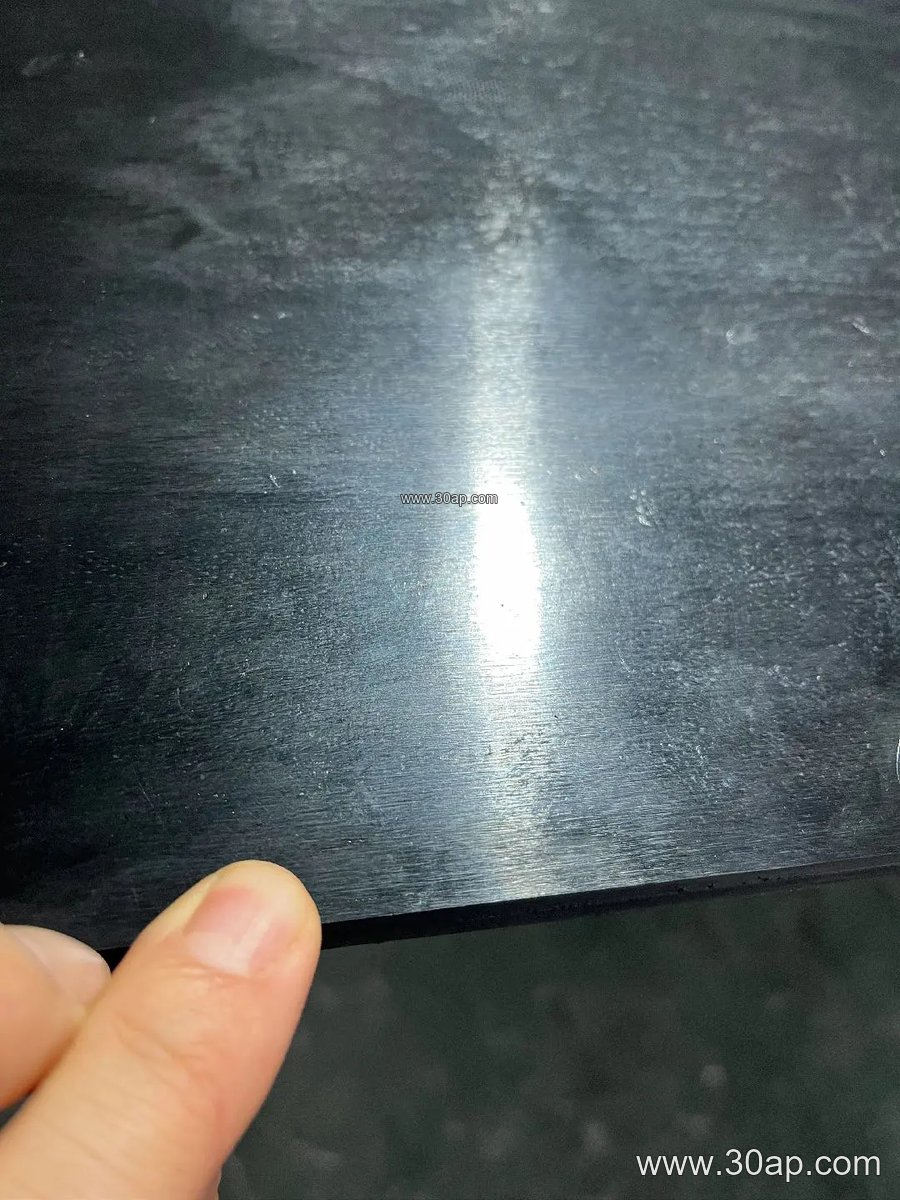
Typical Service Conditions
PVC belting suits moderate temperatures and dry or lightly damp conditions. It is often selected for food-grade lines, parcel handling, sorting stations and small-parts transport. Where the load is abrasive or the belt must survive oily or chemical exposure, a different compound may be needed; a Rubber Conveyor Belt, an Oil Resistant Conveyor Belt or a Chemical Resistant Conveyor Belt is generally the better match in those cases.
For heavy bulk duty in a quarry, coal preparation plant, cement works or power station, fabric-reinforced rubber belting is the usual choice. A Steel Cord Conveyor Belt or a Multi-Ply Fabric Core Conveyor Belt carries far higher tensions than a PVC belt is designed for. That comparison matters because a PVC belt should not be substituted into a high-tension main haulage line simply because it is lighter and easier to handle.
Widths, Thickness and Related Data
PVC belting is made in a range of widths and thicknesses, and the correct figure is set by the conveyor design, the pulley face and the load. The table below shows common reference sizes; actual supply depends on the manufacturer and the application.
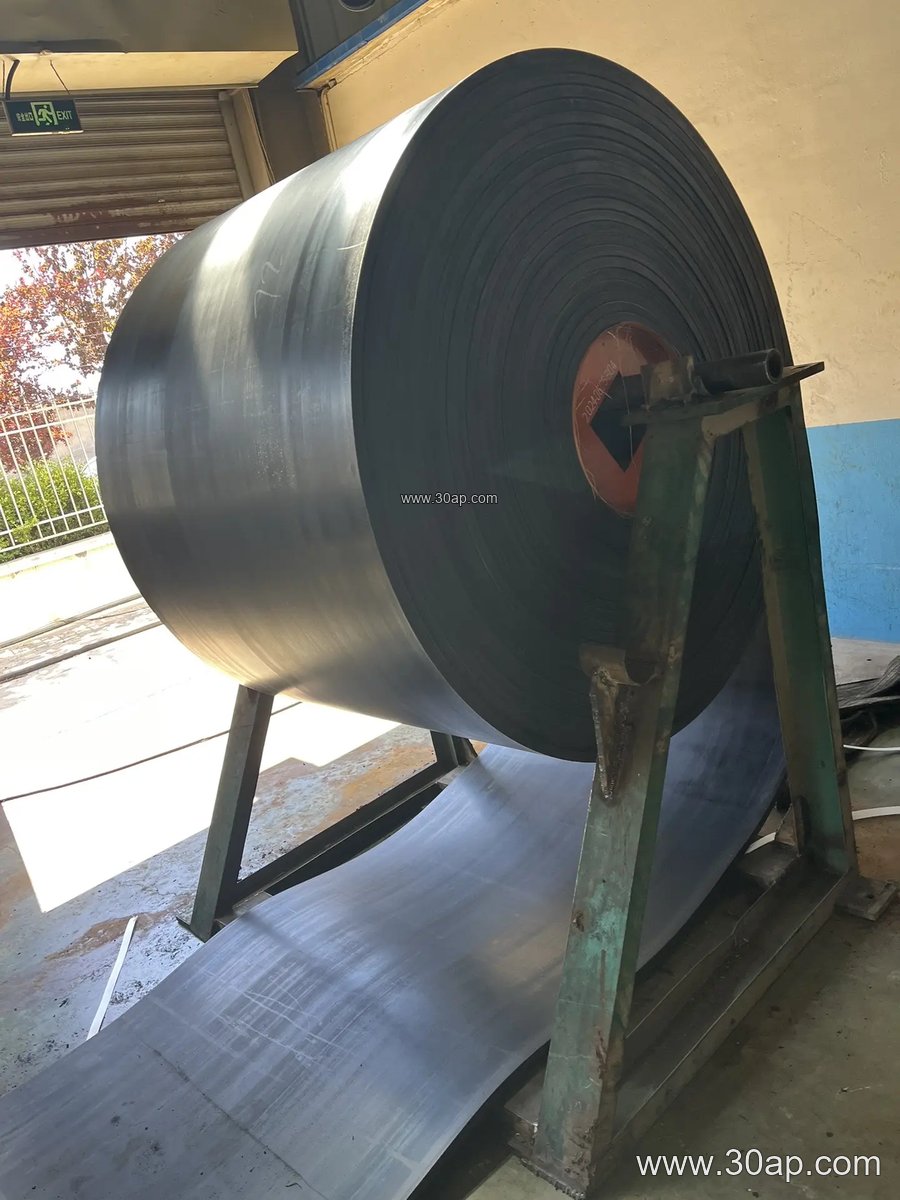
- Common widths: 500 mm, 600 mm, 650 mm, 800 mm, 1000 mm, 1200 mm
- Wider formats: 1400 mm, 1500 mm, 1600 mm
- Cover thickness examples: 1 mm, 2 mm, 3 mm, 4 mm
- Fabric layers: usually 1 to 3 plies for PVC belting
These are reference values, not a fixed match. A belt width is not tied to one pulley diameter, and shaft size must be calculated from the actual pulley load and bearing selection rather than guessed from belt width. Where a project calls for EP or NN carcass belting, strength grades such as EP200, EP400, EP630 or NN200 are normally quoted by the belt supplier.
Buyer Checklist
- Confirm the material being carried, its temperature and whether it is oily, wet or abrasive.
- Check whether a food-grade compound is required and whether the belt must be endless.
- Match belt width to the pulley face and the frame, and confirm the take-up allowance.
- Review the drive pulley, tail pulley and bend pulley arrangement with the conveyor designer.
- Ask for the cover thickness, ply count and edge finish in writing.
- Plan cleaning and tracking checks, since PVC belts can wander if the frame or rollers are out of line.
For related equipment such as the idler roller, conveyor pulley and conveyor bracket, keep the same duty class in mind so the belt and hardware are specified as one system. A belt that is right for a small packaging line is not automatically right for a crusher discharge or a ship loading conveyor.