What a 500mm Diameter Conveyor Pulley Is
A 500mm diameter conveyor pulley is a mid-to-large drum used to carry and drive the conveyor belt on bulk handling systems. At this diameter, the pulley offers enough wrap contact and bending radius for demanding lines, yet it remains manageable for many head, tail and tensioning positions. Buyers often describe it simply as a Ø500 pulley or a 500mm drum, but the position it occupies on the machine matters just as much as the size itself.
The diameter is only one part of the specification. Shell width, shaft diameter, bearing arrangement, lagging and balancing all influence how the pulley performs in service. In a quarry or a cement plant, the same nominal size may be built quite differently depending on belt tension and load.
Construction and Surface Options
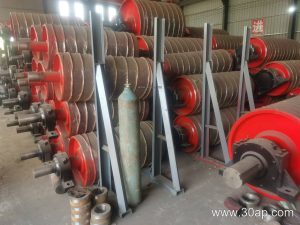
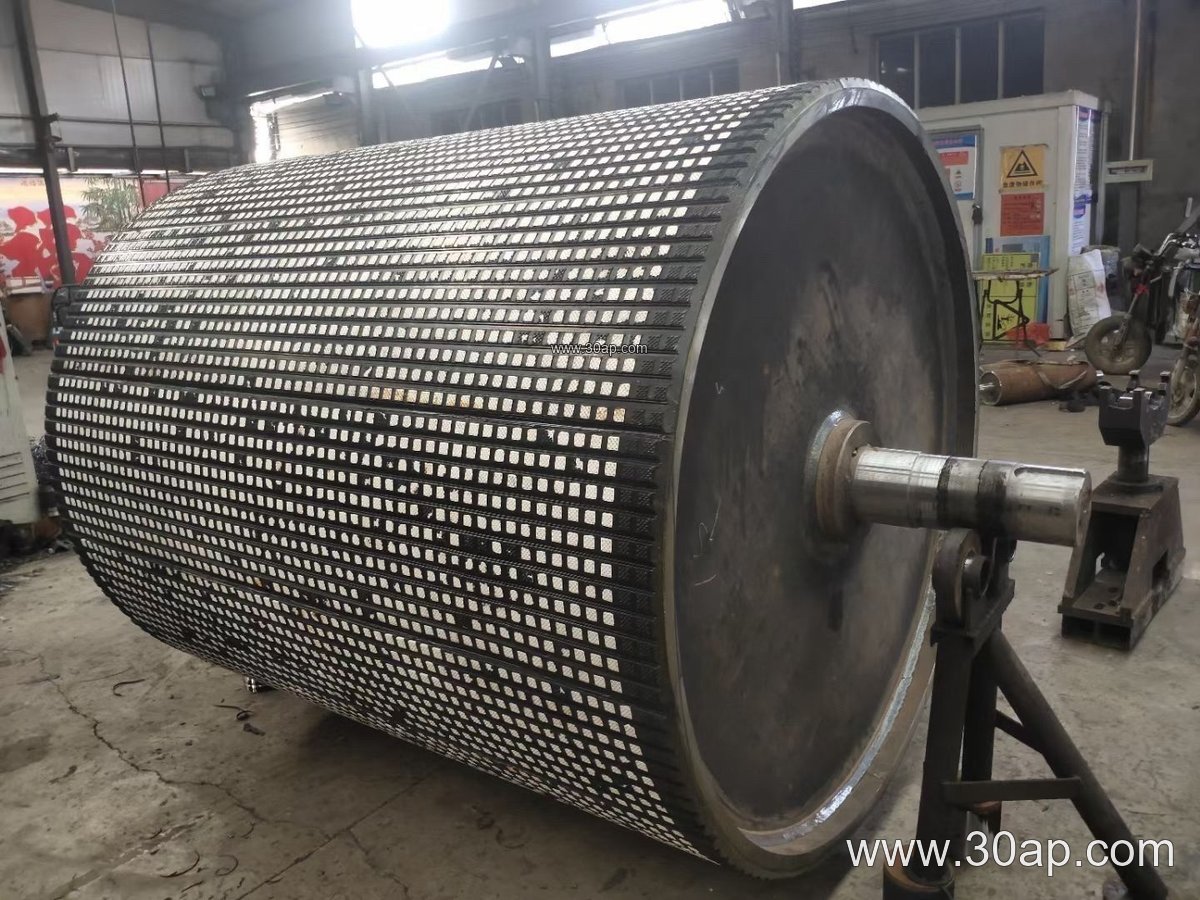
A typical 500mm conveyor pulley uses a welded steel shell with end discs and a through shaft or stub shafts. The shell may be machined and balanced for higher belt speeds. Surface treatment depends on the duty:
- Plain machined shell for light contact and low build-up
- Diamond or herringbone rubber lagging for grip and water shedding
- Ceramic lagging where slip and abrasion are severe
- Smooth rubber lagging for general duty
Lagging thickness is commonly 8, 10, 12, 15 or 20mm, selected by contact pressure and environment rather than by diameter alone. A 500mm drum driving a rubber conveyor belt in a wet coal yard may need a different lagging pattern from one used on a dry aggregate line.
Where It Fits on the Conveyor
The position defines the function. A drive or head pulley transmits power and must be sized for torque; a tail pulley redirects the returning belt at the loading end; a bend pulley changes belt direction; a tension pulley keeps slack under control. These are distinct components and are not interchangeable. A 500mm diameter bend pulley, for example, is chosen for routing geometry, while a 500mm drive pulley is chosen for traction and shaft strength.
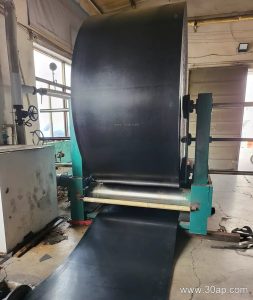
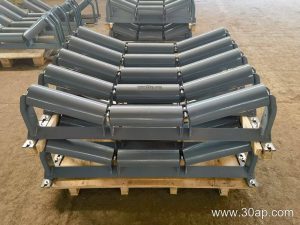
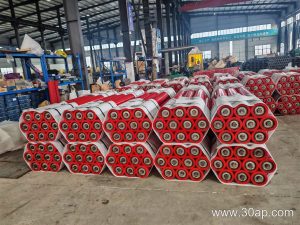
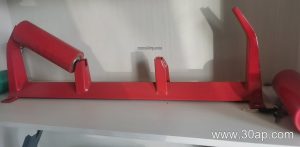
In a power plant coal handling system or a limestone crushing circuit, a Ø500 drum may appear at the head of a medium-width line or as a snub pulley where extra wrap is needed. Matching it with a suitable conveyor bracket and correctly aligned conveyor idler rollers along the carry side keeps the belt tracking stable.
Dimensional Reference and Belt Matching
Pulley face width is normally wider than the belt. The table below shows common pairings; these are reference values, not fixed rules, and final dimensions follow the conveyor design.
| Belt width | Typical pulley face | Example combination |
|---|---|---|
| B500 | About 600mm | B500 x Ø500 |
| B650 | About 750mm | B650 x Ø500 |
| B800 | About 950mm | B800 x Ø500 |
| B1000 | About 1150mm | B1000 x Ø500 |
Shaft diameter is determined by torque and bearing load, not by belt width. Common shaft sizes include Ø80, Ø100, Ø120, Ø140 and Ø160, but the correct value comes from the drive calculation. A 500mm pulley on an EP conveyor belt line carrying iron ore will not use the same shaft as one on a short transfer in a fertilizer plant.
Buyer Checklist
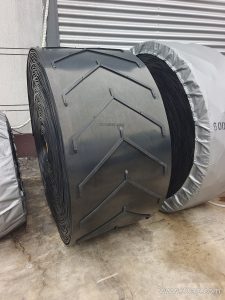
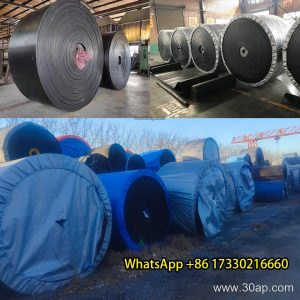
Before ordering, confirm the belt width, the working tension, the pulley position, the required lagging and the shaft and bearing details. Check that the drum will accept the selected conveyor belt type, whether a heavy-duty mining conveyor belt, an abrasion resistant conveyor belt or a heat resistant conveyor belt for clinker service. Consider the environment, since dust, moisture and temperature affect lagging choice and bearing protection.
Ask for the balancing grade, the welding standard and the runout tolerance in writing. For a 500mm diameter conveyor pulley, small eccentricity becomes noticeable at speed, so machining quality deserves attention. Also confirm the interface with the conveyor bracket and the space available for take-up travel.
Maintenance Notes
Inspect lagging for wear and glazing, check bolt tightness, and monitor bearing temperature and vibration. Keep the belt cleaner and the idler roller set aligned so material does not build up on the shell. Re-lagging is often more economical than replacing a sound drum, provided the shell and shaft remain within tolerance.
For more on matching drums, belts and rollers, see conveyor pulley and conveyor belt guidance, and confirm final sizes with your design engineer.