What a Conveyor Bracket Does on a Belt Conveyor
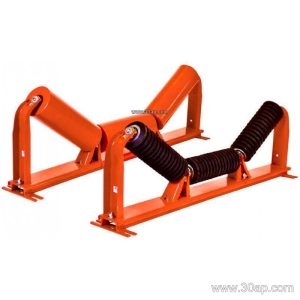
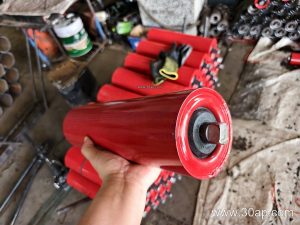
A conveyor bracket is the structural interface between the idler roller and the conveyor frame. It holds each roller at the correct height, angle and spacing so the conveyor belt keeps its trough shape and tracks steadily under load. In procurement terms, the bracket is a small line item with a large influence on belt life, roller wear and maintenance downtime. Buying the wrong bracket profile or hole pattern can stall an entire installation, even when the rollers and the conveyor belt are perfectly serviceable.
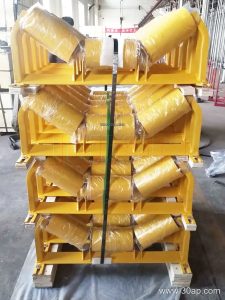
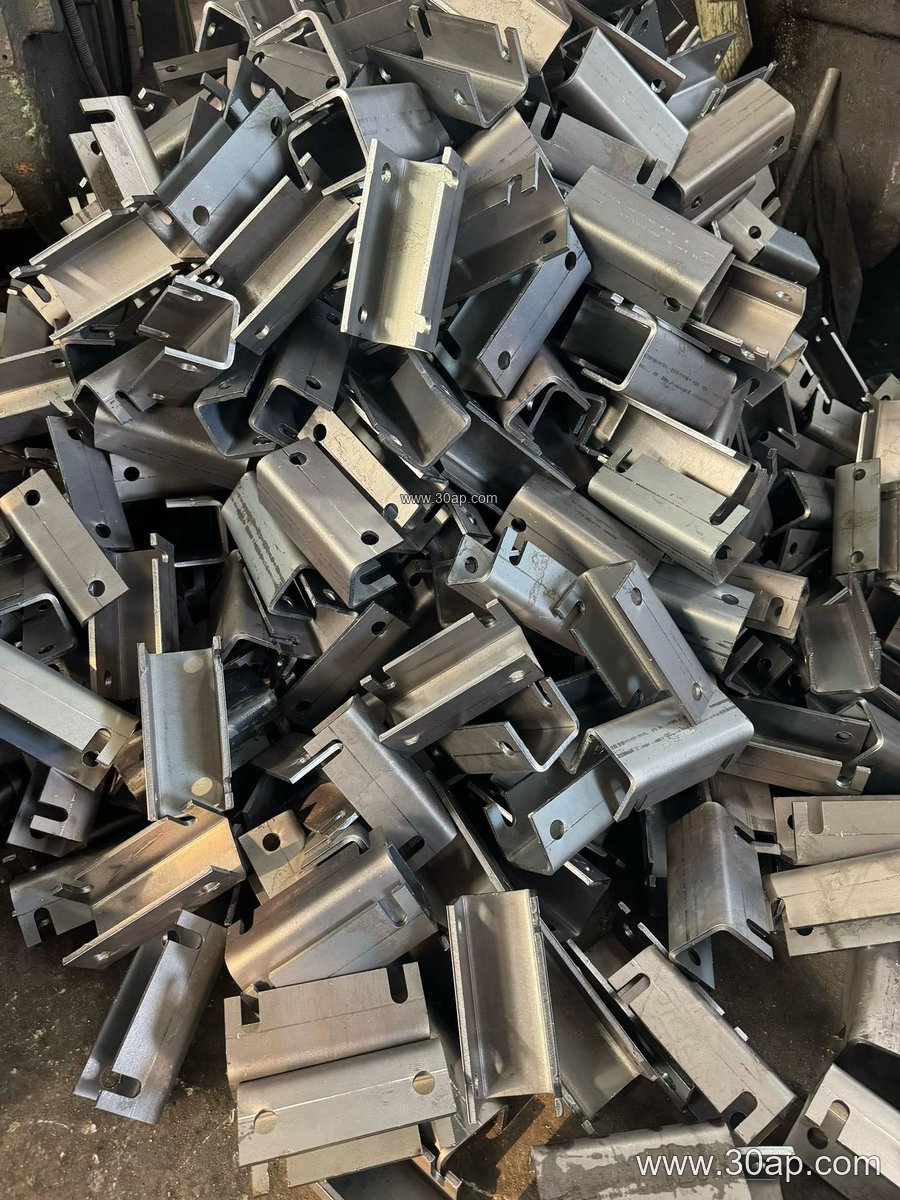
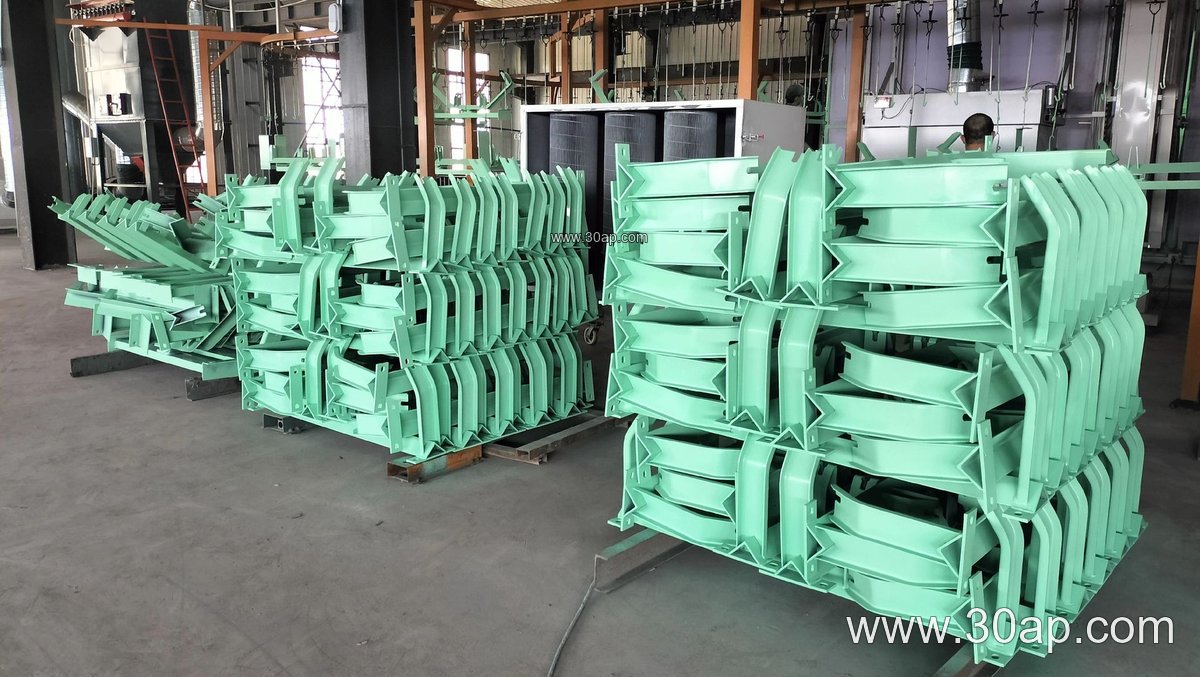
Brackets appear along the whole length of a conveyor: carrying side, return side, loading zone and transition areas. They are usually fabricated from angle steel, channel steel or folded steel plate, then drilled, punched or slotted to match the idler shaft and frame. Surface treatment is normally chosen to suit the environment, from painted finishes for general duty to galvanized or coated options for wet and corrosive sites.
Common Bracket Types and Where They Sit
The bracket family is broad, and each subtype has a defined position. A trough bracket supports the three-roller carrying set and sets the trough angle. A transition bracket sits between the tail pulley and the first full trough set, guiding the belt gradually into its troughed profile. Return brackets hold the lower rollers, with V-type return brackets helping to centre the belt on the return strand. Impact brackets are used under loading points, while self-aligning and forward-leaning brackets address belt tracking. Adjustable brackets allow the trough angle to be changed on site.
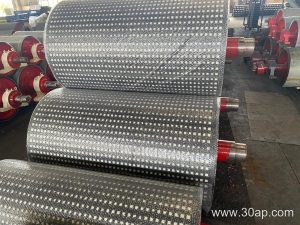
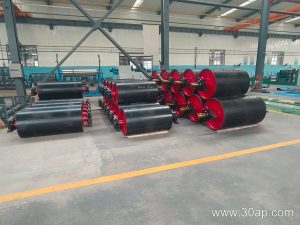
These types are not interchangeable. A return bracket cannot replace a trough bracket, and a transition bracket has a specific geometry that a standard carrying bracket does not provide. The same logic applies to rotating components: a drive pulley, a tail pulley and a bend pulley each perform a different duty and must be specified separately.
Dimensions That Drive the Purchase Order
Bracket selection follows the conveyor design rather than a single universal rule. Belt width, trough angle and roller diameter interact, and the bracket must match the frame drawing. The table below lists common reference values; actual hole spacing and beam length are determined by the conveyor design.
| Parameter | Common Reference Values |
|---|---|
| Belt width | B500, B650, B800, B1000, B1200, B1400, B1600, B1800, B2000, B2200 |
| Trough angle | 20°, 30°, 35°, 45°; adjustable brackets can move between these angles |
| Roller diameter | Ø89, Ø108, Ø133, Ø159, Ø194 |
| Forward lean | Typically about 1.5° to 2° |
| Material | Angle steel, channel steel, folded steel plate |
A typical specification might read B800, 35°, Ø108, or B1200, 45°, Ø133. A wider belt does not automatically dictate one trough angle or one roller diameter; the combination comes from the conveyor design, the material being carried and the required capacity. Confirm the mounting hole pattern against the actual frame before ordering.
Matching Brackets to Belts, Rollers and Duty
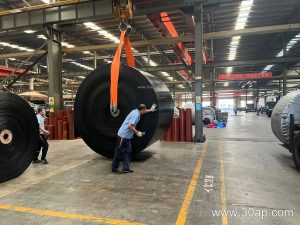
The bracket works as part of a system. On a quarry or aggregate line, a heavy-duty conveyor belt running over Ø133 rollers in a 35° trough needs brackets with enough stiffness to resist vibration at the loading point. In a coal handling plant, flame retardant conveyor belt and anti-static properties matter for the belt, while the brackets should suit dusty, potentially wet conditions. A cement plant handling hot clinker may pair heat resistant conveyor belt with brackets that keep their alignment despite thermal cycling.
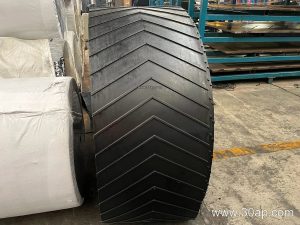
Where a pipe conveyor belt or a corrugated sidewall belt is used, bracket geometry follows the special idler arrangement rather than a standard trough set. For long overland runs using steel cord conveyor belt, bracket spacing and frame rigidity deserve extra attention because belt tensions are higher. Whatever the belt type, check that the bracket accepts the specified roller shaft and that the assembly leaves clearance for the belt edge.
Procurement Checklist
- Confirm the bracket type by position: trough, transition, return, impact, self-aligning or adjustable.
- Record belt width, trough angle and roller diameter together, not as separate assumptions.
- Ask for the frame drawing or measure hole spacing and beam length on site.
- State the material and surface finish required by the environment.
- Check that brackets, idler rollers and pulleys come from a consistent dimensional standard.
- Order a small trial batch before a full run, especially for retrofit projects.
Good conveyor bracket procurement is mostly about verification. Once the type, angle, roller diameter and mounting pattern are confirmed, the brackets become a straightforward, repeatable purchase that keeps the belt centred and the rollers turning. Buyers who treat the bracket as a designed component rather than a generic steel part avoid most installation surprises.