What a Sand Making Plant Conveyor Belt Does
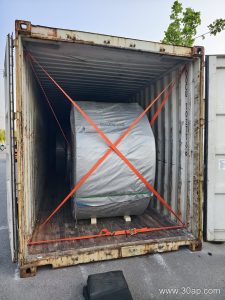
A sand making plant conveyor belt is the continuous moving surface that carries crushed stone, sand, and fines between the crusher, screen, sand washer, and stockpile. In a sand and aggregate operation, this belt handles abrasive, often damp material, so the cover compound and carcass must resist cutting, gouging, and edge wear. The same belt family appears in quarry, cement, and iron ore circuits, where a heavy-duty mining conveyor belt keeps material flowing without spillage or stoppage.
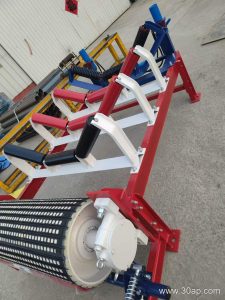
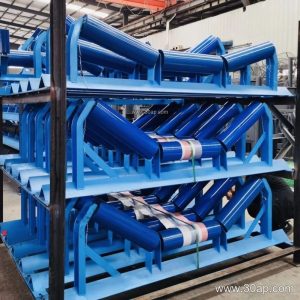
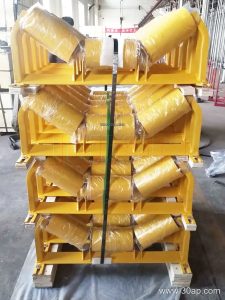
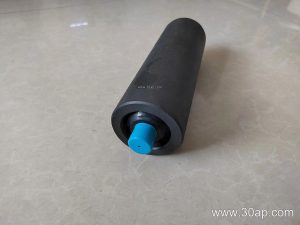
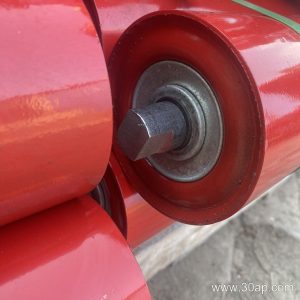
The belt is not a standalone item. It runs on a frame with idler rollers, a head or drive pulley, a tail pulley, and bend pulleys that route the return strand. The conveyor bracket and pulley alignment affect belt tracking, while the idler roller spacing influences sag and load support. A well-matched sand making plant conveyor belt reduces downtime at transfer points and keeps the screening circuit balanced.
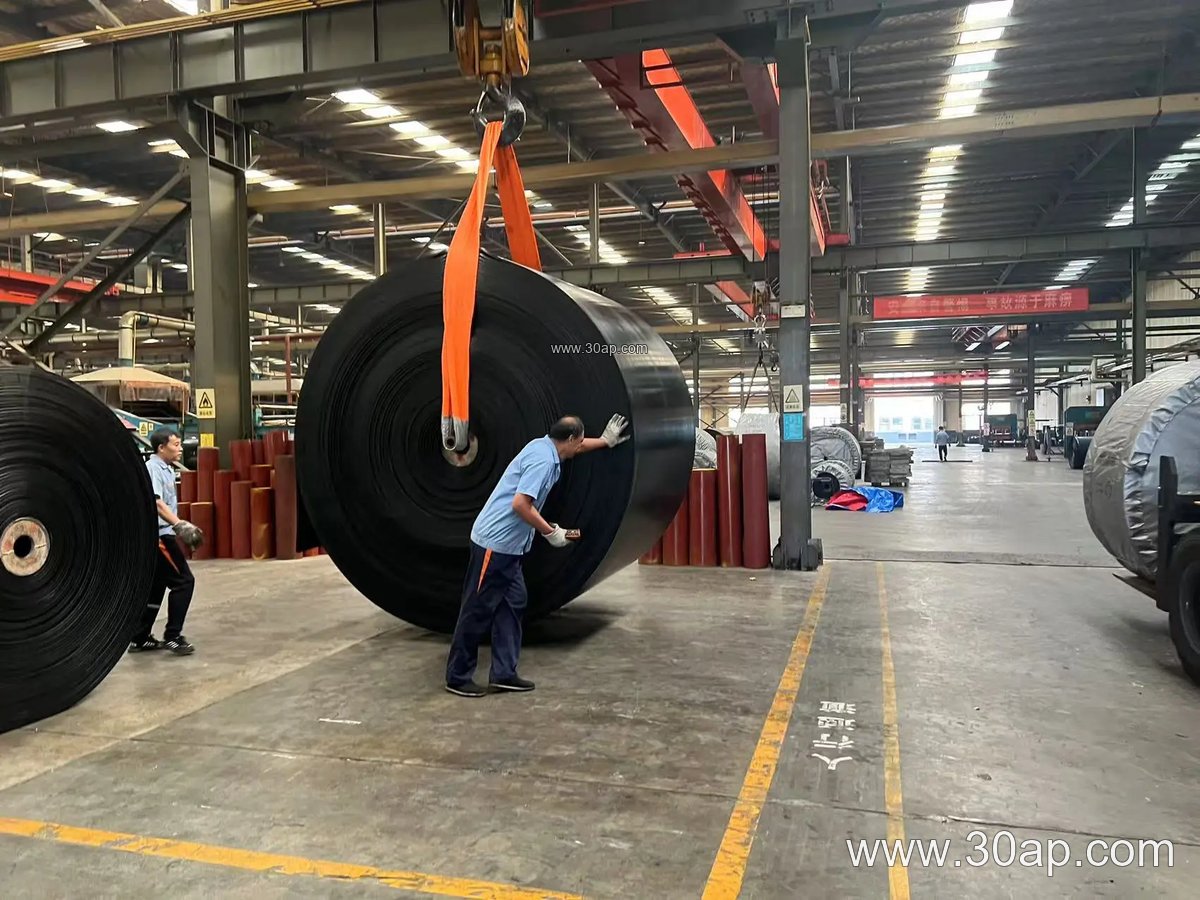
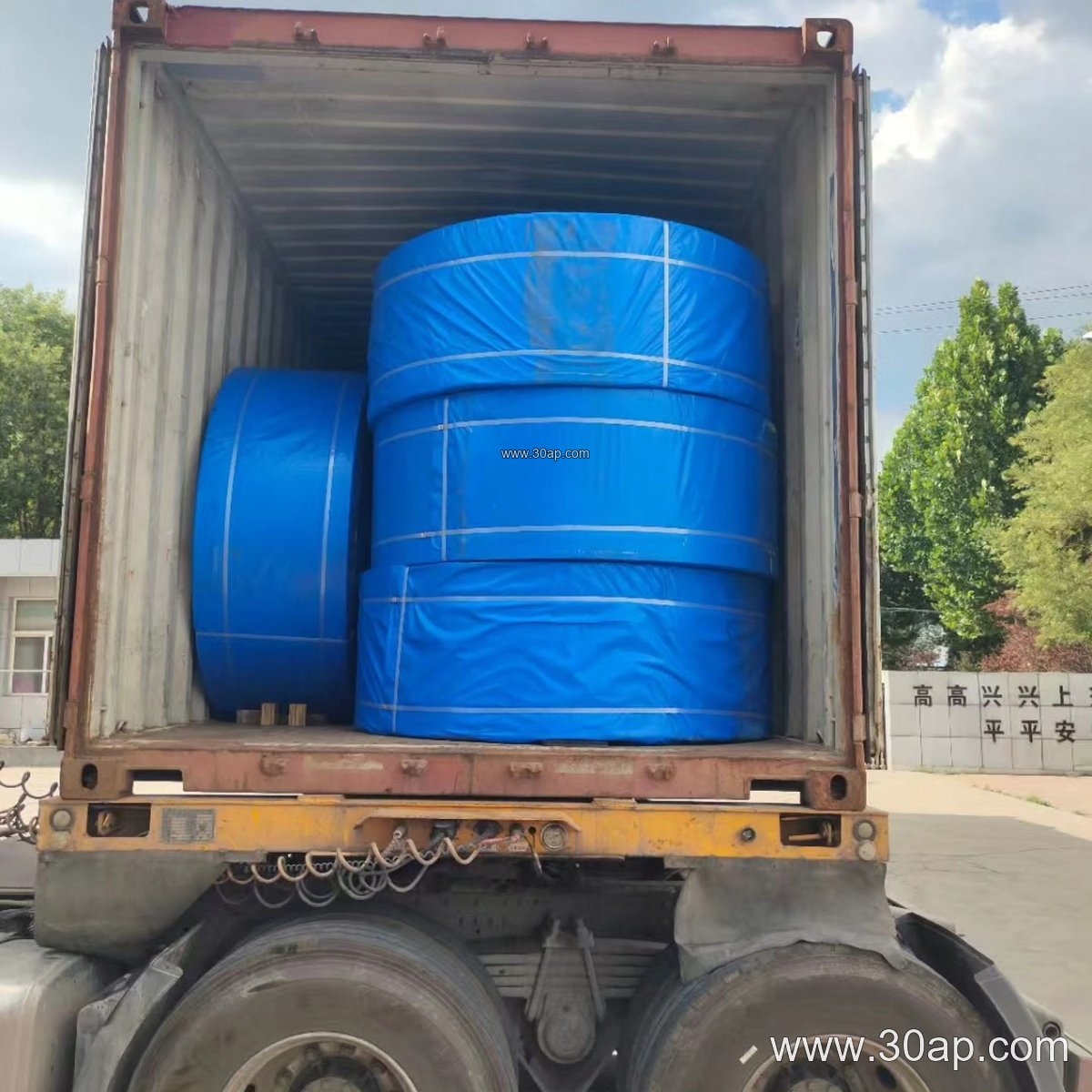
Construction and Common Belt Types
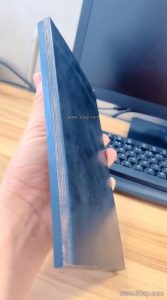
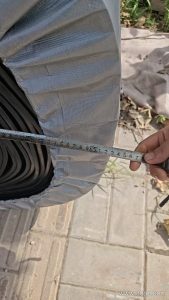
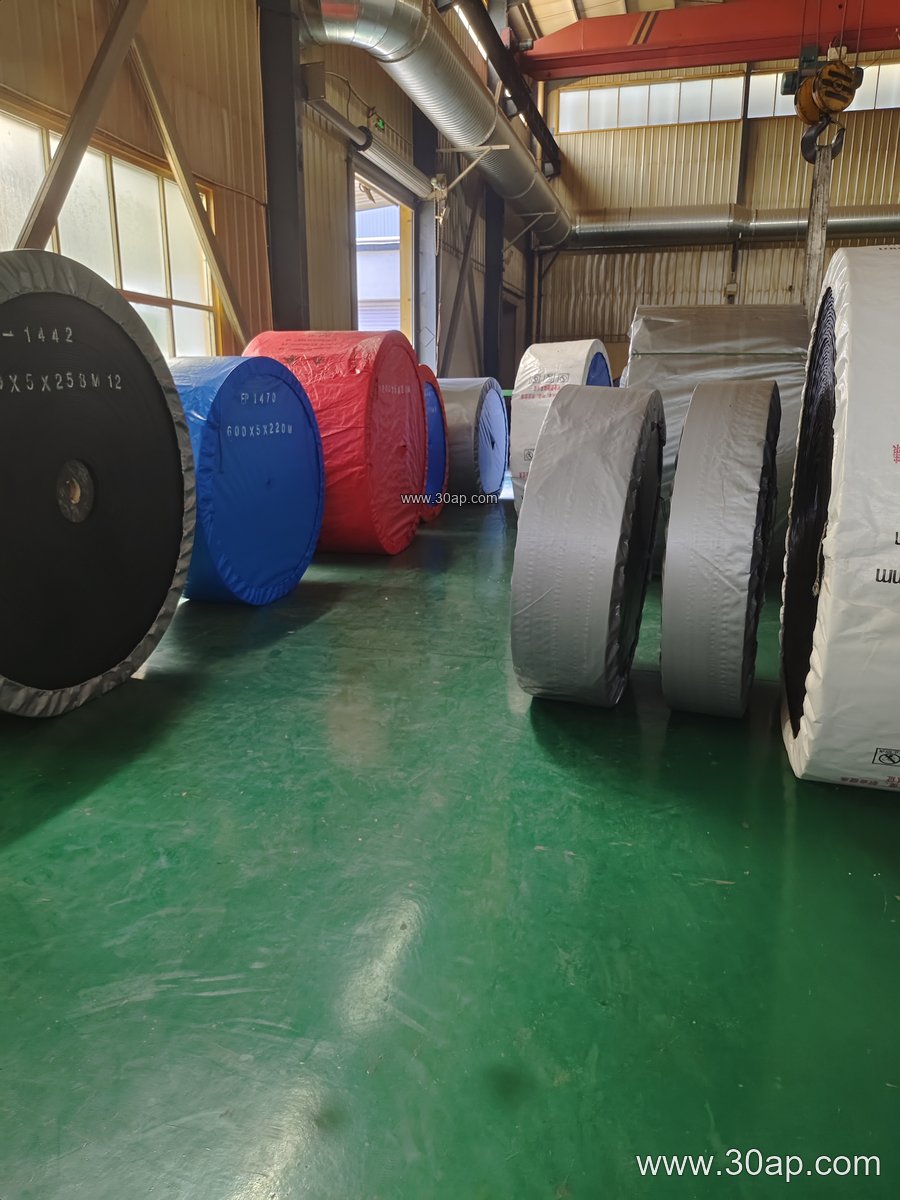
Most belts for this duty use a fabric core or steel cord carcass with rubber covers. Fabric core options include EP conveyor belt (polyester-nylon) and NN conveyor belt (nylon-nylon). EP constructions such as EP200, EP400, EP630, EP800, and EP1000 are often chosen for general aggregate duty, while NN types suit applications needing high elongation resistance. A multi-ply fabric core conveyor belt with two to six plies is common, and cover thickness may be 4+2 mm or 5+2 mm depending on lump size and drop height.
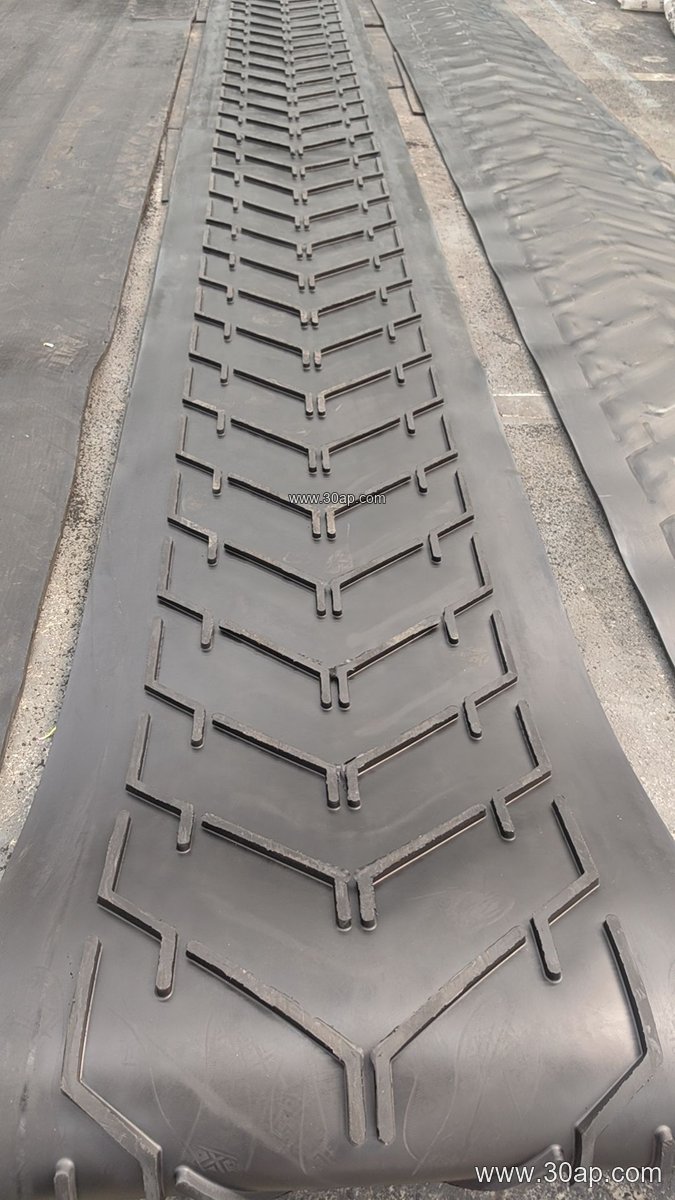
For long overland runs or high tension, a steel cord conveyor belt such as ST1000 or ST1600 may be used. In sand making plants with oily or dusty conditions, an oil resistant conveyor belt or abrasion resistant conveyor belt helps extend service life. Where fire safety matters in coal or underground mining, a flame retardant conveyor belt or fire resistant conveyor belt is specified. A chevron conveyor belt or corrugated sidewall conveyor belt can handle steep inclines, but these are separate designs from the flat belt used on horizontal runs. PVC and PVG belts appear in underground coal mining conveyor belts, not typically as the main sand plant belt.
Typical Specifications and Selection Notes
Belt width and strength are selected from the conveyor design, not from a single rule. Common widths in sand and aggregate plants include B500, B650, B800, B1000, B1200, and B1400. Wider belts such as 1600mm or 1800mm may appear in high-capacity primary crushing circuits. The table below shows reference values, not fixed supply promises.
| Parameter | Common Reference Range | Notes |
|---|---|---|
| Belt width | B500 to B1400 (500mm to 1400mm) | Match to tonnage and lump size |
| Fabric strength | EP200, EP400, EP630, EP800, EP1000 | Higher grades for longer centers |
| Steel cord strength | ST1000, ST1250, ST1600 | For high tension and long distance |
| Cover thickness | 3+1.5, 4+2, 5+2, 6+2 mm | Thicker top cover for impact |
| Number of plies | 2 to 6 | Fabric core belts |
Do not assume one belt width fits one pulley diameter. Drive, tail, and bend pulleys are sized by shaft load, wrap angle, and belt tension. A 800mm wide belt may run on different pulley diameters in different conveyor layouts. Likewise, shaft diameter comes from torque and bearing calculation, not from belt width alone.
Operational Care and Buyer Checklist
Buyers should confirm the material size, moisture, and temperature before choosing covers. A high abrasion resistant conveyor belt is useful at the crusher discharge, while a heat resistant conveyor belt is needed near dryers or hot clinker. Check that the idler roller rotates freely and that the conveyor pulley lagging matches the drive duty. Keep the conveyor bracket secure and inspect the belt edge for fraying.
For sand making plant conveyor belt inquiries, specify width, strength grade, cover thickness, and any special requirement such as anti-static conveyor belt or cold resistant conveyor belt. Ask for the carcass type and number of plies. A fabric core conveyor belt with EP1000 and 5+2 mm covers may suit one plant, while another plant with a long incline may need a steel cord or chevron design. The goal is a belt that matches the conveyor, not a generic replacement.