What a High-Strength Idler Is
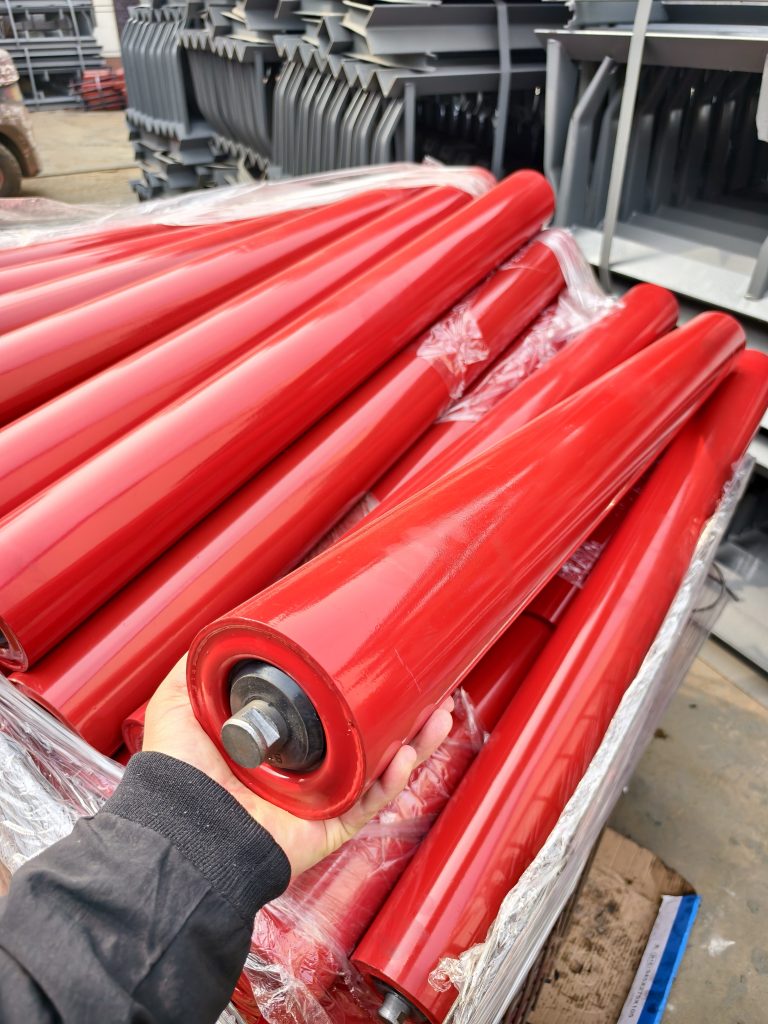
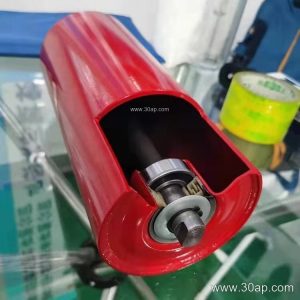
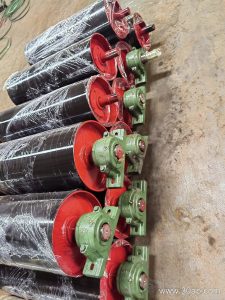
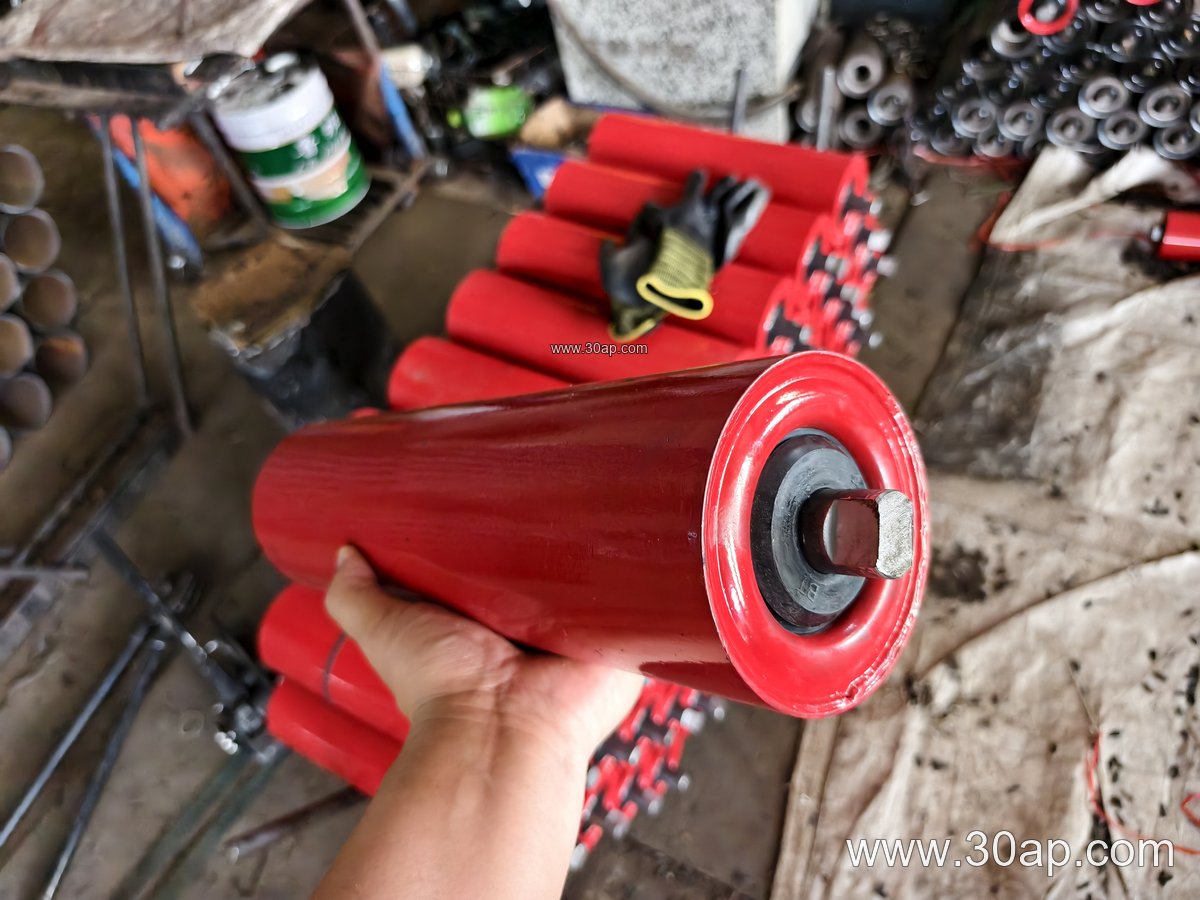
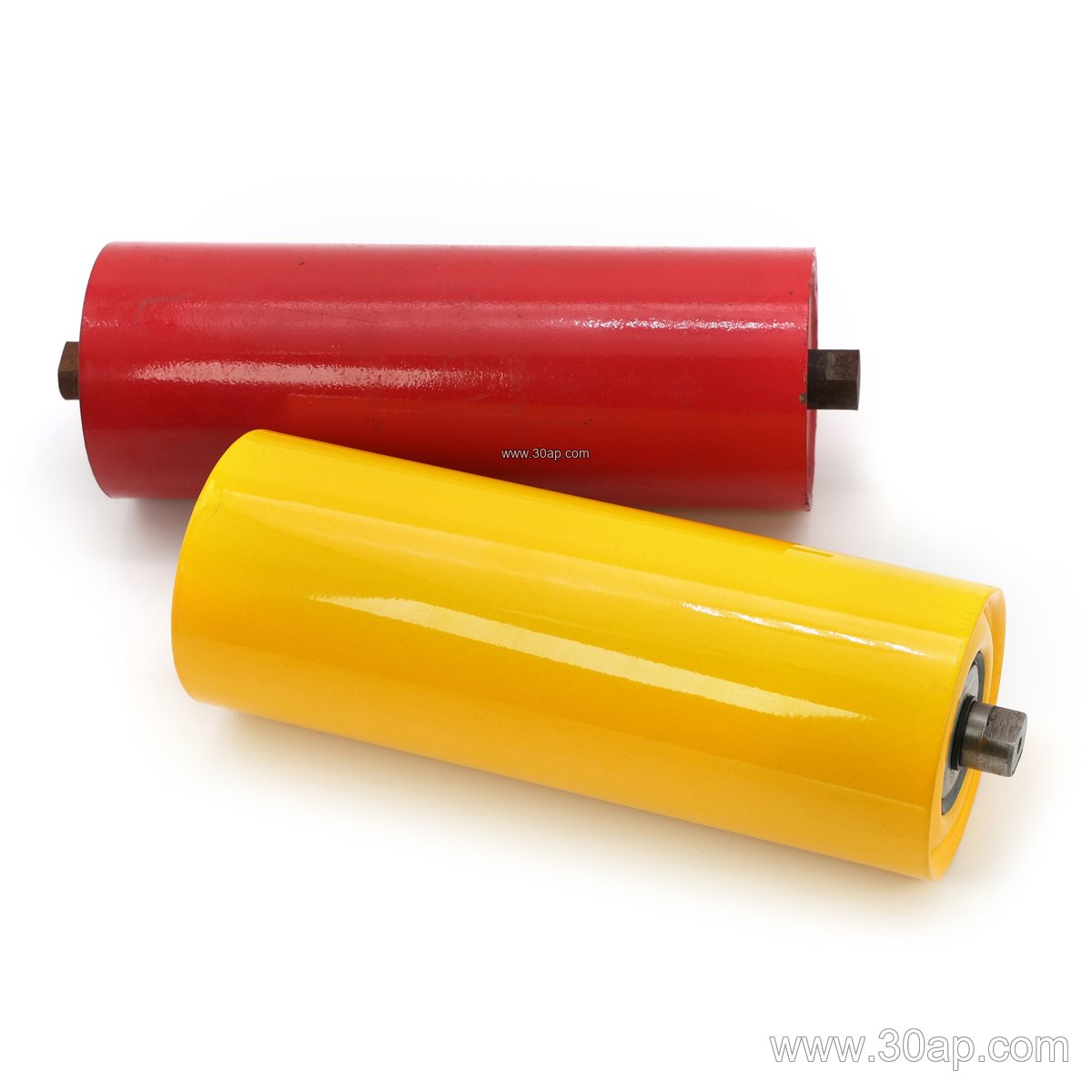
A high-strength idler is a load-carrying roller built to keep a conveyor belt tracking smoothly when tonnage, impact, and dust are all working against it. In a quarry, a cement plant, or a power plant coal yard, the idler roller is the part that contacts the belt hundreds of times a minute. The high-strength version uses heavier tube, reinforced end discs, and carefully matched bearings so the roller resists bending and keeps rotating under load. It is still a roller, not a pulley: drive pulleys, tail pulleys, and bend pulleys transmit or redirect belt tension, while a high-strength idler supports the belt and the material on it.
How the Roller Is Built
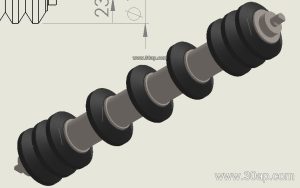
The body is usually a thick-wall steel tube with machined ends, welded to bearing housings that hold the shaft. Seals are the quiet hero: a multi-labyrinth seal keeps fine dust from a crusher or a sand making plant out of the bearing cavity, and grease retention matters as much as initial bearing quality. Common bearing sizes include 6205, 6305, 6306, and 6308, selected by load and shaft design rather than by belt width alone. Roller surfaces may be plain steel, nylon, ceramic, or rubber rings. Rubber rings are useful at a transfer point where lump ore drops onto the belt, because they absorb impact; ceramic or nylon covers can suit sticky or abrasive service. No single surface form is right for every line.
Where It Fits on the Conveyor
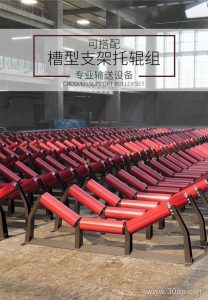
High-strength idlers appear in troughing sets on the carrying side and in return sets underneath. A three-roll troughing set at 30 or 35 degrees is common in aggregate and ore handling, while a 45-degree trough may be chosen where material must be contained at higher capacity. Transition idlers near a conveyor pulley help the belt move gradually from flat to troughed, reducing edge stress. On the return side, a V-return or flat return roller supports the belt after discharge. Self-aligning idlers, including friction and conical types, are used on long runs where belt wander is a concern. All of these are idler subtypes; they do not replace the drive or tail pulley in the drive system.
Typical Service Conditions
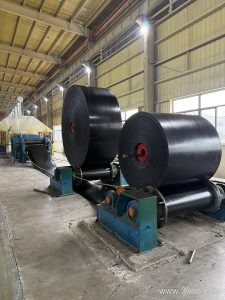
In a limestone quarry or an iron ore plant, the belt may carry sharp, heavy rock, so impact resistance and seal life dominate. In a coal handling system, flame retardant and anti-static properties of the conveyor belt matter, and the idlers must cope with coal dust. A cement plant faces fine abrasive powder that finds every gap, while a port terminal may run wide belts at high speed for long shifts. The idler does not choose the belt, but the pair must match: a heavy-duty mining conveyor belt running at high tension needs rollers that stay round and true. Related equipment such as the conveyor bracket, frame, and conveyor pulley should be checked together during inspection.
Common Reference Dimensions
The table below gives typical reference values for idler diameter and belt width. These are examples, not fixed combinations; final selection depends on load, speed, trough angle, and roller length.
| Item | Typical Reference Values |
|---|---|
| Roller diameter | Ø89, Ø102, Ø108, Ø127, Ø133, Ø159, Ø178 mm |
| Belt width | B650, B800, B1000, B1200, B1400, B1600, B1800 mm |
| Trough angle | 20°, 30°, 35°, 45° |
| Roller length, three-roll trough (example) | B800 about 315 mm; B1000 about 380 mm; B1200 about 465 mm; B1400 about 530 mm |
| Bearing sizes | 6205, 6305, 6306, 6308, 6310 |
Side rollers and center rollers can differ in length, so the values above are only a starting point for layout discussion. A 1200mm wide conveyor belt and a 1800mm wide belt will not use the same roller simply because both are troughing sets.
What Buyers Should Check
- Load and speed: confirm the calculated load per idler and the belt speed before choosing tube thickness and bearing class.
- Sealing: ask how the seal works in dusty service; a good seal extends bearing life more than a larger bearing alone.
- Roller runout: a roller that is not true will vibrate and wear the belt edge.
- Compatibility: check that the idler fits the existing conveyor bracket and frame without modification.
- Belt match: a high-strength conveyor belt, an abrasion resistant conveyor belt, or a heat resistant conveyor belt each places different demands on rollers and pulleys.
For a complete conveyor review, look at the whole line: belt, idler roller, conveyor pulley, and bracket. A high-strength idler is one part of that system, and it performs best when specified for the actual duty rather than copied from a neighboring line.