What a Conveyor Carrying Bracket Does
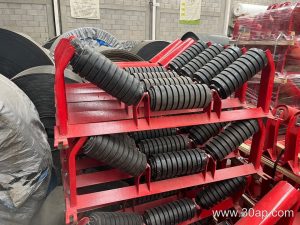
A conveyor carrying bracket is the structural component that holds the carrying idlers in place along the upper run of a belt conveyor. Often called a troughing idler bracket or carrying idler frame, it sets the trough angle, keeps the idlers aligned, and transfers the load from the belt and material down to the conveyor stringer. In a quarry, cement plant, or coal handling system, these brackets are the quiet workhorses that determine how well the belt retains its shape under load.
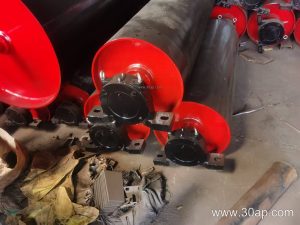
Unlike a return bracket, which supports the empty side of the belt, the carrying bracket sits on the loaded side. It is not a pulley and does not drive or redirect the belt; that job belongs to the drive pulley, tail pulley, and bend pulley. The carrying bracket is purely a support element, and its geometry directly affects belt training and material containment.
Construction and Common Forms
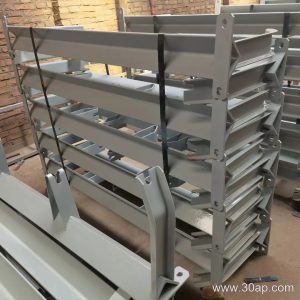
Most carrying brackets are fabricated from angle steel, channel steel, or folded steel plate. The material choice depends on the load and the environment: a heavy-duty mining conveyor belt system may call for thicker channel sections, while a lighter aggregate line might use folded plate for weight savings.
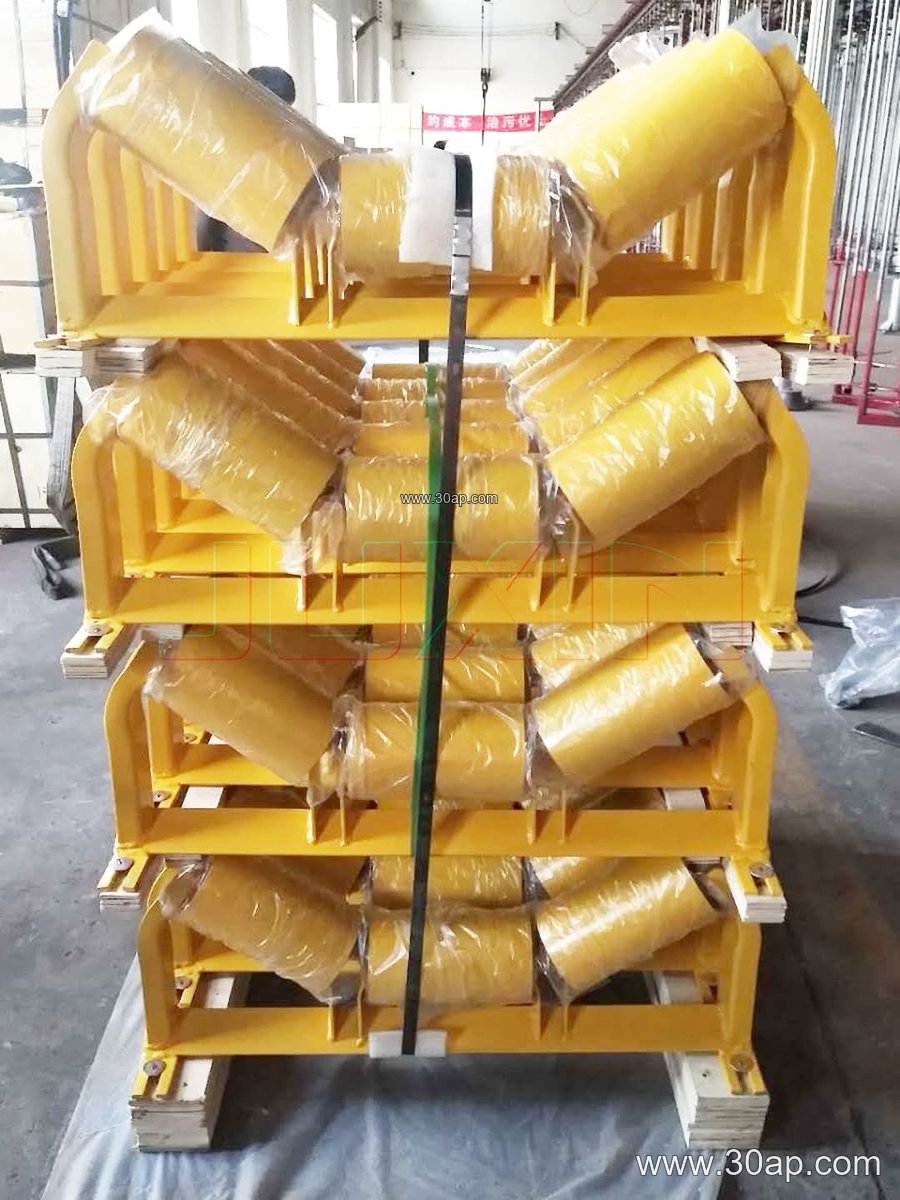
Common types include fixed troughing brackets, adjustable brackets, transition brackets near the head and tail, impact brackets under load points, and self-aligning brackets. Adjustable versions allow the trough angle to be set between common values such as 20, 30, 35, or 45 degrees. Forward-leaning brackets, typically around 1.5 to 2 degrees, are used to help center the belt.
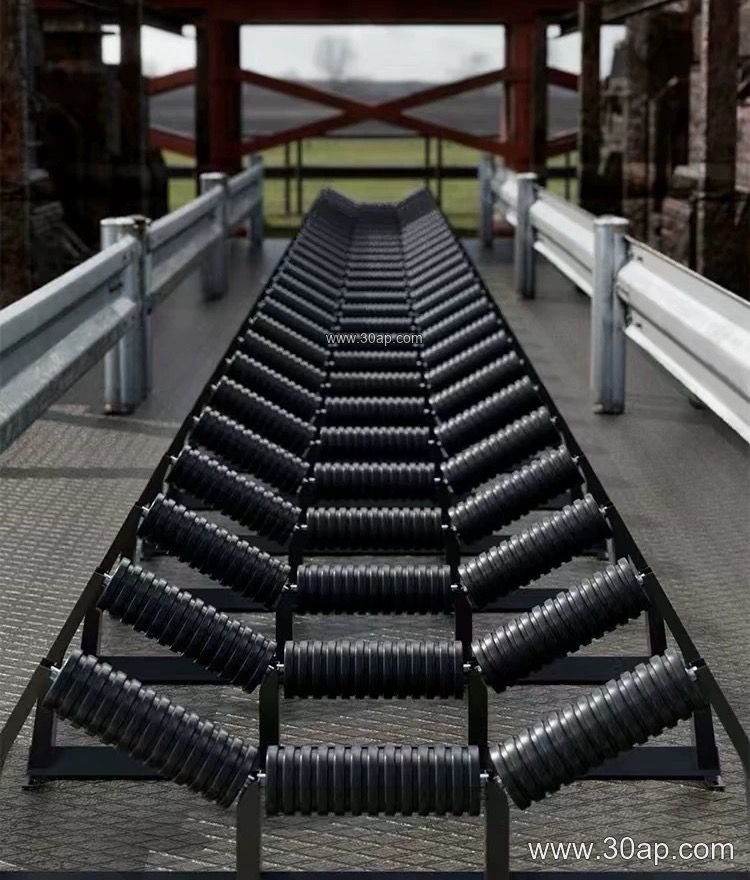
Key dimensions follow the belt width and idler diameter. A few representative combinations show how the parts relate, but they are not fixed pairings:
- B650 with 30-degree trough and Ø89 idlers
- B800 with 35-degree trough and Ø108 idlers
- B1200 with 45-degree trough and Ø133 idlers
- B1400 with 35-degree trough and Ø159 idlers
Installation hole spacing and crossbeam length vary with belt width and trough angle, so they are determined by design rather than by a single standard number. A bracket that fits one belt width will not automatically suit another.
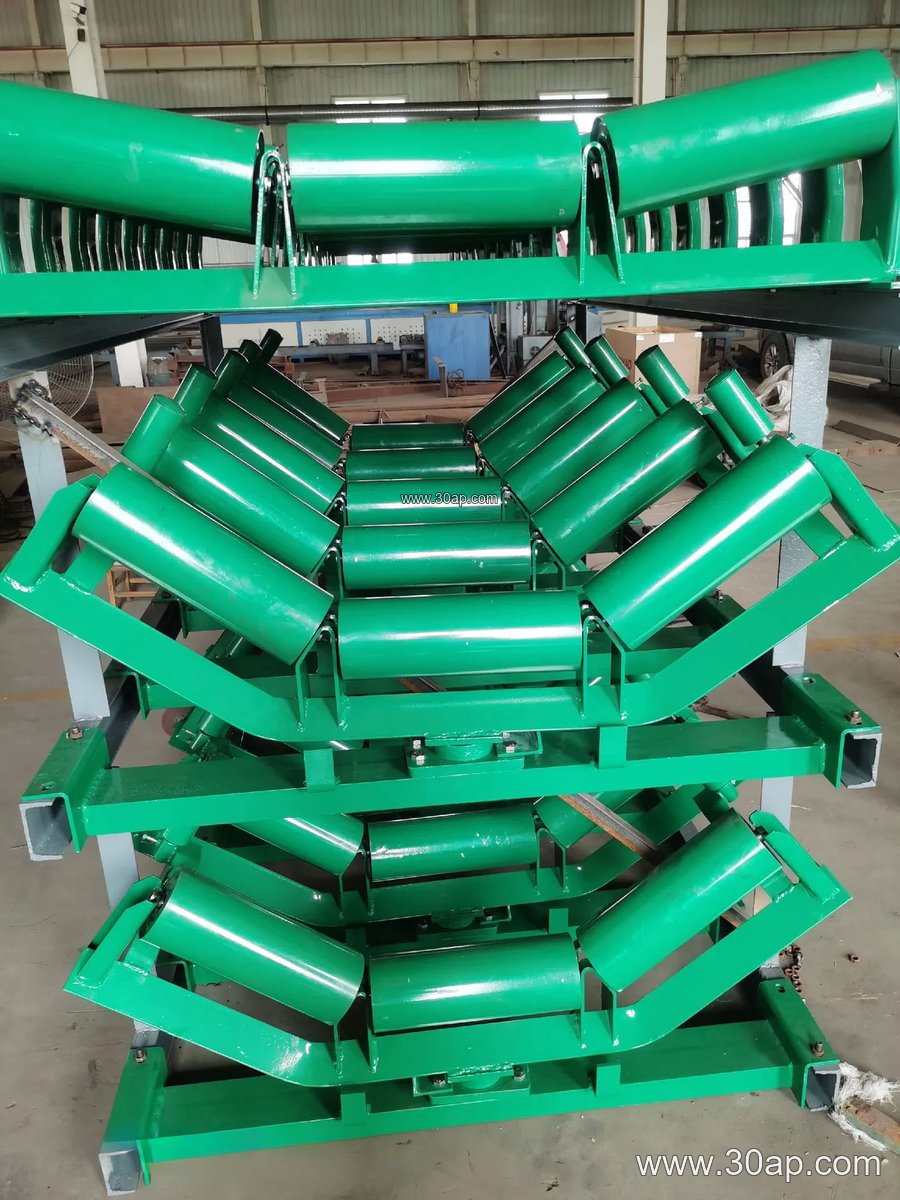
Where It Fits in the Conveyor
Carrying brackets appear wherever the belt is loaded and transported. In a limestone mine or iron ore operation, they support the belt through long overland runs. In a coal-fired power plant, they keep the coal conveyor belt stable through transfer towers. In a sand and gravel line, they hold the trough shape through crusher discharge and screening sections.
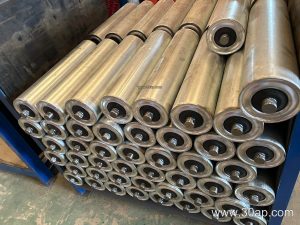
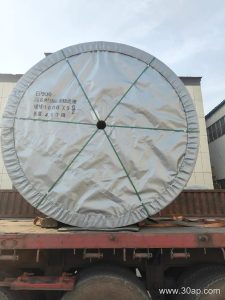
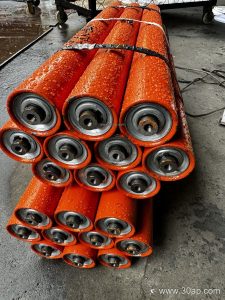
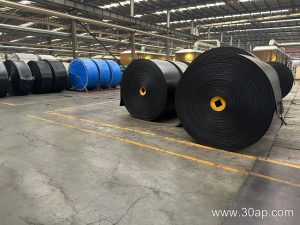
The bracket works together with the conveyor belt, idler roller, and conveyor pulley. The belt sits in the trough formed by the idlers; the idlers rotate on the bracket; the bracket anchors to the conveyor frame. If the bracket is misaligned or worn, the belt may drift, spill material, or wear unevenly. That is why bracket condition is checked alongside idler rotation during maintenance.
Selection Points for Buyers
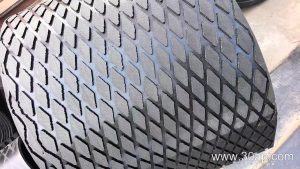
Buyers should match the bracket to the belt width, the required trough angle, and the idler diameter. The bracket must also suit the conveyor stringer spacing and the mounting hole pattern. For abrasive or heavy loads, such as a high abrasion resistant conveyor belt carrying rock, a reinforced bracket and impact idlers at the load zone are common choices.
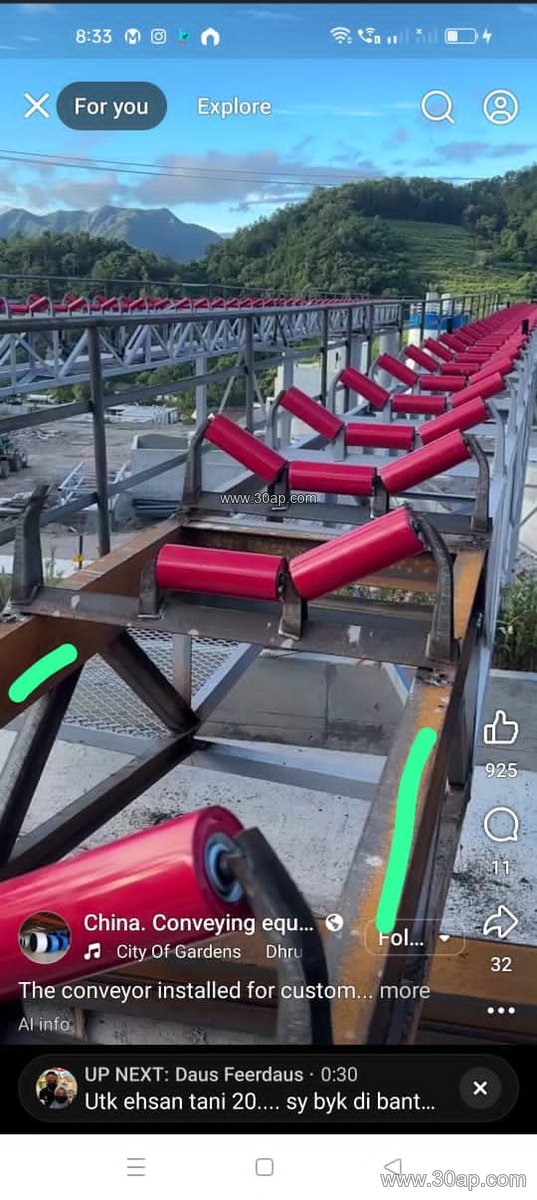
Environmental factors matter too. A flame retardant conveyor belt in an underground coal mine may require brackets that resist corrosion and maintain alignment in damp conditions. A heat resistant conveyor belt in a cement kiln area may need brackets that tolerate thermal expansion without distorting.
Ask for the bracket drawing with hole spacing and crossbeam length, and confirm the trough angle range if an adjustable type is specified. Do not assume one belt width limits you to one pulley diameter or one trough angle; the correct combination depends on the conveyor design.
Maintenance and Replacement Notes
Inspect carrying brackets for bent crossbeams, elongated holes, and loose fasteners. A worn bracket can cause the idler roller to sit off-angle, which in turn affects belt tracking. Replace damaged brackets in sets where possible, and recheck trough alignment after installation. For a pipe conveyor belt or a corrugated sidewall conveyor belt, bracket geometry may differ, so always confirm the bracket type against the conveyor layout.