What a 650mm Conveyor Belt Is
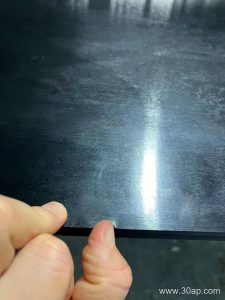
A 650mm conveyor belt is a belt with a nominal width of 650 millimetres, widely written as B650. It sits in the light-to-medium range of standard belt widths, above 500mm and 600mm belts and below 800mm and 1000mm constructions. In practice it is a workhorse width for short and medium-length conveyors where the lump size and tonnage do not justify a wider belt. The same product is often ordered simply as a 650mm-wide conveyor belt or B650 belt, and those expressions refer to one and the same item.
Because the width is fixed, the real engineering choices lie elsewhere: the carcass type, the number of plies or cord construction, the cover compound, and the cover thickness. Those decisions decide whether the belt suits a quarry transfer point, a cement plant clinker line, a coal yard, or a power plant coal handling system.
How the Belt Is Built
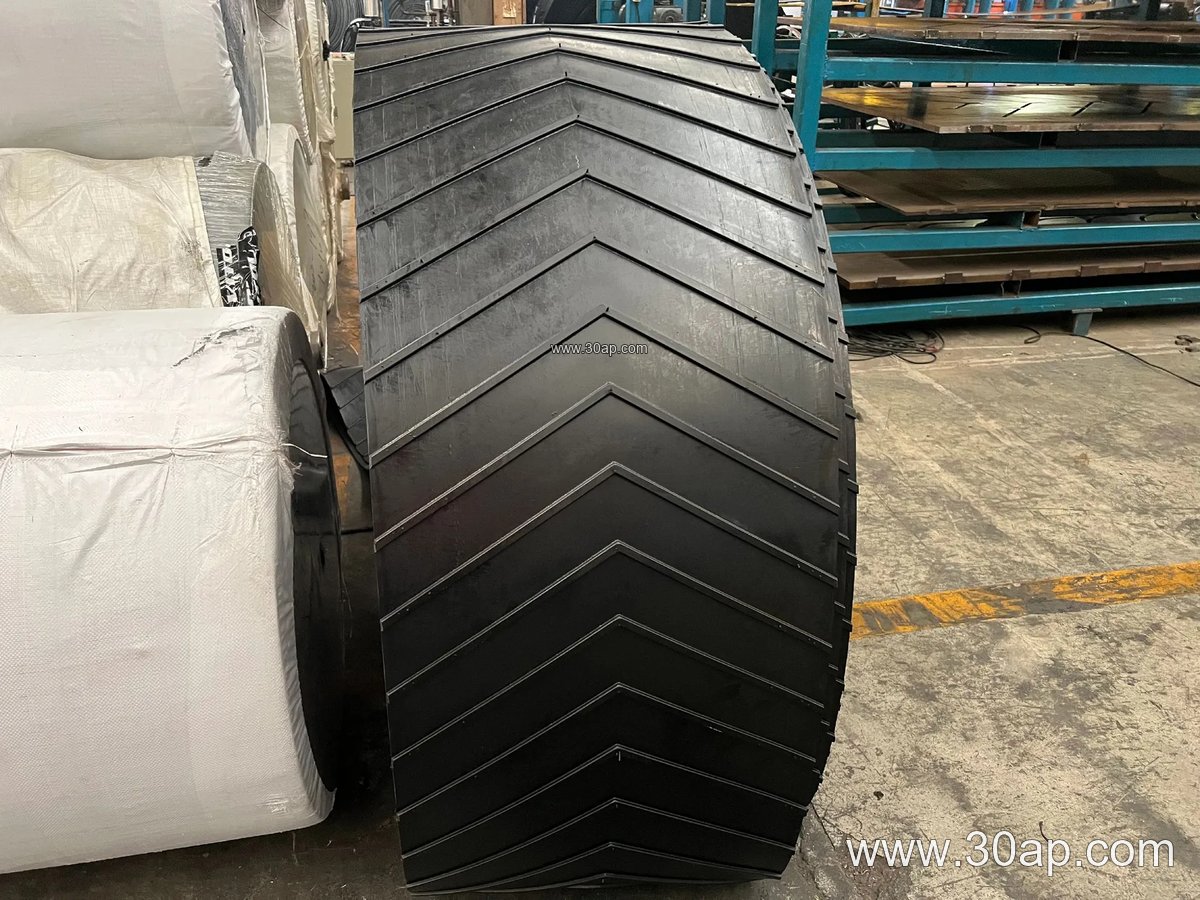
A fabric-core belt has one or more layers of woven fabric embedded in rubber. EP conveyor belt (polyester warp, nylon weft) and NN conveyor belt (nylon warp and weft) are the common carcass options at this width, usually with two to four plies. A multi-ply fabric core conveyor belt gives good troughability and resistance to ripping at a moderate cost. For heavier duty, a steel cord conveyor belt replaces the fabric plies with parallel steel cords, though at 650mm it is less common than fabric construction.
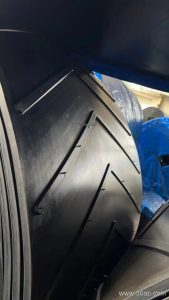
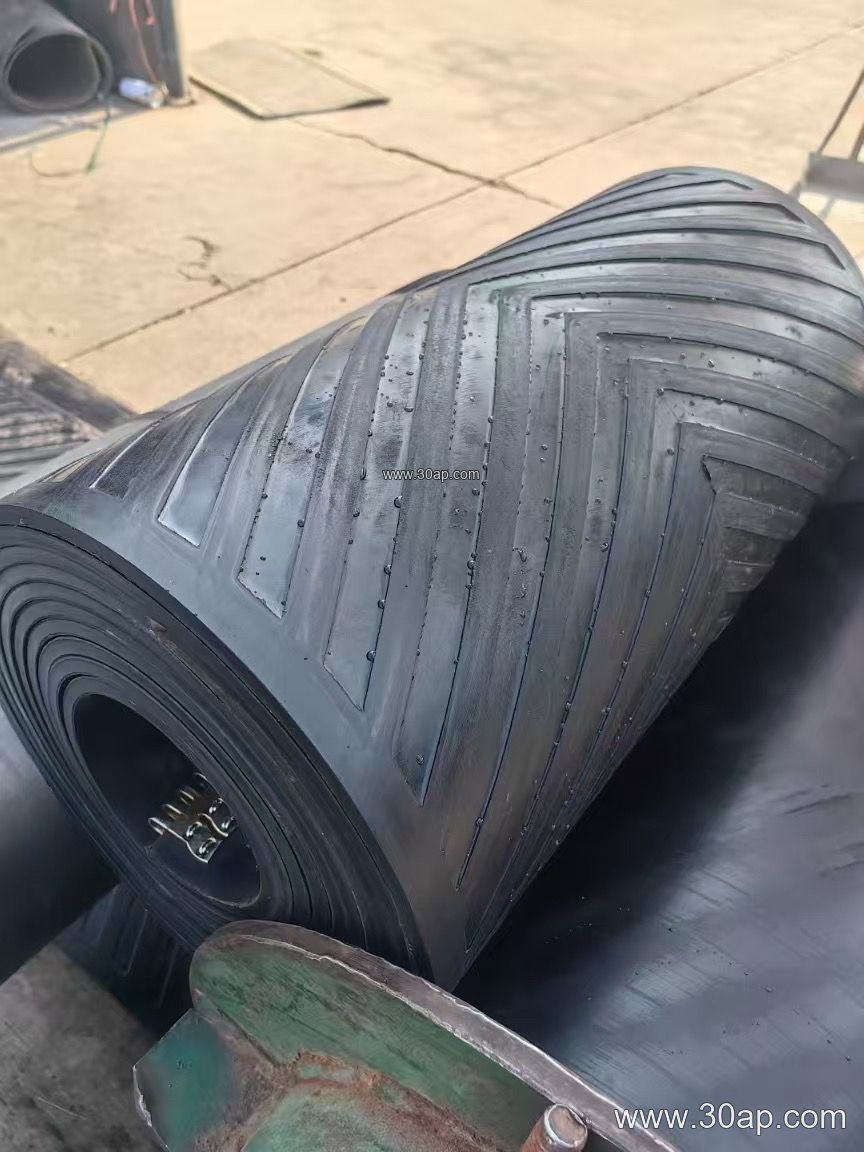
The cover compound is selected for the cargo and the environment. Abrasion resistant conveyor belt grades handle crushed stone, sand and ore; heat resistant conveyor belt grades suit clinker and sinter; oil resistant conveyor belt grades are used for oily scrap and some mineral feeds; flame retardant conveyor belt and anti-static conveyor belt grades appear in coal mining and underground mining conveyor belt systems. A rubber conveyor belt with a plain smooth cover is the default, while a chevron conveyor belt or corrugated sidewall conveyor belt is chosen when the incline is steep or material must be contained.
Typical Specifications at This Width
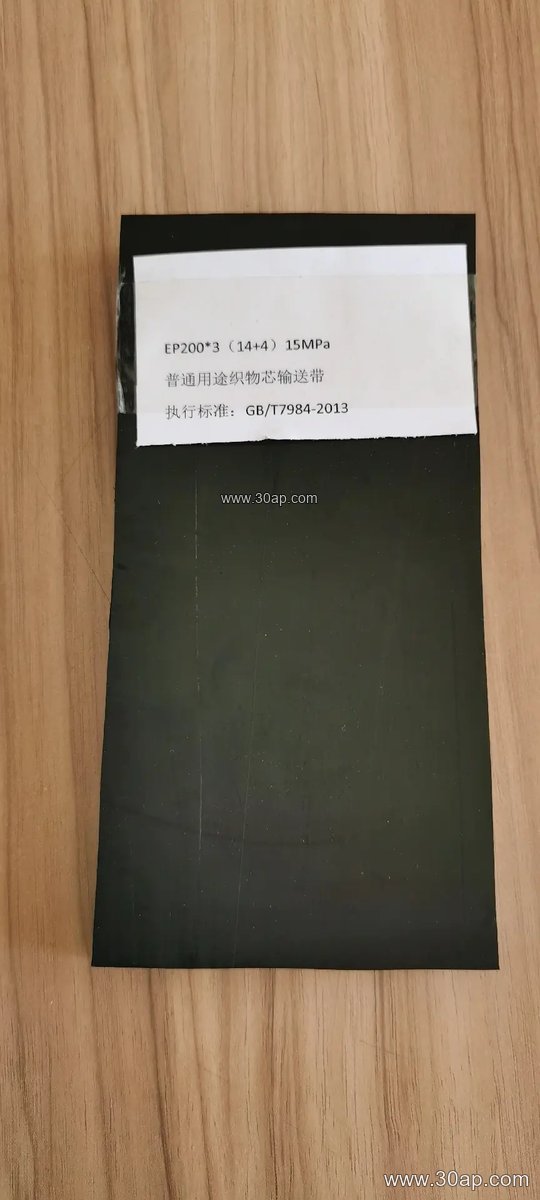
The figures below are common reference values, not fixed combinations. Actual construction is set by the conveyor design and confirmed with the manufacturer.
| Item | Common reference values |
|---|---|
| Belt width | 650 mm (B650) |
| Carcass type | EP fabric, NN fabric, steel cord |
| Strength grade | EP200, EP315, EP400, EP500, EP630 |
| Number of plies | 2 to 4 plies typical at this width |
| Top and bottom cover | 4+2 mm, 5+2 mm, 6+2 mm |
| Surface form | Plain, chevron, corrugated sidewall, skirted |
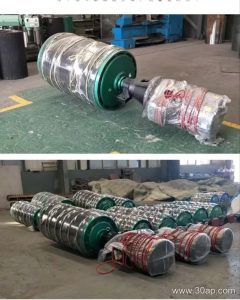
Strength grade and ply count must match the calculated tension, not the belt width alone. A 650mm belt can run on a range of pulley diameters depending on the carcass and the duty; there is no single fixed pulley size tied to the width, and shaft diameter follows the pulley design and load case. Drive pulleys, tail pulleys and bend pulleys each have their own function and are not interchangeable.
Where It Fits in the Plant
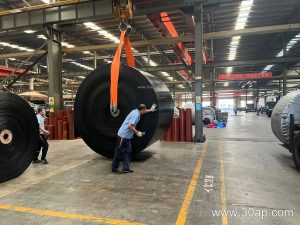
At 650mm the belt is well suited to feeder discharges, screening plant transfer conveyors, batching lines and small to medium stockyard conveyors. Typical industries include sand and gravel plants, stone crushing lines, cement plants, power plants, and coal preparation. In mining and quarrying, a 650mm abrasion resistant belt often moves crushed rock from a crusher conveyor to a screen, while a flame retardant grade may be required in coal handling and underground coal mining conveyors.
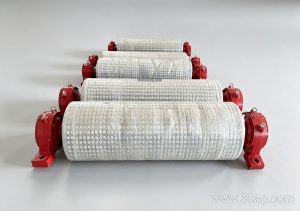
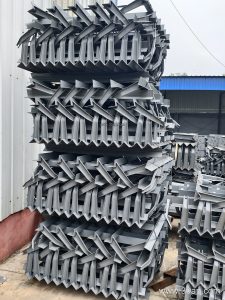
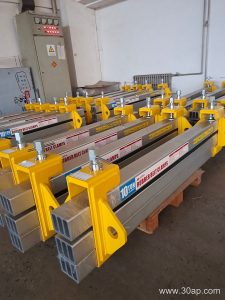
Supporting hardware matters as much as the belt. Troughing idler rollers set the belt profile and reduce spillage, return idlers support the empty run, and conveyor brackets and frames keep alignment steady. A correctly sized conveyor pulley at the head and tail, with lagging where traction is needed, protects the splice and extends belt life. For layouts with tight curves or dusty enclosures, a pipe conveyor belt or an enclosed design may be considered, but that is a different belt concept rather than a substitute for a flat 650mm belt.
What Buyers Should Check
- Confirm the required strength grade and ply count from the conveyor tension calculation, not from habit.
- Match the cover compound to the material: abrasion, heat, oil, flame, or cold resistance.
- State cover thickness as top plus bottom, for example 5+2 mm, and confirm tolerances.
- Check minimum pulley diameters and splice type with the belt maker before ordering pulleys.
- For inclined sections, decide early between a plain belt and a chevron or sidewall design.
- Ask about edge condition, since a 650mm belt has less margin for mistracking than an 800mm or 1000mm belt.
Finally, keep spares consistent. Mixing carcass types or cover grades on the same conveyor complicates splicing and maintenance. A clear specification covering width, grade, plies, covers, and surface form makes the 650mm conveyor belt easy to source, install and replace.