What a Galvanized Conveyor Bracket Does on a Belt System
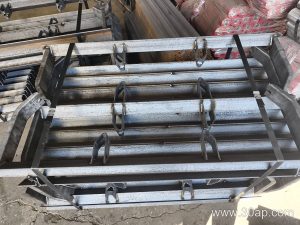
A galvanized conveyor bracket is the support structure that holds idler rollers in the correct position under and around a conveyor belt. In practice, it is the frame that carries troughing idlers on the carrying side and return rollers on the return side, keeping the belt profile stable from the loading point to the discharge pulley. Hot-dip galvanizing gives the bracket a zinc coating that resists moisture, dust and the corrosive splash common in washing and screening areas, which is why this finish is often chosen for outdoor and wet-process installations.
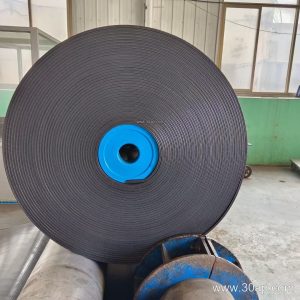
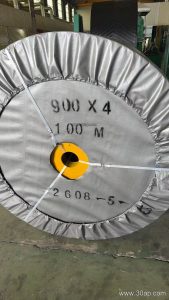
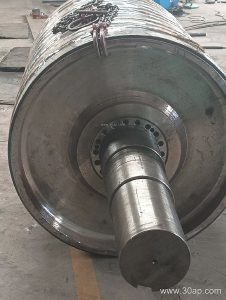
On a typical troughed conveyor, the bracket works together with the conveyor belt, the conveyor pulley at each end and the idler roller set in between. The bracket does not move the material itself, but its geometry decides how well the belt is supported, so it directly affects belt tracking, spillage and roller life.
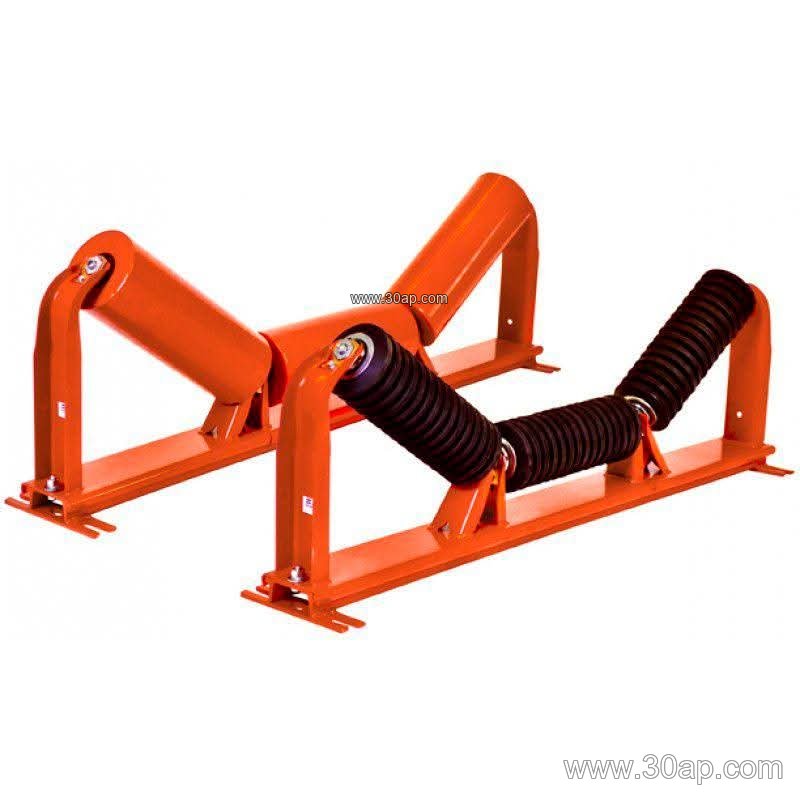
Construction and Common Forms
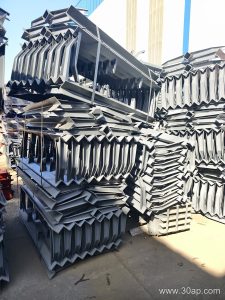
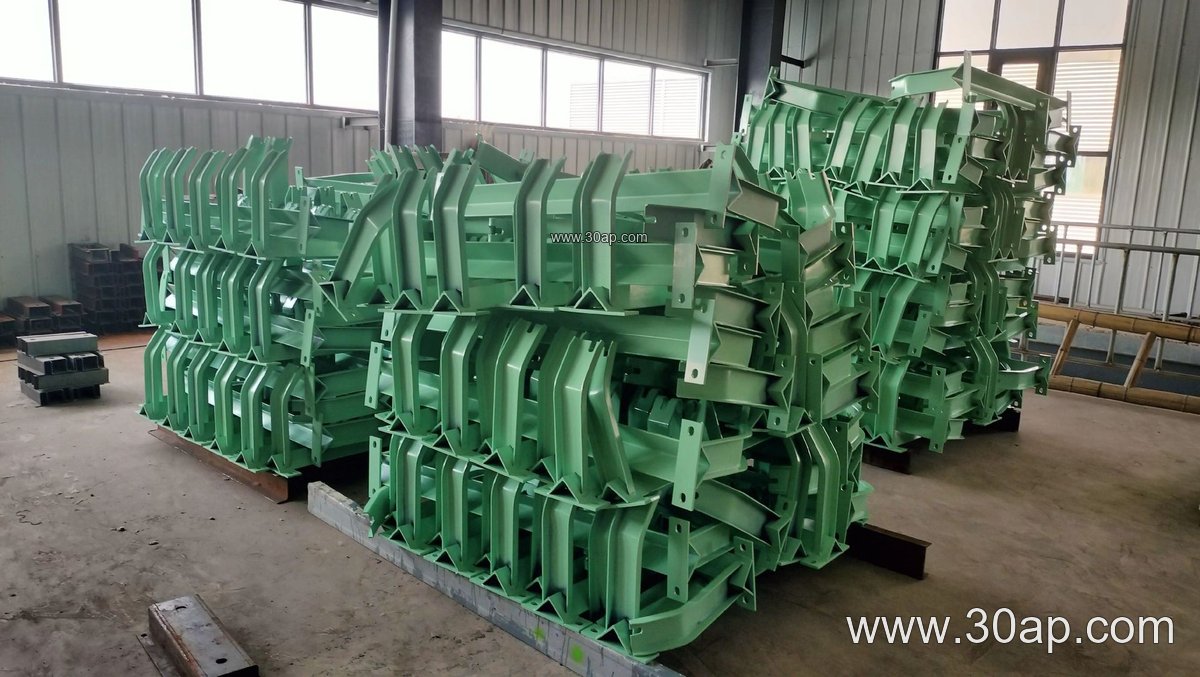
Most brackets are fabricated from angle steel, channel steel or folded steel plate, then galvanized after cutting, drilling and welding. The mounting holes and crossbeam length are matched to the belt width and trough angle, so they are determined by design rather than fixed values. Common configurations include:
- Troughing brackets for the carrying side, usually with 20, 30, 35 or 45 degree trough angles.
- Transition brackets placed near the head and tail pulleys to ease the belt from flat to troughed.
- Return brackets, including flat and V-return forms, for the lower run.
- Impact brackets under the loading zone, often combined with cushion rollers.
- Self-aligning and forward-leaning brackets for belt tracking control.
- Adjustable brackets that allow the trough angle to be changed within a range.
The table below shows reference combinations only; actual hole spacing and beam length should follow the conveyor design.
| Belt width | Typical trough angle | Common roller diameter |
|---|---|---|
| B500 / B650 | 20 to 30 degrees | Ø89 |
| B800 / B1000 | 30 to 35 degrees | Ø108 |
| B1200 / B1400 | 35 to 45 degrees | Ø133 |
| B1600 / B1800 | 35 to 45 degrees | Ø159 |
| B2000 and above | By design | Ø194 |
Where These Brackets Are Used
Galvanized brackets appear in quarry and aggregate lines, in cement plants handling clinker and raw meal, and in coal preparation plants where wash water and humidity are present. They are also common in power plant coal handling systems, port bulk terminals and crushing and screening circuits. In a sand and gravel line, the bracket often sits close to the screen deck, where dust and moisture make a zinc coating worthwhile. In a coal washing plant, the same part may be paired with a flame retardant conveyor belt and anti-static rollers to meet site safety requirements.
For heavier duties, such as iron ore or copper ore transport, brackets may be specified with thicker steel and matched to a steel cord conveyor belt or a heavy-duty fabric belt. Lighter lines handling grain or fertilizer may use a smaller bracket with a food grade or oil resistant belt, depending on the material.
Matching the Bracket to Belt and Roller
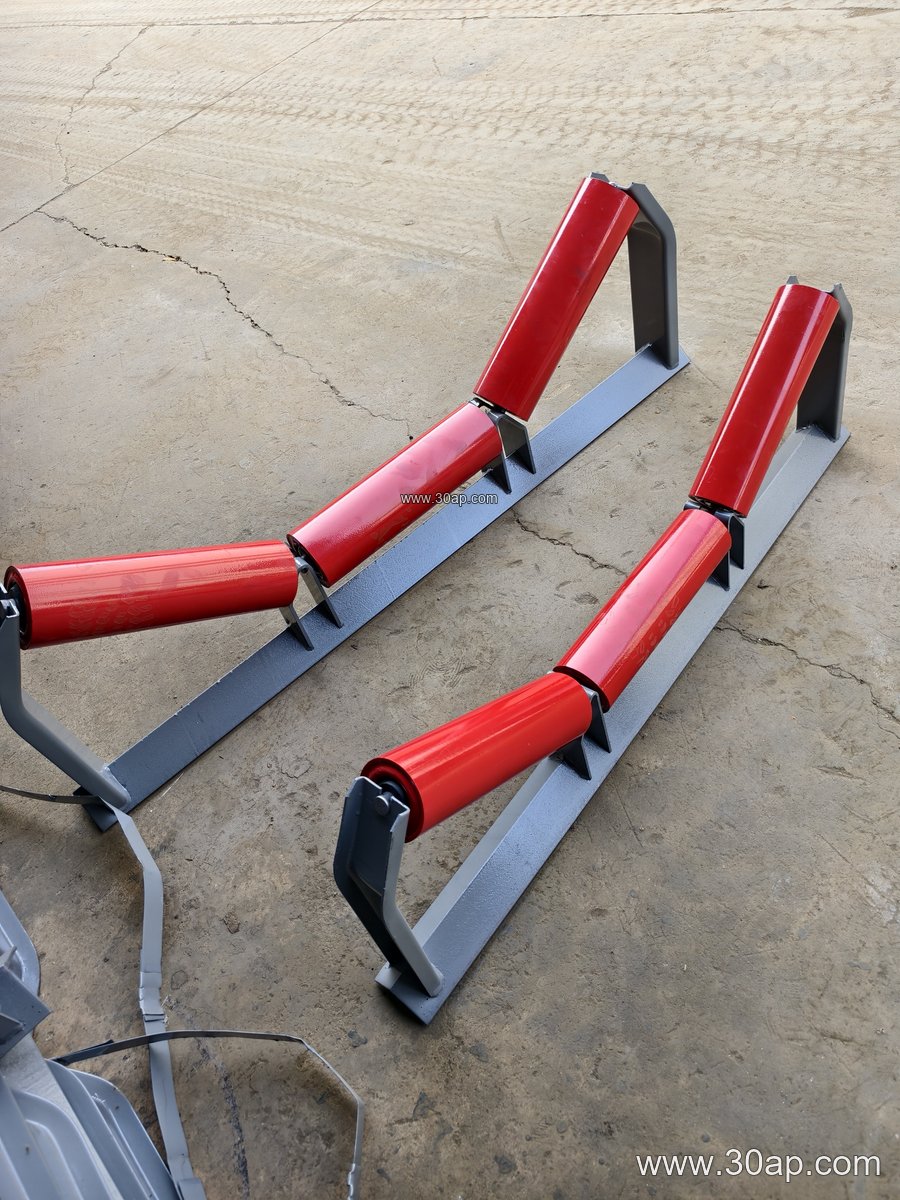
A bracket is only one part of the assembly, so selection should start from the belt width, the expected load and the roller diameter. A 35 degree trough is common for bulk materials, while a 45 degree trough gives a deeper bed for fine, free-flowing material. A 20 degree trough suits wider belts and materials that should not be over-compressed. Adjustable brackets are useful where the same conveyor handles different materials across the season.
Forward-leaning brackets, usually set at about 1.5 to 2 degrees, help the belt stay centered. Self-aligning brackets are often placed at intervals along the carrying side, while impact brackets belong directly below the feed chute. The conveyor pulley at the discharge end and the tail pulley at the loading end should be checked together with the bracket layout, because belt tension and pulley alignment influence how the bracket performs.
Buyer Checklist
- Confirm belt width, trough angle and roller diameter before ordering.
- Check the galvanizing thickness and whether the finish suits wet or coastal conditions.
- Verify mounting hole spacing against the existing frame, not just the nominal size.
- Ask whether the bracket is fixed or adjustable if future material changes are expected.
- Review weld quality and edge treatment to avoid damage to the belt surface.
During maintenance, inspect brackets for loose bolts, bent crossbeams and zinc wear at contact points. A bracket that has shifted can cause the belt to run off-center, which then loads the idler roller and the conveyor pulley unevenly. Replacing a distorted bracket early is usually simpler than correcting the belt tracking afterwards.