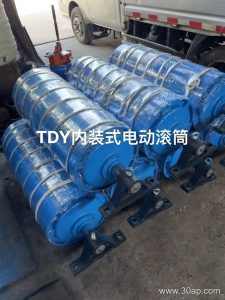
What This Pulley Is and Where It Fits
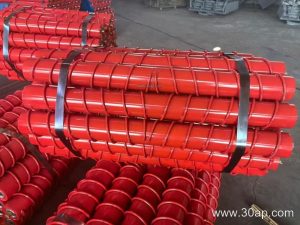
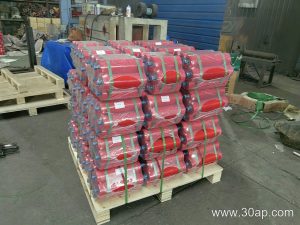
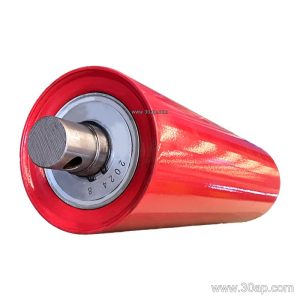
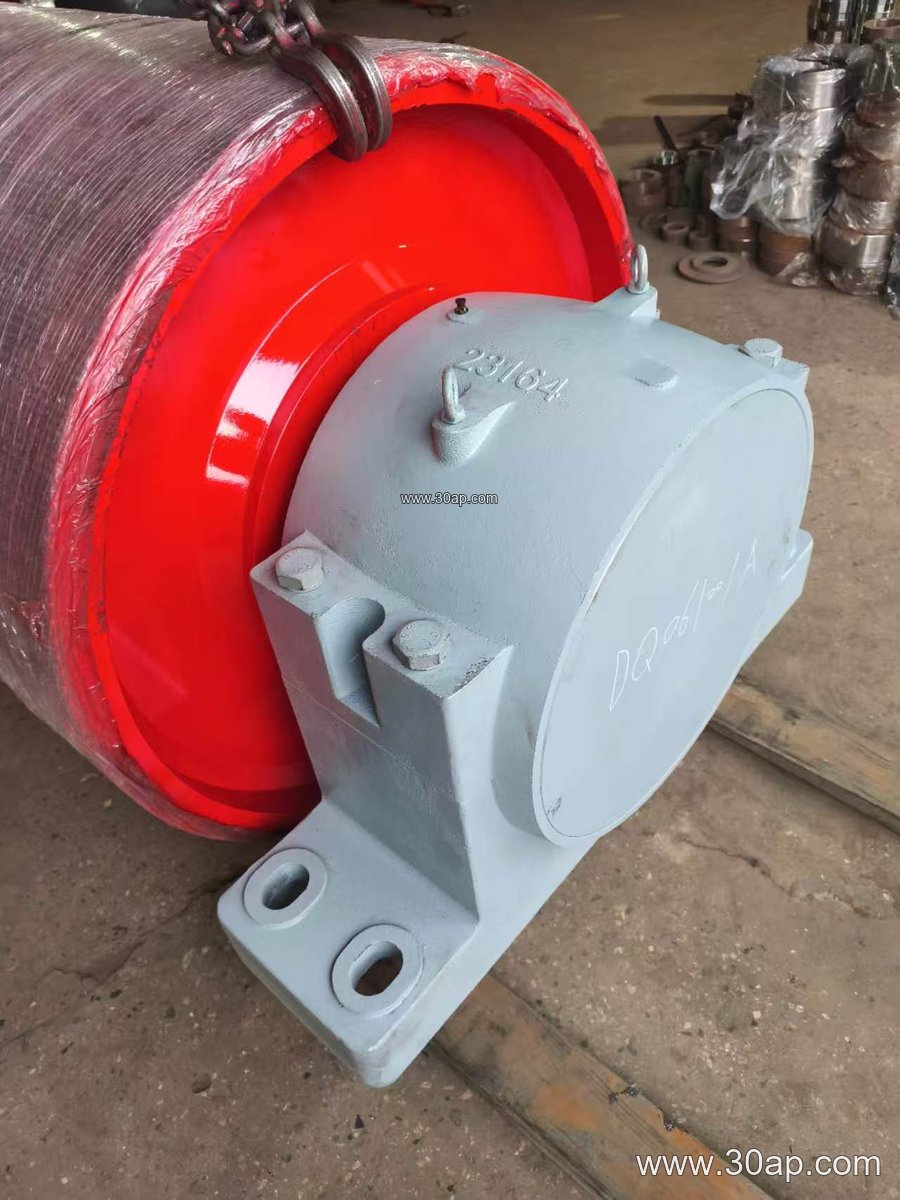
A high wear-resistant lagged pulley is a conveyor pulley whose shell is covered with a tough rubber or ceramic lagging layer, fitted to the drum to protect both the steel surface and the conveyor belt. The lagging raises friction between drum and belt, which matters most at the drive position, where torque has to be transferred without slip. In a limestone quarry or a sand and gravel line, the same drum may also serve as a bend or snub point, but the wear-resistant build is usually chosen for the drive pulley because that is where slip, dust and grit do the most damage.
Because the surface is the working part, the lagging grade decides service life. A heavy-duty mining conveyor belt running over a poorly protected drum can polish the shell quickly; a properly lagged pulley keeps grip and spreads load across the belt width.
Construction Details That Matter
These pulleys are usually built from a rolled steel shell, welded end discs, a shaft sized by torque and load, and bearing housings that bolt to the conveyor bracket. The lagging is applied as sheet rubber, cold-bonded rubber, hot-vulcanized rubber, or ceramic tiles set in rubber. Surface patterns include plain, diamond and herringbone, and thickness commonly runs 8, 10, 12, 15 or 20 mm depending on duty.
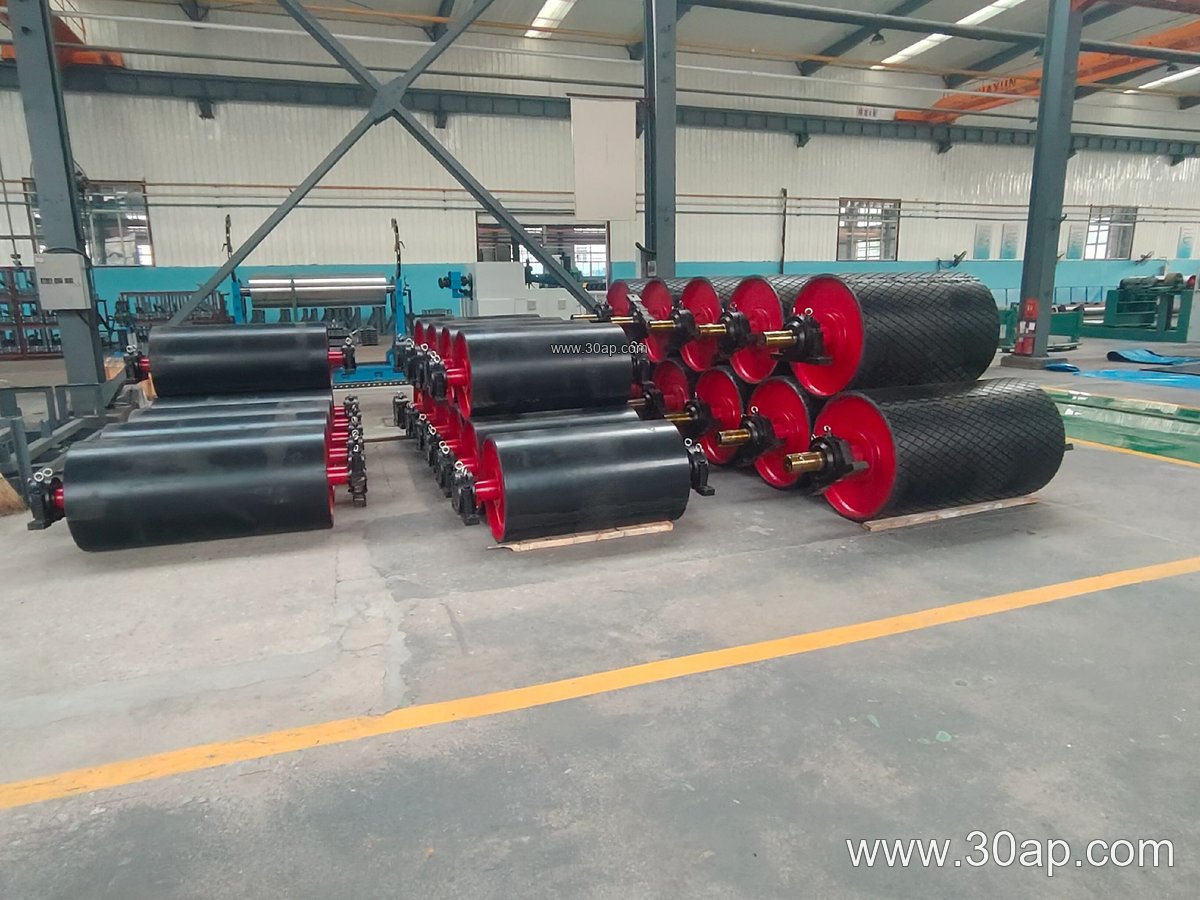
- Shell and shaft designed for the actual belt pull, not guessed from belt width
- Lagging bonded and finished so joints do not lift under repeated flexing
- Bearing selection matched to radial load and shaft deflection
- Balanced drum for higher-speed drives
Shaft diameter is set by torque and load; common values such as Ø80, Ø100, Ø120 or Ø160 appear across many installations, but no belt width automatically fixes a shaft size.
Common Sizes and Surface Options
Buyers often describe a drum by face width and diameter together, for example B800 × Ø500, B1200 × Ø1000 or B1400 × Ø800. Face width is normally a little wider than the belt so the belt stays supported. Typical face widths are listed below as reference, not as fixed pairings.
| Belt width | Typical face width | Common diameter range |
|---|---|---|
| B650 | about 750 mm | Ø315 to Ø630 |
| B800 | about 950 mm | Ø400 to Ø800 |
| B1000 | about 1150 mm | Ø500 to Ø1000 |
| B1200 | about 1400 mm | Ø630 to Ø1250 |
| B1400 | about 1600 mm | Ø800 to Ø1400 |
| B1600 | about 1800 mm | Ø800 to Ø1600 |
| B1800 | about 2000 mm | Ø1000 to Ø1800 |
Lagging choice follows the material: diamond or herringbone rubber for general grip, ceramic lagging for sharp, high-abrasion loads in iron ore or copper ore handling, and plain rubber where cleaning is easier. A drum feeding an abrasion resistant conveyor belt in a crusher discharge area usually deserves the thicker end of the range.
Selection and Maintenance Notes
Match the drum to its position. A drive or head pulley carries the highest torque and needs the strongest lagging bond; a tail or bend pulley may use a lighter surface. Check that the belt tracking is correct before blaming the lagging, and inspect the drum face for embedded stone, worn grooves or lifted edges during scheduled shutdowns. Keep the conveyor pulley aligned with the idler roller frames so the belt does not climb the face.
For a tunnel spoil line, a cement plant clinker route or a power plant coal feed, confirm the ambient conditions: heat, oil and flame requirements differ, and the belt may be a heat resistant conveyor belt, an oil resistant conveyor belt or a flame retardant conveyor belt. The lagging should suit the same environment.
When ordering, state belt width, drum diameter, face width, shaft size, lagging type and thickness, bearing arrangement and mounting position. Ask for the lagging hardness and pattern in writing so replacements match. A spare drum kept on site is cheaper than a stopped line, and a wear-resistant lagged pulley is only as good as the belt it grips.