What a Conveyor Support Bracket Does on a Belt Conveyor
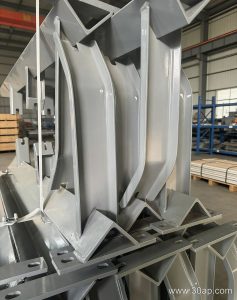
A conveyor support bracket is the steel component that holds idlers in the correct position under and over the belt. It connects the idler roller to the conveyor frame, sets the trough angle, and keeps the belt profile stable along the whole run. In a quarry, a cement plant, or a power plant coal yard, these brackets are the quiet workhorses that determine whether the belt tracks straight or wanders. The same part is also called a conveyor bracket or idler support bracket, and the accurate equivalent name is idler bracket.
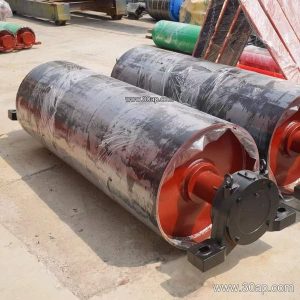
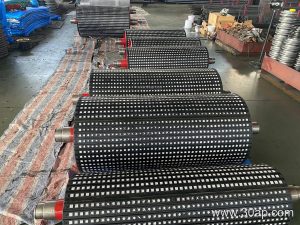
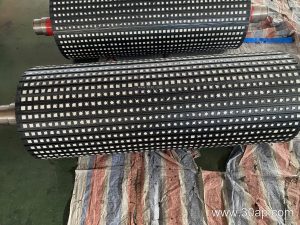
The bracket works together with the conveyor belt, the conveyor pulley at each end, and the frame. If the bracket is weak or badly aligned, the belt edge wears fast and the idler roller bearings fail early. That is why buyers should treat the bracket as a structural item, not a small accessory.
How the Bracket Is Built
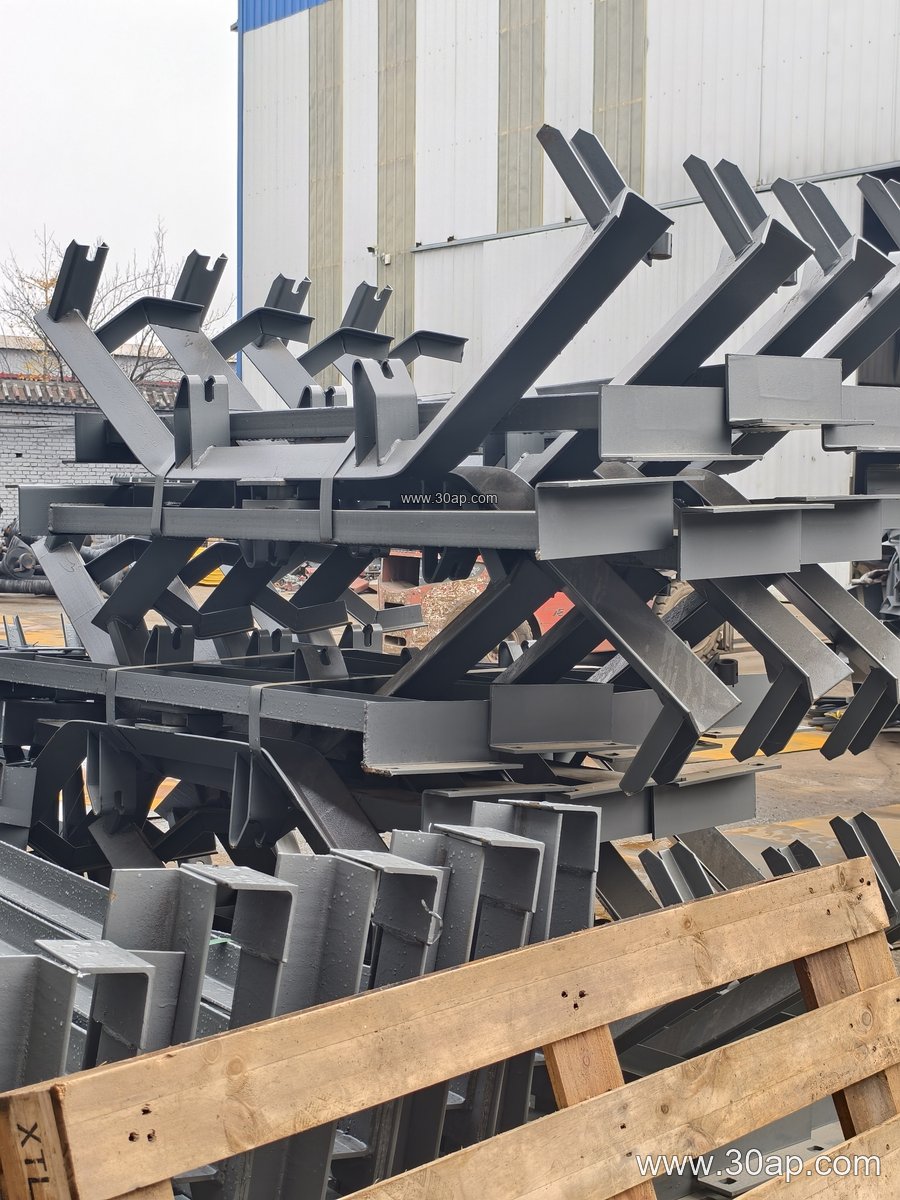
Most brackets are fabricated from angle steel, channel steel, or bent steel plate. The material and thickness are chosen according to the load from the belt and the material being carried. A heavy-duty mining conveyor belt loaded with iron ore needs a stiffer bracket than a light food-grade line.
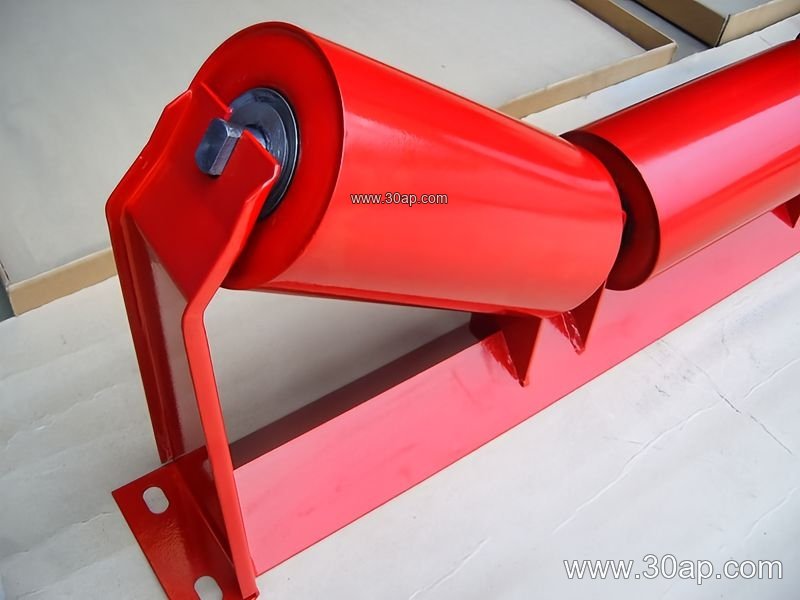
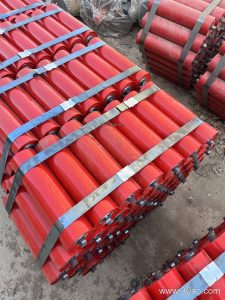
Common forms include trough brackets for the carrying side, return brackets for the lower run, V-return brackets, impact brackets under loading points, and self-aligning brackets that help correct belt drift. Adjustable brackets allow the trough angle to be changed on site, which is useful during commissioning or when material conditions change.
Typical reference data for the main dimensions:
| Parameter | Common Range |
|---|---|
| Belt width B | B500, B650, B800, B1000, B1200, B1400, B1600, B1800, B2000, B2200 |
| Trough angle | 20°, 30°, 35°, 45° (adjustable types can be set between these) |
| Idler diameter | Ø89, Ø108, Ø133, Ø159, Ø194 |
| Material | Angle steel, channel steel, bent steel plate |
Installation hole spacing and crossbeam length usually follow the belt width and trough angle. They should be confirmed against the drawing rather than assumed.
Where These Brackets Are Used
You will find conveyor support brackets in almost any bulk handling line. In a limestone mine or crushing and screening plant, trough brackets carry the belt through the loading zone, while impact brackets sit under the crusher discharge. In a coal washing plant or underground coal mining conveyor, flame retardant conveyor belt and anti-static conveyor belt runs rely on well-aligned brackets to reduce spark risk and belt damage.
In a cement plant, heat resistant conveyor belt may pass close to clinker, so brackets near hot zones should be checked for distortion. In a port or ship loading system, wide belts such as a 1800mm wide conveyor belt need long, rigid crossbeams and accurately spaced brackets to keep the belt supported.
Matching the Bracket to Belt and Idler
There is no single bracket size for every line. A B800 belt with a 35° trough and Ø108 idlers is a common combination, and a B1200 belt with a 45° trough and Ø133 idlers also appears often. But belt width does not fix one trough angle or one idler diameter. The choice depends on capacity, material lump size, belt stiffness, and the transition distance from the pulley.
For heavy-duty mining conveyor belt or steel cord conveyor belt with high tension, the bracket and frame must be stiff enough to resist deflection. For a pipe conveyor belt or corrugated sidewall conveyor belt, special bracket layouts may be needed, and these should be designed with the conveyor maker. Fabric core belts such as EP conveyor belt or NN conveyor belt are more forgiving, but they still need correct bracket alignment.
Buyer Checklist Before Ordering
- Confirm belt width and the required trough angle, for example B1000, 35°.
- Confirm idler diameter and the mounting hole spacing on the frame.
- State the material and thickness of the steel, especially for abrasive or corrosive sites.
- Decide between fixed and adjustable brackets; adjustable types help with field tuning.
- Check whether impact or self-aligning brackets are needed at load points and curves.
- Ask for drawings showing crossbeam length and hole positions.
For related components, buyers often review conveyor idler roller and conveyor pulley specifications together with the bracket drawing, because the three parts must fit as one assembly.
Installation and Maintenance Notes
Mount brackets square to the conveyor centerline and at the height given on the drawing. A bracket that is twisted or set too high will lift the belt edge and cause mistracking. Check bolt tightness after the first week of running, then at regular intervals. In dusty sites such as a sand and gravel line or a fertilizer plant, clean the bracket seat so the idler sits flat. Replace bent brackets promptly; a deformed bracket can damage the belt and shorten pulley life.
Well-chosen conveyor support brackets are a small cost compared with belt replacement. Getting the width, angle, and idler size right at the order stage keeps the whole conveyor line running smoothly.