What Is an EP Rubber Conveyor Belt
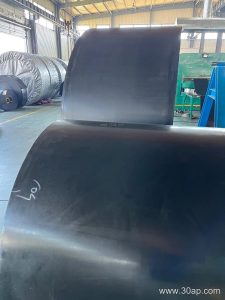
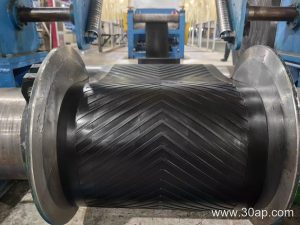
An EP Rubber Conveyor Belt is a fabric-core belt built with polyester (E) warp yarns and polyamide (P) weft yarns, encased in rubber covers. The EP fabric core gives the belt high tensile strength, low elongation, and good resistance to impact, while the rubber covers protect the carcass from abrasion, moisture, and the material being conveyed. This belt is also known as an EP Conveyor Belt or EP Fabric Core Conveyor Belt, and it is one of the most widely used Fabric Core Conveyor Belt types in bulk material handling.
Construction and Key Components
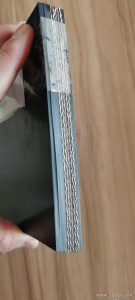
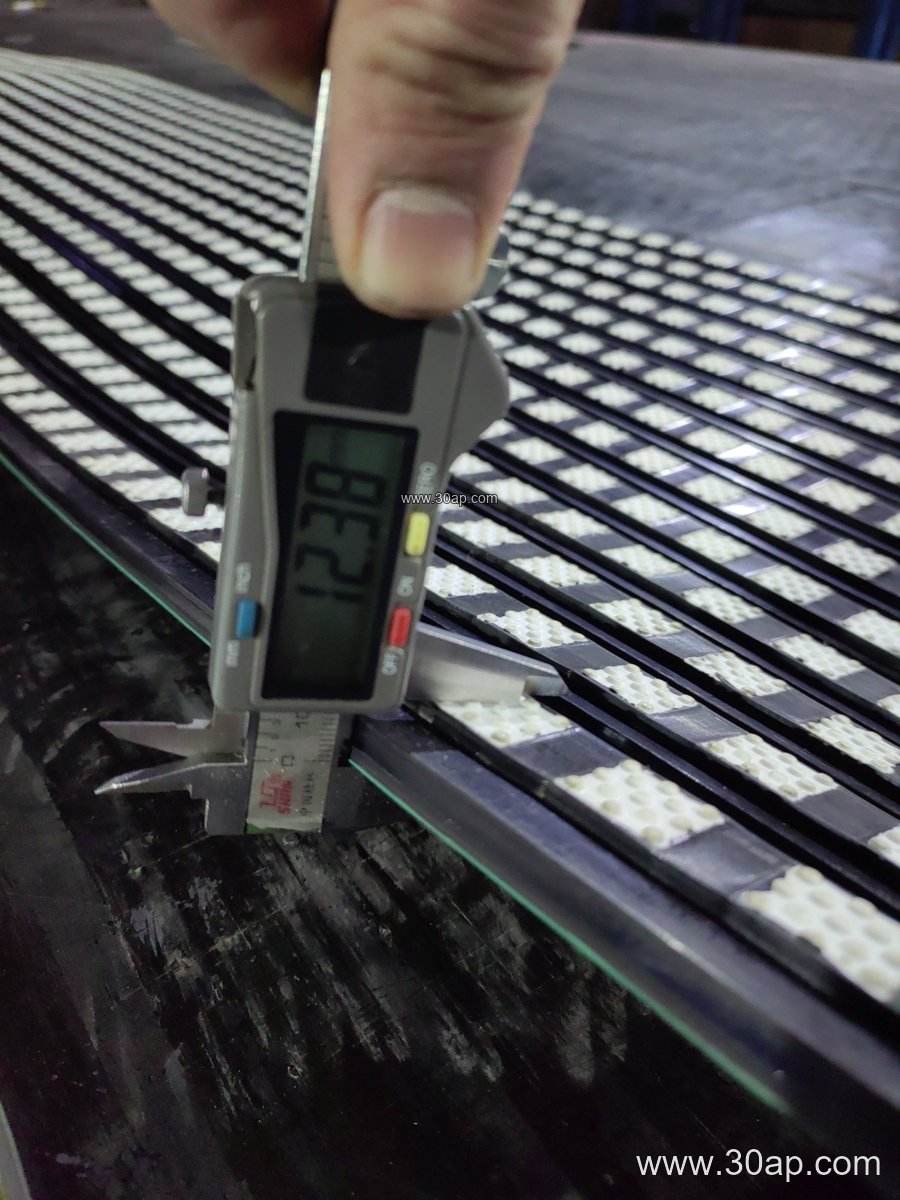
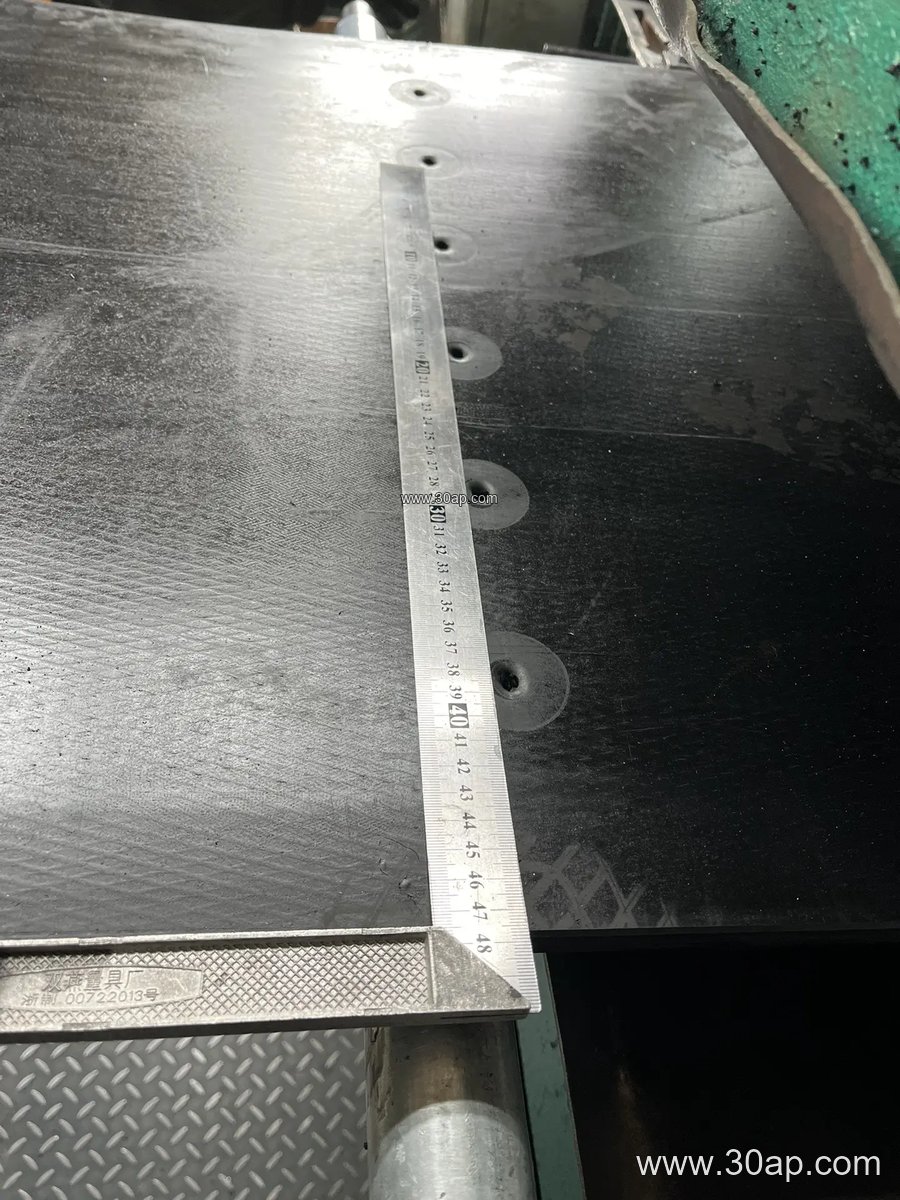
The belt is typically built from two to six plies of EP fabric, bonded together with rubber skim compounds. The top and bottom covers are made of rubber selected for the working conditions. Common cover thickness combinations include 3+1.5 mm, 4+2 mm, 5+2 mm, 6+2 mm, and 8+3 mm. The carcass provides strength, while the covers handle wear, heat, oil, or flame exposure. A Multi-Ply Fabric Core Conveyor Belt like this can be customized with different cover grades for specific industries. For comparison, a Steel Cord Conveyor Belt uses steel cables instead of fabric plies and is chosen for very long distances or extremely high tension, while the EP belt remains a flexible and cost-effective option for many plant conveyors.
Where EP Rubber Conveyor Belts Are Used
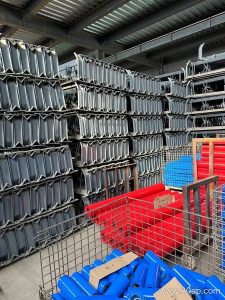
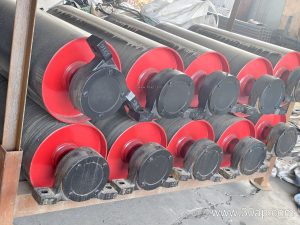
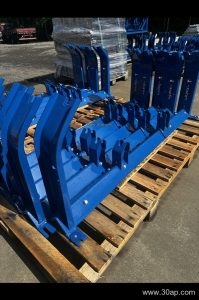
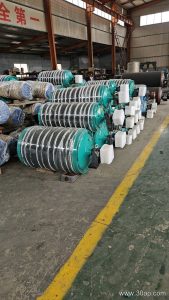
These belts are common in mining, coal preparation, cement plants, power stations, quarries, sand and gravel yards, steel mills, ports, and recycling facilities. They carry crushed rock, ore, clinker, coal, aggregate, and other bulk materials. In a typical conveyor line, the belt runs over idler rollers, around conveyor pulleys, and is supported by conveyor brackets and frames. The drive pulley, tail pulley, and bend pulley each have a different role and are not interchangeable; the belt must be matched to the pulley diameters and the overall conveyor design. For dusty or underground conditions, a Flame Retardant Conveyor Belt or Anti-Static Conveyor Belt version may be specified, but the EP carcass remains the same.
Common Specifications and Models
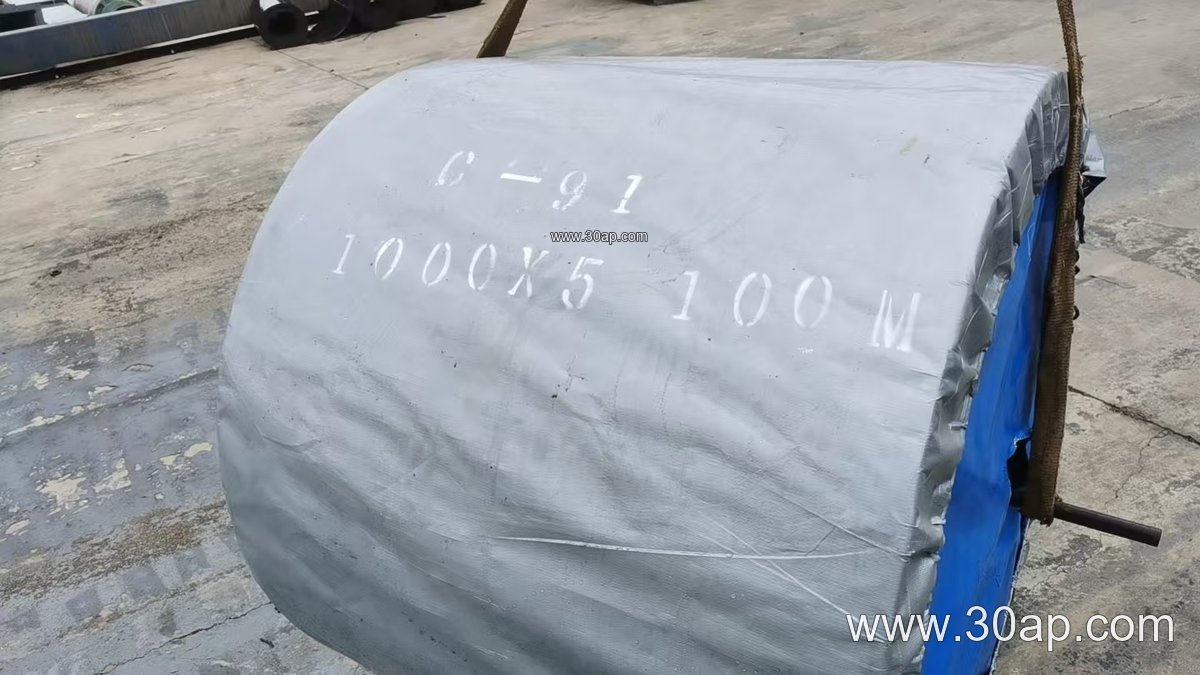
EP belts are usually identified by their tensile strength grade and width. The following table shows typical reference values; actual supply depends on the manufacturer and the conveyor design.
| Parameter | Common Reference Range |
|---|---|
| Strength grade | EP200, EP315, EP400, EP500, EP630, EP800, EP1000, EP1250, EP1600, EP2000 |
| Belt width | B500, B650, B800, B1000, B1200, B1400, B1600, B1800, B2000 |
| Cover thickness | 3+1.5 mm, 4+2 mm, 5+2 mm, 6+2 mm, 8+3 mm |
| Number of plies | Usually 2 to 6 |
For example, an EP1000 belt at 1200 mm width is a common combination in aggregate plants, but no single width is tied to one pulley diameter. The pulley size, shaft, and take-up arrangement are determined by the conveyor engineer. Other subtypes such as NN Conveyor Belt (nylon-nylon) and Chevron Conveyor Belt are available for different needs, but they do not replace the EP belt in this discussion.
Selection and Maintenance Tips
- Match the strength grade to the maximum working tension and the safety factor required by the conveyor design.
- Choose the cover grade for the environment: abrasion resistant for rock and ore, heat resistant for clinker and cement, oil resistant for oily materials, and cold resistant for low-temperature sites.
- Check pulley diameters, idler spacing, and loading conditions to avoid edge damage and excessive sag.
- Keep the belt aligned and maintain idler roller rotation; seized rollers can wear the bottom cover quickly.
- Inspect splices and edges regularly, especially in high-impact transfer points.
An EP rubber conveyor belt is a practical choice for many bulk handling lines, from a quarry conveyor to a power plant coal system. Buyers should confirm the strength grade, width, cover thickness, and any special properties such as flame retardancy or oil resistance with the supplier, and ensure the belt matches the pulley and idler layout of the conveyor.