What a Mining Belt Conveyor Pulley Does
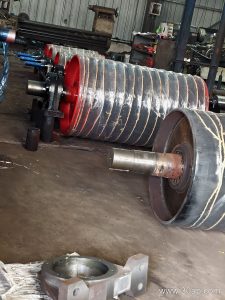
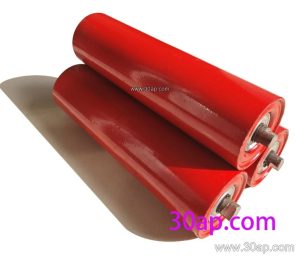
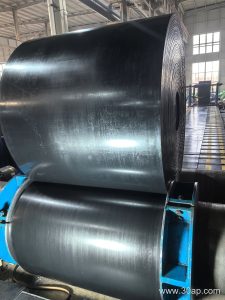
A mining belt conveyor pulley is the rotating drum that turns the endless belt loop at the head, tail, or intermediate points of a conveyor. In a quarry, iron ore plant, or coal preparation facility, this component transfers drive torque to the belt, maintains tension, and controls the belt path. Because a conveyor pulley is not a single interchangeable part, the drive pulley, tail pulley, and bend pulley each serve a distinct function and are specified separately.
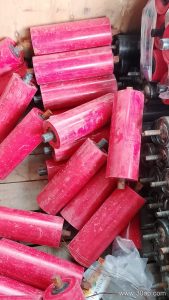
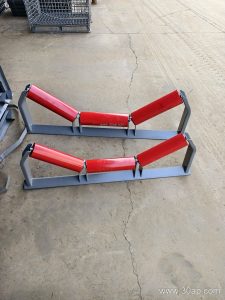
The main subject here is the drum assembly itself. It works together with the conveyor belt, idler rollers, and conveyor brackets, but the pulley is the component that carries the highest concentrated load at the belt wrap.
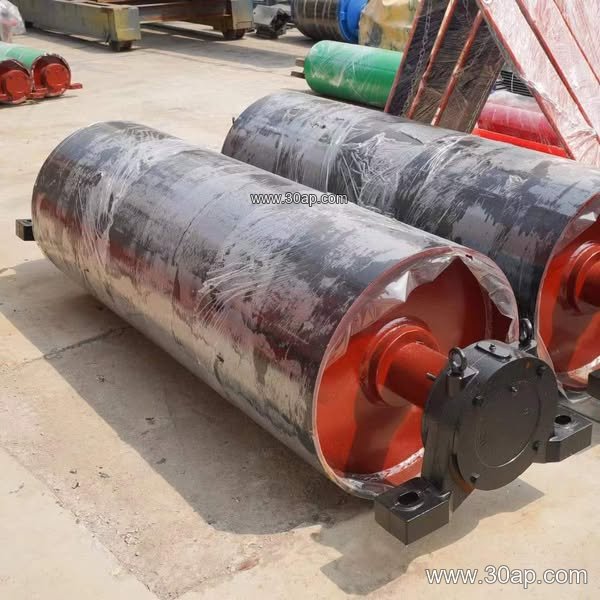
How the Drum Is Built
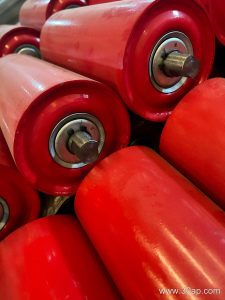
Most industrial pulleys use a welded steel shell, two end discs, a shaft, and bearing housings mounted on a sturdy frame. The shell is machined or rolled to a true diameter so the belt runs without tracking drift. Shaft ends are keyed or shrink-fitted, and bearing selection follows the radial load from belt tension plus the weight of the drum.
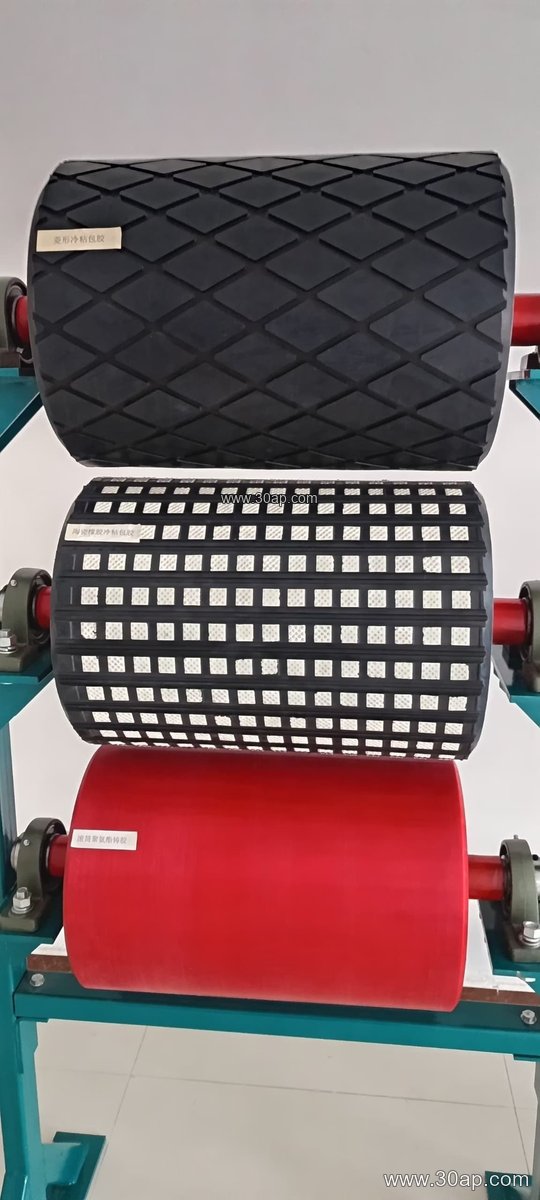
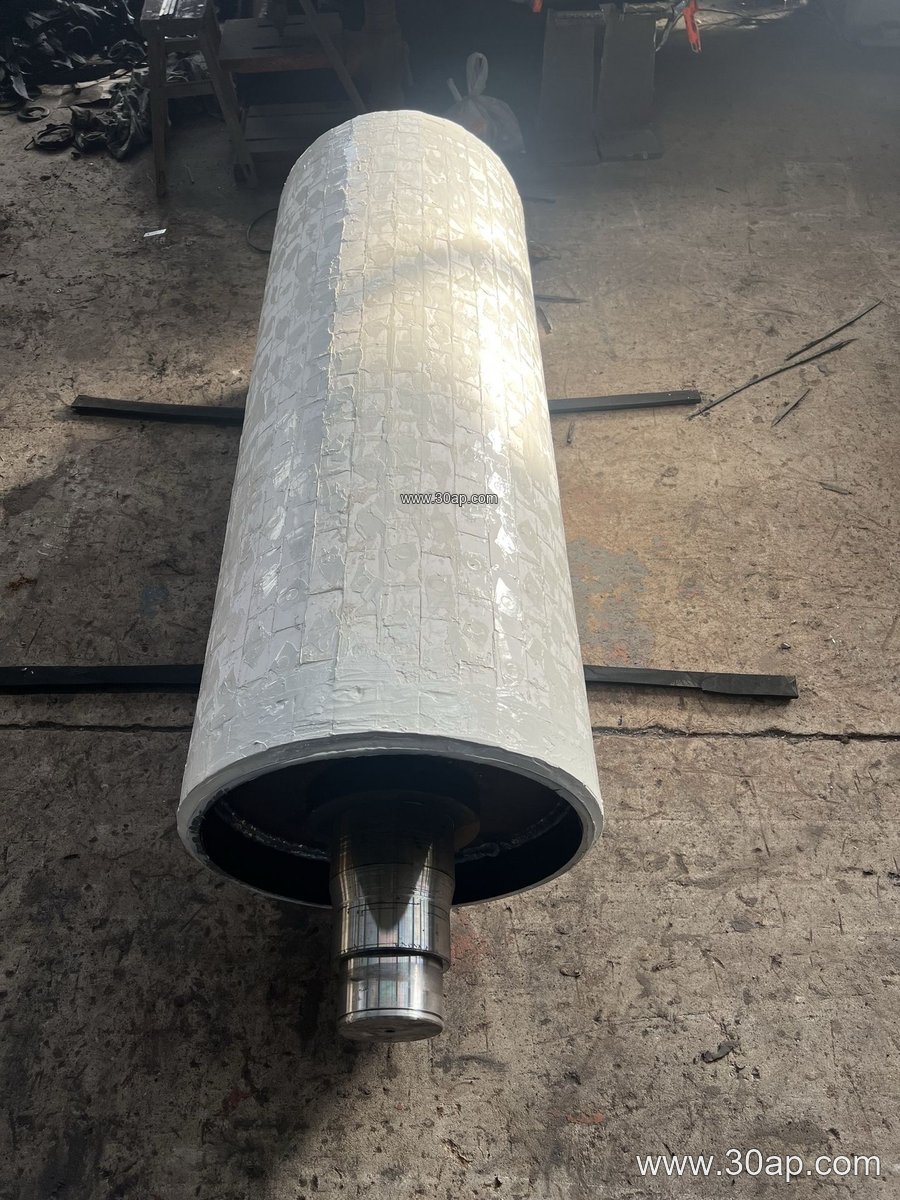
Surface treatment matters as much as the shell. Common options include plain finish, hot-vulcanized rubber, cold-bonded rubber, diamond grooving, herringbone grooving, and ceramic lagging. Lagging thickness is frequently 8, 10, 12, 15, or 20 mm, chosen according to slip risk and material abrasiveness. In a crusher discharge or aggregate line handling sharp rock, a heavier abrasion resistant lagging helps protect the shell and improve grip.
Typical Dimensions and Combinations
Pulley size is usually described as belt width plus diameter, and the face width normally runs slightly wider than the belt. The figures below are common references, not fixed rules; the final combination is set by conveyor design.
| Belt width | Typical pulley face width | Example diameter |
|---|---|---|
| B400 | about 500 mm | Ø200 to Ø400 |
| B500 | about 600 mm | Ø250 to Ø500 |
| B650 | about 750 mm | Ø315 to Ø630 |
| B800 | about 950 mm | Ø400 to Ø800 |
| B1000 | about 1150 mm | Ø500 to Ø1000 |
| B1200 | about 1400 mm | Ø630 to Ø1250 |
| B1400 | about 1600 mm | Ø800 to Ø1400 |
| B1600 | about 1800 mm | Ø1000 to Ø1600 |
| B1800 | about 2000 mm | Ø1250 to Ø1800 |
Shaft diameter is determined by torque and bearing load, not by belt width alone. Common shaft sizes range from Ø50 up to Ø200, and a B1200 × Ø1000 drive pulley may use a very different shaft from a B1200 bend pulley at the same plant.
Where It Fits in the Plant
In a limestone quarry or sand and gravel line, the head pulley discharges material onto the next stage while the tail pulley keeps the return strand aligned. A cement plant clinker conveyor often uses a lagged drive pulley at the kiln discharge, and a power plant coal handling system relies on flame retardant belting paired with a properly lagged drum. In underground coal mining, the pulley must suit a confined frame and often works with a flame retardant conveyor belt and compact bracket arrangement.
Bend and take-up pulleys handle smaller wrap angles and lower torque, so they are built lighter than a head drum. They are not substitutes for a drive pulley, and a tail pulley should never be ordered simply because it shares the same diameter as the head unit.
What Buyers Should Confirm
- Position and duty: drive, tail, bend, take-up, or snub, since each has different load and lagging needs.
- Belt width and pulley face width, checked against the existing frame and conveyor bracket spacing.
- Shell diameter, wall thickness, and lagging type, including groove pattern where slip is a concern.
- Shaft diameter, keyway, bearing type, and housing bolt pattern.
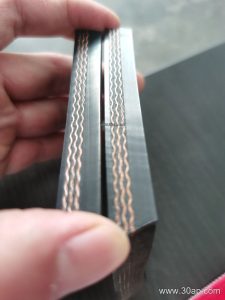
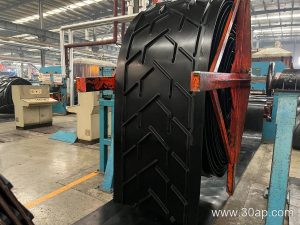
- Compatibility with the belt in use, whether that is an EP conveyor belt, a steel cord conveyor belt, or a heavy-duty mining conveyor belt.
- Balancing and runout requirements, especially on high-speed head pulleys.
A well-matched drum reduces belt edge damage and extends the life of idler rollers and the belt itself. Buyers who share the full conveyor layout, belt specification, and duty cycle usually receive a more accurate quotation than those who order by diameter alone.