What Is a Five-Roll Idler Bracket?
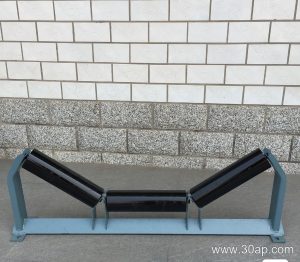
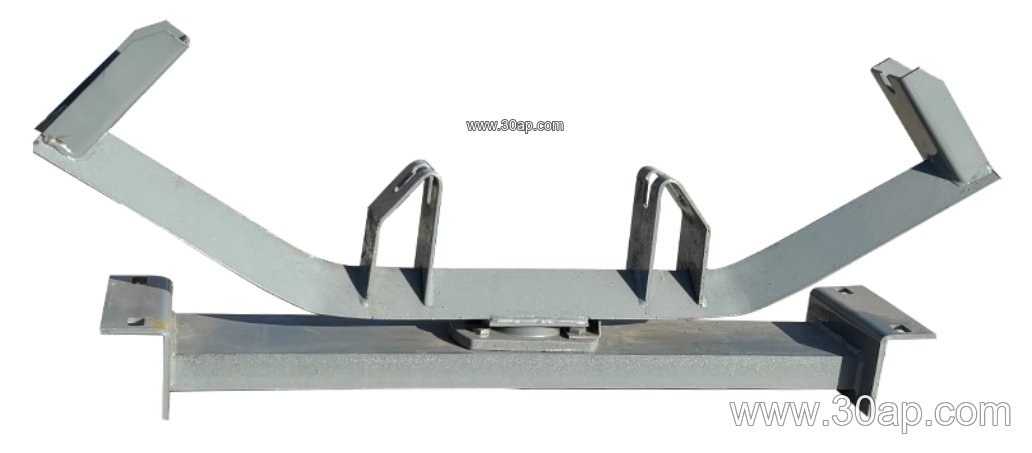
A five-roll idler bracket is a conveyor support component that holds five idler rollers in a troughing arrangement. Unlike the more common three-roll set, this bracket positions two additional rollers to create a deeper, more gradual trough profile. The result is better belt support and reduced material spillage in high-capacity conveying systems. In the field, it is also called a five-roller idler frame or five-roll troughing bracket. This article focuses on the five-roll idler bracket and its role in modern bulk handling.
Construction and Design Features
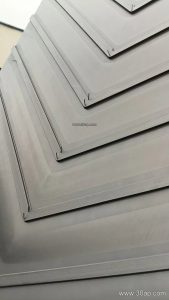
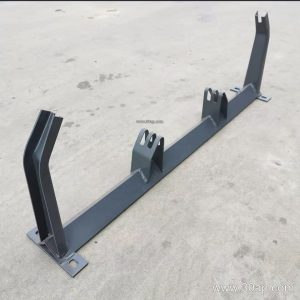
Most five-roll idler brackets are fabricated from angle steel, channel steel, or folded steel plate. The frame typically includes a base beam, angled support arms, and mounting slots for the idler shafts. The two outer rollers are set at a steeper angle, while the three inner rollers form a shallower central trough. This graduated profile helps center the conveyor belt and reduces stress at the belt edges. Adjustable versions allow the trough angle to be set between common values such as 20, 30, 35, and 45 degrees. Fixed brackets are welded or bolted at a specific angle. Bracket dimensions, hole spacing, and crossbeam length are determined by belt width, trough angle, and roller diameter—not by a single universal formula.
Where It Fits in a Conveyor System
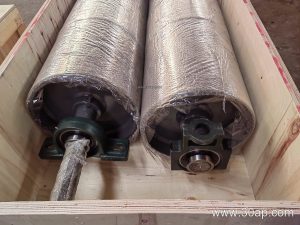
The five-roll idler bracket is installed on the carrying side of a conveyor, usually in the transition zone or along the main run where belt sag and material containment are critical. It works together with the conveyor belt, idler roller, and conveyor pulley to maintain a stable trough. In industries such as coal mining, cement plants, power plant coal handling, and quarry operations, this bracket helps handle abrasive and heavy loads. It is particularly useful when conveying materials that tend to spill over the edges of a standard three-roll trough. The bracket does not replace drive pulleys, tail pulleys, or bend pulleys—those are separate components with different functions.
Common Configurations and Size References
Five-roll idler brackets are available in various sizes to match conveyor belt widths and roller diameters. The table below lists typical reference values; actual selection depends on the application and design requirements.
| Belt Width (B) | Typical Trough Angle | Common Roller Diameter | Bracket Material |
|---|---|---|---|
| B500 | 20°–30° | Ø89 | Angle steel |
| B650 | 30°–35° | Ø89, Ø108 | Angle steel, channel steel |
| B800 | 30°–35° | Ø108 | Channel steel, folded plate |
| B1000 | 35°–45° | Ø108, Ø133 | Channel steel, folded plate |
| B1200 | 35°–45° | Ø133, Ø159 | Channel steel, folded plate |
| B1400 | 35°–45° | Ø133, Ø159 | Heavy channel steel |
| B1600 | 35°–45° | Ø159, Ø194 | Heavy channel steel |
| B1800 | 35°–45° | Ø159, Ø194 | Heavy channel steel |
| B2000 | 35°–45° | Ø194 | Heavy channel steel |
These values are for reference only. A bracket for B1200 at 45° with Ø133 rollers is one possible combination, but it is not the only one. Always confirm mounting hole spacing and crossbeam length with the conveyor design.
Selection Tips for Buyers
- Match the bracket to the belt width and trough angle—do not assume one size fits all. A five-roll idler bracket for a 1200mm wide conveyor belt will differ from one for an 800mm belt.
- Consider the material being conveyed—abrasive ores or heavy rock may require reinforced brackets and abrasion resistant conveyor belt grades.
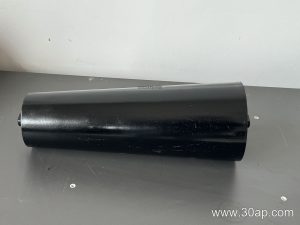
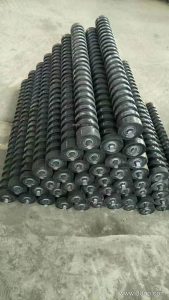
- Check compatibility with idler rollers—roller diameter and shaft size must match the bracket slots. Common roller diameters include Ø89, Ø108, Ø133, Ø159, and Ø194.
- Decide between fixed and adjustable designs—adjustable brackets offer flexibility during installation and can accommodate minor belt misalignment.
- Review the operating environment—in coal mining or underground applications, flame retardant conveyor belt and anti-static properties may be relevant. In cement or power plants, heat resistant conveyor belt or oil resistant conveyor belt may be needed depending on the process.
Maintenance and Compatibility Notes
Regular inspection of the five-roll idler bracket helps prevent belt damage and material spillage. Check for loose bolts, bent arms, or worn mounting slots. Replace damaged brackets promptly to avoid misalignment. This bracket is often used with EP conveyor belt, steel cord conveyor belt, and multi-ply fabric core conveyor belt in heavy-duty mining conveyor belt systems. It can also be paired with chevron conveyor belt or corrugated sidewall conveyor belt when extra load control is needed. For very wide belts, such as 1800mm wide conveyor belt or 2000mm wide conveyor belt, the five-roll design provides additional support across the belt span. Remember that drive, tail, and bend pulleys are not interchangeable with idler brackets—each plays a distinct role in the conveyor system.
For more information on conveyor components, visit our site at www.example.com/conveyor-idler-bracket or www.example.com/five-roll-idler. You can also explore related products such as rubber conveyor belt and conveyor pulley on our website.