What a Polyurethane Idler Is
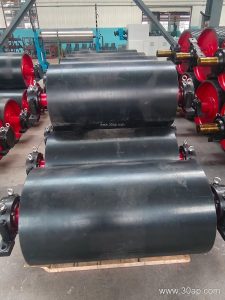
A polyurethane idler is a conveyor idler roller whose outer surface is formed from polyurethane rather than plain steel, nylon or rubber. It sits under the belt on a conveyor frame and supports the loaded belt between the head and tail of the machine. In many plants the same item is simply called a PU idler roller or polyurethane conveyor roller. It is a carrying component, not a drive pulley, and it should not be confused with a bend pulley or a tail pulley, which transmit or redirect belt tension rather than support the belt along its run.
The polyurethane layer can be bonded to a steel shell, cast or machined as a sleeve, or used as a covering on a standard roller body. The result is a roller face that is softer than steel, quieter in service and more resistant to sticky, wet or mildly abrasive material. For a quarry conveyor or a cement plant transfer point, that difference is often the reason a maintenance team tests a PU idler in the first place.
How the Roller Is Built
A typical unit combines a steel tube or shaft, bearing housings, a sealing arrangement and the polyurethane outer layer. Bearing size is selected by the roller diameter and load, not by belt width alone. Common bearing references include 6204, 6205, 6305, 6306, 6308 and 6310, and several of these may suit the same roller diameter depending on the duty.
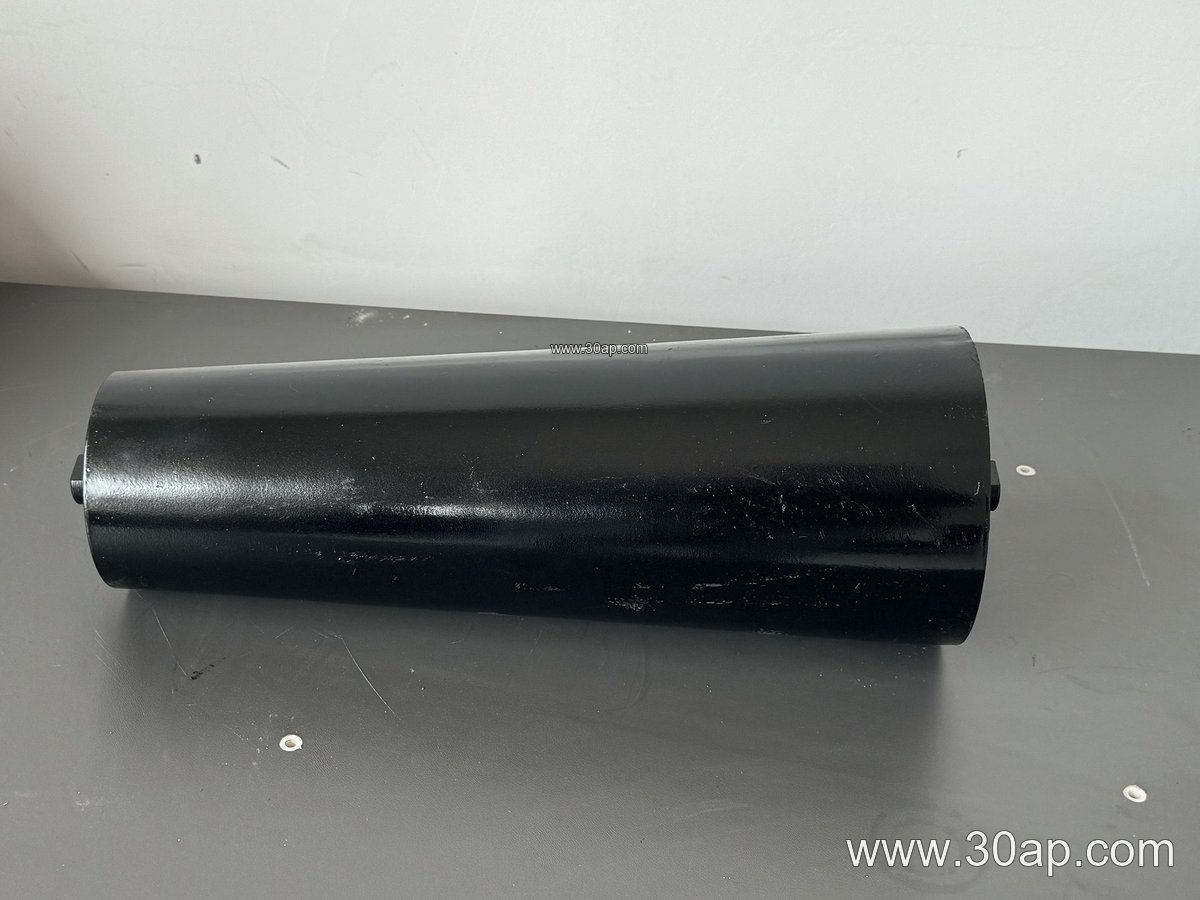
Common roller diameters for conveyor idlers include Ø63, Ø76, Ø89, Ø102, Ø108, Ø127, Ø133, Ø159, Ø178, Ø194 and Ø219 mm. Smaller diameters are usually found on lighter belt conveyors, while larger diameters appear on heavy-duty mining and bulk material lines. Roller length follows belt width, trough angle and the number of rolls in the set, so a given diameter can be paired with a range of lengths. The figures below are typical reference values, not fixed combinations.
| Roller diameter (mm) | Typical belt width range | Common bearing options |
|---|---|---|
| Ø89 | B500 to B800 | 6204, 6205 |
| Ø108 | B650 to B1000 | 6205, 6305 |
| Ø133 | B800 to B1400 | 6305, 6306 |
| Ø159 | B1000 to B1600 | 6306, 6308 |
| Ø194 | B1400 to B2000 | 6308, 6310 |
For a three-roll troughing set, common roll lengths are about 200 mm at B500, 250 mm at B650, 315 mm at B800, 380 mm at B1000, 465 mm at B1200, 530 mm at B1400, 600 mm at B1600, 670 mm at B1800 and 750 mm at B2000. Side rolls and centre rolls can differ, and the trough angle (20, 30, 35 or 45 degrees) changes the geometry. A 1.5 to 2 degree forward tilt is sometimes used on training idlers to help keep the belt centred.
Where It Fits on the Conveyor
Polyurethane idlers are most often used as carrying idlers in the troughing section, where the belt is loaded and the roller face contacts the moving belt directly. They also appear in transition zones and at load points where a softer face helps absorb minor impact from lump material. In a limestone mine or an aggregate crushing line, a PU roller can reduce noise and limit the build-up of damp fines on the shell.
They are less common as return idlers, because the return side usually carries less material and a plain steel or rubber-disc roller is often sufficient. A V-return or a flat return roller can still be supplied with a polyurethane face when the environment calls for it, but the choice should follow the actual duty rather than habit. When the belt is an abrasion resistant conveyor belt or a heavy-duty mining conveyor belt, the idler face and the belt cover should be considered together.
Points a Buyer Should Check
- Duty and load: Confirm the belt width, the material being carried and the expected load per idler before choosing a diameter.
- Environment: Wet, sticky, oily or dusty conditions change the sealing and face material decision. A chemical resistant or oil resistant conveyor belt may call for a matching roller face.
- Belt speed and temperature: Polyurethane has temperature limits, so hot clinker or high-temperature zones need a different solution.
- Mounting: Check the shaft ends, the frame fixing and the conveyor bracket dimensions so the roller drops into place without modification.
- Sealing and bearings: Ask how the bearing housing is sealed and which bearing reference is used.
It is also worth checking how the PU layer is bonded. A poorly bonded sleeve can separate from the shell under load, while a properly bonded roller keeps its face through many service hours. On a port conveyor or a power plant coal handling line, that reliability matters more than a small difference in initial cost.
Maintenance and Replacement Notes
Inspect PU idlers for flat spots, cuts, embedded material and loose sleeves. A worn roller face can damage the belt cover, so replace a damaged unit before it affects the belt itself. Keep the frame aligned and the belt tracking correctly, because a misaligned belt puts uneven load on the roller and shortens bearing life. When matching a replacement, record the diameter, length, bearing reference and mounting type rather than relying on a visual match.
For more information on conveyor components and belt selection, visit peridler.com or check the roller and pulley pages at conveyoridler.com. Related products include the conveyor pulley, idler roller and conveyor bracket families, which work together with the belt to keep a line running.