What an Underground Mining Conveyor Belt Does
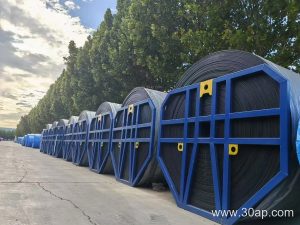
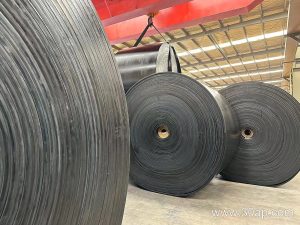
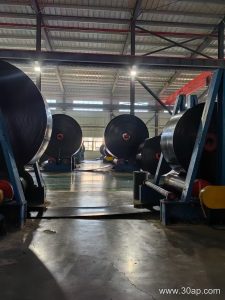
An underground mining conveyor belt is the load-carrying element of a continuous haulage system installed in tunnels, declines and shaft-adjacent roadways. It moves coal, ore, waste rock and other bulk material from the working face to the surface or to a transfer point, often over long distances and through confined spaces where truck haulage is impractical. Because the belt runs in a closed environment, the rubber compound, carcass construction and flame behaviour matter as much as raw tensile strength.
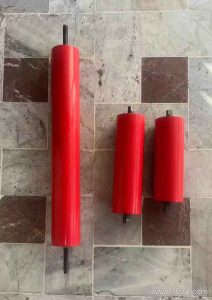
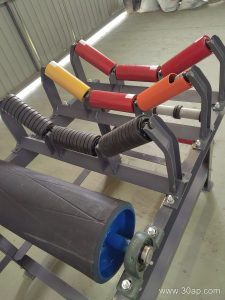
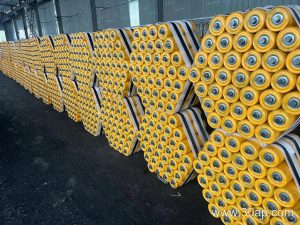
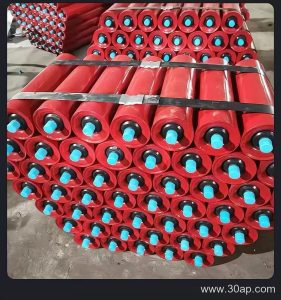
The belt is only one part of the system. A typical installation also includes idler rollers, conveyor pulleys, conveyor brackets and the drive unit. The belt itself must be matched to the duty, the gradient, the lump size and the atmosphere of the mine.
How the Belt Is Built
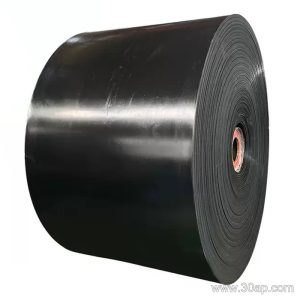
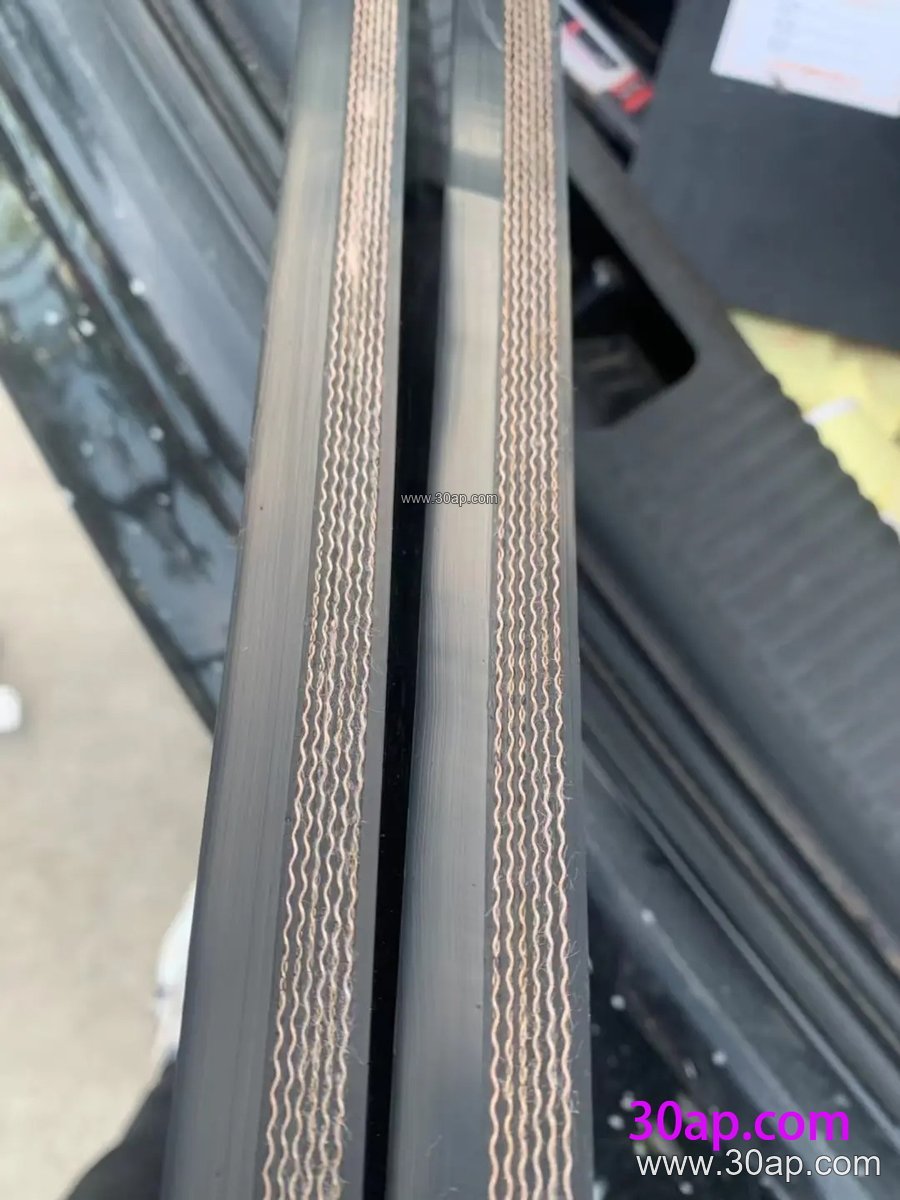
Most underground belts combine a fabric carcass with rubber covers. The carcass provides tensile strength and resistance to impact, while the covers protect the carcass from abrasion, moisture and material cut-through. Common constructions include EP fabric, NN nylon fabric and steel cord reinforcement. The cover thickness is usually quoted as a top and bottom pair, for example 4+2 mm or 6+2 mm, and the carcass may have 2 to 6 plies depending on the rated tension.
For gassy coal mines, flame-retardant and antistatic grades are frequently specified. PVG and PVC belts are also used in some underground duties, particularly where oil resistance or fire safety dominates over high tensile demand. A buyer should confirm the required grade against the mine’s own ventilation and safety plan rather than relying on a general description.
Reference Data for Early Planning
The figures below are common reference values, not verified universal specifications or a supply promise. Final values are determined by the conveyor design.
Typical strength grades
- EP200, EP315, EP400, EP500, EP630
- EP800, EP1000, EP1250, EP1600, EP2000
Common belt widths
- B500, B650, B800, B1000, B1200
- B1400, B1600, B1800, B2000
Cover thickness and carcass
- 3+1.5 mm, 4+2 mm, 5+2 mm, 6+2 mm, 8+3 mm
- 2 to 6 plies, depending on tension and impact load
Different manufacturers and mine sites will vary. The belt width does not dictate a single pulley diameter, and shaft size should always come from the conveyor design rather than from the belt alone.
Where It Is Used
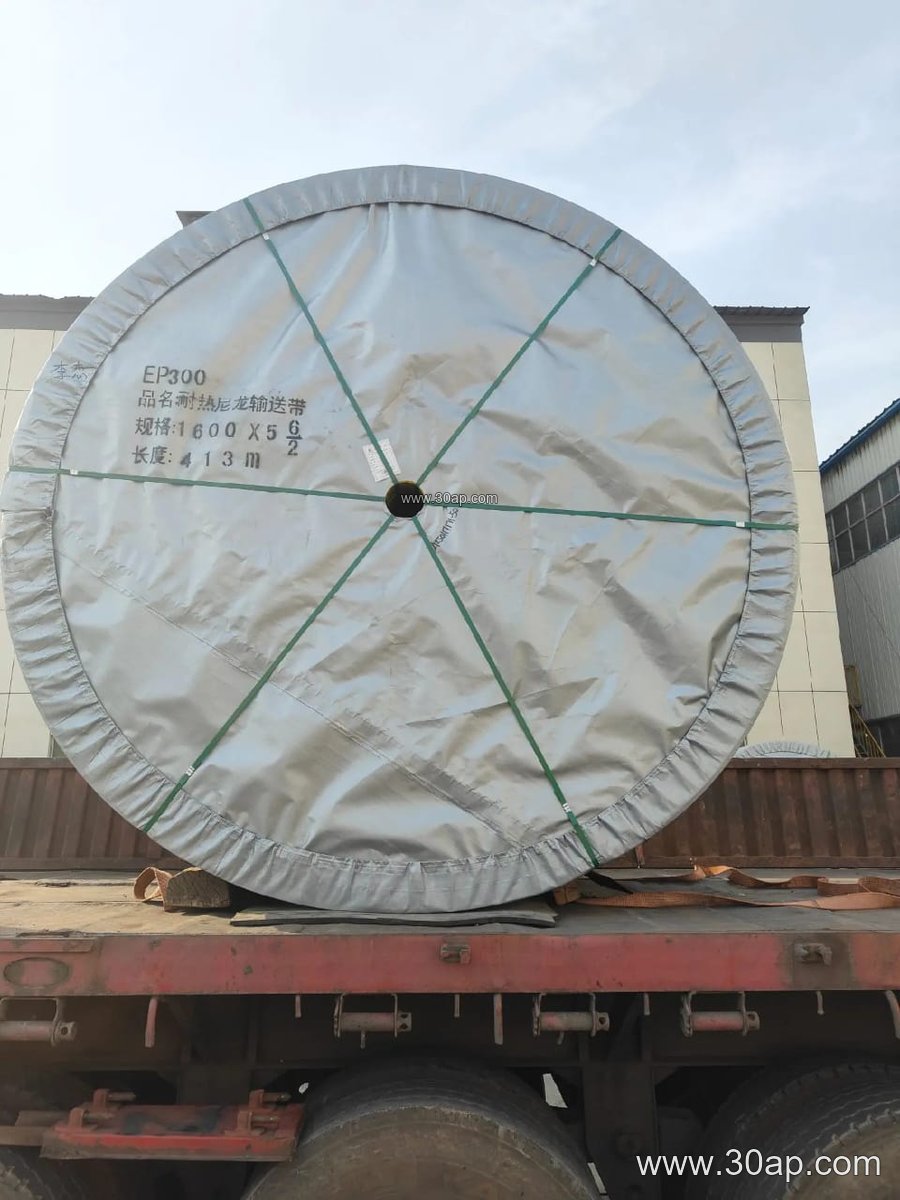
Underground mining conveyor belts appear in coal mines, metal mines, cement and aggregate operations, and in the inclined tunnels of power plants and sand and gravel yards. In a coal mine, the belt may run behind a roadheader or a continuous miner and discharge onto a stage loader. In a metal mine, it may carry abrasive ore from a crusher station to a hoist pocket. Cement plants and aggregate yards use similar belts in underground reclaim tunnels and inclined galleries.
Because the route often bends, the system uses idler rollers to support the belt and conveyor pulleys to change direction. Drive pulleys, tail pulleys and bend pulleys each perform a different job and are not interchangeable. A bend pulley is a return or deflection point, not a substitute for the drive unit. The conveyor brackets hold the idlers and pulleys in alignment, so their condition affects belt tracking and wear.
What a Buyer Should Check
- Tensile grade and ply count against the calculated belt tension.
- Cover thickness and compound for abrasion, oil, heat or cold.
- Flame-retardant and antistatic requirements for the mine atmosphere.
- Belt width, edge condition and splice method for the existing structure.
- Compatibility with the pulley diameters and troughing angle already in place.
Maintenance is largely about alignment and cleanliness. Worn idler rollers can cause edge damage, misaligned conveyor pulleys can make the belt wander, and loose conveyor brackets can allow the whole line to shift. Inspecting these components together with the belt surface helps prevent cuts and splice failures.
Practical Notes
Choose the belt for the whole system, not in isolation. A high-strength underground mining conveyor belt on a badly aligned structure will still fail early. Keep the grade, width, cover and carcass consistent with the conveyor design, and treat every quoted size as a starting point for discussion with the supplier.