What a Custom Idler Is and Why It Matters
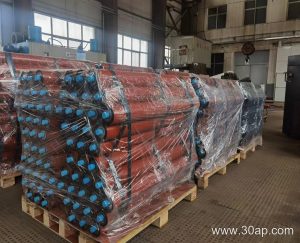
A custom idler is a conveyor idler roller built to match a specific belt width, load profile, environment, or mounting arrangement rather than being limited to a catalog standard. In practice, this means the roller diameter, face length, shaft ends, bearing type, and shell material are selected or modified to suit the conveyor’s actual duty. For operations in mining, coal preparation, cement plants, power station coal handling, or aggregate quarries, a custom idler often solves problems that off-the-shelf rollers cannot, such as uneven belt tracking, excessive spillage, or short service life in abrasive or corrosive conditions.
The term is sometimes used interchangeably with made-to-order idler roller, but the core idea is the same: the idler is engineered around the conveyor rather than the conveyor being forced to accept a standard size. This flexibility is valuable when replacing original equipment, upgrading a section of a conveyor, or building a new line where space and belt characteristics are already fixed.
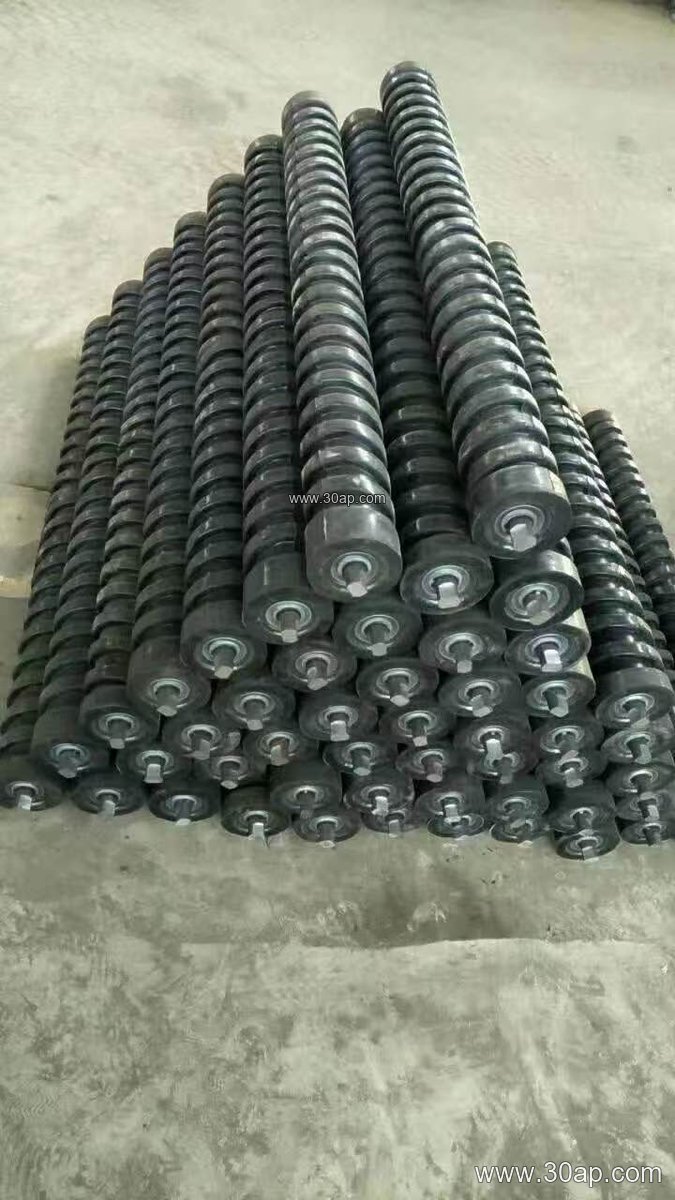
Construction and Key Components
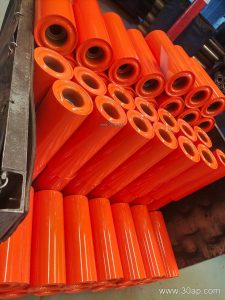
A typical custom idler consists of a steel or polymer shell, a through shaft or stub shafts, bearing housings, seals, and end caps. The shell may be plain steel, nylon-coated, ceramic-lined, or fitted with rubber rings for impact absorption. Bearing selection usually follows the load and speed: common sizes include 6204, 6205, 6305, 6306, 6308, and 6310, but the bearing is matched to the shaft and housing design, not chosen by belt width alone.
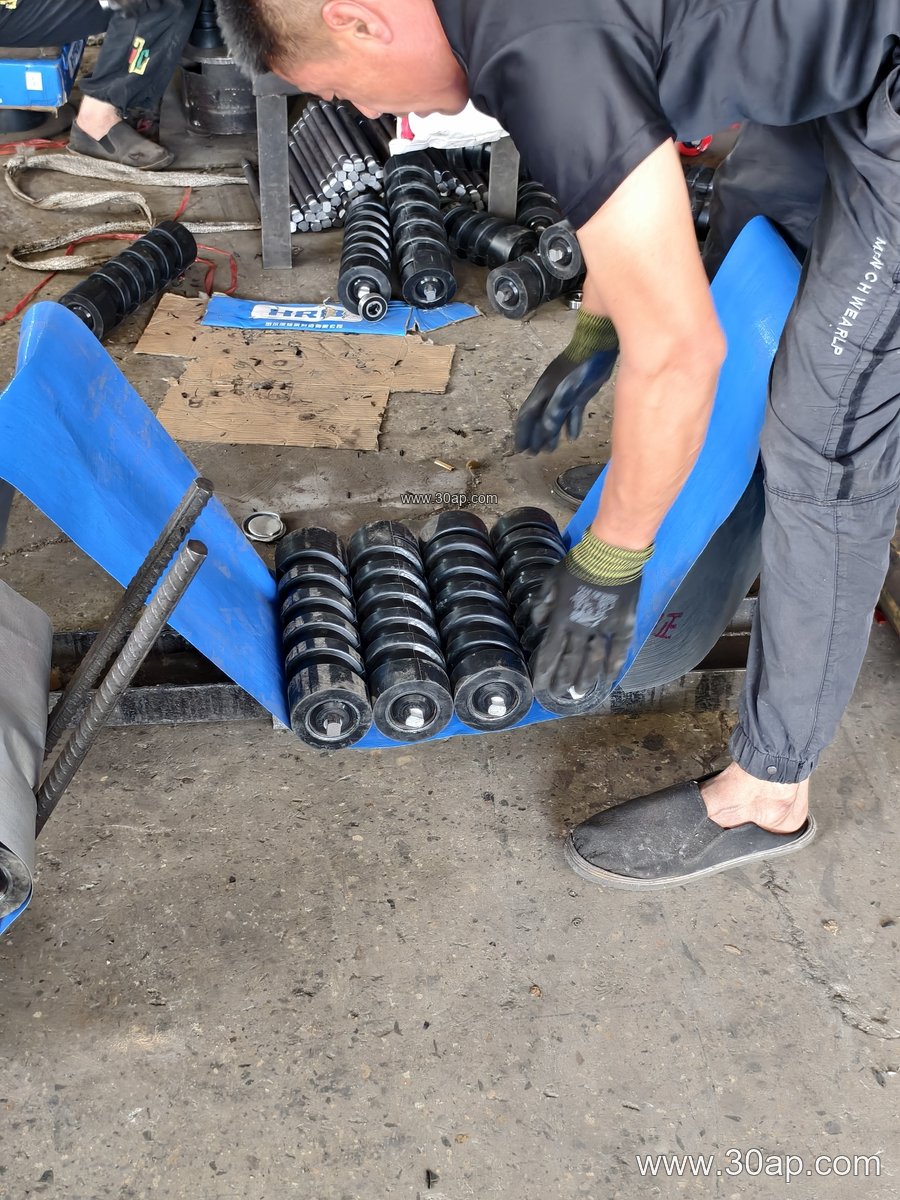
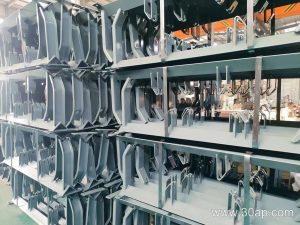
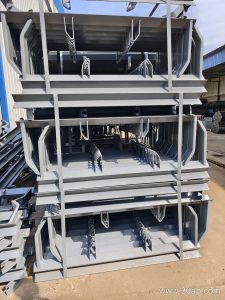
Sealing is often the deciding factor in dusty or wet service. Labyrinth seals, contact seals, and additional grease retention features can be specified. For high-abrasion service, a thicker shell or wear-resistant coating may be applied. The shaft ends can be machined to fit existing conveyor brackets, making the idler a drop-in replacement without modifying the frame. When the idler is part of a garland or suspended arrangement, the end fittings are designed accordingly.
Where Custom Idlers Are Used
Custom idlers appear across bulk handling industries. In a limestone quarry or aggregate plant, they carry abrasive rock and gravel on troughed conveyors. In a coal preparation plant or power plant coal yard, they must tolerate dust and occasional wet conditions. Cement plants use them on clinker and raw meal conveyors, while steel mills and sinter plants may require heat-resistant or heavy-duty designs. Port terminals and ship loading conveyors often need wide belts and long idler faces, and tunneling or underground mining operations demand compact, robust rollers that fit restricted spaces.
The application determines the idler type. A three-roll troughing set is common on the carrying side, while a flat return roller or V-return idler supports the belt on the return strand. Impact idlers with rubber rings are used at transfer points, and self-aligning idlers help correct belt wander on long conveyors. A custom idler can be any of these types, adapted to the specific belt width and loading conditions.
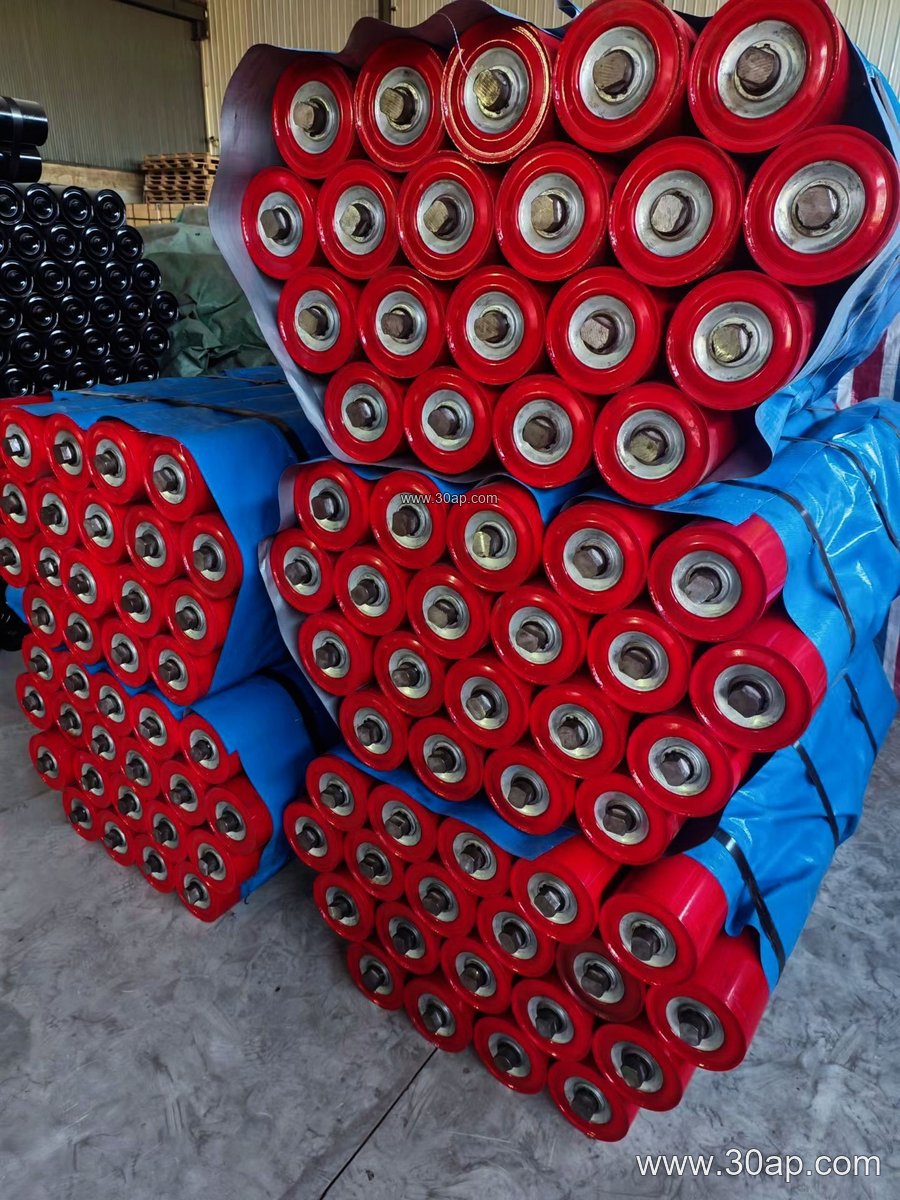
Common Parameters and How They Are Specified
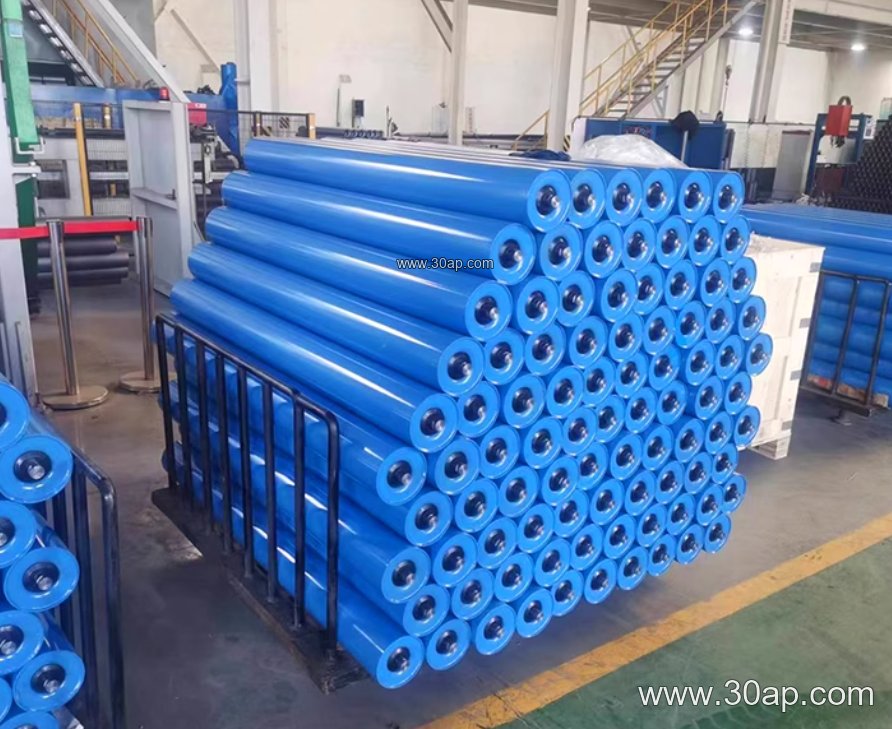
When specifying a custom idler, several dimensions and features are considered together. The table below shows typical reference values; actual selections are made per project and should be confirmed with the conveyor design.
| Parameter | Common reference values |
|---|---|
| Roller diameter | Ø63, Ø76, Ø89, Ø102, Ø108, Ø127, Ø133, Ø159, Ø178, Ø194, Ø219 mm |
| Belt width | B400, B500, B650, B800, B1000, B1200, B1400, B1600, B1800, B2000, B2200, B2400 |
| Trough angle | 20°, 30°, 35°, 45° (forward tilt about 1.5°–2° used for training) |
| Roller surface | Steel tube, nylon, ceramic, rubber rings |
| Bearing sizes | 6204, 6205, 6305, 6306, 6308, 6310 |
Roller face length varies with belt width, trough angle, and idler arrangement. For example, a three-roll troughing set might use a center roll of about 200 mm for B500, 315 mm for B800, 465 mm for B1200, and 600 mm for B1600. These are approximate examples only; side rolls and center rolls can differ, and the final length is set by the conveyor geometry. A custom idler allows these dimensions to be adjusted to match the existing brackets and belt path.
Selection Tips for Buyers
- Provide the belt width, trough angle, and idler arrangement (single, two-roll, or three-roll).
- State the environment: dust, moisture, temperature, or corrosive exposure. This guides shell material and seal choice.
- Check the shaft end dimensions and bracket type so the idler fits without modification.
- Consider the belt speed and load to select a suitable bearing size, but avoid assuming a fixed bearing for a given belt width.
- For replacement, measure the existing idler’s face length, shaft diameter, and mounting centers rather than relying on nominal belt width alone.
Custom idlers are often used alongside other conveyor components such as the conveyor pulley, conveyor bracket, and the conveyor belt itself. A well-matched idler helps extend belt life and reduce downtime, especially on abrasive or heavy-duty conveyors. Whether the conveyor handles EP conveyor belt, steel cord conveyor belt, or flame retardant conveyor belt, the idler should be chosen for the actual load and environment.
For more information on idlers and related conveyor components, visit our site at www.example.com/custom-idler.