Setting the hypothetical project
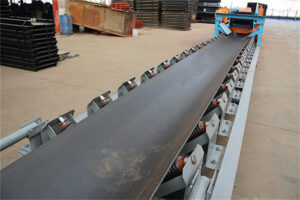
Assume a 1200 mm conveyor at a mineral-processing plant, 2.5 m/s, carrying 1500 t/h of dry crushed ore. We compare 20° and 35° troughing idler roller sets. All values are illustrative.
What the trough angle changes
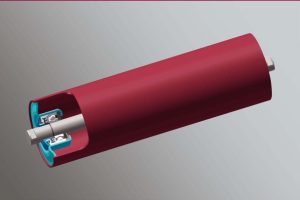
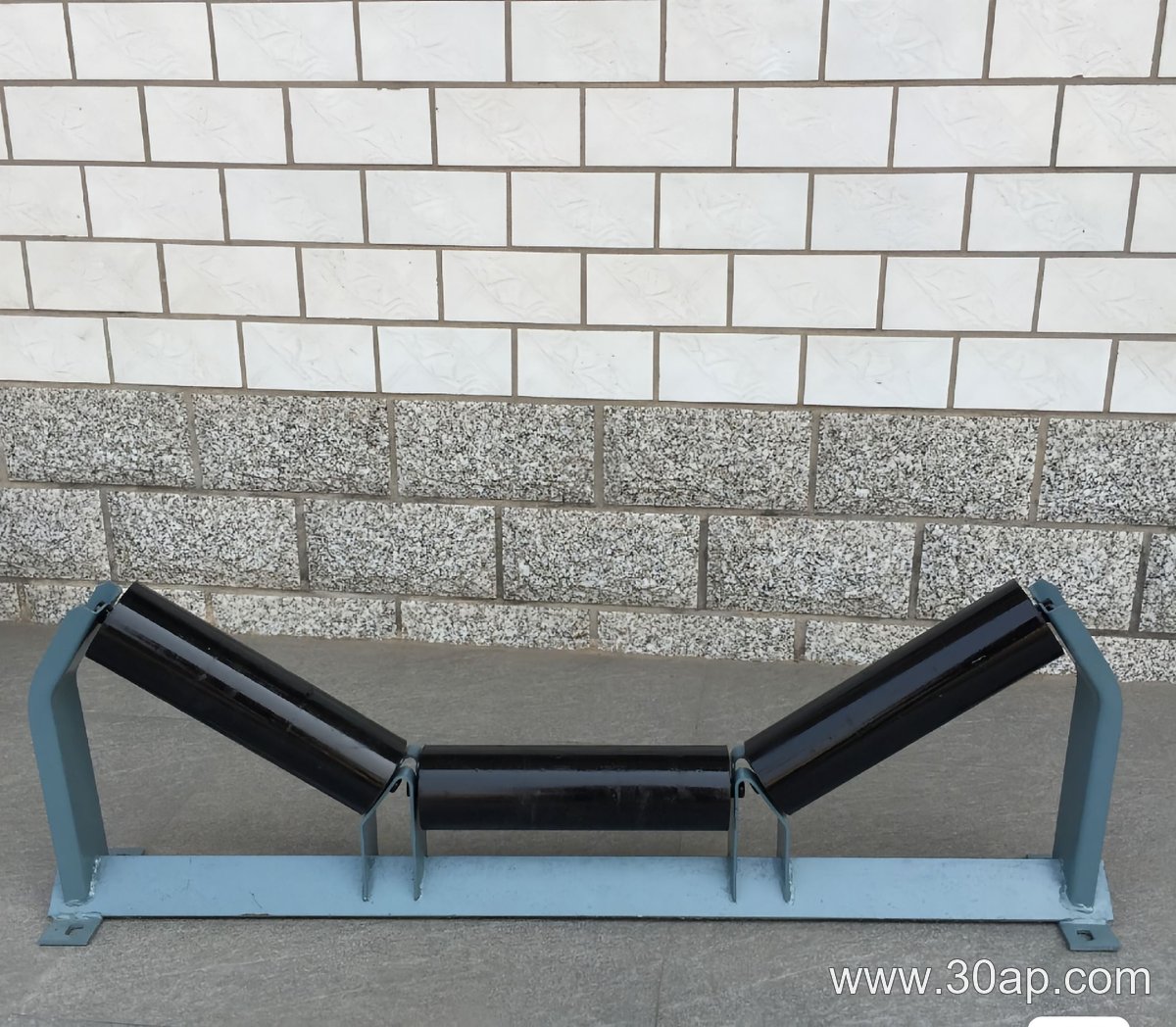
A 35° idler roller gives a deeper trough, so the belt carries more material per width. That can reduce belt tension for the same tonnage. But the sharper angle increases bending stress at the side rollers and can shorten belt life on thin carcasses.
Decision
If the belt is heavy-duty and the load is high, the 35° idler roller may lower required tension. If the belt is light or splices are weak, the 20° idler roller is safer. Always check the belt manufacturer’s minimum bend radius before changing trough angle.
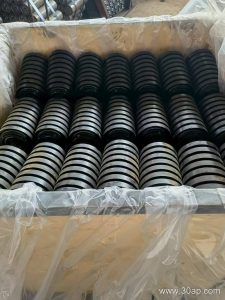
When a General Manufacturing Line Reverses Often, What Should You Check on the Conveyor Pulley
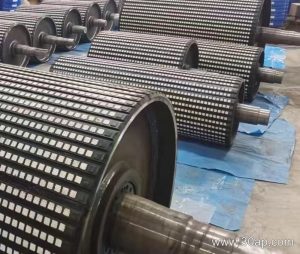
Many assume any conveyor pulley handles reversing duty. In reality, frequent direction changes stress the shaft, lagging, and locking elements differently than one-way operation.
What fails first on a reversing conveyor pulley?
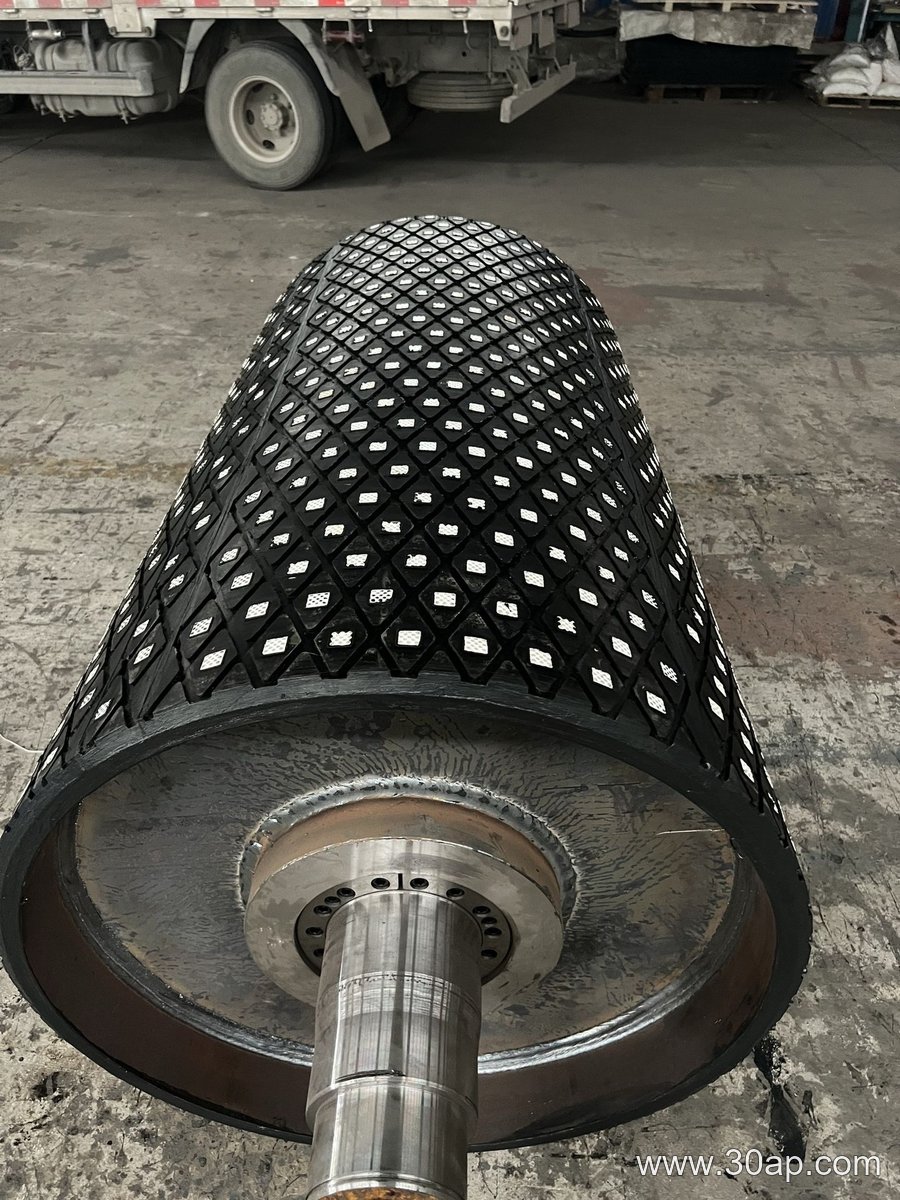
Keyless locking assemblies and lagging bonds. Check for slippage marks and lagging edge lift. Example: a packaging line reversing every 30 seconds may show shaft wear before shell wear.
How do you verify the pulley is suitable for reversing?
- Confirm the locking device is rated for bidirectional torque.
- Inspect lagging for grooves or uneven wear that reduce grip in reverse.
- Measure shaft runout; reversing magnifies misalignment.
If these checks pass, the conveyor pulley is likely fine; if not, plan replacement before belt tracking suffers.
How Does a Conveyor Bracket Survive Constant Abrasive Dust in a Quarry Crushing Circuit
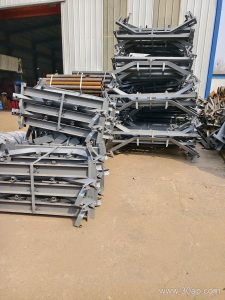
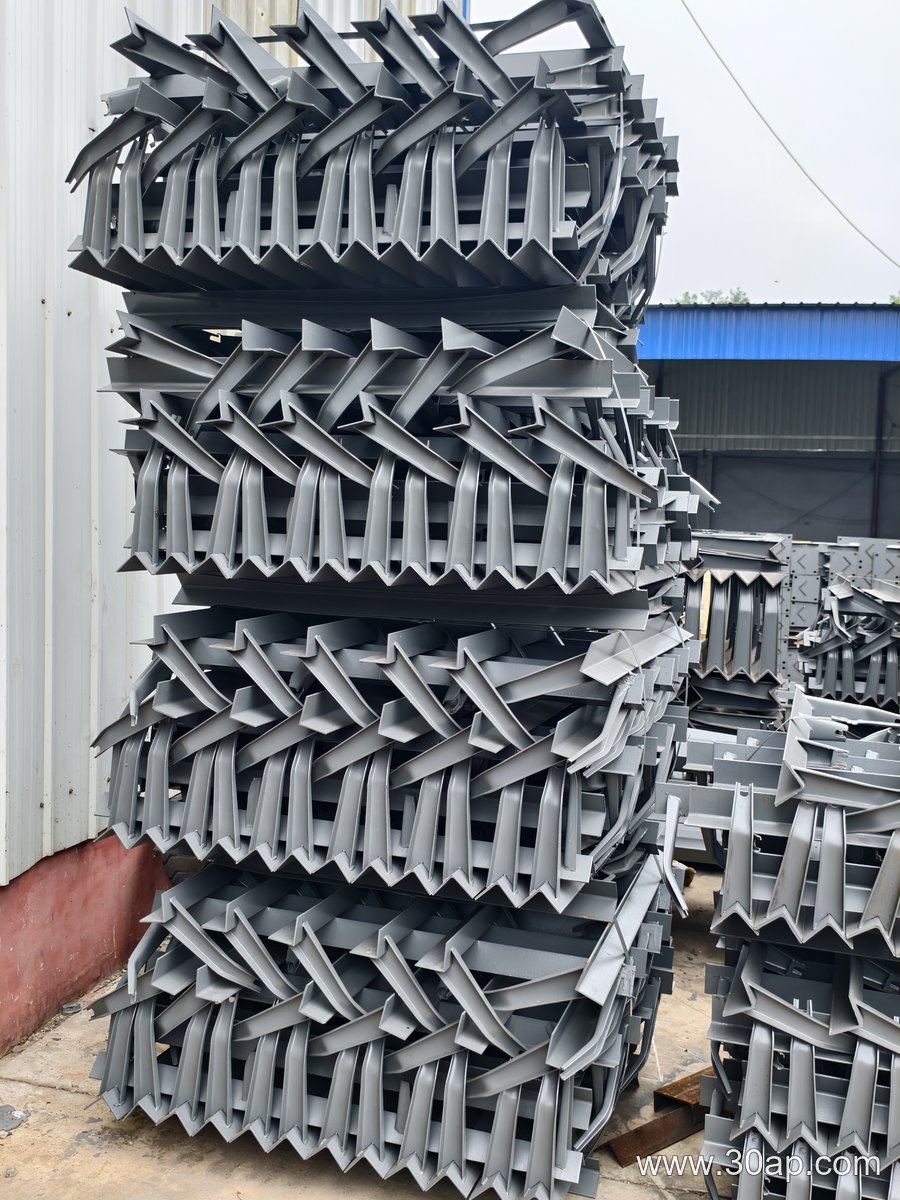
A common misconception is that a conveyor bracket fails mainly from belt load. In a quarry crushing circuit, abrasive dust settles on every ledge and works into bolted joints, so the bracket’s real enemy is wear at contact points. The bracket holds the idler frame, and as dust packs behind the mounting pad, it acts like a grinding paste each time the frame shifts. A closed profile and sealed adjustment slots slow this process, while an open channel invites buildup.
Where the dust attack concentrates
Three areas deserve attention: the mounting pad face, the bolt holes, and any sliding surface. Hardfacing or a wear plate on the pad can extend service, but it must not alter the bracket’s center height. If the bracket is fixed, dust can lock it in place; if slotted, dust can seize the slot. The practical answer is a replaceable wear liner and a slot cover that keeps fines out without blocking thermal movement.
Checks before specifying
- Confirm the bracket’s load path matches the idler frame footprint.
- Ask whether the dust is dry, damp, or sticky; each behaves differently.
- Verify that any wear protection does not interfere with belt alignment.
These checks are hypothetical examples, not universal rules. A quarry’s dust conditions vary, so field inspection should guide the final choice.
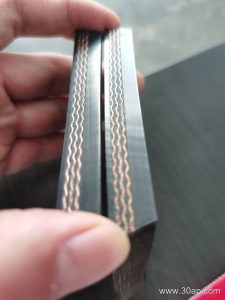
When Does a Cement Plant Conveyor Belt Require a Higher Safety Factor Under ST2500 Designation
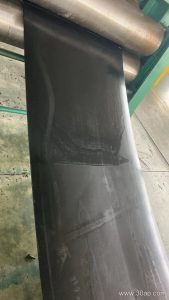
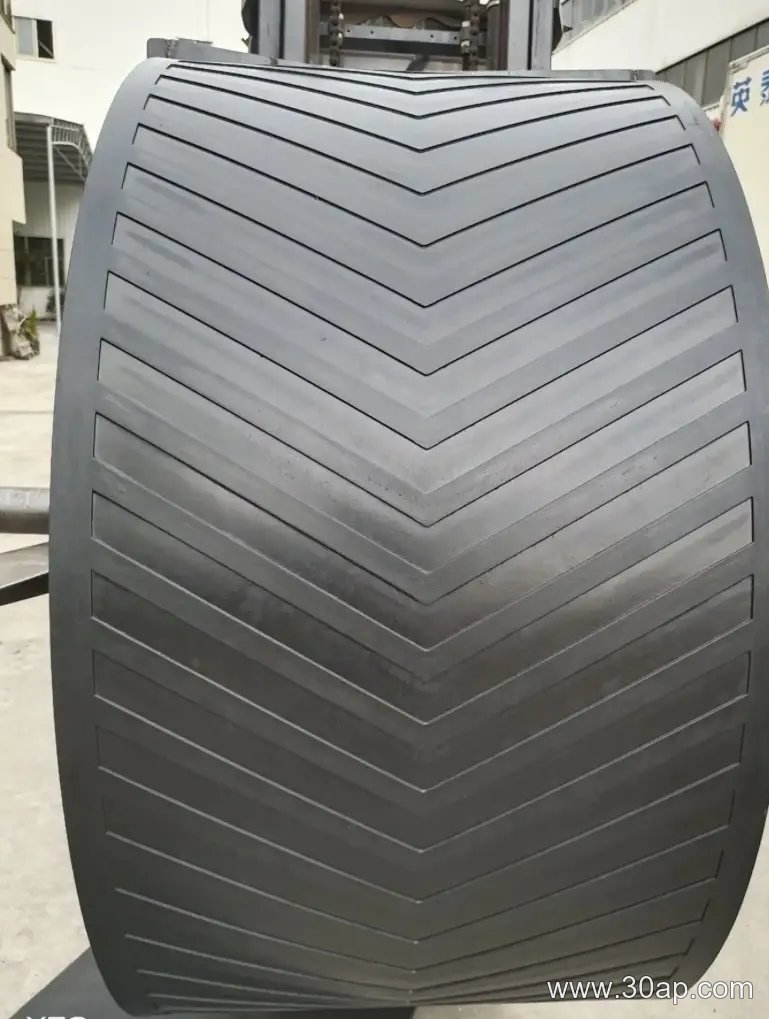
Engineers often assume that a higher ST rating always means a stronger, safer conveyor belt. In reality, the ST2500 designation specifies nominal breaking strength in newtons per millimeter of belt width. The safety factor you apply depends on the splice efficiency and dynamic loads, not just the rating.
How ST2500 Affects Tension and Splice Decisions
For a cement plant conveyor belt moving clinker, the calculated maximum tension might suggest ST2500. But if the vulcanized splice retains only 60% of belt strength, your effective safety factor drops. You must then either increase the belt rating or improve splice quality. Choosing ST2500 without checking splice efficiency can lead to premature failure.
- Check calculated tension versus ST2500 rating.
- Verify splice efficiency with dynamic testing.
- Adjust safety factor for impact and starting torque.