What a 1250mm Diameter Conveyor Pulley Is
A 1250mm diameter conveyor pulley is a large-diameter drum used to drive, tension, or redirect a conveyor belt in high-capacity bulk handling systems. At this size, the pulley is typically found at the head or drive position of a main haulage conveyor, where it must transmit substantial torque and support heavy belt tensions. In the field, it is often simply called a 1250mm drum pulley or a Ø1250 conveyor pulley, and it may appear as a drive pulley, head pulley, or tail pulley depending on its location in the conveyor layout.
This diameter is common in applications where the belt width is large and the material load is heavy, such as primary crushing stations, plant feed conveyors, and long overland lines. It should not be confused with smaller bend or snub pulleys, which serve different functions and are not interchangeable.
Construction and Key Components
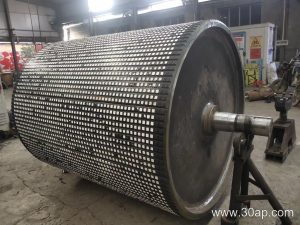
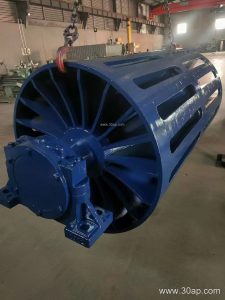
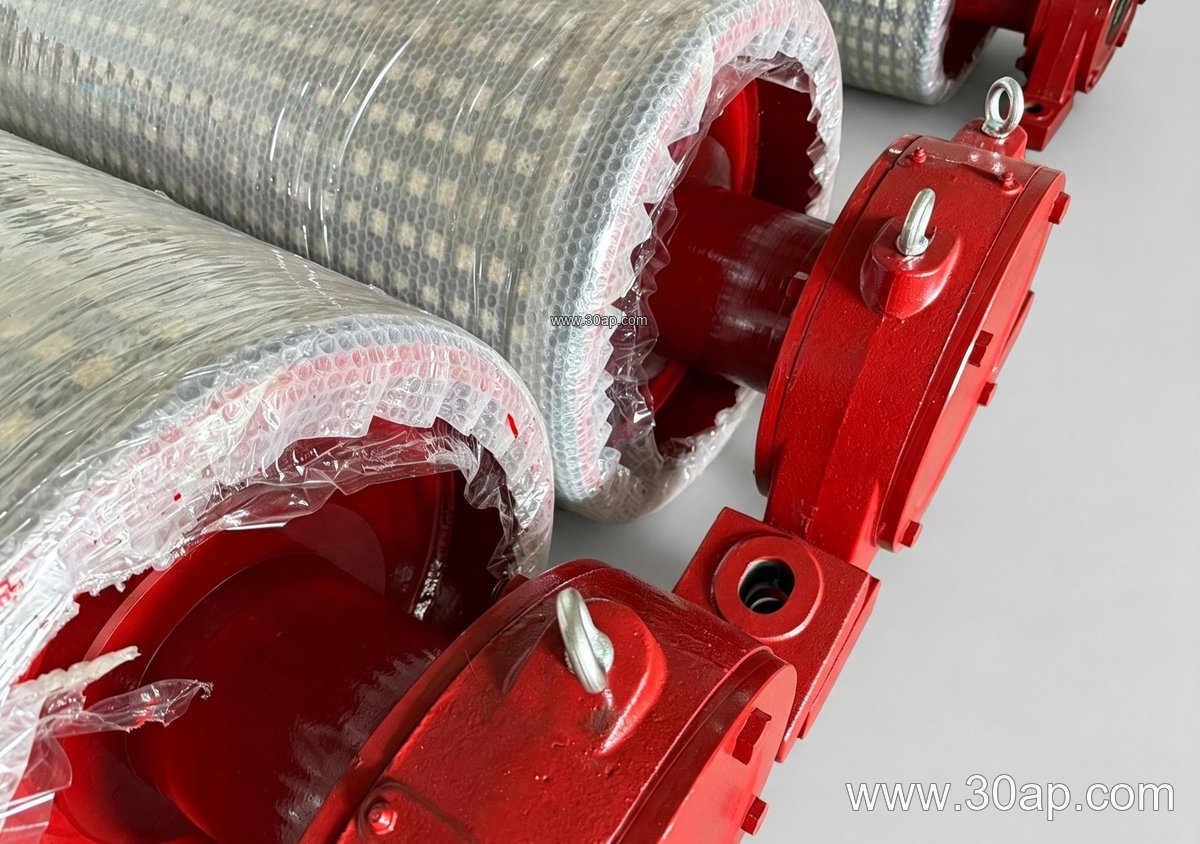
A 1250mm diameter conveyor pulley is built around a robust cylindrical shell, usually made from rolled steel plate, with end discs welded to the shell and hubs. The shaft is sized by torque and radial load, not by belt width alone, and common shaft diameters for this class of pulley may range from Ø160 to Ø200 or larger depending on the duty. Bearing housings, seals, and a locking assembly complete the assembly.
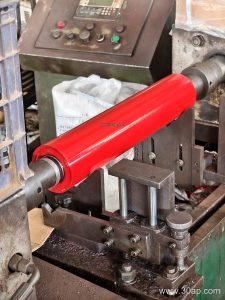
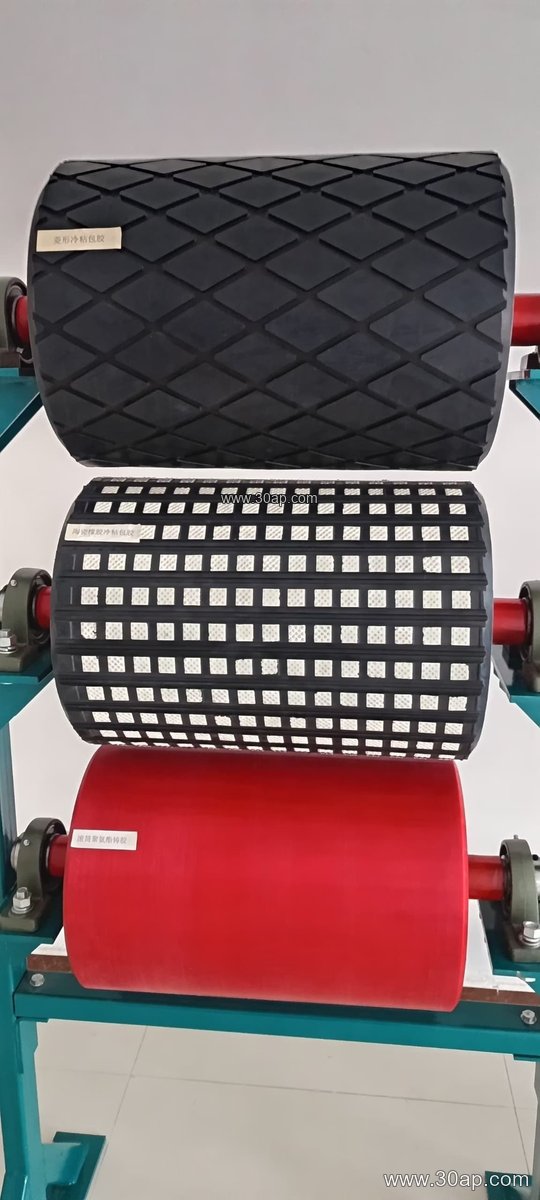
Surface treatment is a major decision. Plain steel shells are used in some dry, non-slip-critical positions, but most heavy-duty pulleys are lagged. Common lagging options include hot vulcanized rubber, cold-bonded rubber, diamond grooving, chevron grooving, and ceramic lagging. Lagging thickness often falls in the 10mm to 20mm range for this diameter, with 12mm and 15mm being frequent choices. The lagging improves friction between the pulley and the conveyor belt, protects the shell, and helps shed material in dirty environments.
Where It Fits in the Conveyor
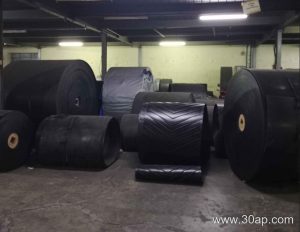
The 1250mm diameter pulley is most often used as a drive pulley or head pulley at the discharge end of a conveyor. In a quarry or aggregate plant, it may drive a primary field conveyor carrying blasted rock. In a coal preparation plant or power plant coal yard, it can be the head pulley on a main feed belt. The large diameter reduces belt bending stress and allows the use of thicker, heavier belts, such as steel cord conveyor belts or high-tension fabric core belts.
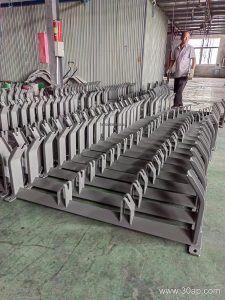
It can also serve as a tail pulley or tension pulley on long conveyors where belt wrap and alignment are important. In these positions, the pulley must be matched with appropriate take-up systems and conveyor brackets. A bend pulley or snub pulley is not a substitute for a drive or tail pulley, because each has a distinct role in belt path and tension control.
Matching Belt Width and Pulley Size
Pulley diameter and belt width are related but not fixed pairs. A 1250mm diameter pulley can be used with several belt widths, and the final combination depends on belt tension, material size, and conveyor geometry. The table below shows common reference combinations, not mandatory matches.
- B1000 belt width with Ø1000 or Ø1250 pulley
- B1200 belt width with Ø1000 or Ø1250 pulley
- B1400 belt width with Ø1250 or Ø1400 pulley
- B1600 belt width with Ø1250 or Ø1400 pulley
- B1800 belt width with Ø1250 or Ø1600 pulley
Face width is usually greater than belt width. For example, a B1200 belt may run on a pulley face of about 1400mm, while a B1400 belt may use a face around 1600mm. These are common references and should be confirmed by the conveyor designer. Shaft diameter is determined by torque and load calculations, not by belt width alone; a B1200 conveyor may use a Ø160 shaft or a larger one depending on the drive power and belt tension.
Buyer Checklist
When specifying a 1250mm diameter conveyor pulley, confirm the pulley type first: drive, head, tail, tension, or bend. Then define the belt width, belt type, and maximum belt tension. Check the lagging type and thickness, the shaft size and bearing arrangement, and the face width. Verify that the pulley will fit the existing conveyor brackets and that the drive coupling or gearbox interface is correct.
For high-abrasion duties, such as iron ore or copper ore handling, a ceramic or thick rubber lagging may be preferred. In coal mining or underground coal mining applications, flame retardant and anti-static properties of the belt and lagging should be reviewed together. The pulley itself does not carry a certification, but the complete conveyor system must meet the site’s safety requirements.
Finally, ask for a dimensional drawing and a material traceability sheet. A large pulley is a long-term investment, and correct fit, balance, and lagging quality matter more than a single number on a data sheet. Whether the conveyor handles limestone, clinker, or port bulk cargo, the 1250mm diameter pulley should be selected as part of the whole belt system, not in isolation.