What a Rubber Lagged Pulley Does on a Conveyor
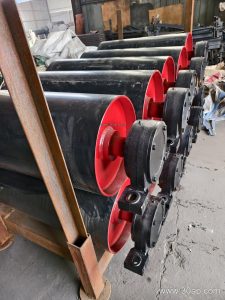
A belt conveyor rubber lagged pulley is a drive or driven pulley whose shell is covered with a rubber layer to improve grip and protect the belt. In a typical conveyor, the drive pulley transmits power to the conveyor belt; lagging raises the friction coefficient so the belt can move heavier loads without slipping. Tail pulleys and bend pulleys may also be lagged, but their duties differ: a tail pulley guides the belt at the loading end, while a bend pulley changes belt direction. This article focuses on the rubber lagged pulley as a product family and explains how it is built, where it is used, and what buyers should check before ordering.
Construction and Surface Options
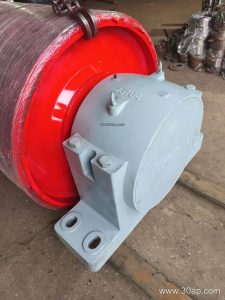
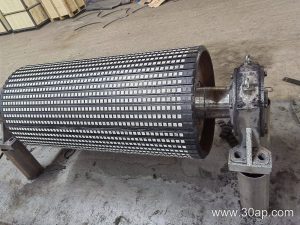
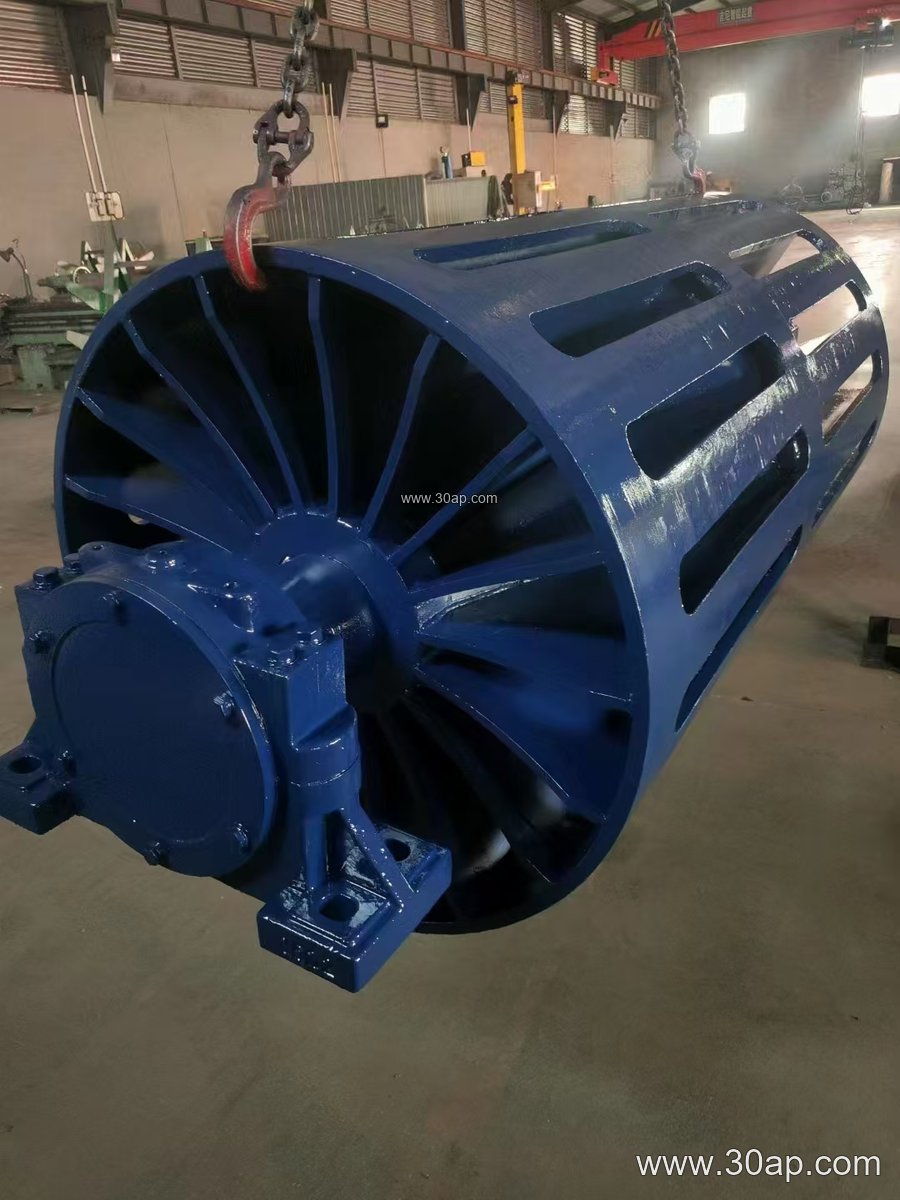
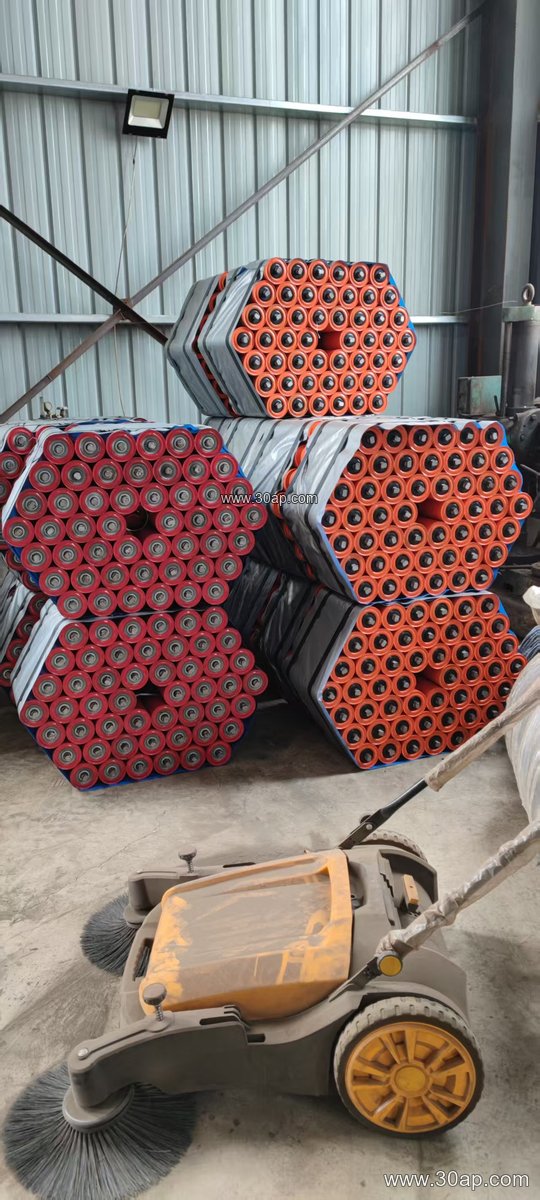
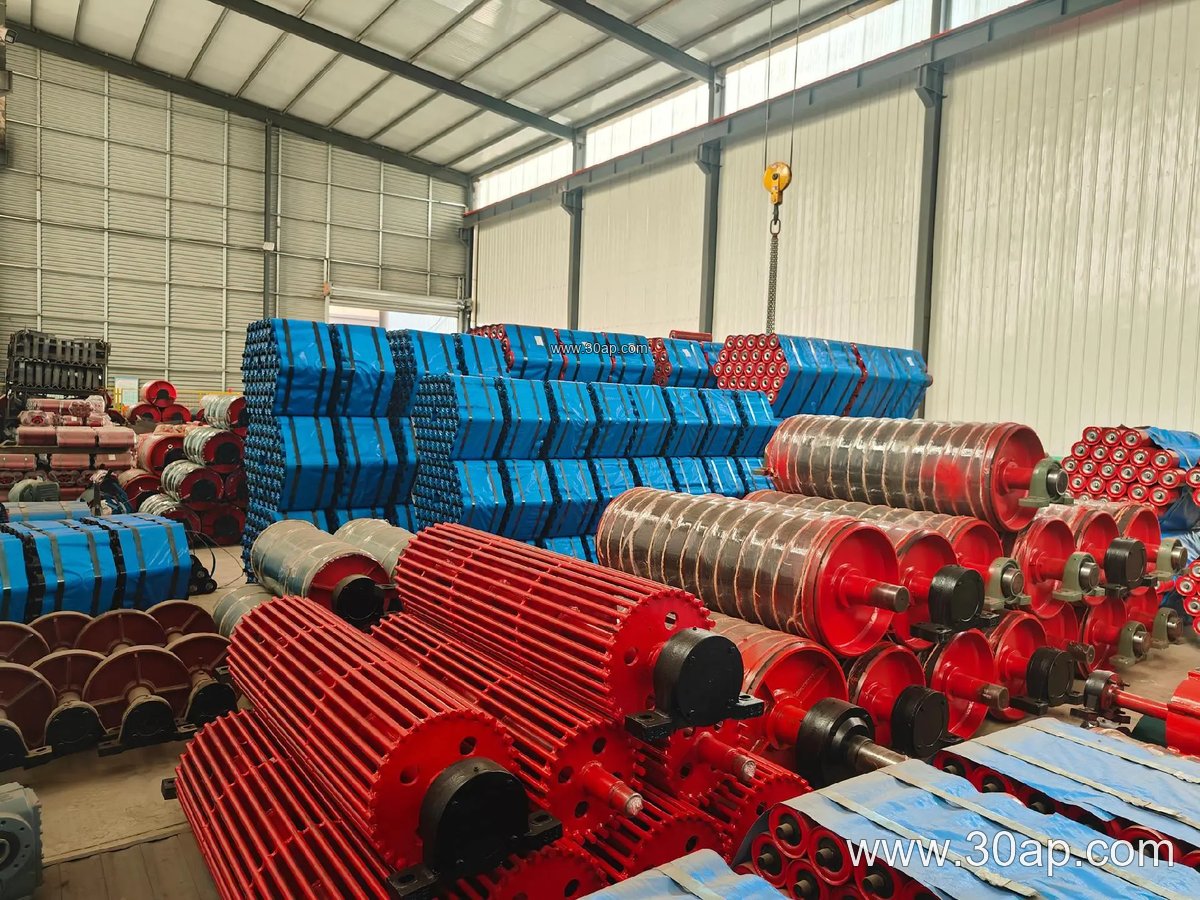
The core is usually a steel shell with welded end discs and a shaft. Rubber lagging is applied by hot vulcanization, cold bonding, or cast rubber. Common surface forms include plain, diamond, herringbone, and ceramic lagging. Thickness often ranges from 8 mm to 20 mm, with 10 mm and 12 mm being frequent choices for general duty. The pulley face width is normally wider than the belt: for example, a B800 belt commonly matches a pulley face around 950 mm, and a B1200 belt around 1400 mm. Diameter is selected by torque, belt speed, and shaft load, not by belt width alone. Typical diameters include Ø500, Ø630, Ø800, and Ø1000, and a combination such as B1200 × Ø1000 is common in bulk handling. Shaft diameter is determined by drive torque and bearing load; common shaft sizes range from Ø80 to Ø200, but no fixed shaft size should be assumed from belt width.
Where It Is Used
Rubber lagged pulleys appear in quarry and aggregate lines, coal washing plants, cement plants, power plant coal handling, and port bulk terminals. In a stone crushing line, the drive pulley must grip a heavy-duty mining conveyor belt carrying sharp rock; in a cement plant, it may run with a heat resistant conveyor belt near clinker coolers. Underground coal mining conveyors often use flame retardant conveyor belt and fire resistant conveyor belt, and the lagged pulley helps maintain traction in wet or dusty conditions. When the conveyor uses an EP conveyor belt or a steel cord conveyor belt, the pulley lagging should match the belt’s tensile and tracking behavior. A rubber lagged pulley is not a substitute for a tail pulley or a bend pulley; each position has its own design requirements.
Matching the Pulley to the Belt and Duty
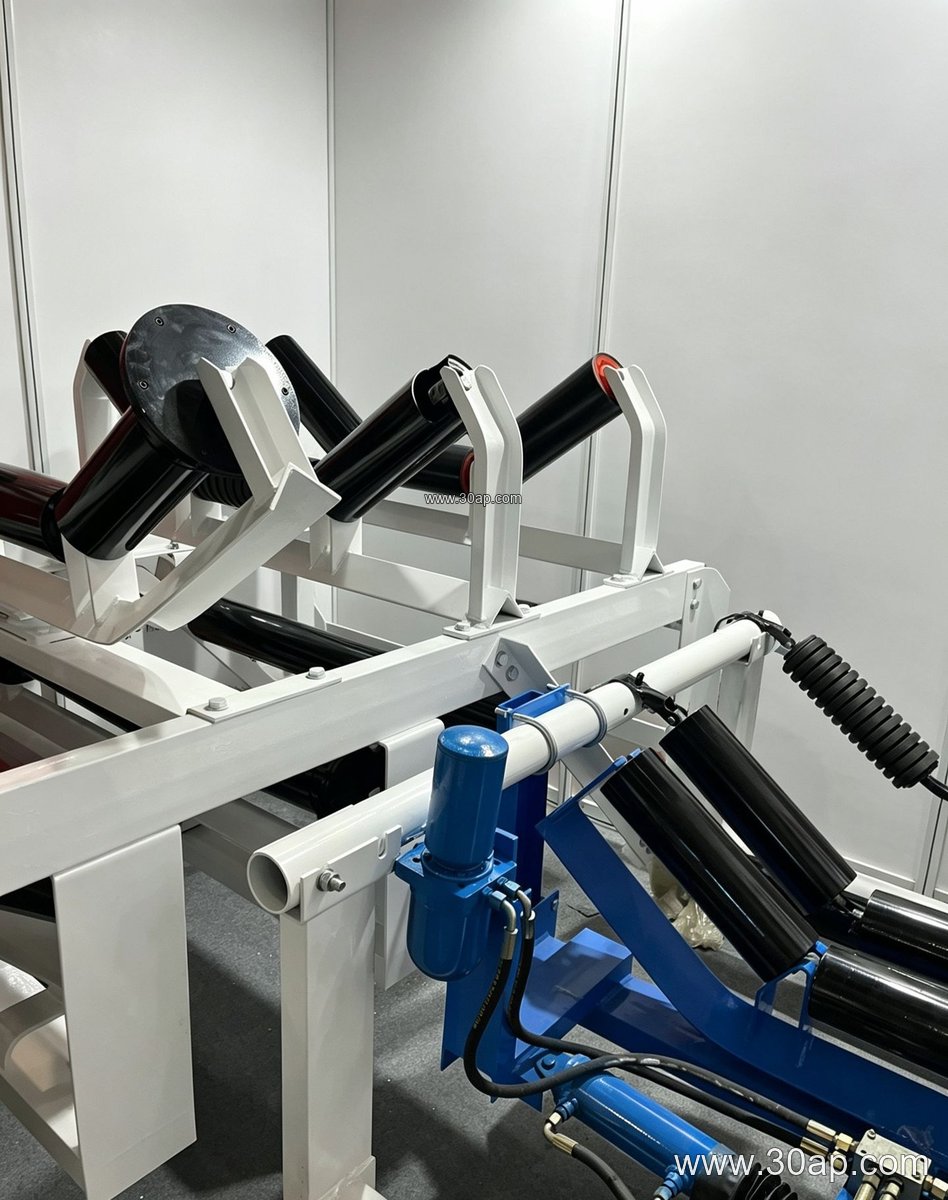
Buyers should provide belt width, belt type, maximum tension, pulley position, and environmental conditions. For a fabric core conveyor belt such as EP1000 or NN300, a diamond lagging may be sufficient; for a high abrasion resistant conveyor belt in a primary crusher, thicker rubber or ceramic lagging can extend service life. If the conveyor carries oily material, an oil resistant conveyor belt may be used, and the lagging rubber should be compatible. In cold climates, a cold resistant conveyor belt may be paired with a lagging that remains flexible. The pulley face width should exceed the belt width to allow slight misalignment; for B650, a face around 750 mm is typical, while B1400 often uses about 1600 mm. These are reference examples, not fixed rules.
Maintenance and Buyer Checklist
Check lagging wear, groove depth, and bond integrity during scheduled shutdowns. Worn lagging reduces traction and can cause belt slip, especially on inclined conveyors. Keep the pulley clean and aligned with the conveyor bracket and idler roller frame. When replacing a pulley, confirm shaft diameter, keyway, bearing type, and lagging hardness. Ask for dimensional drawings and lagging thickness. A rubber lagged pulley from a qualified supplier should arrive with clear marking of diameter, face width, shaft size, and surface pattern. For more information on related components such as conveyor pulley, conveyor belt, and idler roller, visit our site at https://www.jsconveyorparts.com. Whether the application is a quarry conveyor belt line, a coal mining conveyor belt system, or a cement plant, selecting the right lagged pulley improves reliability and reduces downtime.