What a Port Conveyor Pulley Does
A port conveyor pulley is the rotating drum that drives, tensions, or redirects the belt in a bulk handling conveyor. At a terminal, the same drum family keeps coal, iron ore, fertilizer, grain, and limestone moving from ship unloaders to stockyard conveyors. The working principle is simple: friction between the belt and the drum surface converts shaft torque into belt motion, while the shell geometry keeps the belt tracking. Because port conveyors often run at high capacity and long center distances, the pulley is a wear part that deserves the same attention as the belt itself.
The keyword here is the port conveyor pulley, also called a port belt conveyor pulley in terminal documentation. Drive, tail, and bend pulleys are different positions with different duties and are not interchangeable. A drive pulley transmits power; a tail pulley returns the belt and often carries a take-up; a bend pulley changes belt direction without driving. Buyers should name the position first, then the size and surface.
How the Drum Is Built
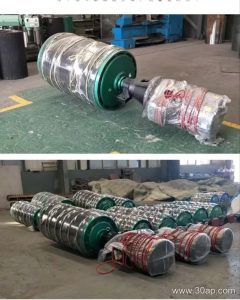
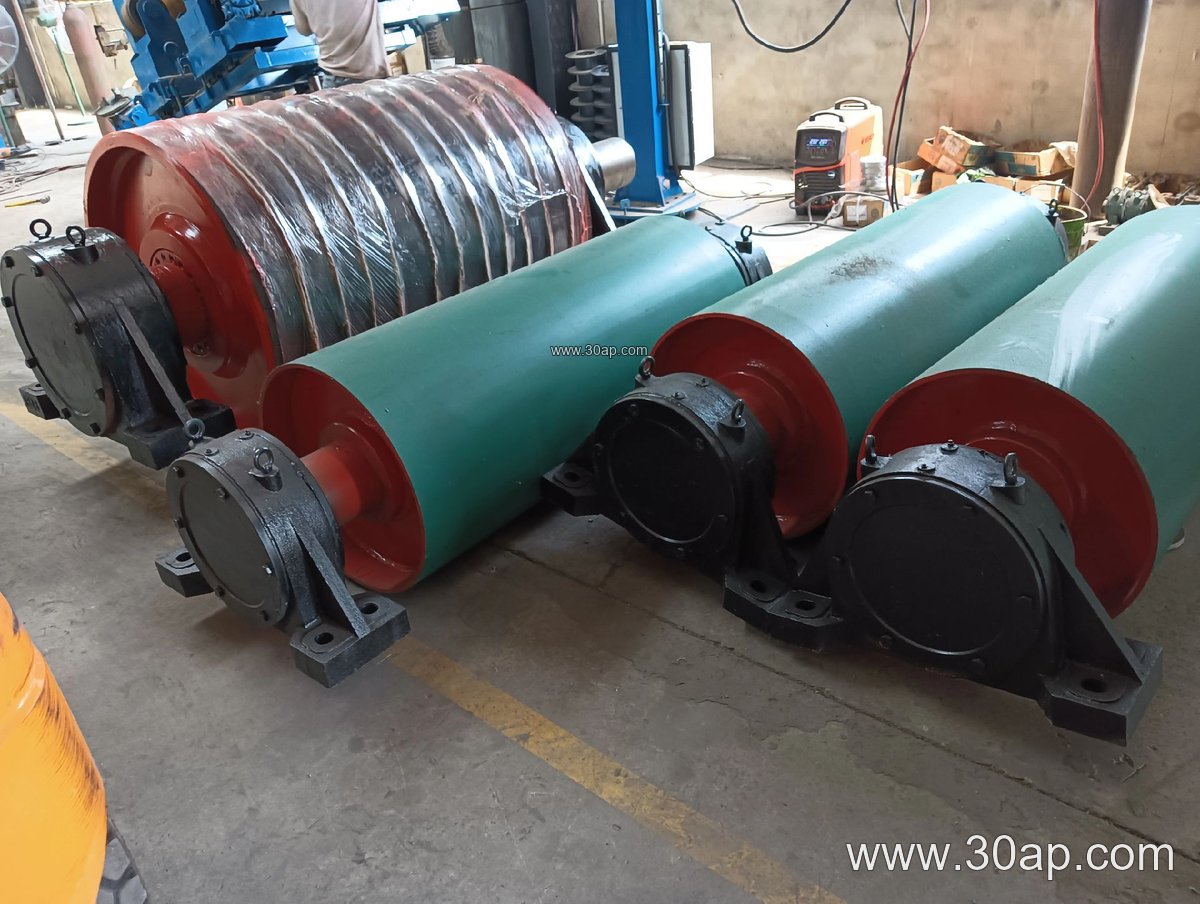
A typical unit combines a welded or rolled steel shell, end discs, a shaft, bearing housings, and a lagging layer. Shell thickness and shaft diameter are set by torque and radial load, not by belt width alone. Common shaft sizes include Ø80, Ø100, Ø120, and Ø160 mm, but the final value follows the drive calculation. Bearing selection, keyway size, and hub design are equally part of the specification.
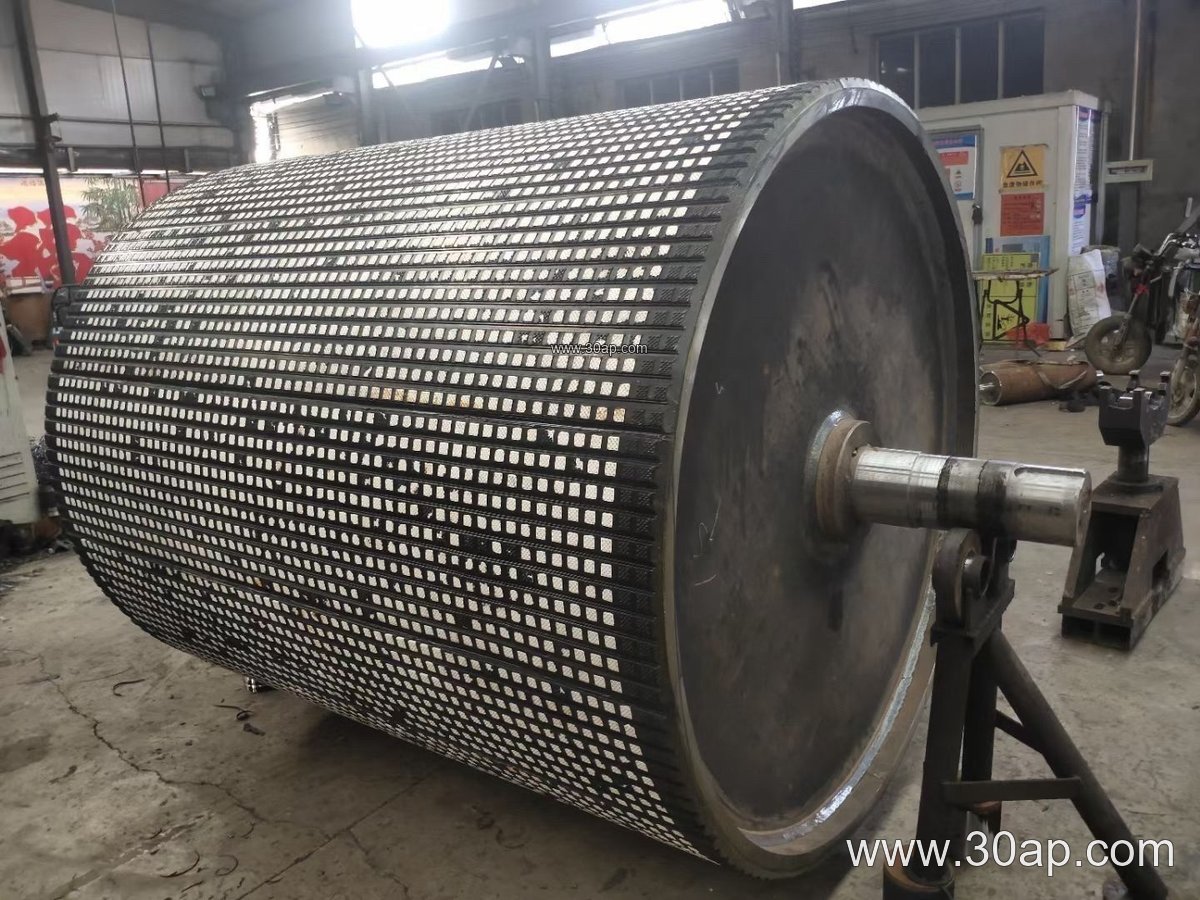
Surface options matter in a dusty, wet terminal. Plain shells suit light duty or reversing belts. Rubber lagging, applied as cold-bonded or hot-vulcanized sheet, raises friction. Diamond grooving improves water shedding, while ceramic tiles resist abrasion on the drive position. Lagging thickness is often 8, 10, 12, or 15 mm depending on the duty.
Common Reference Dimensions
The table below shows typical reference data, not a fixed supply promise. Face width is usually wider than the belt, and one belt width can pair with several drum diameters.
- B500 belt, about 600 mm face, Ø320 to Ø500 drum
- B800 belt, about 950 mm face, Ø400 to Ø630 drum
- B1000 belt, about 1150 mm face, Ø500 to Ø800 drum
- B1200 belt, about 1400 mm face, Ø630 to Ø1000 drum
- B1400 belt, about 1600 mm face, Ø800 to Ø1250 drum
- B1600 belt, about 1800 mm face, Ø1000 to Ø1400 drum
Combinations such as B1200 × Ø1000 or B1400 × Ø800 appear in terminal projects, but they are design choices, not rules. Shaft diameter should be confirmed from torque, belt tension, and bearing life.
Where It Fits in a Port
In a coal terminal, the drive pulley sits at the head of the ship loader or stacker-reclaimer conveyor. A tail pulley at the take-up end keeps tension steady as the belt stretches. Bend pulleys route the belt around the counterweight and save space in the transfer tower. In an iron ore or copper ore terminal, ceramic lagging on the drive drum helps under wet, abrasive conditions. In a grain silo or fertilizer warehouse, a smooth or lightly lagged drum reduces product damage and buildup.
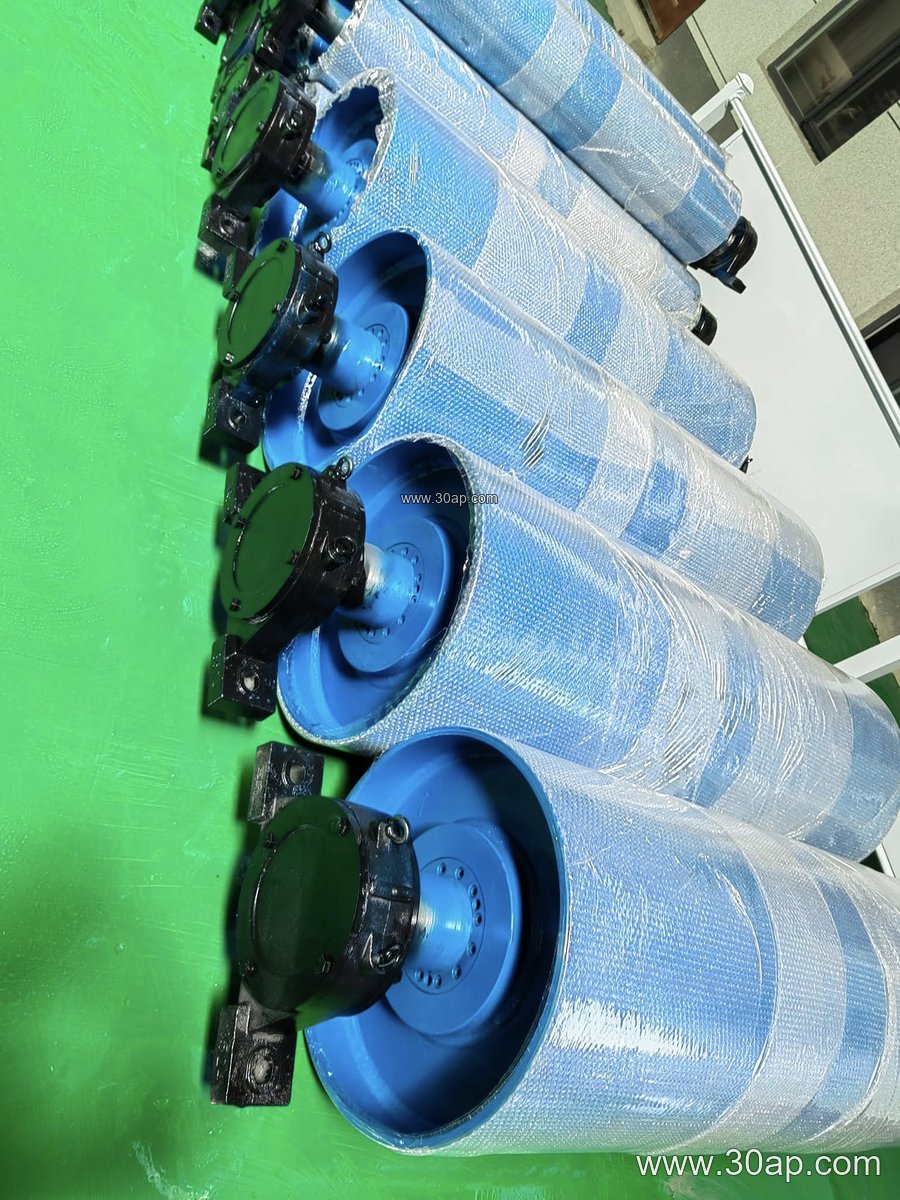
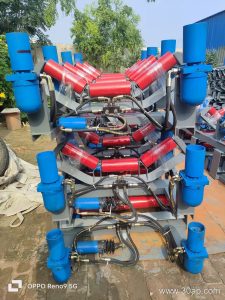
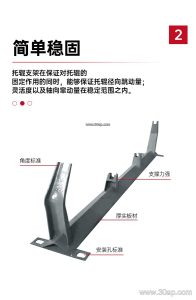
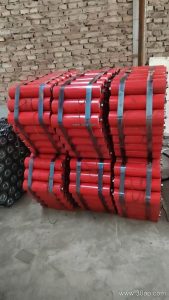
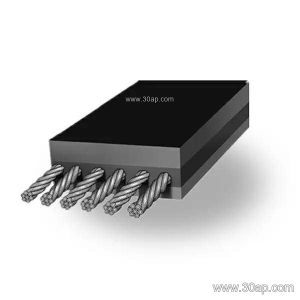
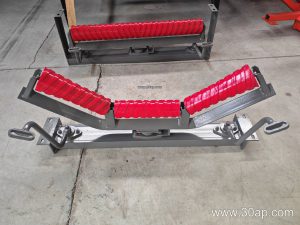
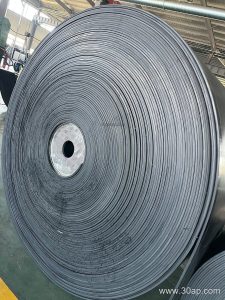
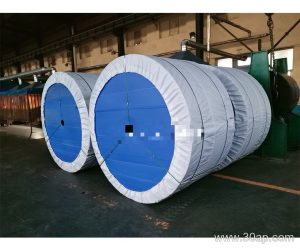
The pulley does not work alone. It pairs with the conveyor belt, idler roller, and conveyor bracket, and the belt type influences lagging choice. A heavy-duty mining conveyor belt with high tension may need a larger drum diameter to limit bending stress, while a flame retardant conveyor belt on a coal system calls for careful static control. Matching a steel cord conveyor belt to an undersized drum shortens belt life, so the drum diameter and belt carcass should be reviewed together.
Selection Points for Buyers
Start with the belt width, belt speed, and absorbed power. Then confirm the pulley position, the required face width, the shaft and bearing arrangement, and the lagging pattern. Ask for the calculated shaft load rather than accepting a size by habit. For abrasive ore, specify abrasion resistant lagging; for wet coal, consider grooved rubber; for high-temperature clinker near a cement plant, use heat-resistant lagging and check clearance.
Inspection is straightforward: check lagging wear, groove depth, shell runout, bearing temperature, and fastener tightness. Keep spare lagging sheets and bearing housings at the terminal store. For a reliable terminal layout, the port conveyor pulley should be specified with the belt and the supporting idler roller frame as one system, not as an afterthought.