What an Oil Resistant Conveyor Belt Is
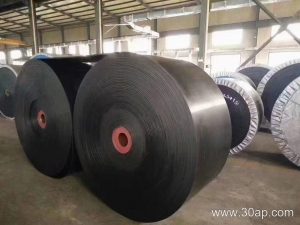
An oil resistant conveyor belt is a rubber-covered belt designed to resist swelling, hardening, and cracking when it carries materials that contain mineral oil, vegetable oil, animal fat, or industrial grease. In everyday plant language it is also called an oil-proof conveyor belt, and both names describe the same product: a belt whose cover compound is selected to slow down oil penetration rather than absorb it.
Oil attacks ordinary rubber. When oil soaks into a standard cover, the rubber can soften, swell, and lose its grip on the carcass. The belt then starts to delaminate, and the cover may peel away from the fabric plies. An oil resistant cover reduces that attack, so the belt keeps its shape and its carrying surface for a longer service period.
How the Belt Is Built
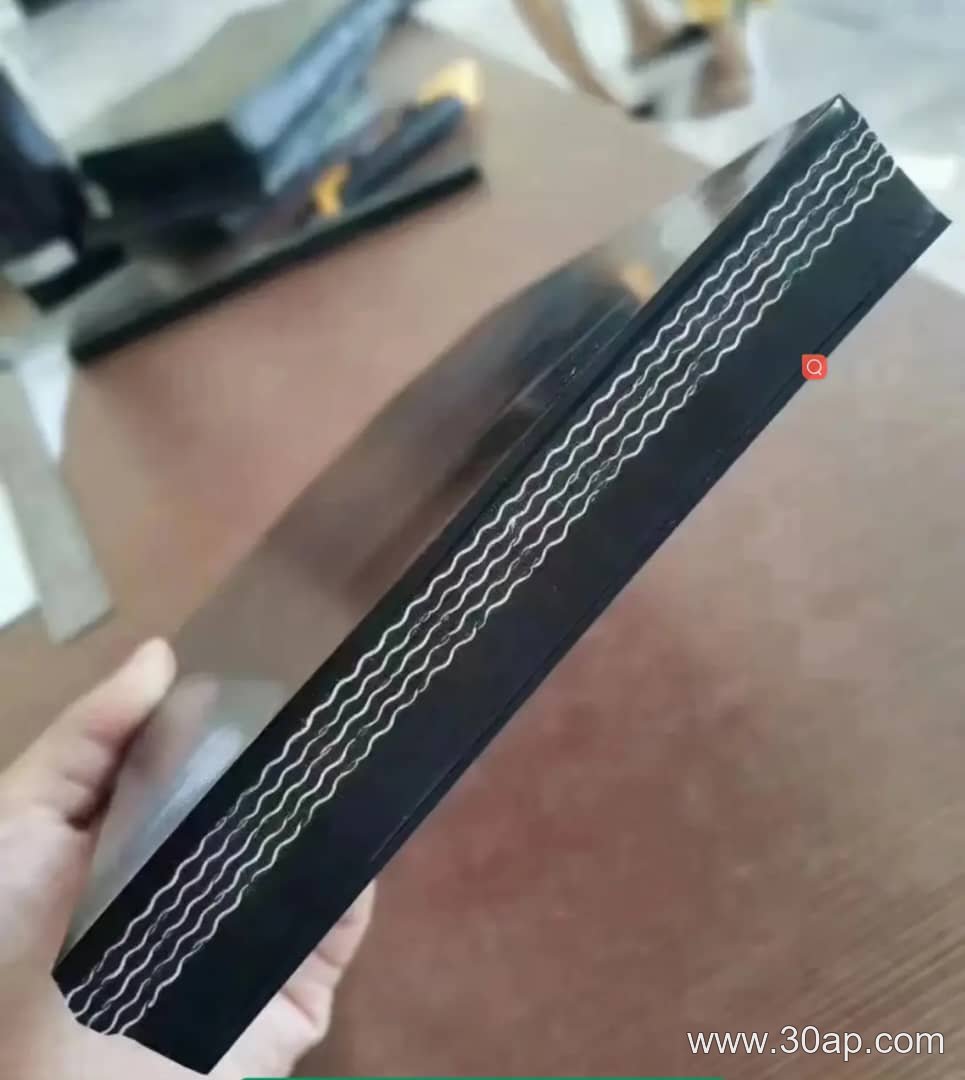
The construction follows the same layered logic as other rubber conveyor belts. A top cover, a carcass of fabric plies or steel cords, and a bottom cover are bonded together under heat and pressure. What makes this type different is the cover compound, which is formulated with oil resistant polymers and fillers instead of the standard natural rubber blend.
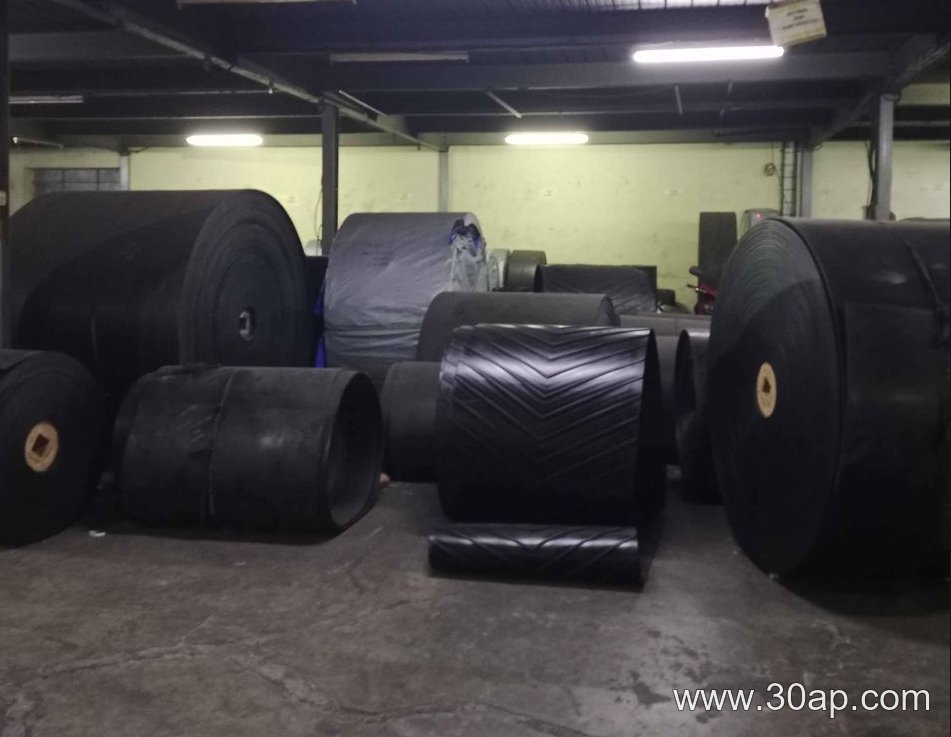
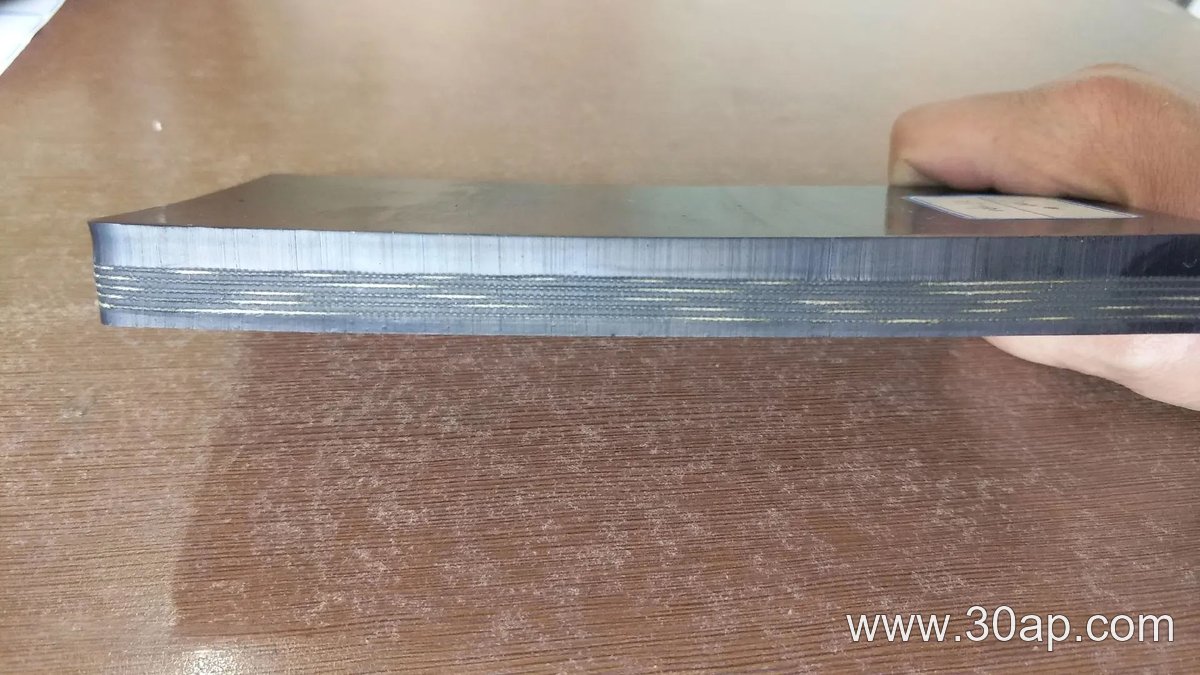
Common carcass options include EP (polyester-cotton) fabric, NN nylon fabric, and steel cord. The choice depends on the load, the pulley diameter, and the impact at the loading point. Typical cover thickness values are 3+1.5 mm, 4+2 mm, 5+2 mm, 6+2 mm, and 8+3 mm, where the first number is the top cover and the second is the bottom cover. Fabric plies usually range from 2 to 6 layers. A heavier cover is normally chosen for sharp, oily scrap, while a lighter cover suits fine grains and moderate abrasion.

| Property | Typical range |
|---|---|
| Belt type | EP, NN, steel cord, PVC, PVG |
| Strength grade | EP200, EP315, EP400, EP500, EP630, EP800, EP1000 |
| Belt width | B500, B650, B800, B1000, B1200, B1400 |
| Cover thickness | 4+2 mm, 5+2 mm, 6+2 mm |
| Carcass plies | 2 to 6 layers |
These figures are common reference values. Actual supply depends on the design of the conveyor and the agreement with the manufacturer.
Where It Fits on the Conveyor
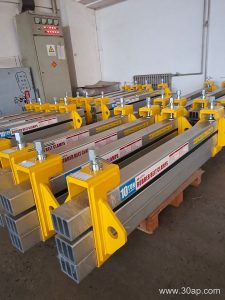
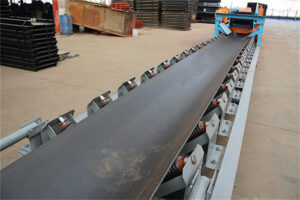
The belt runs over a drive pulley, a tail pulley, and bend pulleys that change the route. Each pulley has its own job, and they are not interchangeable. The drive pulley transmits the motion, the tail pulley returns the belt, and a bend pulley redirects it. Supporting the belt between pulleys are idler rollers and conveyor brackets. Oil resistance matters most on the carrying side, but the pulley side also needs protection because oil can migrate through the carcass.
If oil reaches the pulleys or idlers, it can reduce friction and cause belt slip. A belt with an oil resistant cover limits that migration and helps the whole line stay cleaner. In a food plant, the same belt may also need a white or light-colored cover, and in a grain terminal it may be paired with a flame retardant or antistatic grade.
Typical Applications
- Oilseed crushing plants handling soybean, rapeseed, or sunflower seed
- Feed mills moving oily meal and pellets
- Recycling lines carrying oily metal scrap and used parts
- Wood yards conveying chips with lubricant residue
- Foundries and machine shops moving castings with cutting oil
- Food processing lines that handle fried or greasy products
A relevant comparison is the heat resistant conveyor belt, which is chosen when the main risk is hot material rather than oil. Some plants need both properties, and in that case the cover compound must be specified for both conditions.
What a Buyer Should Check
First, identify the oil type. Mineral oil, vegetable oil, and animal fat affect rubber differently. Second, state the material temperature and the ambient temperature at the conveyor. Third, describe the material shape and size, because sharp oily scrap can cut a cover that would be fine for grain. Fourth, confirm the belt width and strength grade with the pulley diameters and the take-up system. Fifth, ask about the cover thickness in millimeters and the number of plies.
Buyers should also ask whether the belt needs additional properties such as abrasion resistance, flame retardancy, antistatic behavior, or cold resistance. These are separate qualifiers, and each one changes the compound. A belt that carries oily material in a cold climate needs a different formulation from one that carries the same material in a warm workshop.
Maintenance Notes
Keep the belt clean. Wipe or scrape off oil pools at the loading point and check the return run for buildup. Inspect the cover for swelling, soft spots, and edge cracking. Check idler rollers for seized bearings, because a locked roller can rub a groove into the cover. Check pulley lagging for oil contamination, since slick lagging reduces grip. Store spare belts away from oil, solvents, and direct sunlight, and keep them on a dry surface.
When the cover shows deep cracks or the plies start to separate, plan a replacement. A small patch may extend service life for a short time, but oil damage usually spreads along the carcass.