What Pulley Custom Machining Involves
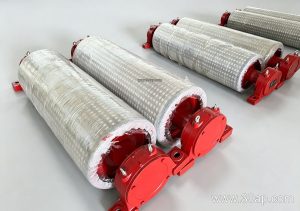
Pulley custom machining is the engineering and fabrication of conveyor pulleys to match a specific belt width, shaft load, and operating environment. Unlike off-the-shelf drums, a custom-machined pulley is built around the actual conveyor layout—whether it sits at the head, tail, tension, or bend position. In a quarry or aggregate line, for example, the drive pulley must transmit torque without slip, while a bend pulley simply redirects the belt. Each role demands different machining tolerances, hub design, and surface treatment.
The process starts with the pulley shell, which is usually rolled from steel plate and then machined on a lathe to achieve true concentricity. End discs are welded or bolted to the shell, and the shaft is fitted through a bored hub. Keyways, taper locks, or shrink-fit connections are machined according to the torque load. For a B1200 conveyor belt system, the pulley face width is typically around 1400 mm, but the shaft diameter is not chosen from belt width alone—it is calculated from the actual torque and radial load. Common shaft sizes range from Ø50 to Ø200 mm, and the final dimension is confirmed by the design engineer.
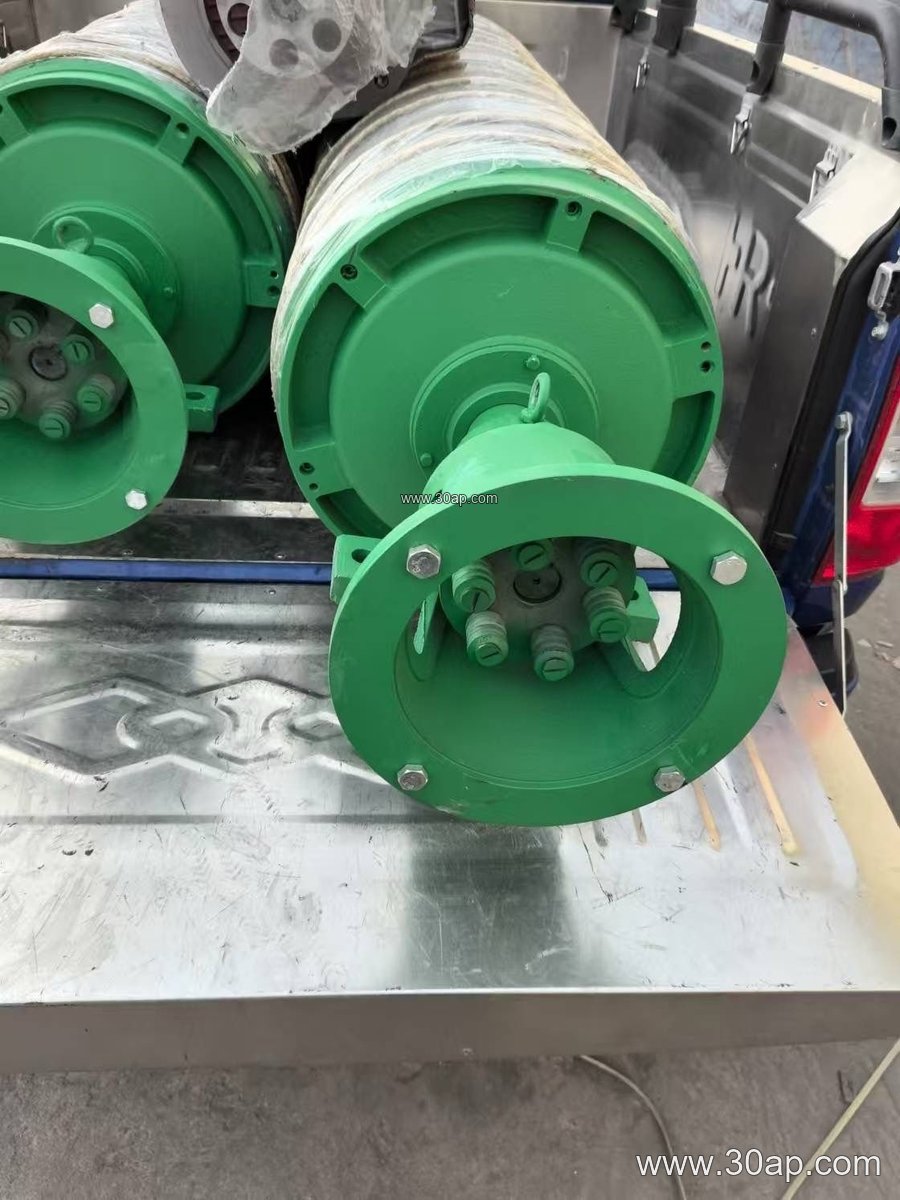
How the Machining Supports Different Pulley Roles
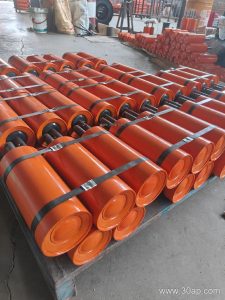
Drive pulleys need a tight grip on the belt, so they often receive diamond or herringbone grooving after machining. Tail pulleys may be machined with a smooth face to allow belt cleaning, while bend pulleys are kept lightweight but true-running. A common mistake is to treat drive, tail, and bend pulleys as interchangeable; they are not. Custom machining respects these differences by adjusting shell thickness, hub length, and surface finish. For a heavy-duty mining conveyor belt carrying iron ore, the drive pulley might be machined to accept a 20 mm rubber lagging, whereas a bend pulley in the same system could use a thinner 10 mm plain lagging. The machining process also includes dynamic balancing for high-speed pulleys, which reduces vibration and extends bearing life.
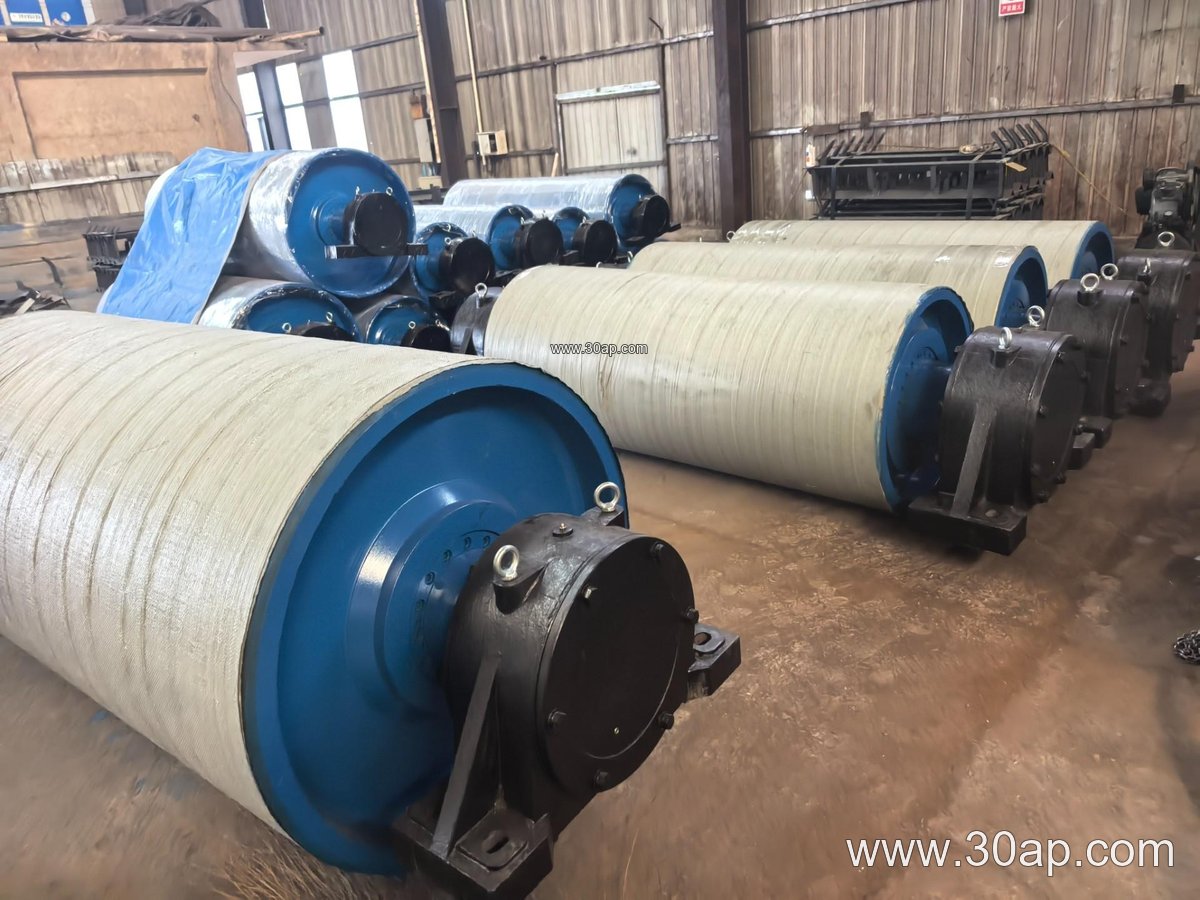
Applications Across Bulk Handling Industries
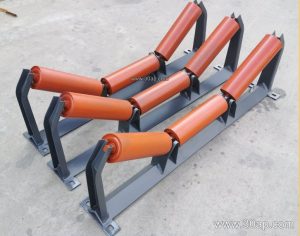
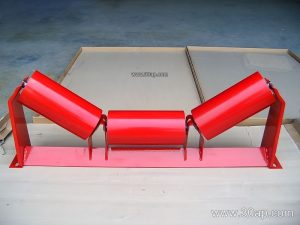
Custom-machined pulleys appear wherever bulk materials move on a conveyor belt. In a coal washing plant, flame retardant and anti-static properties matter for the belt, and the pulleys are machined to suit the same safety requirements. In a cement plant, heat resistant conveyor belts carry clinker, so the pulley bearings and lagging are selected to tolerate elevated temperatures. A sand and gravel pit may use a B800 × Ø500 drive pulley with cold-bonded rubber lagging, while a port ship loader might require a B1800 × Ø1250 pulley with ceramic lagging for high-traction, wet conditions. Other common sites include power plant coal yards, steel sinter plants, and fertilizer granulation lines. In each case, the pulley is matched to the conveyor bracket and idler roller layout, not chosen from a catalog alone.
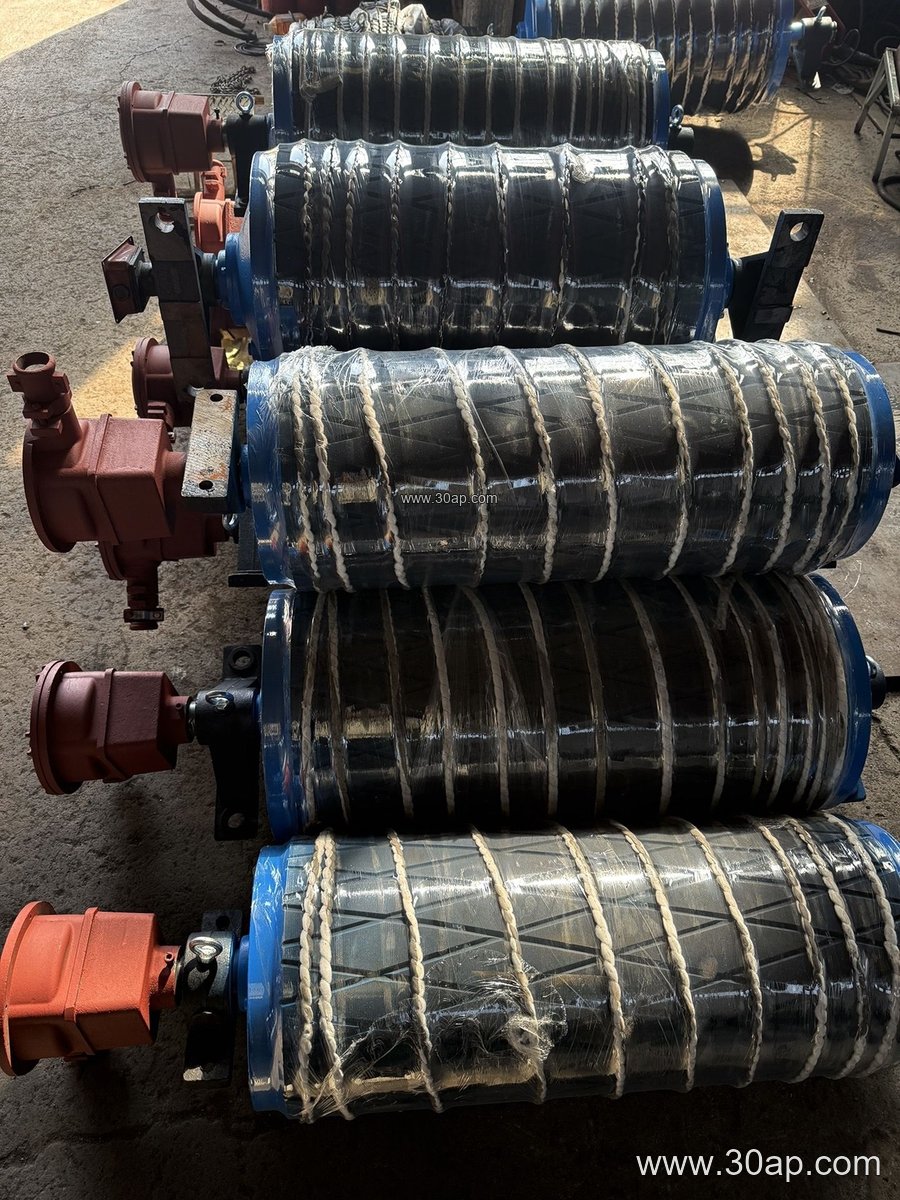
Key Parameters Buyers Should Clarify
When requesting pulley custom machining, buyers should provide the belt width, the required pulley diameter, the shaft diameter and material, the lagging type and thickness, and the mounting position. The table below lists common reference values, but these are not universal specifications—final dimensions are determined by the conveyor design.
| Parameter | Common Reference Range | Notes |
|---|---|---|
| Belt width (B) | B400 to B2400 | Pulley face width is usually larger than belt width, e.g. B1200 ≈ 1400 mm face. |
| Pulley diameter | Ø200 to Ø1800 | Selected by belt tension, speed, and space. |
| Shaft diameter | Ø50 to Ø200 | Based on torque and load, not belt width alone. |
| Lagging thickness | 8, 10, 12, 15, 20 mm | Drive pulleys often use thicker lagging than bend pulleys. |
| Surface form | Plain, diamond, herringbone, ceramic | Choose for grip, cleaning, and material build-up. |
It is also useful to state the conveyor belt type—for example, an EP conveyor belt or a steel cord conveyor belt—because belt stiffness affects the minimum pulley diameter. A heavy-duty mining conveyor belt with high tension may need a larger drum to avoid excessive bending stress. Buyers should avoid assuming that one belt width matches only one pulley diameter; the same B1000 belt can run on different pulley sizes depending on the duty.
Quality Checks and Maintenance Planning
After machining, a custom pulley should be checked for runout, keyway fit, and lagging bond strength. In the field, regular inspection of the lagging surface and shaft bearings prevents unplanned stoppages. For a quarry conveyor belt handling abrasive rock, worn lagging reduces traction and can cause belt slip. Re-lagging or replacing the pulley is easier when the original machining drawings are available. Keep records of the pulley diameter, shaft size, and lagging specification so that future maintenance or a second unit can be machined to the same fit. Whether the conveyor moves coal, clinker, ore, or grain, a correctly machined pulley contributes to stable belt tracking and longer component life.