What an 800mm Conveyor Belt Is
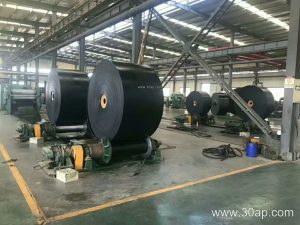
An 800mm conveyor belt is a belt with a nominal width of 800 millimeters, usually written as B800 in specifications. It sits in the middle of the common width range, above 650mm and below 1000mm, and is widely used where a 500mm or 600mm belt is too narrow but a 1200mm belt would be oversized. The width affects material load, belt weight, pulley face length and frame layout, so it is chosen together with the conveyor design rather than on its own.
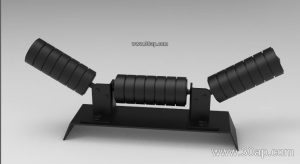
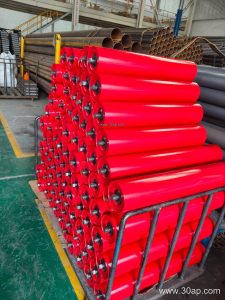
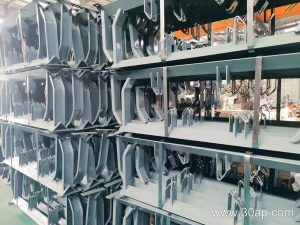
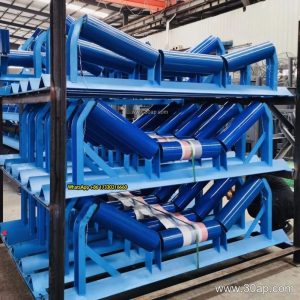
The belt is only one part of the system. It runs over a drive pulley, a tail pulley and bend pulleys, and is supported by idler rollers mounted on conveyor brackets. Each of these parts has its own function and its own sizing rules; a drive pulley, a tail pulley and a bend pulley are not interchangeable, and none of them should be selected from belt width alone.
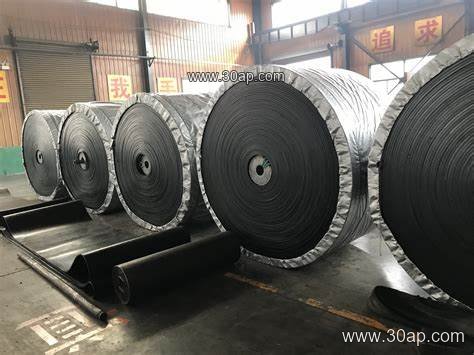
Construction and Common Specifications
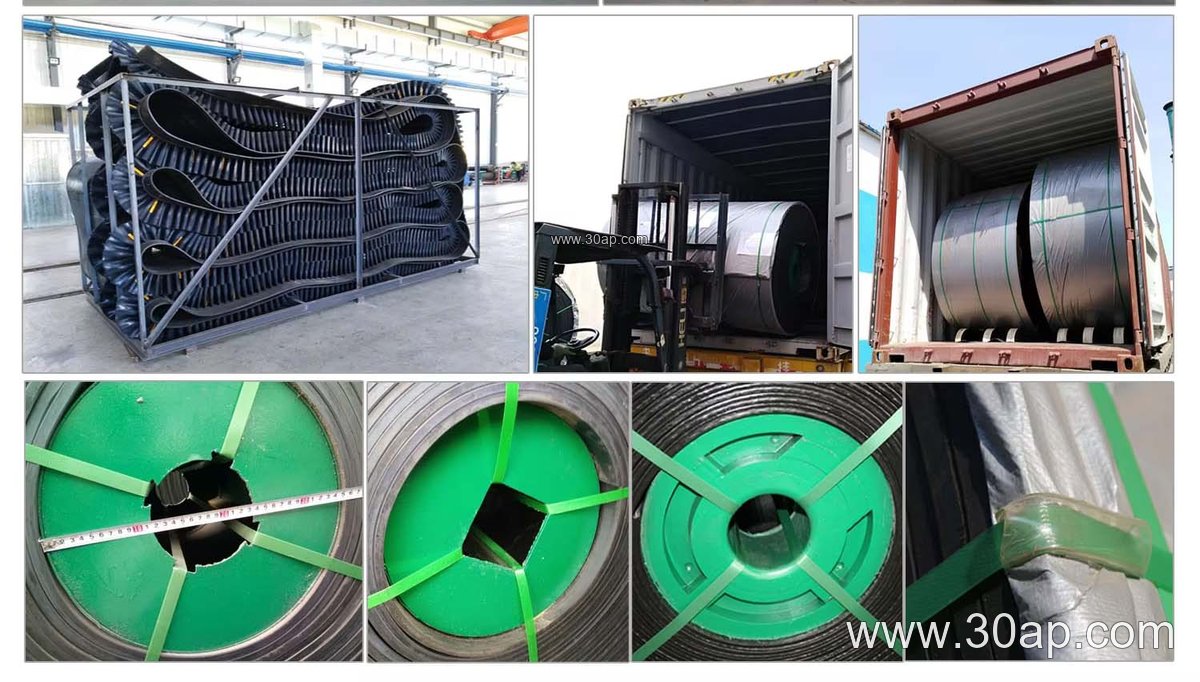
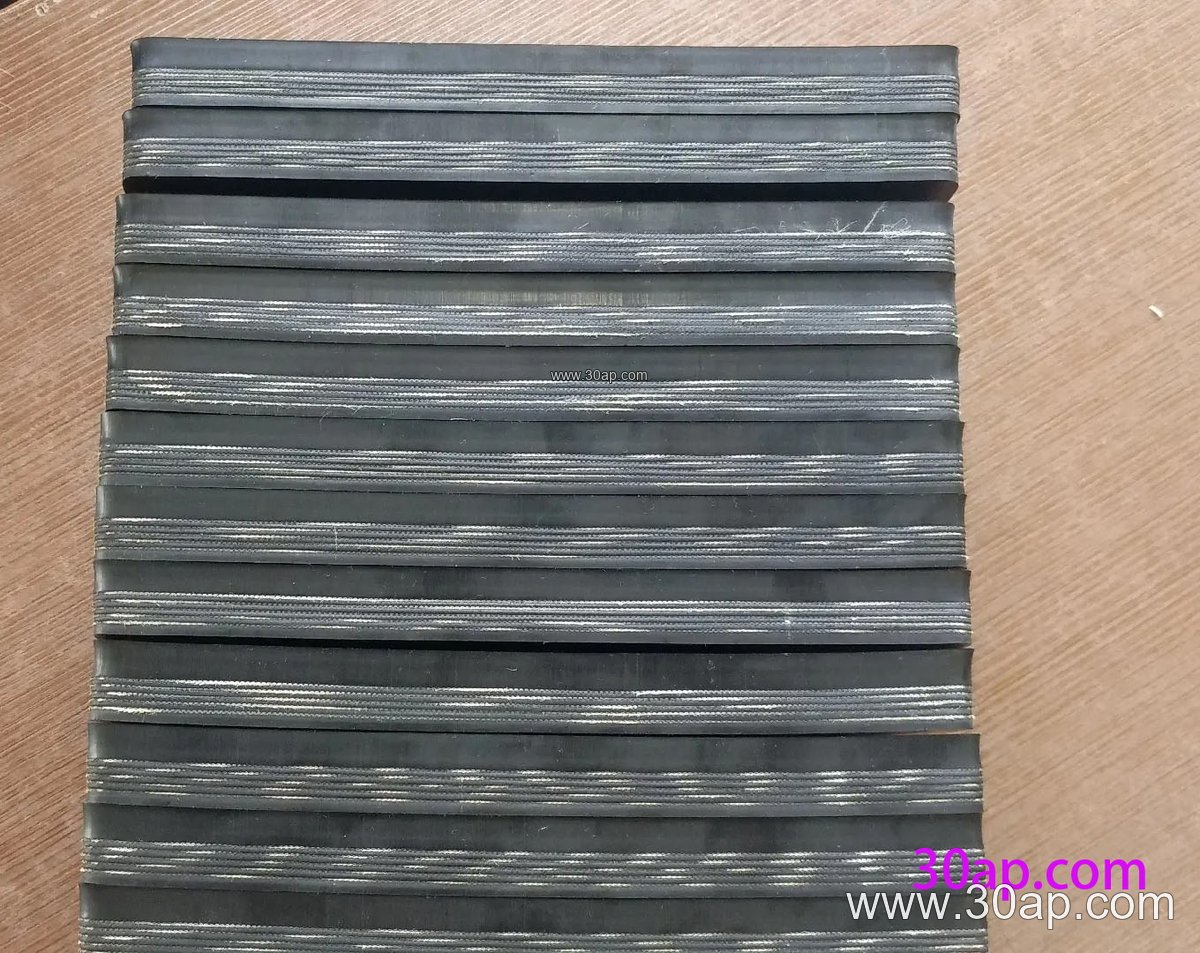
Most 800mm belts are fabric core or steel cord constructions. Fabric core belts use EP (polyester) or NN (nylon) plies, typically 2 to 6 layers, with rubber covers on both sides. Steel cord belts use a single layer of steel wires and are chosen for long runs and high tension. Cover thickness is often written as top plus bottom, for example 4+2 mm or 6+2 mm.
The table below shows typical reference values. Actual values depend on the manufacturer and the conveyor design.
| Item | Common Reference |
|---|---|
| Belt width | B800 (800 mm) |
| Fabric core types | EP200, EP315, EP400, EP500, EP630, EP800, EP1000 |
| Nylon core types | NN100, NN200, NN300, NN400 |
| Steel cord types | ST1000, ST1250, ST1600, ST2000 |
| Cover thickness | 3+1.5, 4+2, 5+2, 6+2, 8+3 mm |
| Ply count | 2 to 6 layers, by design |
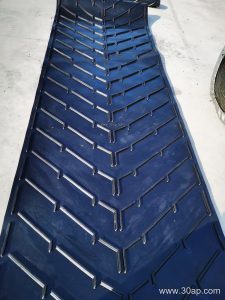
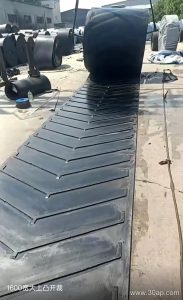
Surface forms include plain, chevron, skirted and corrugated sidewall belts. Special grades cover heat resistant, oil resistant, flame retardant, abrasion resistant, cold resistant and anti-static duties. An 800mm EP conveyor belt with 4+2 mm covers is a common general-purpose choice, while an 800mm steel cord belt suits heavier tension loads.
Where It Fits in the Plant
B800 belts appear in many industries. In a quarry or aggregate plant they carry crushed stone from a crusher to a screening station. In a cement plant they move clinker, limestone and additives. In a coal mining or underground coal mining operation, flame retardant and anti-static grades are often required. Power plants use them for coal and ash handling, and ports use them on ship loading and stockyard lines. Sand making plants, recycling lines and steel plants also run this width.
The working environment decides the belt grade more than the width does. A high abrasion resistant conveyor belt is common in ore and rock handling, while a heat resistant conveyor belt is needed near kilns and sinter lines. In cold regions a cold resistant grade helps the belt stay flexible. For food or clean material, a food grade conveyor belt may be specified.
Selection Points for Buyers
- Confirm the required tensile strength and ply count from the conveyor tension calculation, not from width alone.
- Match the cover grade to the material: sharp rock, hot clinker, oily scrap or fine dust each call for a different compound.
- Check pulley face width and idler trough angle so the 800mm belt trains correctly and does not spill at the edges.
- For inclined sections, consider a chevron or corrugated sidewall belt to prevent material rollback.
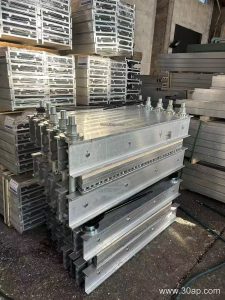
- Ask for the belt’s edge condition and splice method, since an endless conveyor belt joint must suit the site’s maintenance capability.
Buyers often compare 800mm with 650mm and 1000mm widths. A 650mm belt may be enough for a small transfer point, while a 1000mm belt gives more capacity on a main line. The right choice comes from the tonnage, lump size, incline and available frame space.
Maintenance and Long Life
Keep idler rollers turning freely and check pulley lagging for wear. Misaligned belts wear edges quickly, so inspect the tail pulley and bend pulleys regularly. Store spare belts flat and away from sunlight, and follow the maker’s splicing instructions. For more information on belt widths, roller and pulley matching, visit beltconveyorpro.com for 800mm conveyor belt guidance and related components.