Introduction to Spatial Constraints on a General Manufacturing Line
Many plant engineers assume that any standard conveyor belt will effortlessly fit into a facility layout simply because its length matches the overall floor plan. However, the physical reality of a general manufacturing line often imposes strict limitations on equipment footprints, especially when routing material transfer points around existing machinery, structural pillars, and safety walkways. When designing a material handling layout featuring a 650mm conveyor belt, the available horizontal and vertical clearance dictates every fundamental parameter of the mechanical assembly.
Defining the Hypothetical Layout and Dimensional Constraint
To evaluate how physical dimensions influence system design, let us examine an explicitly hypothetical project for a discrete component assembly facility. In this scenario, the line must transport molded plastic housings from an injection molding station across a crowded production floor to a secondary packaging cell.
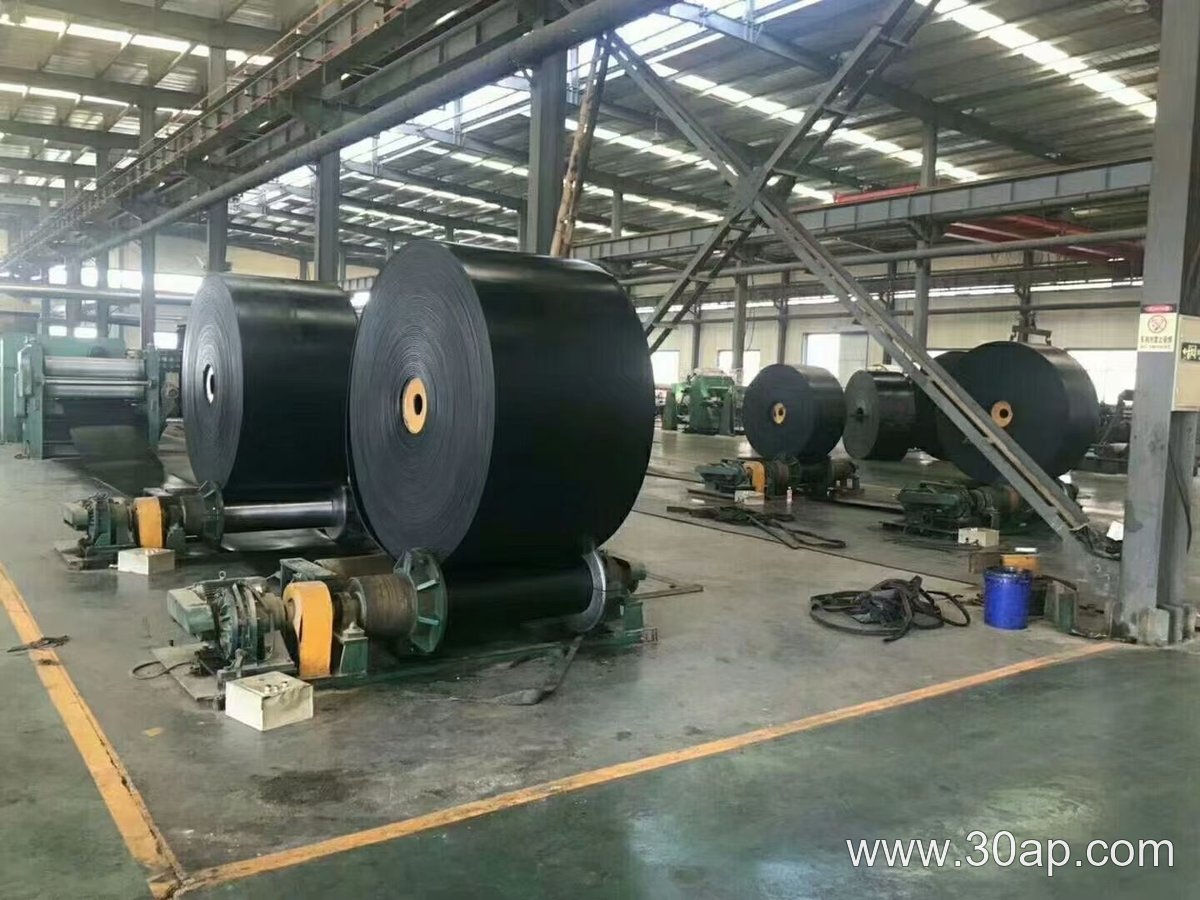
The primary dimensional constraint for this project is a strict maximum allowable conveyor gallery width of 800mm. This tight clearance is mandated by an adjacent automated guided vehicle aisle that must remain unobstructed at all times. Consequently, a wider belt structure is physically impossible to install without violating facility safety codes and blocking traffic flow.
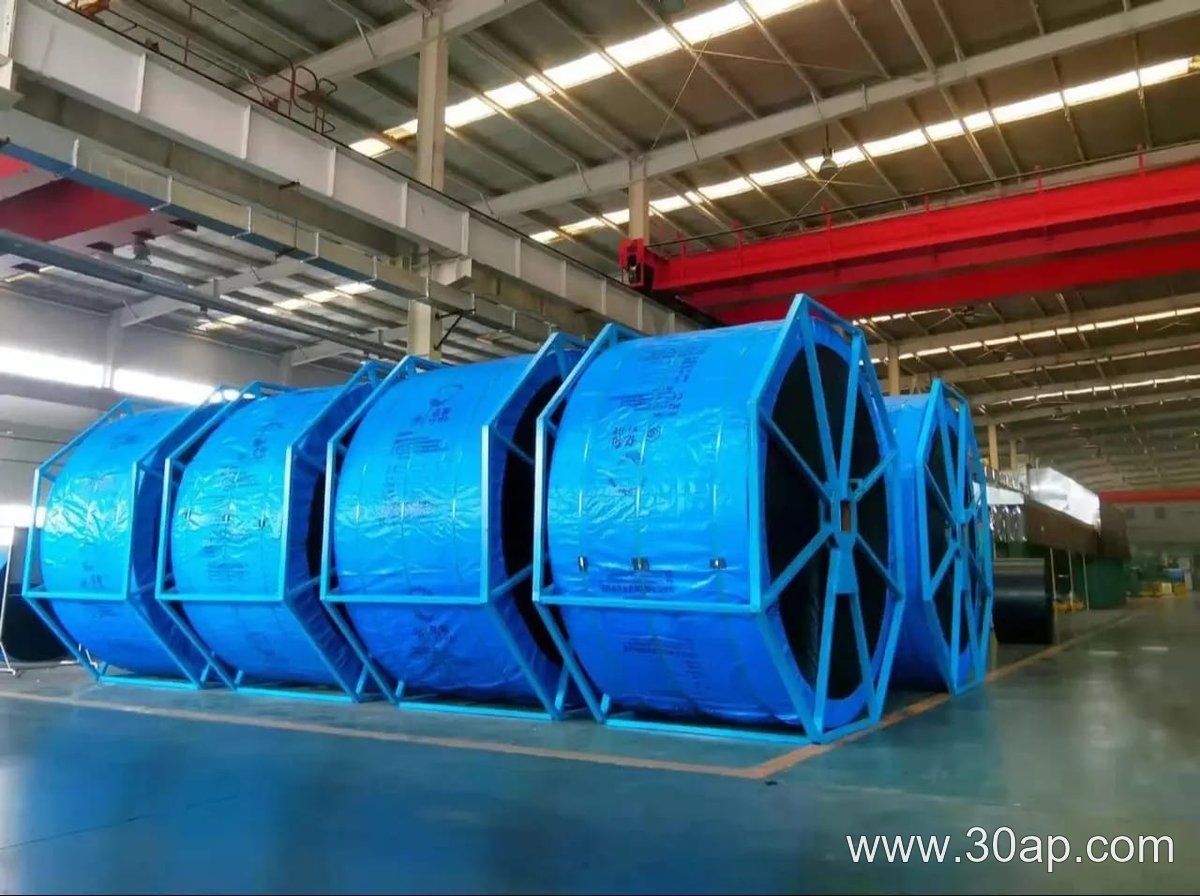
Calculating Carcass Requirements for the 650mm Width
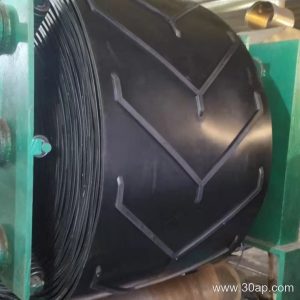
Selecting the proper carcass for a 650mm conveyor belt within a confined corridor requires balancing tensile strength against troughability. Even though the belt width is modest, the operating tension generated by start-up torque and continuous friction must be supported without excessive stretching.
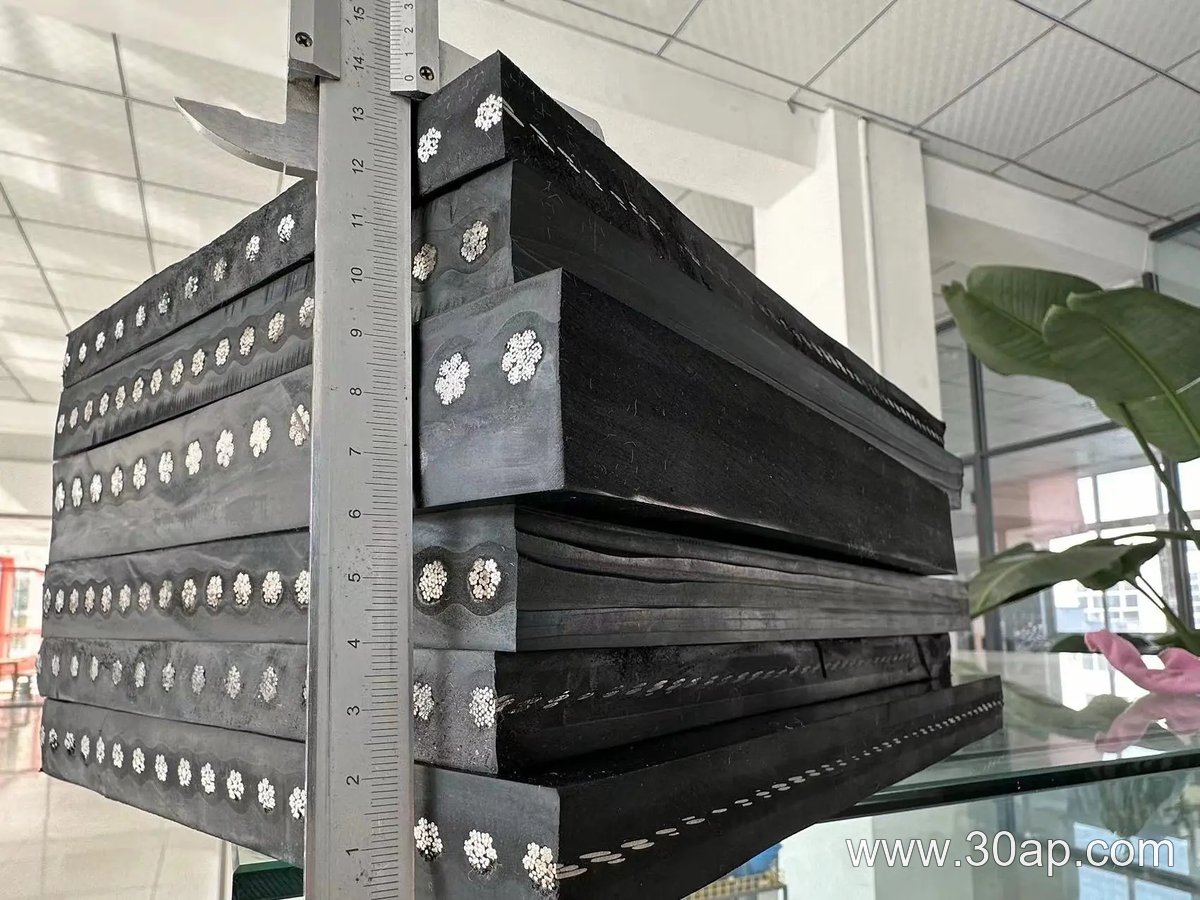
- Determine peak load requirements based on a maximum hourly throughput of molded parts.
- Calculate the minimum fabric ply count needed to maintain safety factors under load.
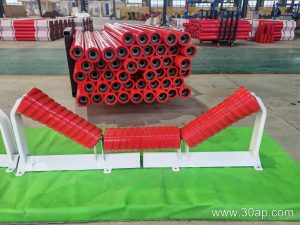
- Verify that the transverse stiffness of the carcass allows the conveyor belt to trough smoothly over 35-degree idler sets without edge pinching.
- Ensure the selected carcass gauge remains compatible with standard pulley diameters to prevent premature delamination.
Routing and Tracking Considerations in Confined Spaces
Operating a 650mm conveyor belt through a restricted manufacturing corridor introduces unique alignment challenges. Because the clearance between the belt edge and structural guards is only 75mm on either side, minor lateral tracking errors can cause immediate edge fraying or contact with stationary framework.
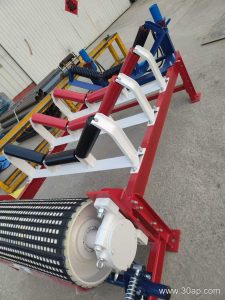
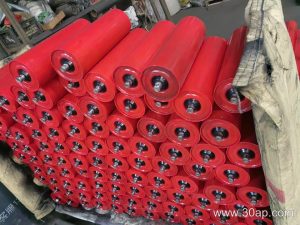
To mitigate this risk, engineers must integrate precision training idlers and self-centering return rollers at strategic intervals along the frame. Furthermore, pulley face widths must be accurately matched to the conveyor belt dimensions to ensure stable tracking during both loaded and empty return cycles.
Conclusion and Operational Summary
Designing a material transport system under strict spatial limits demonstrates that width is far more than a simple capacity metric. By carefully coordinating the physical dimensions of a 650mm conveyor belt with the surrounding facility layout, engineers can achieve reliable material flow without compromising safety aisles or structural clearances on a busy manufacturing floor.