What a Mining Conveyor Pulley Does
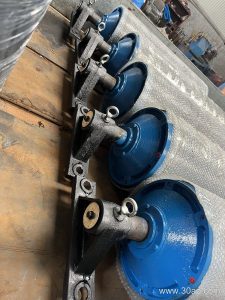
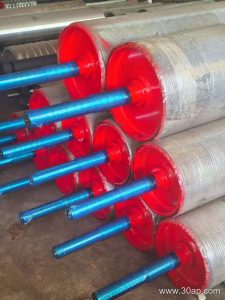
A mining conveyor pulley is the rotating drum that turns a conveyor belt, carries the belt load, and transfers drive force at the head of the system. In hard-rock quarries, iron ore plants, coal preparation facilities, and cement clinker lines, this component works under constant grit, moisture, and heavy tonnage. The pulley is not simply a roller with a shaft; its shell, hub, shaft, lagging, and bearing arrangement are selected together so the belt tracks straight and the drive package delivers torque without slipping.
Buyers often search for a conveyor pulley by duty rather than by name. The same assembly may be called a belt pulley, a drum pulley, or a head drum, but those terms must not be confused with tail, bend, or take-up positions. Each position has a different load profile and a different effect on belt tension.
How the Assembly Is Built
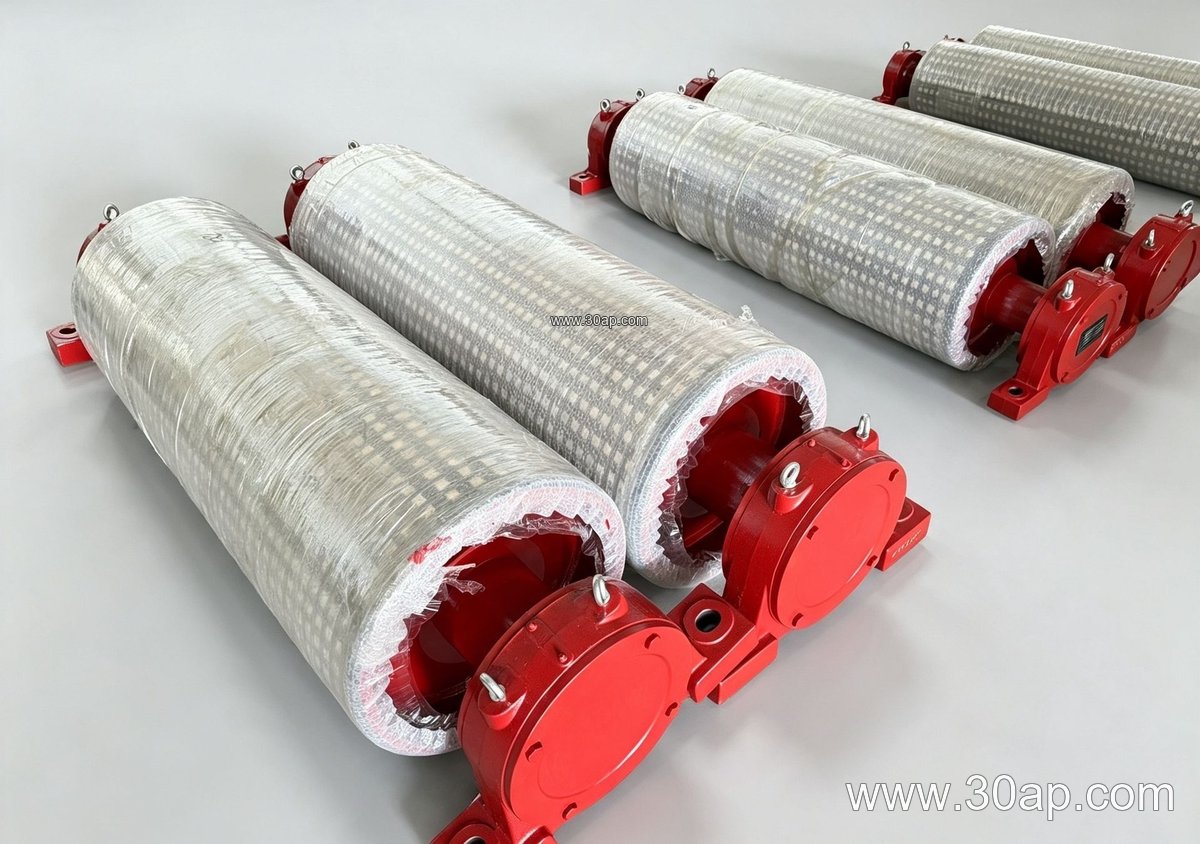
A typical unit combines a rolled steel shell, welded end discs, a through shaft, and bearing housings mounted on a sturdy frame. The shell diameter and face width are matched to the belt width and the required wrap angle. Common face widths run slightly wider than the belt, for example a B800 belt usually pairs with a shell face around 950 mm, while a B1200 belt may use a face near 1400 mm. These are reference values, not fixed rules.
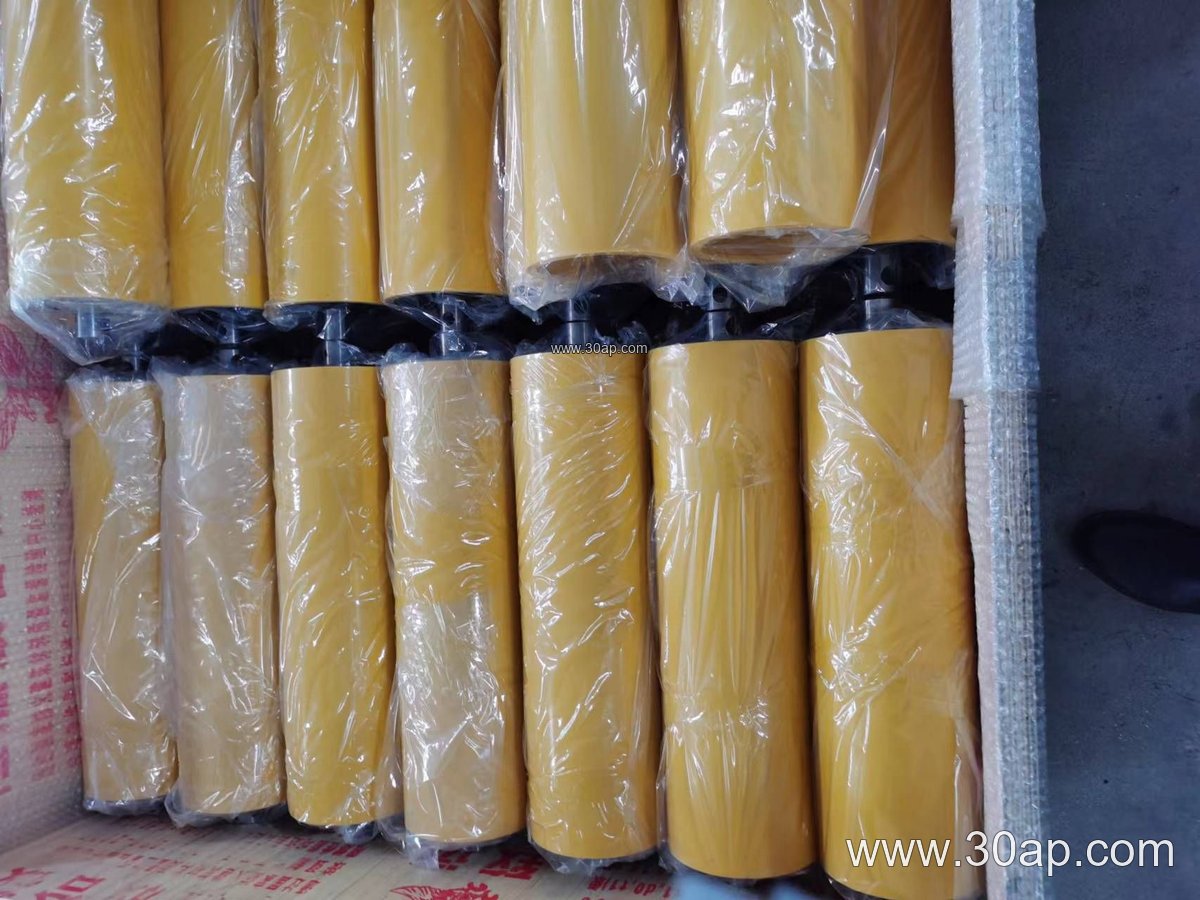
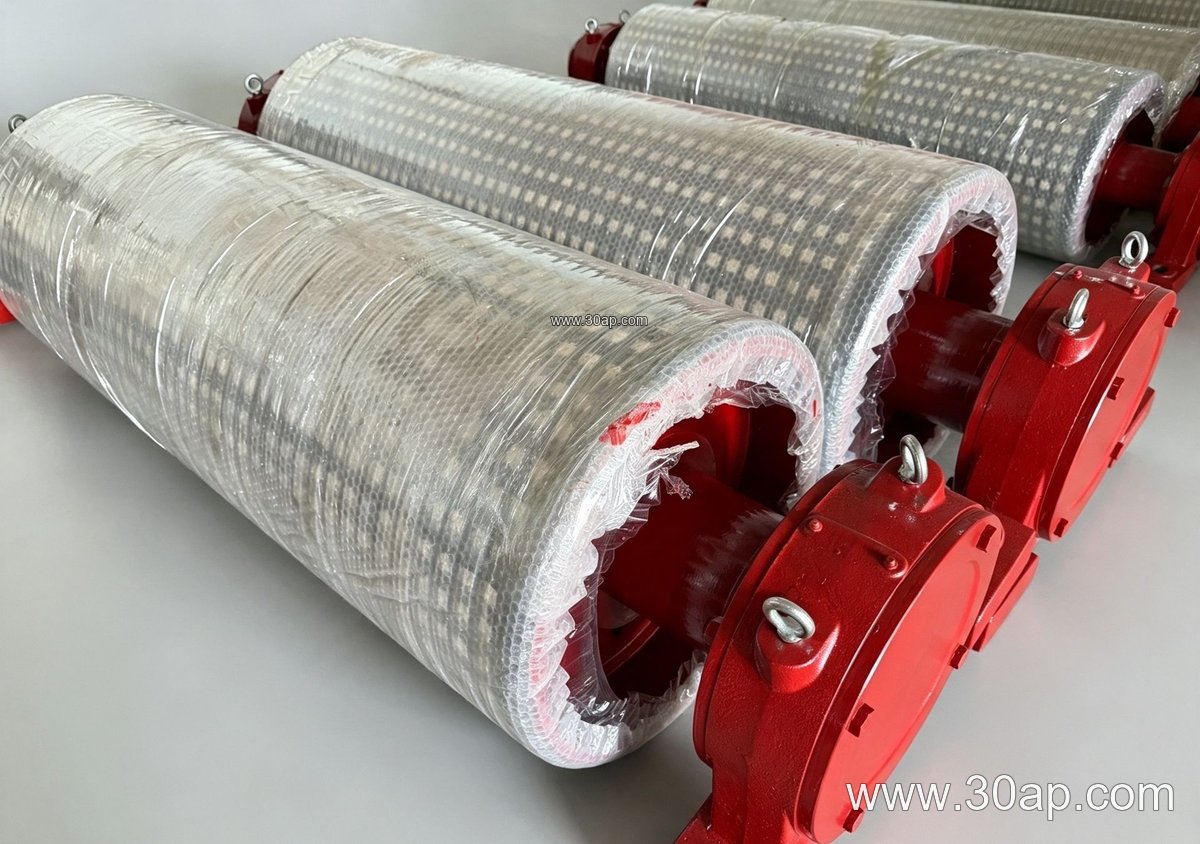
Lagging is the outer surface that contacts the belt. Plain steel is used where traction is not critical. Rubber lagging, applied by cold bonding or hot vulcanizing, improves grip in wet or dusty service. Diamond and herringbone patterns help shed water and fines, while ceramic lagging suits high-abrasion ore handling. Common lagging thicknesses include 8, 10, 12, 15, and 20 mm, chosen according to slip risk and belt cover quality.
- Shell and end disc welds inspected for fatigue resistance
- Shaft sized by torque and bearing load, not by belt width alone
- Bearing type selected for radial load and sealing against dust
- Surface finish and lagging pattern matched to the duty
Where It Fits in the Belt Line
At the discharge end, the drive pulley pulls the loaded belt and sets belt speed. At the tail, a pulley redirects the returning belt and often carries the tension of the take-up system. Bend pulleys change belt direction around a tension unit, while snub pulleys increase wrap angle on the main drive. In a coal mining conveyor belt system, flame retardant belting and anti-static properties matter, but the pulley selection still follows load, speed, and environment.
In a limestone quarry or aggregate line, dust and sharp rock fragments shorten bearing life if seals are poor. In a cement plant, heat from clinker can affect rubber lagging, so heat-resistant grades or ceramic surfaces may be considered. A copper ore or iron ore conveyor often needs a heavy-duty shell and abrasion resistant lagging, while a power plant coal yard may prioritize reliable tracking and easy maintenance access.
Sizing and Selection Points
Diameter and face width should be checked against belt tension, wrap angle, and the space available for the drive frame. A larger diameter reduces belt bending stress and can improve lagging life, but it also raises frame height and cost. The shaft diameter is determined by torque and bending load; common shaft sizes include Ø50, Ø60, Ø70, Ø80, Ø90, Ø100, Ø120, Ø140, Ø160, Ø180, and Ø200, but no single shaft size should be assumed from belt width alone.
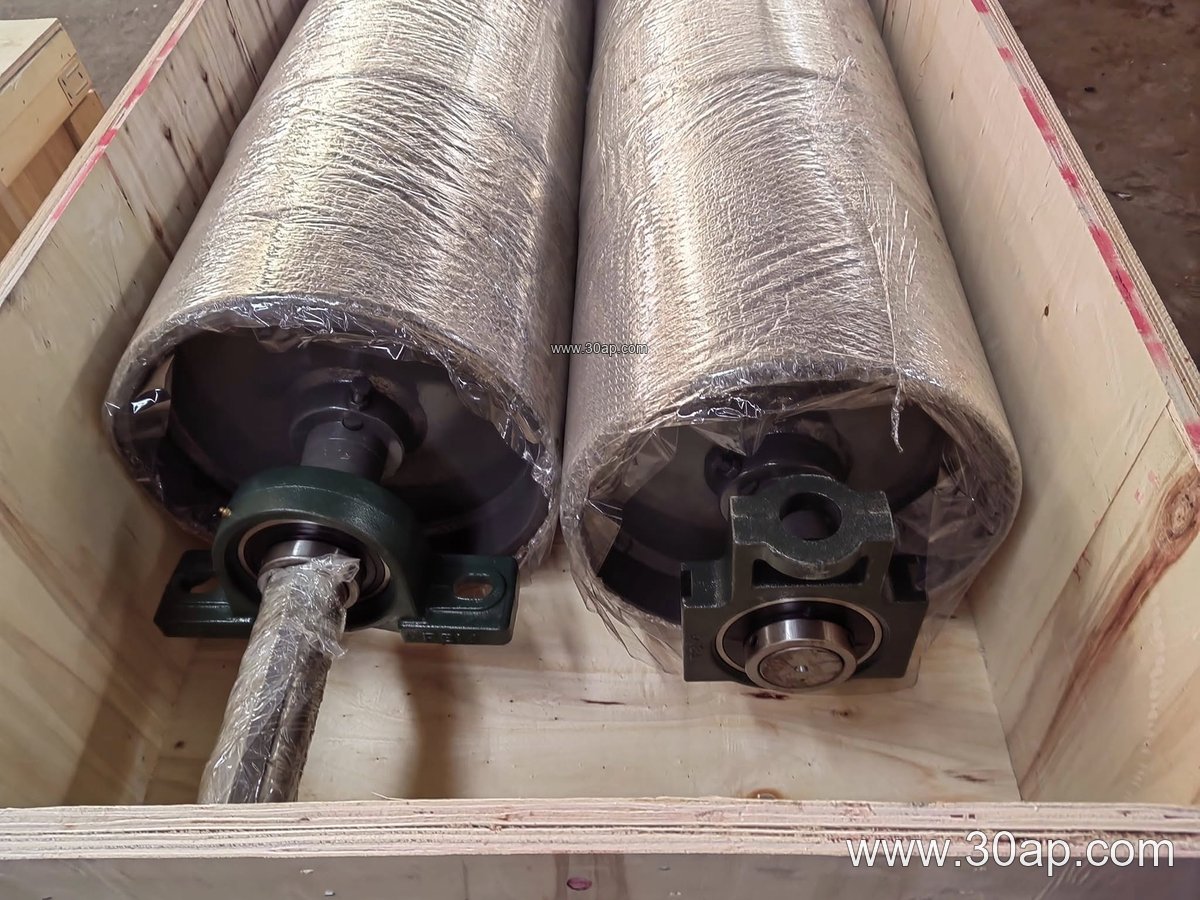
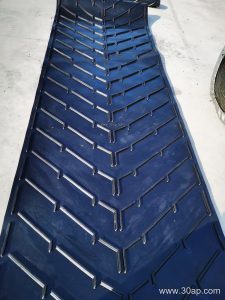
Useful reference combinations include B800 × Ø500, B1200 × Ø1000, and B1400 × Ø800. These illustrate a range of designs, not mandatory pairings. The belt itself also matters: a multi-ply fabric core or steel cord conveyor belt has different tension behavior, and a chevron or corrugated sidewall belt may require extra clearance and careful pulley face design.
Maintenance and Buyer Checklist
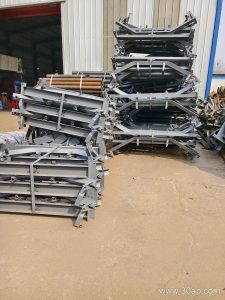
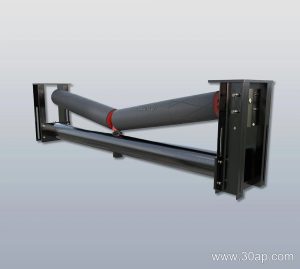
Check lagging wear at each shutdown, listen for bearing noise, and confirm that the belt tracks centrally on the shell. Keep the conveyor bracket and frame bolts tight, and inspect the idler roller alignment near the pulley because misalignment can cause edge wear and premature lagging failure. Spare lagging sheets and bearing seals should match the original specification.
When requesting a quotation, provide belt width, belt type, required diameter, shaft size if known, lagging preference, operating environment, and the pulley position in the conveyor. Mention whether the line handles coal, ore, clinker, or aggregate, and state the ambient conditions. A supplier can then propose a suitable mining conveyor pulley rather than a generic drum.