What an Anti-Material-Buildup Idler Does
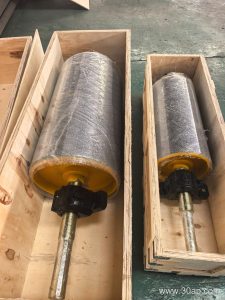
An anti-material-buildup idler is a conveyor idler roller designed to prevent sticky, wet, or fibrous material from clinging to its shell. In many bulk handling operations, carryback and spillage adhere to standard rollers, causing belt misalignment, increased drive power, and uneven wear. This idler tackles that problem through a combination of surface geometry and material selection that encourages material to fall away rather than accumulate.
The product is also known as a self-cleaning idler or a non-stick idler roller. It is not a replacement for a drive pulley, tail pulley, or bend pulley; those are different components with distinct functions in a conveyor pulley system. The anti-material-buildup idler belongs to the idler family and works alongside the conveyor belt to keep the load path clean.
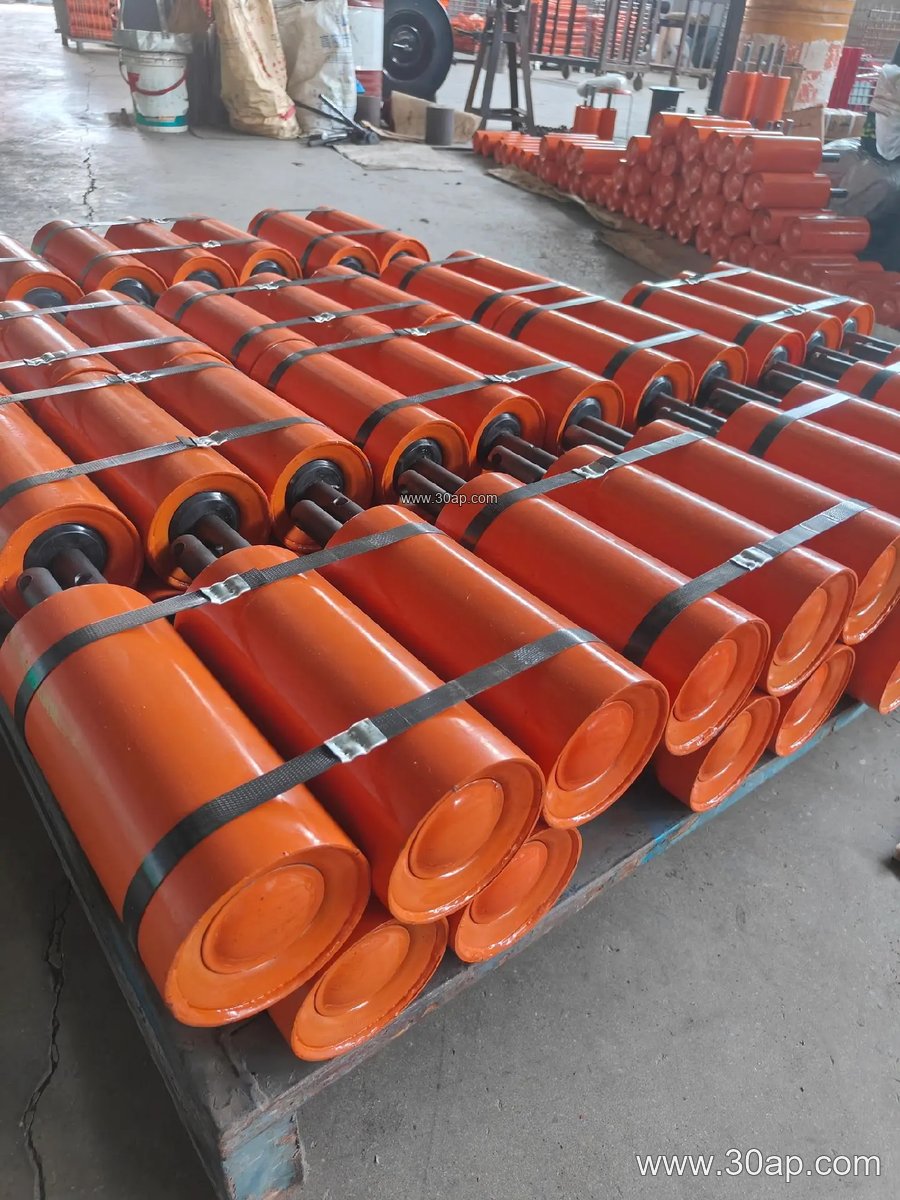
Construction and Surface Options
Build-up resistance starts with the roller shell. Common surface forms include:
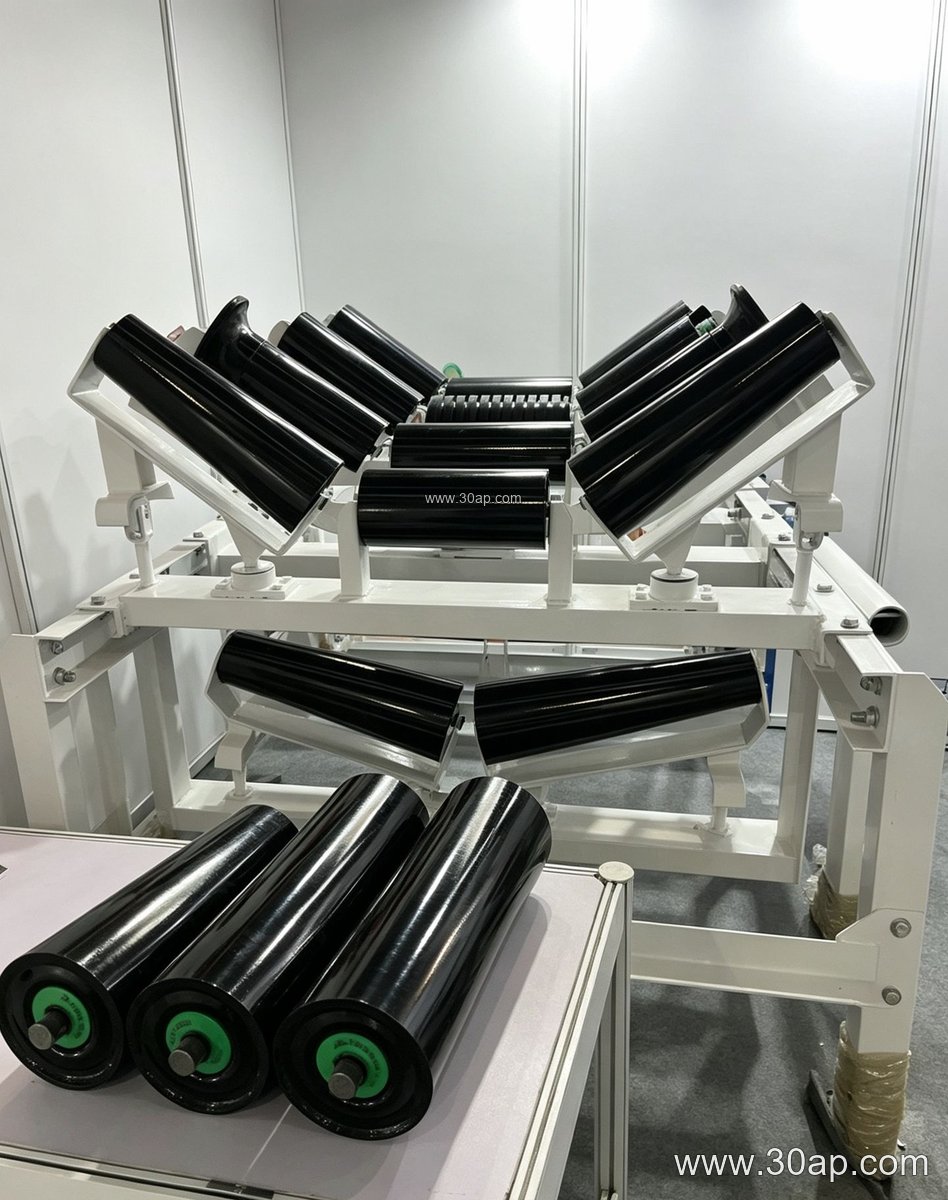
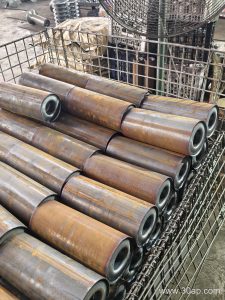
- Steel pipe with a smooth or specially profiled finish
- Nylon shell for low friction and light weight
- Rubber rings or discs that flex and shed material
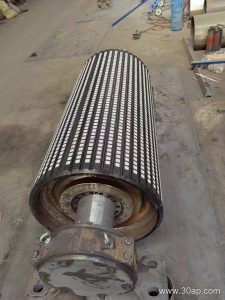
- Ceramic lagging for aggressive release in abrasive conditions
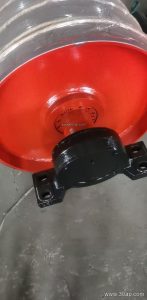
Sealing and bearing selection matter just as much. Typical bearing sizes include 6204, 6205, 6305, 6306, 6308, and 6310, matched to the load and speed of the application. A good seal keeps fine dust and moisture out of the bearing cavity, which is often the first point of failure when build-up pushes the idler out of alignment. The roller diameter is usually chosen from a range such as Ø63, Ø76, Ø89, Ø102, Ø108, Ø127, Ø133, Ø159, Ø178, Ø194, or Ø219 mm, depending on belt width and load. Roller length varies with belt width, trough angle, and idler arrangement; for example, a three-roll troughing set might use roughly 200 mm rolls at B500, 315 mm at B800, and 465 mm at B1200. These are common examples, not fixed rules, and side rolls can differ from the center roll.
Where It Fits on the Conveyor
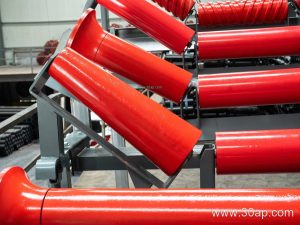
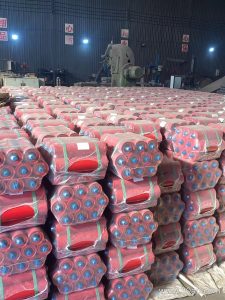
Anti-material-buildup idlers are often placed in the carry side where the belt is loaded, especially after a transfer point or in the return run where fines tend to stick. They can be supplied as single-roll, two-roll, or three-roll troughing sets, with trough angles of 20, 30, 35, or 45 degrees. In some designs a slight forward tilt of about 1.5 to 2 degrees helps the belt track and discourages material from lodging against the roller. They are not a substitute for a transition idler or a training idler, though a self-cleaning surface can complement a training idler in a misalignment-prone section.
Typical Industries and Materials
This idler is useful in a limestone quarry, a coal washing plant, a cement plant, and a power plant coal handling system. It also suits sand and aggregate lines, crushing and screening circuits, and fertilizer or grain handling where damp product can coat a roller. In these settings, a standard steel roller may collect a hard crust that throws the belt off center. The anti-material-buildup design helps the conveyor belt run straighter and reduces the labor needed for manual cleaning. It pairs well with abrasion resistant conveyor belt, flame retardant conveyor belt, and heat resistant conveyor belt where those properties are required by the process.
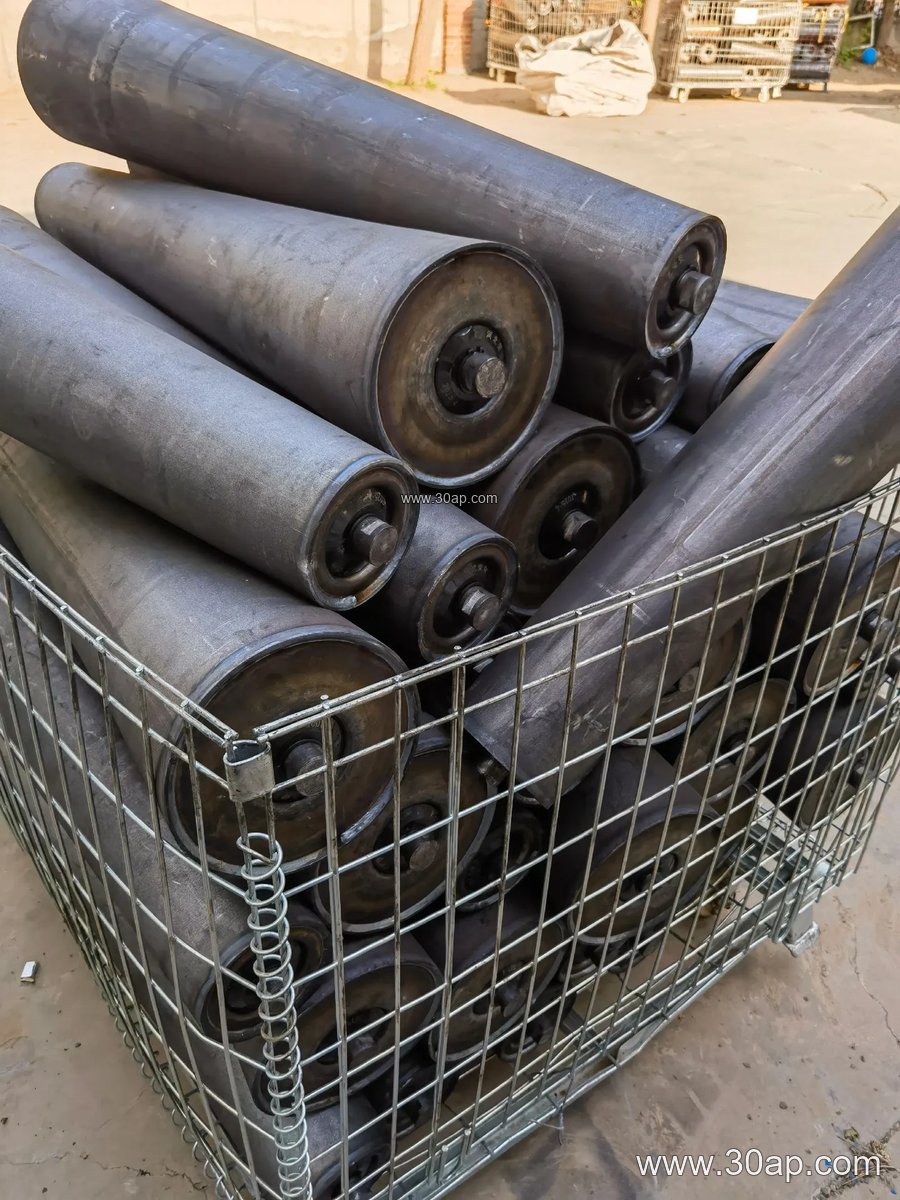
Selection and Maintenance Notes
Buyers should confirm belt width, trough angle, roll diameter, bearing size, and mounting bracket details before ordering. A conveyor bracket that fits one idler frame may not fit another, so shaft ends and fixing centers should be checked. The idler should be matched to the actual belt speed and load, not simply copied from a neighboring line. During service, inspect for material stuck to the shell, worn seals, and noisy bearings. Keeping the belt cleaner and the loading point controlled will extend the life of any idler roller.
For related conveyor components such as rubber conveyor belt, EP conveyor belt, and steel cord conveyor belt, the idler choice should support the belt’s tracking and cleaning needs rather than work against them.