What a Sand Making Plant Conveyor Belt Does
In a sand making plant, the conveyor belt is the continuous link between crushers, screens, and stockpiles. The Sand Making Plant Conveyor Belt carries abrasive crushed rock, manufactured sand, and return loads, often in dusty and damp conditions. It is typically a heavy-duty fabric-core belt, though steel cord and special cover grades appear where tension or heat demands it. This article covers how the belt is built, where it fits, and what buyers should check before ordering.
Construction and Common Specifications
A typical sand plant belt uses a multi-ply fabric core with rubber covers. The carcass may be EP (polyester-cotton) or NN (nylon-nylon), and the cover compound is chosen for abrasion, heat, oil, or flame resistance. Skirted and corrugated sidewall versions help contain material on steep or confined runs. Below are common reference ranges; actual values are set by the conveyor design and the manufacturer.
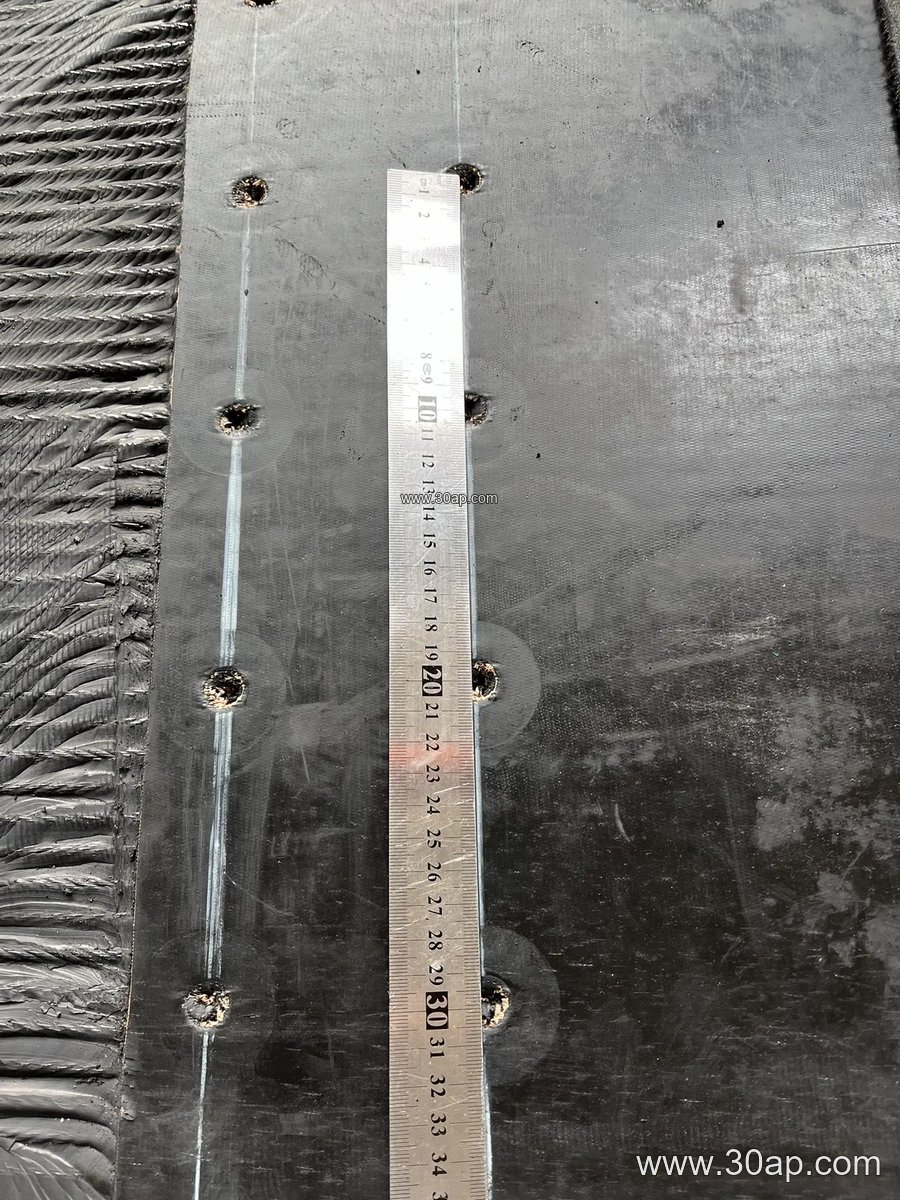
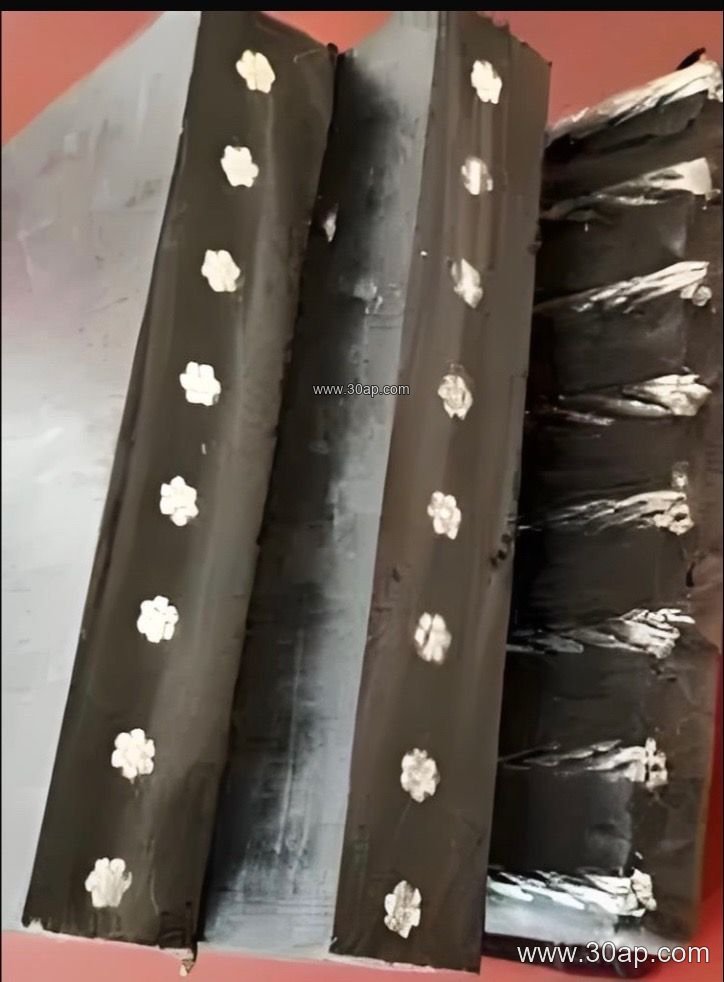
- Belt types: EP conveyor belt, NN conveyor belt, steel cord conveyor belt, chevron conveyor belt, corrugated sidewall conveyor belt.
- Strength grades: EP200, EP315, EP400, EP500, EP630, EP800, EP1000, EP1250, EP1600, EP2000 (reference values).
- Widths: B500, B650, B800, B1000, B1200, B1400, B1600, B1800, B2000.
- Cover thickness: commonly 3+1.5, 4+2, 5+2, 6+2, or 8+3 mm top/bottom.
- Ply count: usually 2 to 6 layers depending on load and tension.
Where It Fits in the Plant
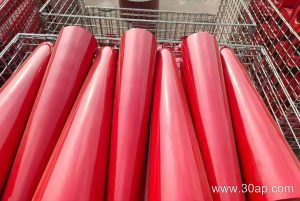
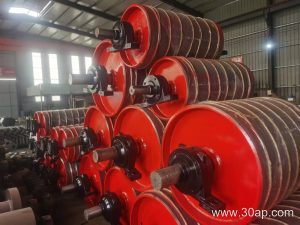
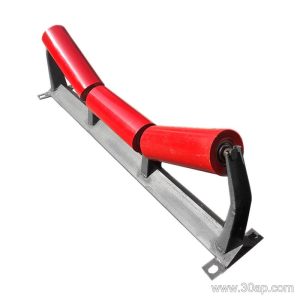
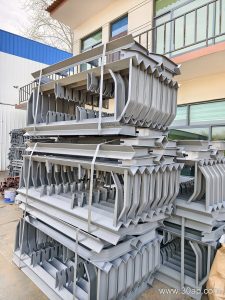
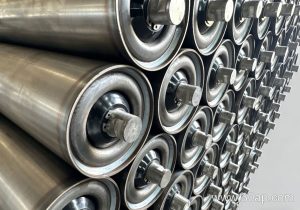
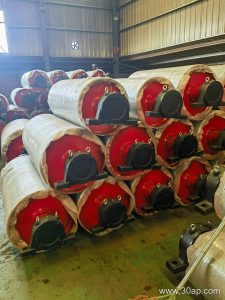
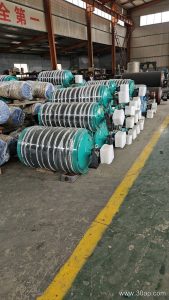
The belt works alongside idler rollers, conveyor pulleys, and conveyor brackets that support and guide it. In a sand making line, belts move material from the primary crusher to the vibrating screen, from the screen to the sand washer, and from the washer to stockpiles. The same belt family appears in quarry conveyor belts, aggregate conveyor belts, and crusher conveyor belts across mining, cement, and construction sites. For hot clinker or asphalt feed, a heat resistant conveyor belt may be needed; for dusty coal or underground use, a flame retardant conveyor belt or anti-static conveyor belt is more appropriate.
Selection Notes for Buyers
Start with the duty: tonnage per hour, lump size, drop height, and whether the material is wet or dry. Abrasive crushed granite often calls for a high abrasion resistant conveyor belt with a thicker top cover. Long, high-tension runs may justify a steel cord conveyor belt; shorter, lighter runs can use an EP or NN fabric core belt. Check pulley diameters and trough angles with the belt supplier, because belt width alone does not fix pulley size. Also confirm that the belt can be spliced on site; an endless conveyor belt is preferred for permanent installations, while open-ended belts are easier to replace in tight spaces.
Maintenance and Wear Points
Most belt damage in sand plants starts at transfer points. Impact idlers, skirt rubber, and loading chutes should be aligned so material lands centrally. Keep conveyor pulleys clean and check lagging for wear; a slipping drive pulley can glaze the belt cover. Inspect the belt edges for fraying, and re-tension or re-splice as recommended. In cold climates, a cold resistant conveyor belt reduces cracking; in oily or chemical environments, an oil resistant or acid resistant belt may last longer. Record cover thickness during inspections so replacement is planned before the carcass is exposed.
Typical Reference Table
| Parameter | Common reference |
|---|---|
| Belt type | EP conveyor belt, NN conveyor belt, steel cord conveyor belt |
| Strength grade | EP200 to EP2000 (varies by design) |
| Width | B500 to B2000 |
| Cover thickness | 3+1.5 mm to 8+3 mm |
| Ply count | 2 to 6 |
Use these figures as a starting point for discussion, not as fixed universal specifications. For more on matching belts with idlers and pulleys, see the main site sections on conveyor belt, idler roller, and conveyor pulley.