What an Idler Bracket Does on a Conveyor
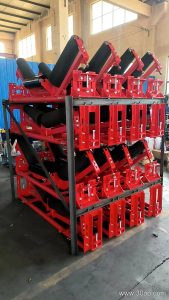
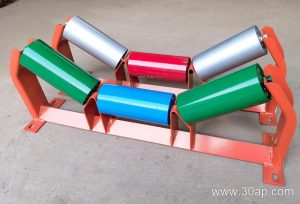
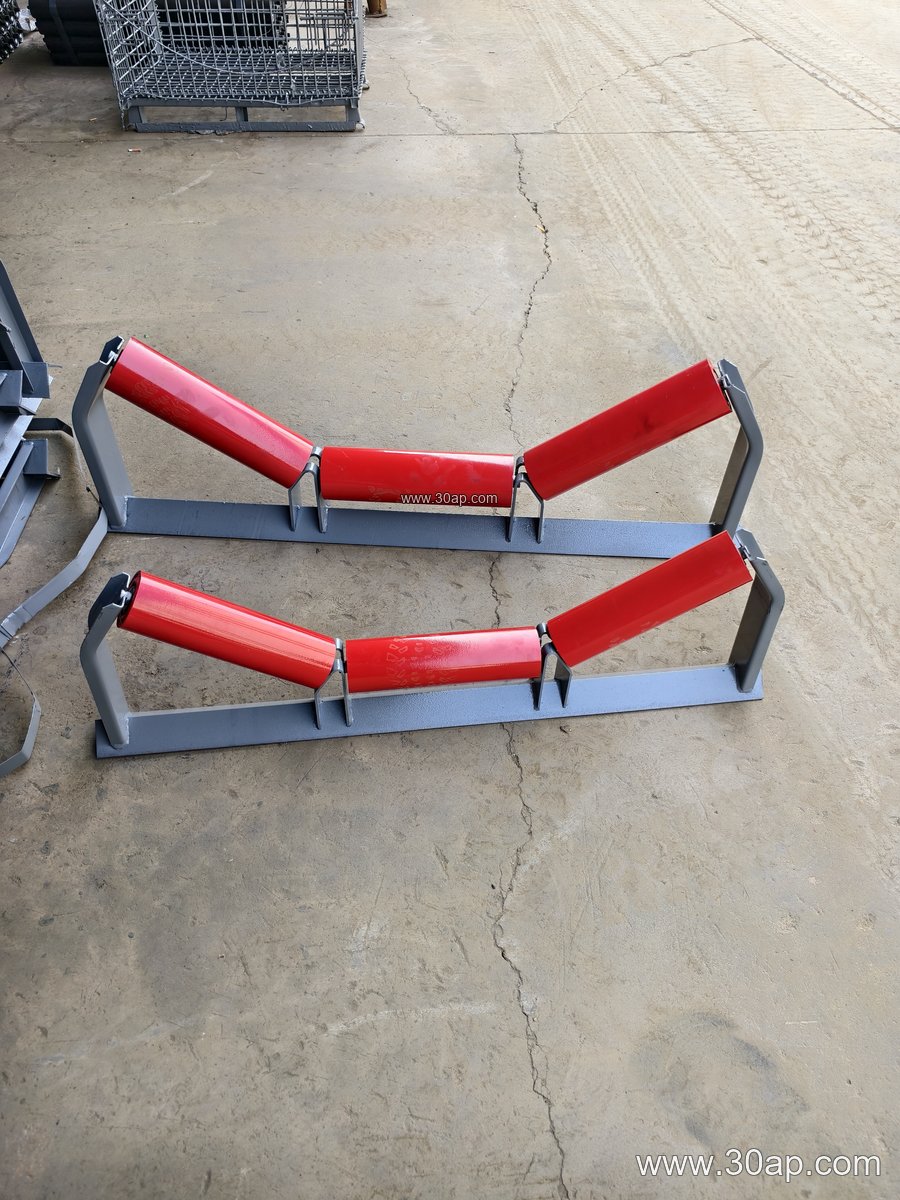
An idler bracket is the structural component that holds conveyor idler rollers in the correct position along the carrying and return sides of a belt conveyor. It connects the roller shafts to the conveyor frame, sets the trough angle of the carrying rollers, and keeps spacing consistent so the belt runs smoothly under load. In a quarry, a coal preparation plant, or a cement clinker line, these brackets are the quiet workhorses that determine how well the belt is supported between the head and tail pulleys.
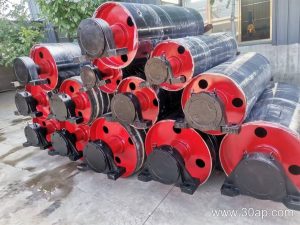
The bracket is not the roller and not the pulley. It is the mounting interface between them and the frame. A conveyor bracket for a 35-degree troughing set looks and behaves differently from a return bracket, and neither should be confused with a bend pulley or a drive pulley, which perform entirely different duties in the conveyor drive and redirection system.
Construction and Materials
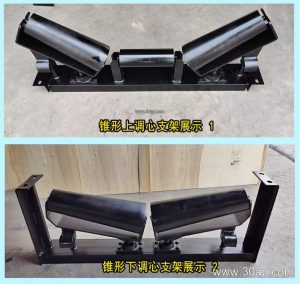
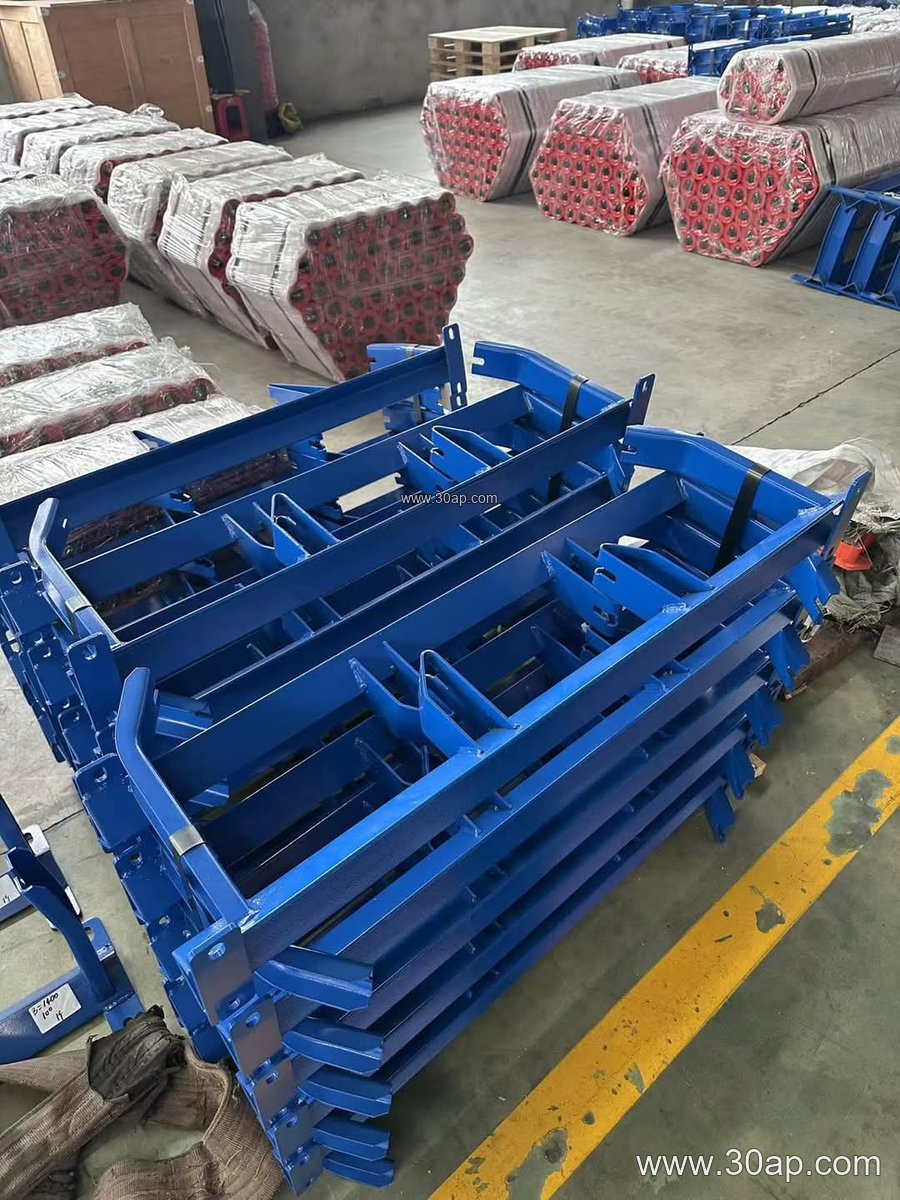
Most brackets are fabricated from angle steel, channel steel, or folded steel plate. The choice depends on load, belt width, and the environment. Folded plate offers a clean profile and good stiffness for medium-duty runs, while channel sections are common where heavier idler rollers and higher belt tensions are expected. Welded brackets usually receive a paint or galvanized finish, and in underground coal mining conveyors the finish and material selection may also consider flame retardant and anti-static requirements of the surrounding system.
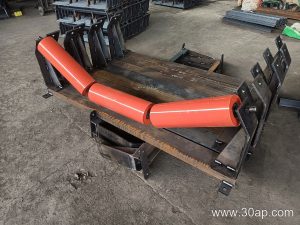
Key features typically include slotted or drilled mounting holes, a crossbeam that spans the conveyor frame, and angled seats that locate the roller shafts. Adjustable designs allow the trough angle to be changed on site, which is useful when a line handles different materials or when belt tracking needs fine tuning.
Common Bracket Types
Bracket type follows the job the rollers must do. The most frequently specified forms include:
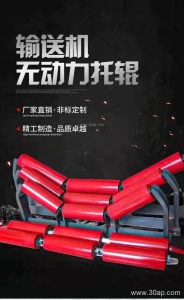
- Troughing bracket (upper carrying side), often 20, 30, 35, or 45 degrees
- Transition bracket near pulleys, where the belt changes from flat to troughed
- Return bracket and V-return bracket for the empty side of the belt
- Impact bracket under loading points, paired with impact rollers
- Self-aligning bracket for belt tracking control
- Forward-leaning bracket, commonly around 1.5 to 2 degrees, to assist centering
- Suspended and adjustable brackets for special frame layouts
A V-return bracket is a return-side subtype, not a substitute for a carrying bracket. Likewise, a transition bracket is used only where the belt profile changes, and it should not be swapped for a standard troughing set elsewhere on the line.
Matching Belt Width, Trough Angle, and Roller Diameter
Brackets are usually ordered against belt width, trough angle, and roller diameter. These three values are related but not locked together; a given belt width can be paired with more than one trough angle and more than one roller diameter depending on the material, capacity, and conveyor design. The table below shows representative combinations for reference only.
| Belt Width | Trough Angle | Roller Diameter | Typical Bracket Form |
|---|---|---|---|
| B500 | 20-30 degrees | Ø89 | Troughing, return |
| B650 | 30 degrees | Ø89-Ø108 | Troughing, transition |
| B800 | 35 degrees | Ø108 | Troughing, impact |
| B1000 | 35-45 degrees | Ø108-Ø133 | Troughing, self-aligning |
| B1200 | 35-45 degrees | Ø133 | Troughing, V-return |
| B1400 | 35-45 degrees | Ø133-Ø159 | Troughing, transition |
| B1600 | 35-45 degrees | Ø159 | Troughing, impact |
| B1800 | 35-45 degrees | Ø159-Ø194 | Troughing, return |
| B2000 | 35-45 degrees | Ø194 | Troughing, V-return |
Mounting hole spacing and crossbeam length vary with belt width and trough angle, so they should be confirmed against the conveyor frame drawing rather than assumed from the belt width alone.
Where These Brackets Are Used
In a limestone quarry or a sand and gravel line, troughing and impact brackets support the belt at the crusher discharge and along the main haulage run. In a power plant coal yard, flame retardant and fire resistant belt systems rely on well-aligned brackets to keep the belt centered and reduce edge wear. Similar arrangements appear in iron ore handling, fertilizer plants, and grain silos, where dust, moisture, and abrasive bulk materials place different demands on the bracket finish and roller selection.
Because the bracket ties the idler roller to the frame, its accuracy affects belt life directly. A bracket that is out of line or worn at the mounting seat will cause the belt to track poorly, which in turn loads the edges and shortens the service life of an EP conveyor belt or a heavy-duty mining conveyor belt.
Buyer Checklist
- Confirm belt width, trough angle, and roller diameter, plus the frame hole pattern
- State whether the position is carrying, return, transition, or impact duty
- Choose adjustable brackets where angle changes or tracking correction may be needed
- Match material and finish to the site: dusty, wet, corrosive, or underground conditions
- Check that brackets and idler rollers are ordered as a compatible set
For bulk material handling projects, buyers often review the bracket specification together with the conveyor belt, idler roller, and conveyor pulley selections so that the whole support line works as one system. A clear drawing review at the ordering stage prevents most field fit problems later.