What the PVG800S Conveyor Belt Is
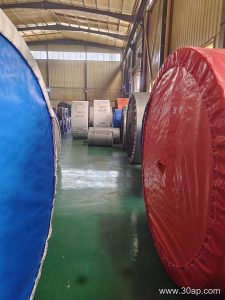
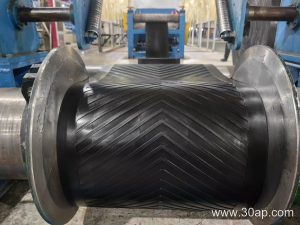
The PVG800S conveyor belt is a solid-woven fabric core belt with PVC or PVG covers, designed for tough industrial conveying. The “S” in its name typically signals a specific construction or cover compound within the PVG family, often associated with flame resistance and antistatic properties. It is a close relative of standard PVG belting, but the PVG800S grade is often chosen where a balance of tensile strength, fire safety, and abrasion resistance is needed. In mines, coal preparation plants, cement works, power stations, and sand and gravel yards, this belt moves crushed rock, coal, clinker, and other bulk materials along the conveyor line.
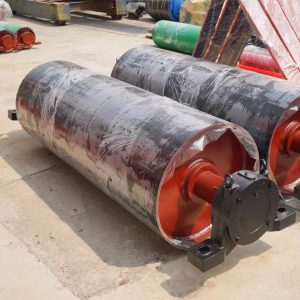
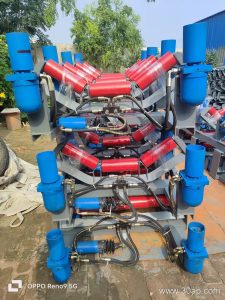
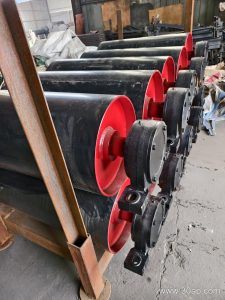
Unlike steel cord belts, the PVG800S relies on a multi-layer fabric skeleton, usually two to six plies, bonded with a plastic or rubber cover. That construction makes it flexible enough for smaller pulleys and more forgiving of misalignment, while still offering solid load support. The belt is not a drive pulley, tail pulley, or bend pulley; those are separate components. The PVG800S is the carrying surface, and it works together with idler rollers, conveyor pulleys, and conveyor brackets to form a complete system.
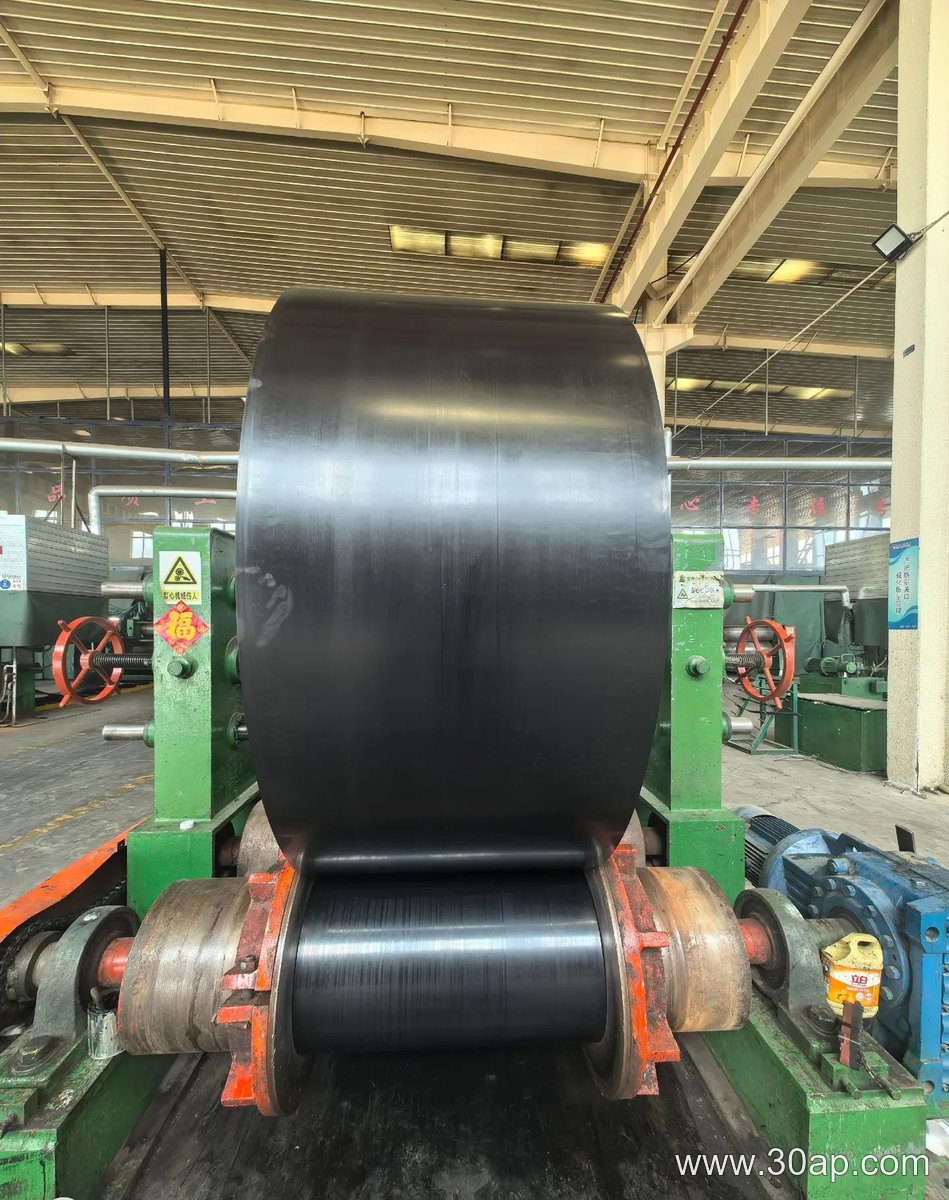
Construction and Common Specifications
A typical PVG800S belt combines a strong woven core with covers that resist wear, moisture, and flame. The cover thickness is often quoted as a pair of numbers, such as 3+1.5 mm or 4+2 mm, where the first figure is the top cover and the second is the bottom cover. The fabric plies provide the tensile strength, and the cover compounds can be adjusted for different duties. For example, a wear-resistant grade may suit sand and gravel, while a flame-retardant and antistatic version is common in coal mines. Other PVG variants may be selected for oil resistance, heat, or cold, but the PVG800S remains the reference point here.
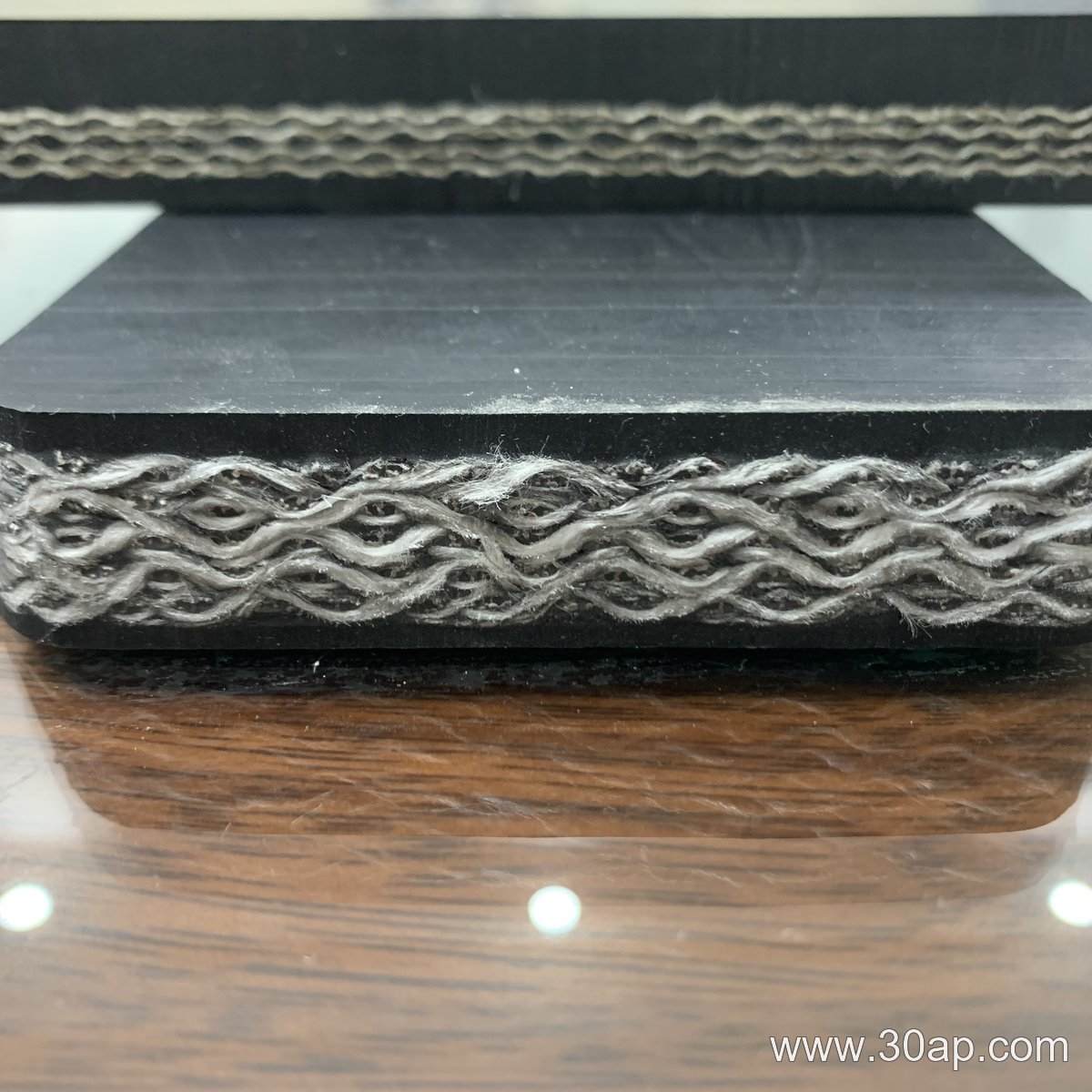
Widths are usually chosen to match the conveyor structure and the material size. Common belt widths include B500, B650, B800, B1000, B1200, and wider. The table below lists typical reference values for a PVG800S belt; actual supply depends on the manufacturer and the application. Do not assume that one belt width must pair with one specific pulley diameter, or that a fixed shaft size follows from the belt width alone.
| Parameter | Common Reference Range |
|---|---|
| Belt type | PVG800S solid-woven conveyor belt |
| Fabric plies | 2 to 6 layers |
| Cover thickness | 3+1.5 mm, 4+2 mm, 5+2 mm, 6+2 mm |
| Belt width | B500, B650, B800, B1000, B1200, B1400, B1600 |
| Tensile strength | Typically EP200 to EP1000 for comparable fabric grades; PVG800S falls within this range |
These figures are for guidance only. The final specification should be confirmed with the belt supplier and the conveyor designer, because operating tension, pulley diameters, and load conditions all affect the choice.
Where the PVG800S Belt Fits
This belt is at home in industries where dust, moisture, and fire risk are real concerns. In underground coal mining, flame-retardant and antistatic belting is often required, and the PVG800S can be part of that solution. In cement plants, it carries limestone, gypsum, and clinker. Power stations use it for coal and ash handling. Sand and gravel operations rely on it for washed stone and aggregate. The belt also appears in port loading, fertilizer plants, and some recycling lines.
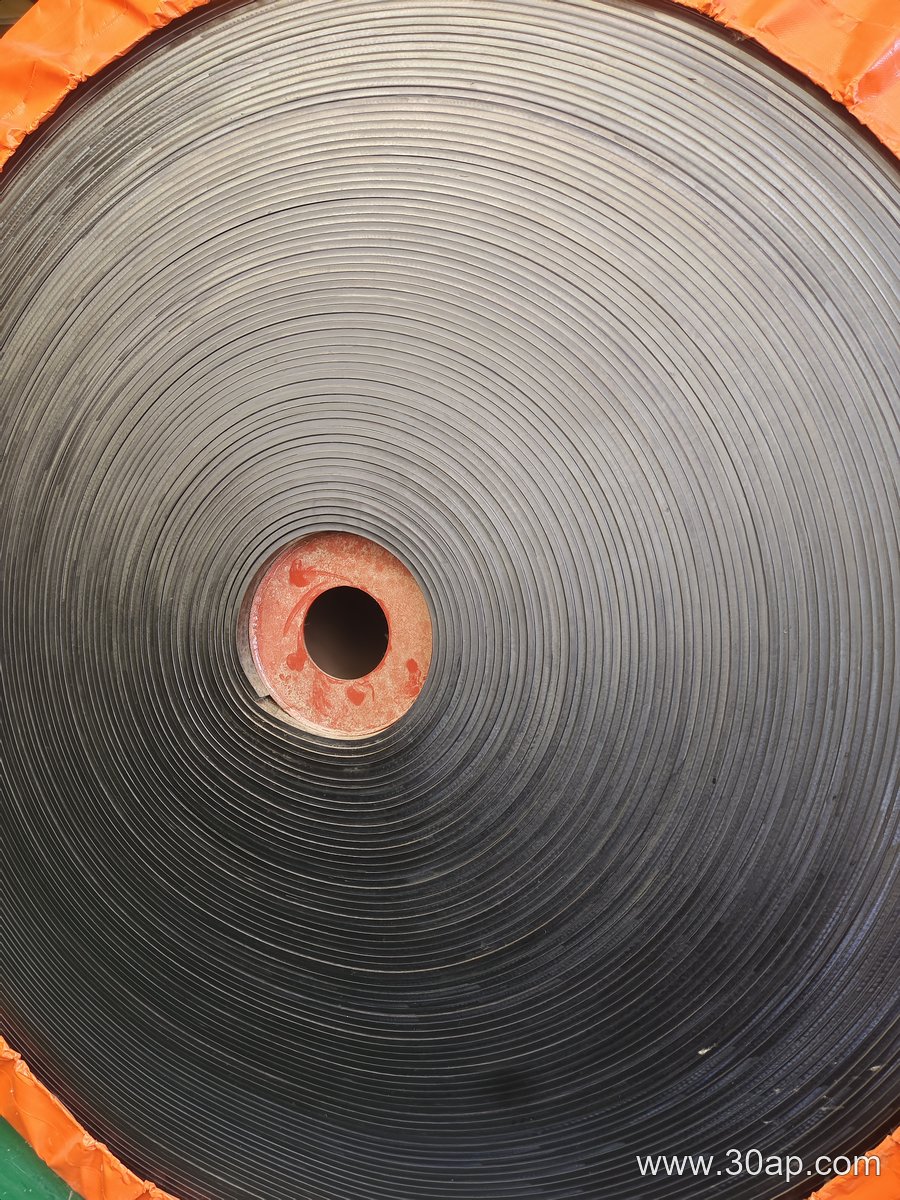
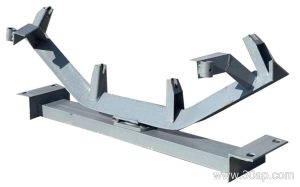
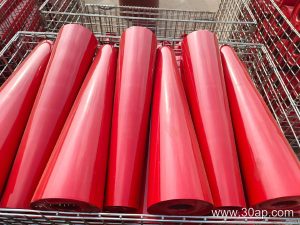
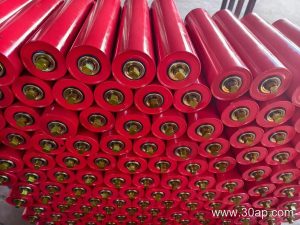
Because the belt is flexible, it can run over relatively small pulleys and troughing idler rollers. The idler rollers support the belt and the load, while the conveyor pulleys drive and redirect it. A bend pulley changes direction, a tail pulley returns the belt, and a drive pulley transmits power. These parts are not interchangeable, and the PVG800S belt must be matched to them by the system designer. Conveyor brackets hold the idlers and pulleys in place, so their alignment also affects belt life.
Buyer Checklist for PVG800S Belting
- Confirm the required fire safety and antistatic properties for the site, especially in coal or dusty environments.
- Check the cover thickness and compound for abrasion, oil, or heat exposure.
- Match the belt width to the conveyor frame and the material lump size.
- Review the number of plies and the tensile grade with the conveyor engineer; do not rely on belt width alone.
- Ask for the pulley diameters and shaft details from the conveyor supplier, because they are separate from the belt selection.
- Plan for proper storage, splicing, and tensioning to avoid edge damage and premature wear.
A PVG800S conveyor belt is a practical choice for many bulk handling lines, but it is not a universal answer. The right specification comes from the duty, the environment, and the conveyor layout. By treating the belt, idler rollers, pulleys, and brackets as one system, buyers can avoid mismatches and keep the line running longer.