What the ST1600 Conveyor Belt Is
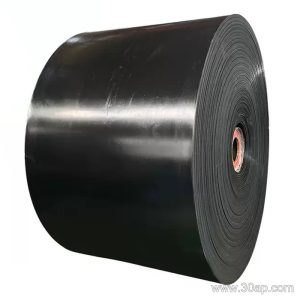
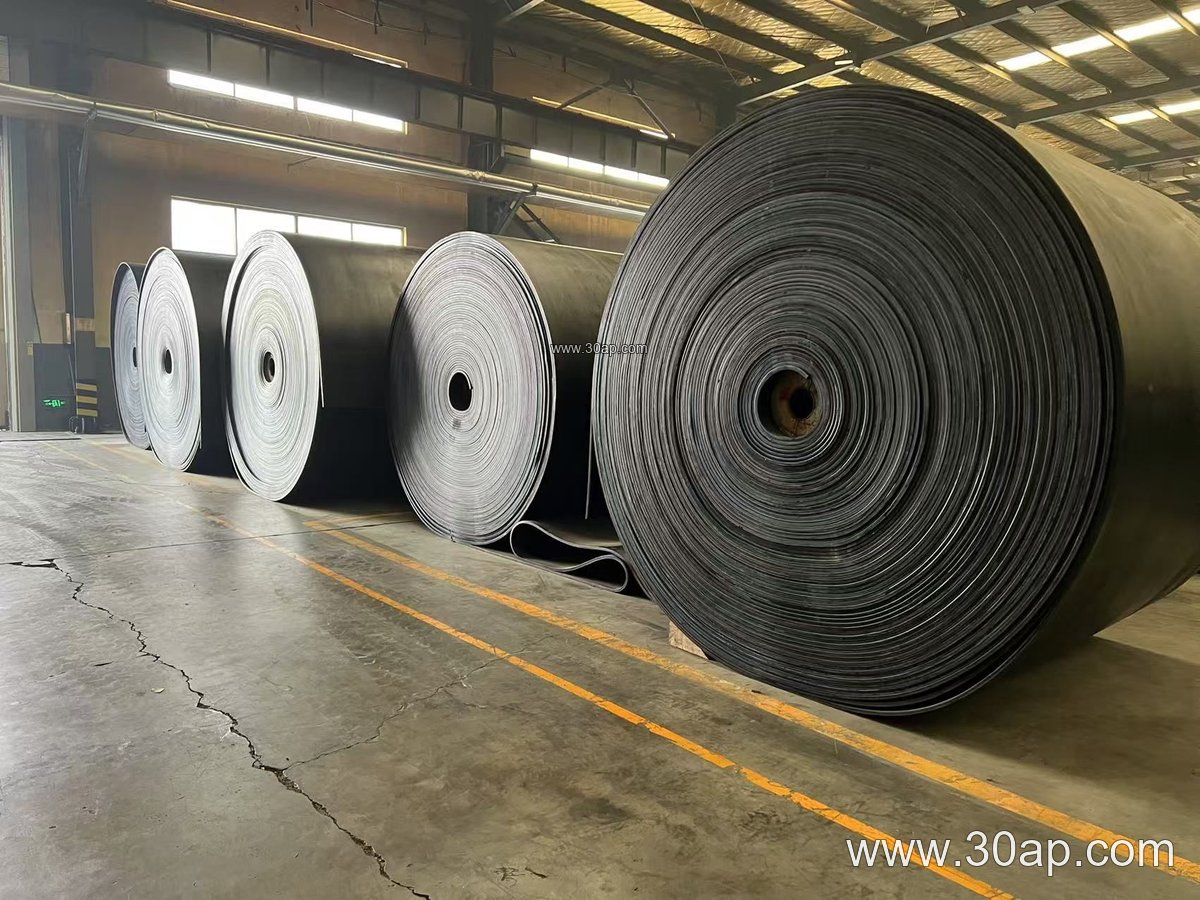
The ST1600 conveyor belt is a steel cord conveyor belt with a nominal tensile strength of 1600 N/mm. In the naming system used across the conveyor industry, ST stands for steel cord, and the number indicates the breaking strength class of the belt. This makes the ST1600 a heavy-duty product for long conveying distances and high tonnage, typically found in mines, coal preparation plants, cement works, power stations and large aggregate quarries.
Because the load is carried by steel cords rather than fabric plies, the belt stretches very little under tension. That low elongation is the main reason engineers specify a steel cord belt such as the ST1600 conveyor belt on main haulage lines where take-up travel is limited and stable belt length matters.
How the Belt Is Built
The carcass consists of parallel steel cords embedded in a rubber core compound. A layer of transverse reinforcement is usually placed above and below the cords to hold them in position and to protect the cord line from impact and tearing. Cover rubber is applied to both faces, with the top cover generally thicker than the bottom cover because the carrying side takes the abrasion from the material and from the discharge point.
Typical construction details include:
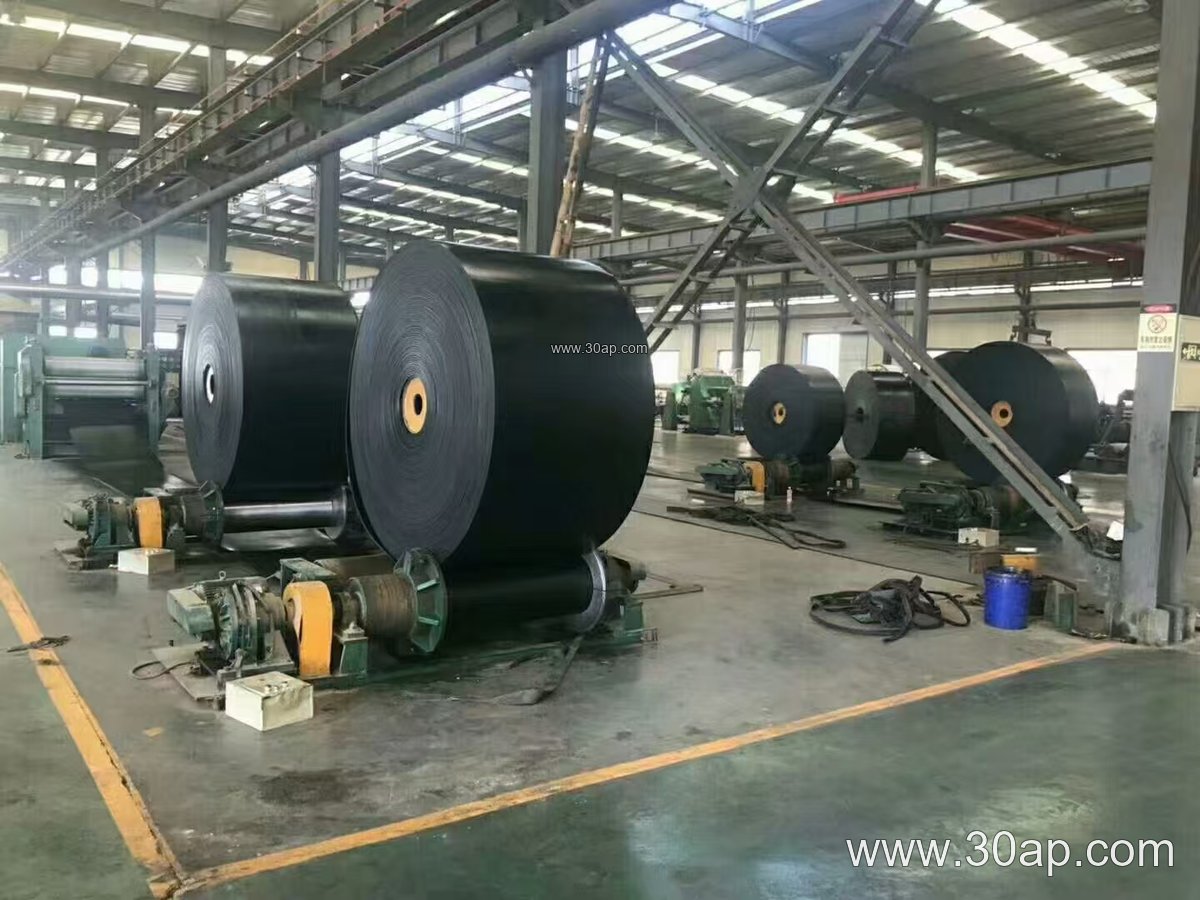
- Steel cord pitch and cord diameter selected by the manufacturer for the 1600 N/mm class
- Top cover and bottom cover thickness agreed with the buyer, for example 6+2 mm or 8+3 mm for abrasive duty
- Rubber compounds chosen for wear resistance, heat, oil, flame resistance or antistatic behaviour as the site requires
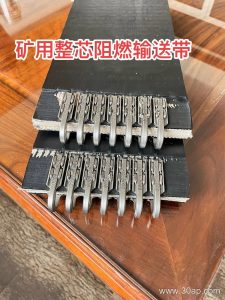
- Belt ends prepared for vulcanised splicing, since a mechanical joint is not normally used on a steel cord belt of this strength
Where the ST1600 Conveyor Belt Fits
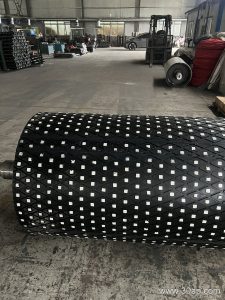
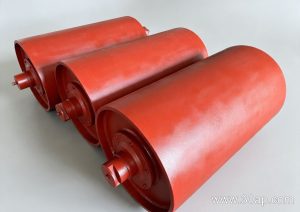
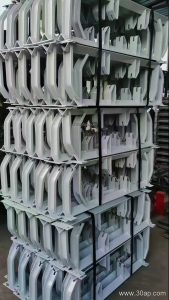
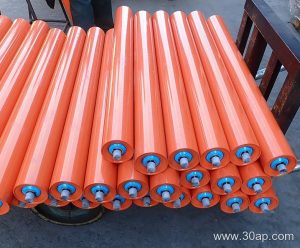
This belt class suits mainline conveyors that move large volumes over long routes. A typical arrangement includes a drive pulley at the head, a tail pulley at the loading end and bend pulleys along the return run, with idler rollers supporting both the carrying and return strands. The conveyor bracket and frame carry these components, and the whole system is designed around the belt’s strength, width and weight.
In a coal mine, an ST1600 belt may run on a drift conveyor that lifts coal several hundred metres. In a cement plant it may link the quarry crushing station to the raw mill. In a power plant it may feed stockyard coal to the boiler bunkers. In each case the belt works alongside conveyor pulleys, idler rollers and steel structures that must be rated for the same duty.
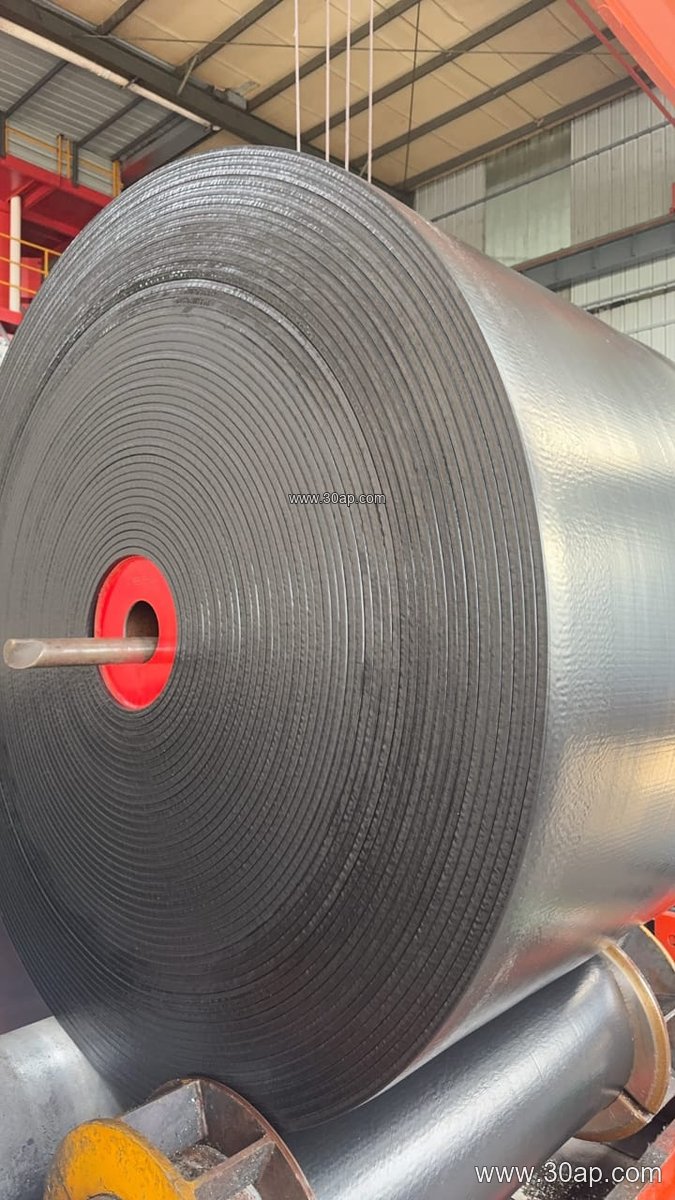
Reference Data for Discussion
The values below are common reference points only. Final specifications are set by the belt manufacturer and the conveyor design, and they vary between suppliers.
| Parameter | Common reference values |
|---|---|
| Belt type | Steel cord, ST1600 |
| Nominal strength | 1600 N/mm |
| Belt width | B800, B1000, B1200, B1400, B1600, B1800, B2000 |
| Cover thickness | 4+2 mm, 5+2 mm, 6+2 mm, 8+3 mm |
| Cover grades | Wear resistant, heat resistant, oil resistant, flame retardant, antistatic, cold resistant |
| Joint | Vulcanised splice, usually stepped |
Note that belt width is not tied to one pulley diameter. Pulley sizes are calculated from the cord diameter, the belt tension and the required wrap angle, so a B1200 belt may run on different pulley diameters in different installations.
What a Buyer Should Check
- Confirm the required strength class against the actual running tension, including starting and stopping loads, rather than choosing by habit.
- State the material being carried and its condition, since abrasive rock, hot clinker and oily scrap need different cover compounds.
- Agree cover thickness with the wear pattern expected at the loading point and the discharge.
- Provide the pulley diameters and the take-up arrangement so the manufacturer can confirm splice and cord fatigue suitability.
- Ask about the splice method and who will perform it; a poor splice shortens belt life more than any other factor.
- Check that conveyor pulleys, idler rollers and brackets are rated for the belt tension and weight.
Handling and Maintenance Notes
Steel cord belts are heavy and stiff. They need careful storage on a level surface, proper lifting gear and a controlled pull during installation. After commissioning, check the splice regularly, monitor pulley lagging and idler rotation, and keep the belt tracking straight to avoid edge damage. A small amount of routine attention to the conveyor pulley and idler roller condition protects a considerable investment in the belt itself.