What an Adjustable Conveyor Bracket Does
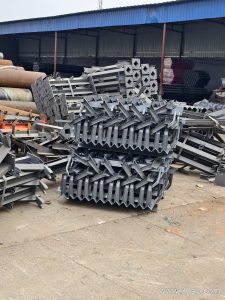
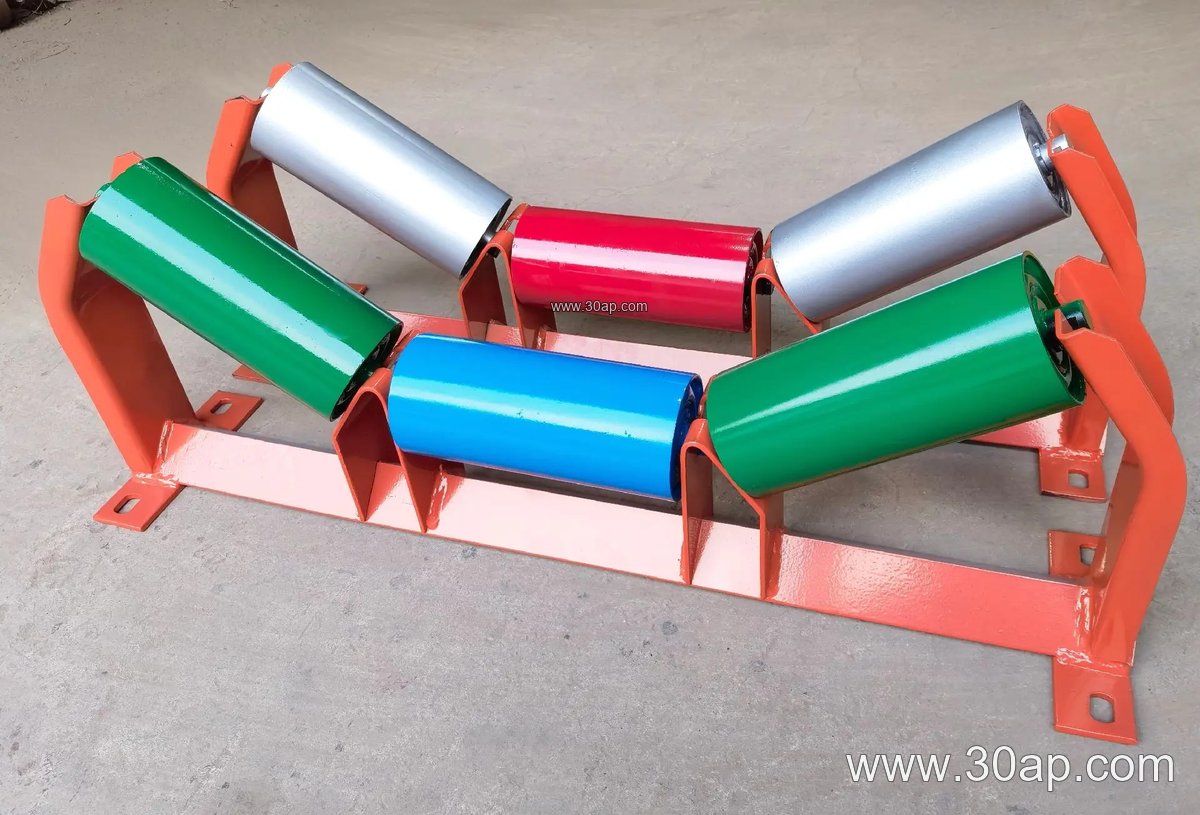
An adjustable conveyor bracket is a support component that holds idler rollers at a set position while allowing the trough angle to be changed on site. Instead of welding a fixed frame for one profile, maintenance teams can loosen the bracket, swing the side roller arms, and lock the assembly at a different angle. This makes the bracket useful wherever a conveyor line handles more than one material, or where belt training needs correction after installation. The same bracket family is often called an adjustable idler bracket or a adjustable roller support frame, and it is distinct from fixed troughing brackets, return brackets, and transition brackets that serve other positions along the conveyor.
Construction and Adjustment Features
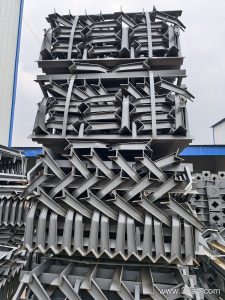
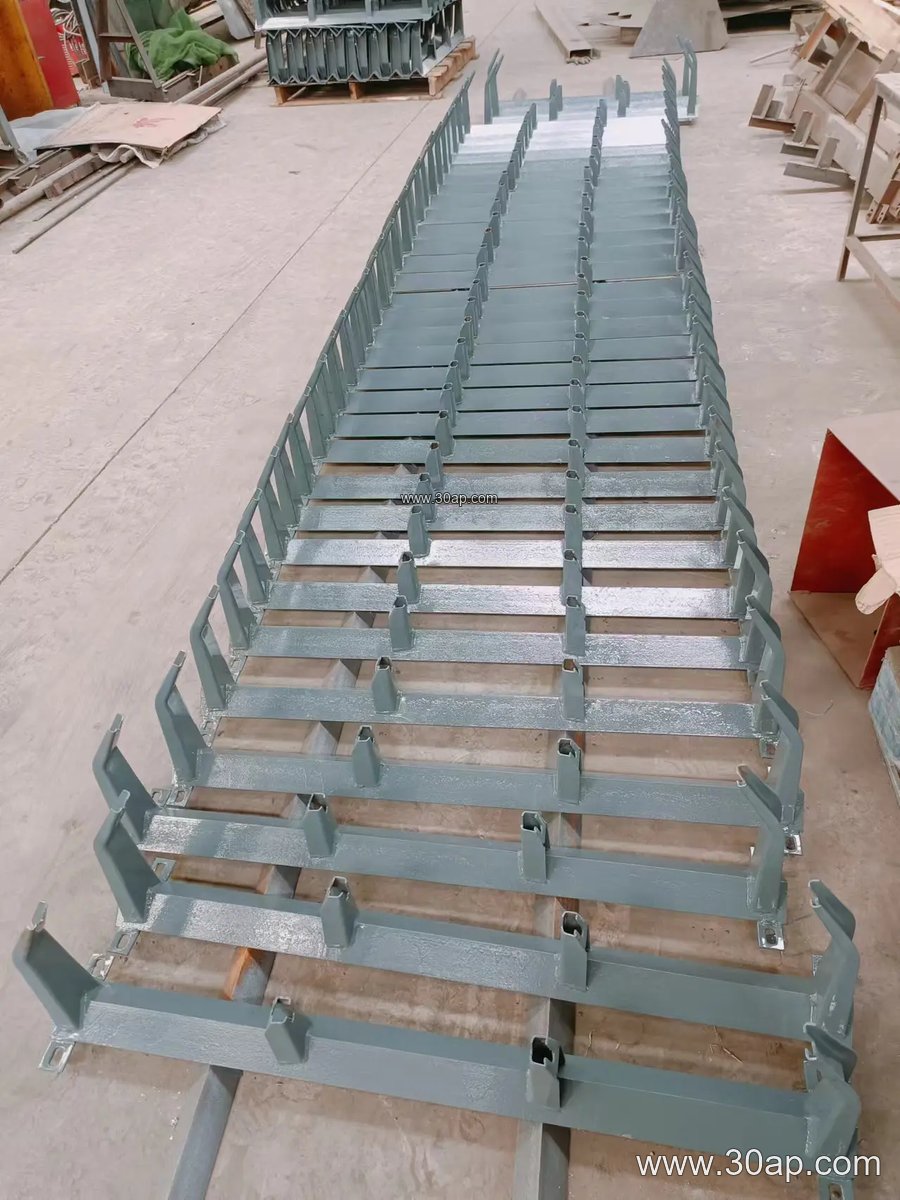
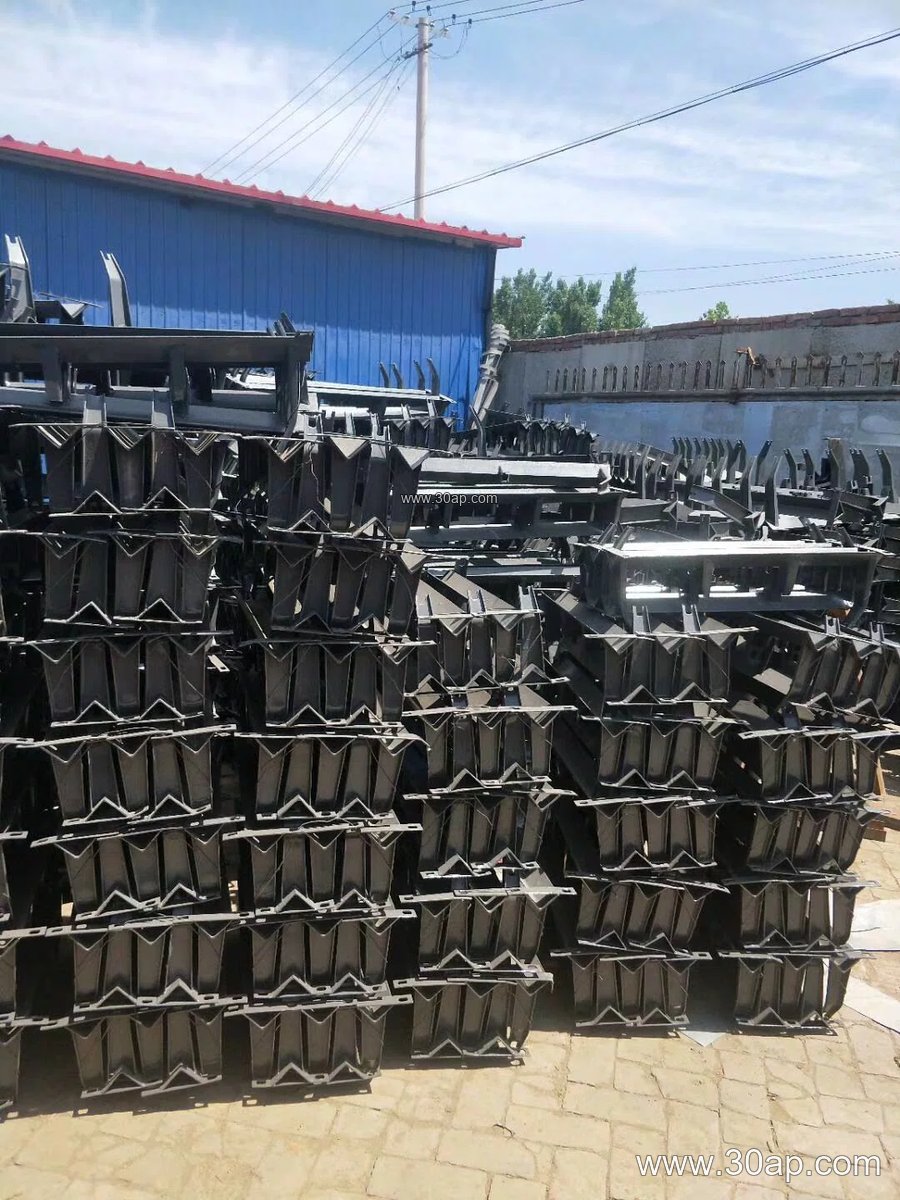
Most adjustable brackets are fabricated from angle steel, channel steel, or folded steel plate. The frame carries a center roller and two side rollers, with slotted holes or pivoting arms that set the trough angle. Common adjustable ranges cover 20, 30, 35, and 45 degrees, and a small forward tilt of about 1.5 to 2 degrees is sometimes built in to help belt training. The bracket does not set belt width by itself; the mounting hole spacing and crossbeam length change with belt width and trough angle, so the same bracket model should not be treated as universal across all conveyors.
Common reference combinations
| Belt width | Trough angle | Idler diameter |
|---|---|---|
| B650 | 30 degrees | Ø89 |
| B800 | 35 degrees | Ø108 |
| B1000 | 35 degrees | Ø108 |
| B1200 | 45 degrees | Ø133 |
| B1400 | 35 degrees | Ø159 |
| B1600 | 45 degrees | Ø159 |
| B1800 | 35 degrees | Ø194 |
These are common reference values, not fixed pairings. A B800 conveyor may run at 30 or 45 degrees depending on the material and belt, and a Ø133 roller can appear on more than one belt width. Buyers should confirm hole spacing, crossbeam length, and roller diameter against the actual conveyor drawing.
Where Adjustable Brackets Fit on the Line
Adjustable brackets are usually installed on the carrying side where the belt forms a trough. In a limestone quarry, for example, a conveyor may switch between 35 and 45 degrees as the load changes, and an adjustable bracket lets the maintenance crew make that change without cutting the frame. In a coal washing plant or a power plant coal yard, the same bracket can be used to correct belt misalignment by adjusting the side roller position. They are not a substitute for a bend pulley, a drive pulley, or a tail pulley; those components handle power transmission and belt direction, while the bracket only supports the belt and idler rollers.
Working With the Belt and Idler Rollers
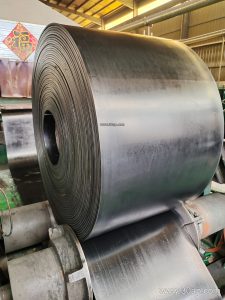
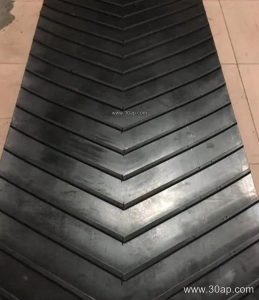
The bracket and the conveyor belt must be matched to the load. A heavy-duty mining conveyor belt or an abrasion resistant conveyor belt used in a crusher circuit will need a stiffer bracket and larger idler rollers than a light aggregate line. When the belt carries hot material, a heat resistant conveyor belt may be paired with a bracket that allows extra clearance. For coal mining conveyor belts, flame retardant conveyor belt grades are common, and the bracket should be positioned so that the belt does not rub on the frame during start-up. The bracket also affects how the conveyor pulley and conveyor bracket interact at the discharge end, so alignment should be checked across the whole line.
Buyer Checklist
- Confirm belt width, such as B800 or B1200, and the required trough angle range.
- Check idler diameter, for example Ø108 or Ø133, and the roller mounting method.
- Ask for hole spacing and crossbeam length based on the conveyor drawing, not on a generic table.
- Match the bracket material to the environment: dusty quarry, wet coal plant, or hot cement line.
- Decide whether a fixed bracket would be simpler where the trough angle never changes.
- Review belt training needs and whether a small forward tilt is required.
An adjustable conveyor bracket is a practical choice when a conveyor must stay flexible, but it should be selected with the belt, idler rollers, and pulley layout in view. For more conveyor component references, visit conveyor bracket and conveyor pulley resources at our site.