What a Drive Rubber Lagged Pulley Does
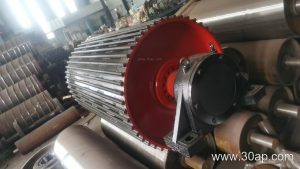
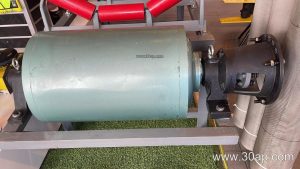
A drive rubber lagged pulley is the powered drum at the head of a conveyor that grips the belt and pulls the entire load. The rubber lagging is the layer bonded to the drum shell, and it is the part that turns motor torque into usable belt traction. Without enough friction between shell and belt, a fully loaded conveyor slips, the belt overheats, and production stops. In a quarry, a cement plant, or a coal handling system, that single drum often decides whether the line runs at its rated capacity.
This drum is not a tail pulley or a bend pulley. A tail pulley supports the belt at the loading end, and a bend pulley changes belt direction with little or no drive duty. Each has its own job, and they are not interchangeable. The drive rubber lagged pulley is specified for torque transmission first, and everything else follows.
How the Drum Is Built
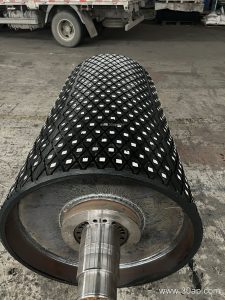
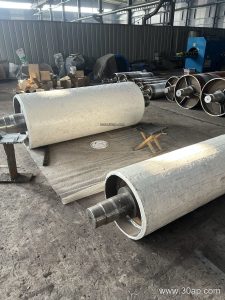
The core is a welded steel shell with end discs and a shaft, machined so the lagging sits true. Rubber is applied in one of several ways. Hot vulcanized rubber is cured onto the shell under heat and pressure and gives a strong, uniform bond. Cold bonded rubber is glued in place and is common for field repair. Cast rubber is molded directly onto the drum. Surface patterns include plain, diamond, and herringbone; diamond and herringbone patterns help shed water and fines, which matters on wet or dusty lines.
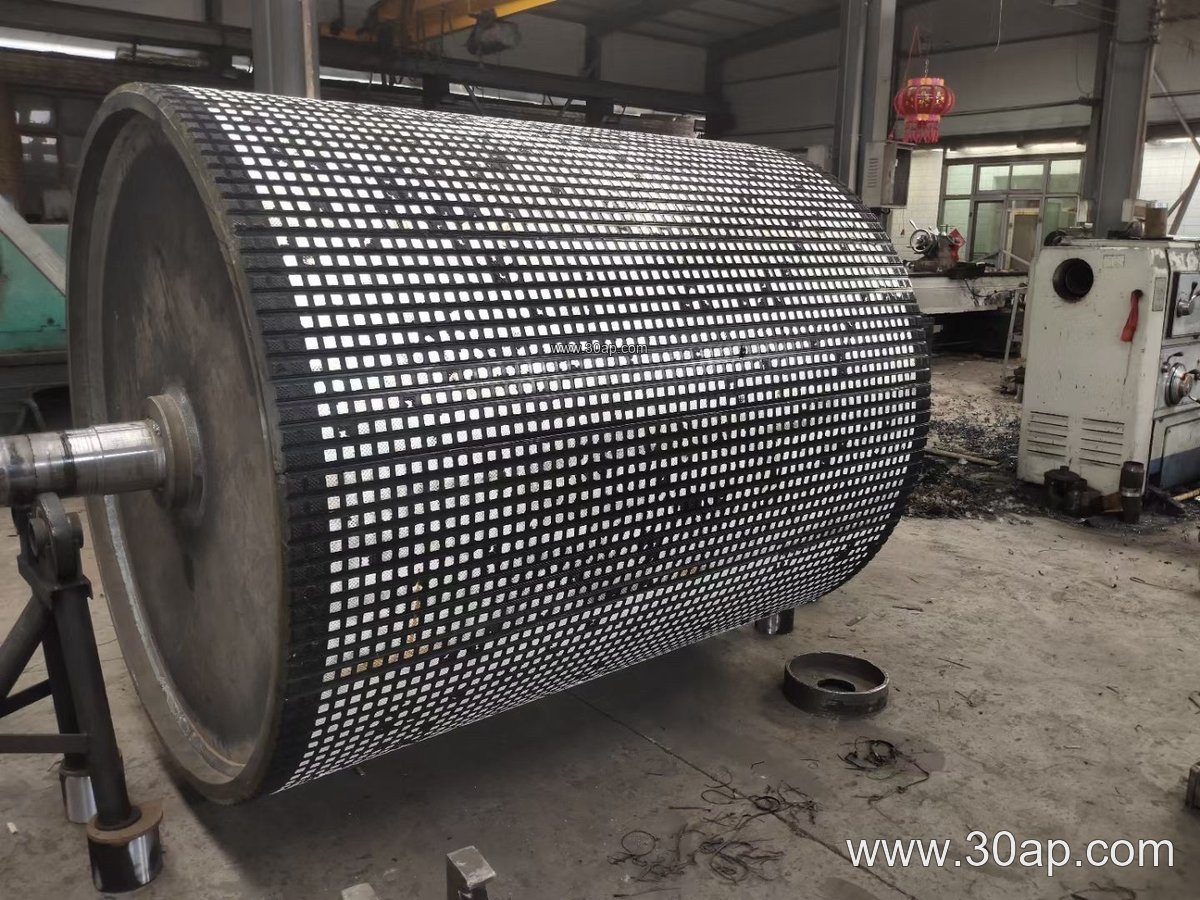
Common lagging thicknesses are 8, 10, 12, 15, and 20 mm. Thicker rubber suits high-torque drives and abrasive service, while thinner covers may be enough on clean, light-duty lines. The right choice depends on belt tension, wrap angle, and the material being carried.
Where It Fits in the Plant
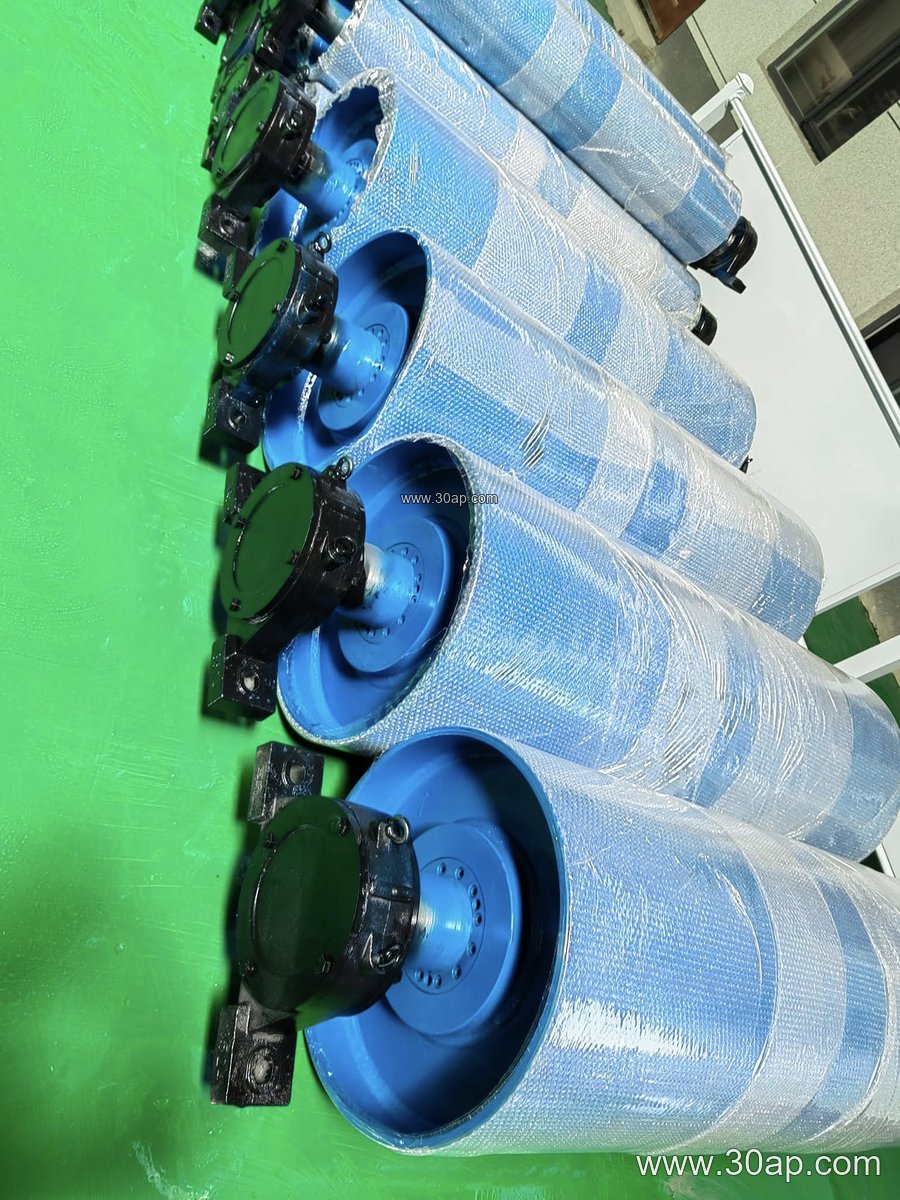
These drums appear wherever a conveyor must be driven under load. In an iron ore or copper ore operation, a heavy-duty mining conveyor belt runs over a large drive drum that must hold traction against constant abrasive load. In a power plant coal yard, a flame retardant conveyor belt may be paired with a lagged drive drum near the transfer tower. Aggregate lines feeding a crusher typically use an abrasion resistant conveyor belt and a drive drum sized for shock loads from lumpy rock.
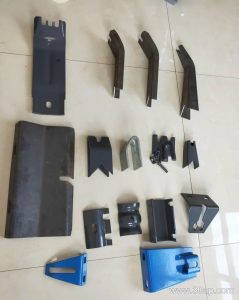
Other conveying equipment works alongside it: idler rollers support the belt on the carry side, a conveyor bracket holds the drum bearing housings, and a conveyor pulley at the tail returns the belt. A skirted conveyor belt or corrugated sidewall conveyor belt may need a wider drum face to clear the cleats.
Sizing the Drive Drum
Belt width and drum diameter are related but not locked together. A wider belt needs a wider drum face, usually somewhat wider than the belt itself. Diameter is chosen from belt tension, wrap angle, and the allowable pressure on the rubber, not from belt width alone. Shaft diameter follows torque and bearing load; it should never be guessed from belt width.
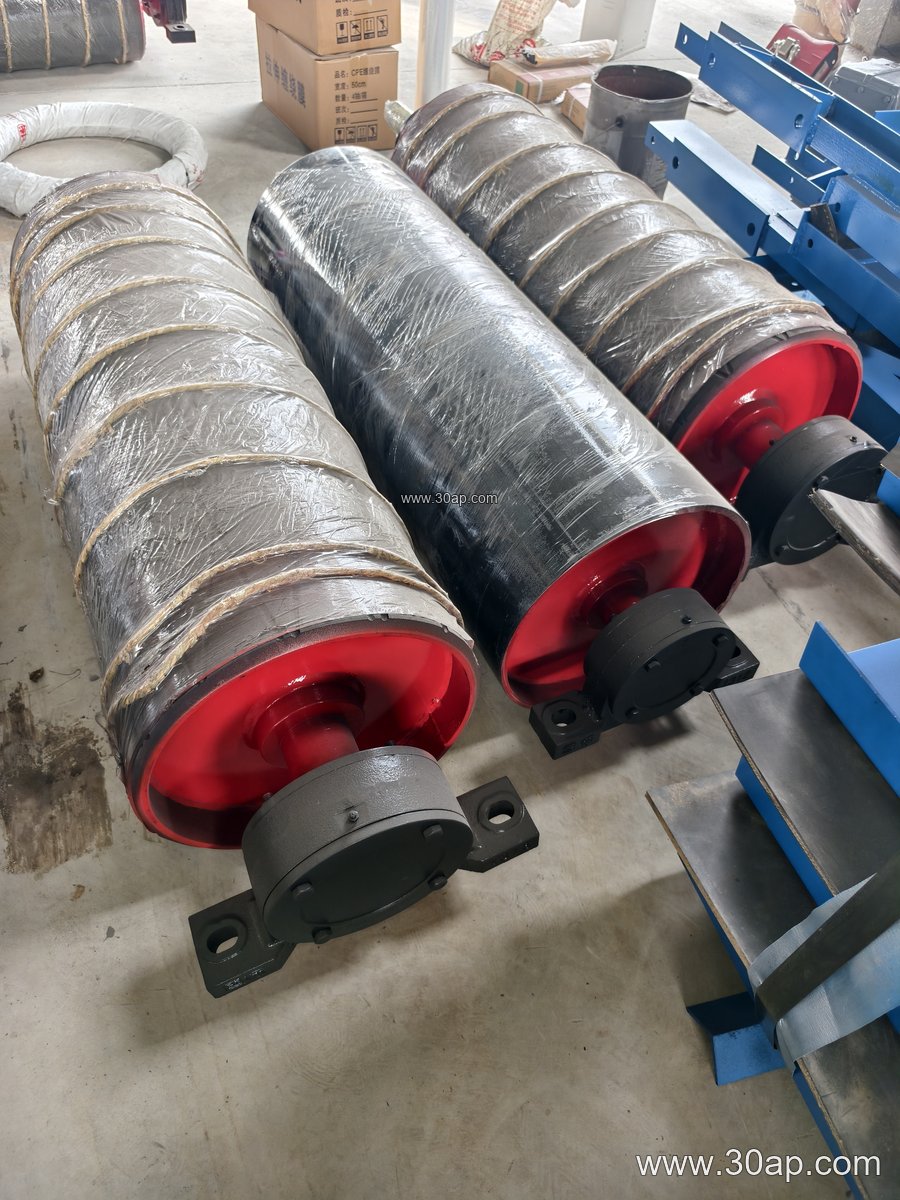
The table below shows typical reference combinations, not fixed rules.
| Belt width | Typical drum face | Example diameter | Common lagging |
|---|---|---|---|
| B800 | approx. 950 mm | Ø500 | 10 mm diamond |
| B1000 | approx. 1150 mm | Ø630 | 12 mm plain |
| B1200 | approx. 1400 mm | Ø1000 | 15 mm diamond |
| B1400 | approx. 1600 mm | Ø800 | 15 mm herringbone |
| B1600 | approx. 1800 mm | Ø1250 | 20 mm diamond |
Shaft sizes commonly range from Ø50 to Ø200 mm depending on drive power and bearing selection. Values are confirmed by the conveyor designer for each installation.
Buyer Checklist
- Confirm the drive position and wrap angle before choosing lagging pattern.
- Match lagging thickness to torque and abrasion level, not to habit.
- Check that the drum face clears belt edges and any cleats or skirts.
- Verify shaft diameter against calculated torque and bearing load.
- Ask how the rubber is bonded and whether field re-lagging is possible.
- Confirm balance and concentricity, since runout shortens belt life.
A well matched drive rubber lagged pulley keeps a conveyor belt tracking smoothly and protects the whole drive train, from the gearbox to the idler roller frames. Buyers who check traction, lagging, and shaft sizing together usually get longer belt life and fewer unplanned stops.