What a Belt Guide Roller Does on a Conveyor
A belt guide roller is a specialized idler roller used to keep a conveyor belt centered and supported as it travels along the carrying or return side. Instead of only supporting the belt vertically, this roller applies a gentle sideways correction that discourages mistracking. In a quarry, coal preparation plant, or cement plant, a belt that wanders off line can spill material, damage the edge, and force unplanned downtime. The guide roller is one of the simplest mechanical answers to that problem.
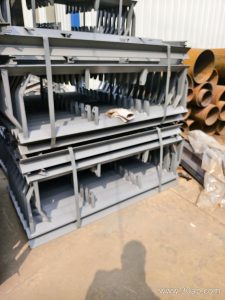
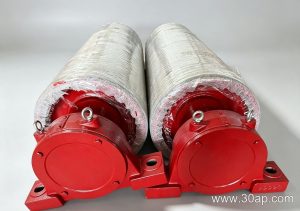
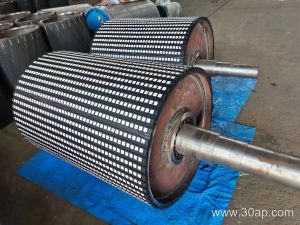
It is not a drive pulley, tail pulley, or bend pulley. Those are functional pulleys that transmit power or change the belt path. A guide roller, by contrast, is a rotating idler component, often grouped with the conveyor bracket and frame that hold it in position. It works alongside the conveyor belt, not in place of the main pulleys.
Construction and Common Forms
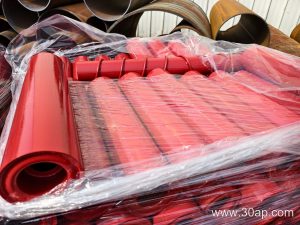
Most belt guide rollers share the same basic build as a standard idler roller: a steel tube shell, a shaft, bearing housings, and seals. The difference lies in the surface form or mounting angle. Common variants include:
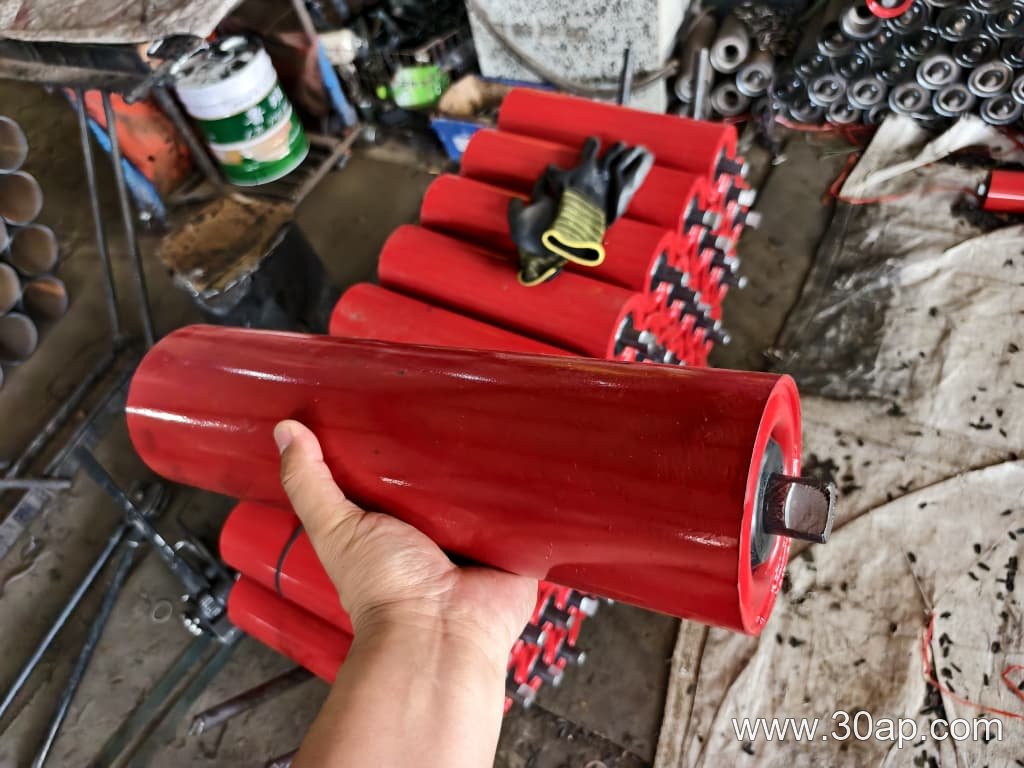
- Vertical side guide rollers mounted on the edges of the belt to limit lateral movement.
- V-shaped return rollers that combine support with a centering effect on the return strand.
- Friction self-aligning rollers that pivot when the belt contacts a side roller.
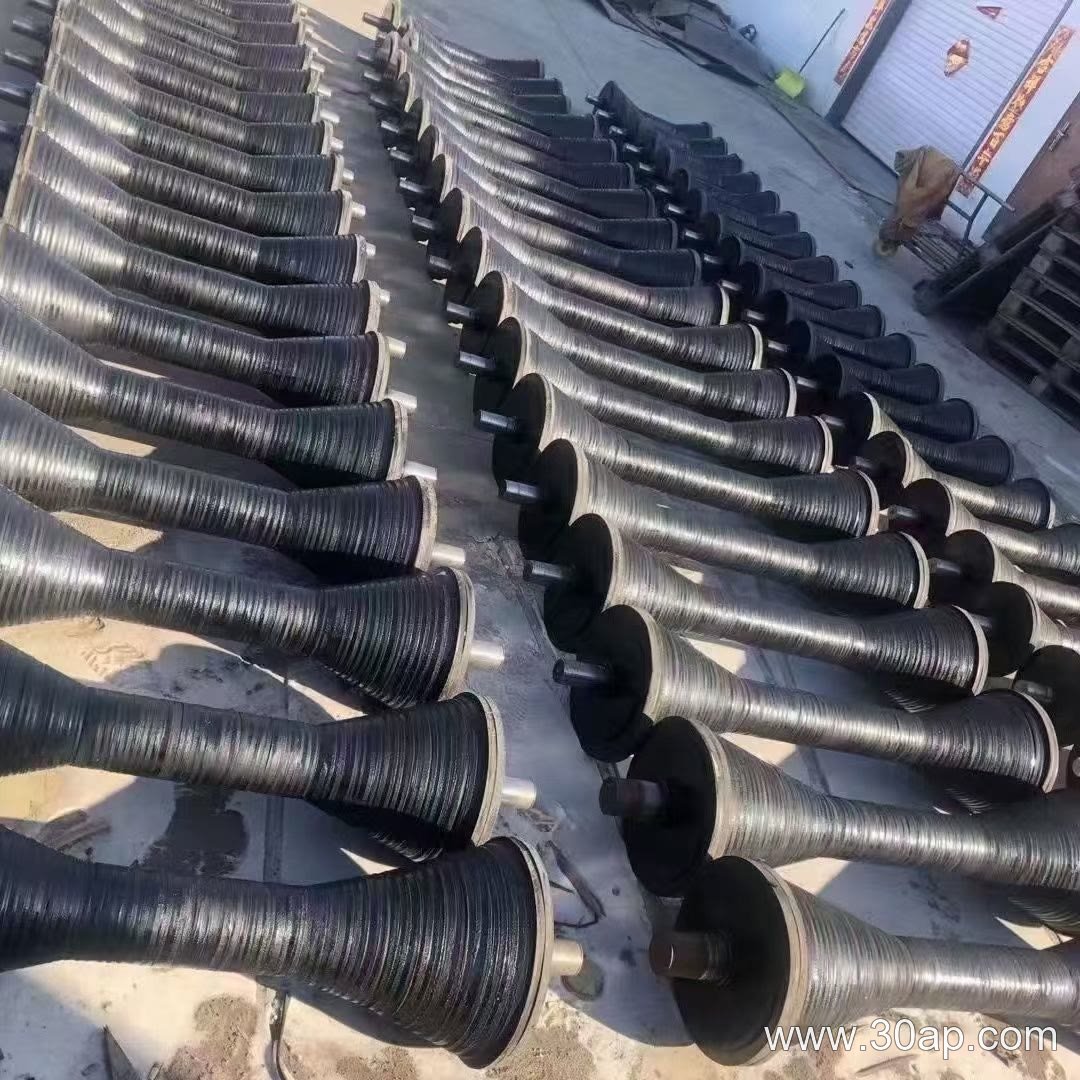
- Tapered self-aligning rollers that use angled rolls to steer the belt back to center.
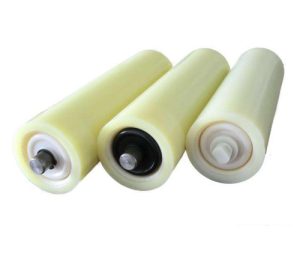
Roller surfaces may be plain steel, nylon, rubber ring, or ceramic. Rubber rings are often chosen where impact or noise is a concern, while ceramic can suit abrasive or sticky service. Bearings such as 6204, 6205, 6305, 6306, 6308, and 6310 are common in idler production, but the correct bearing for a given roller depends on load, speed, and sealing arrangement, not on belt width alone.
Where Belt Guide Rollers Are Used
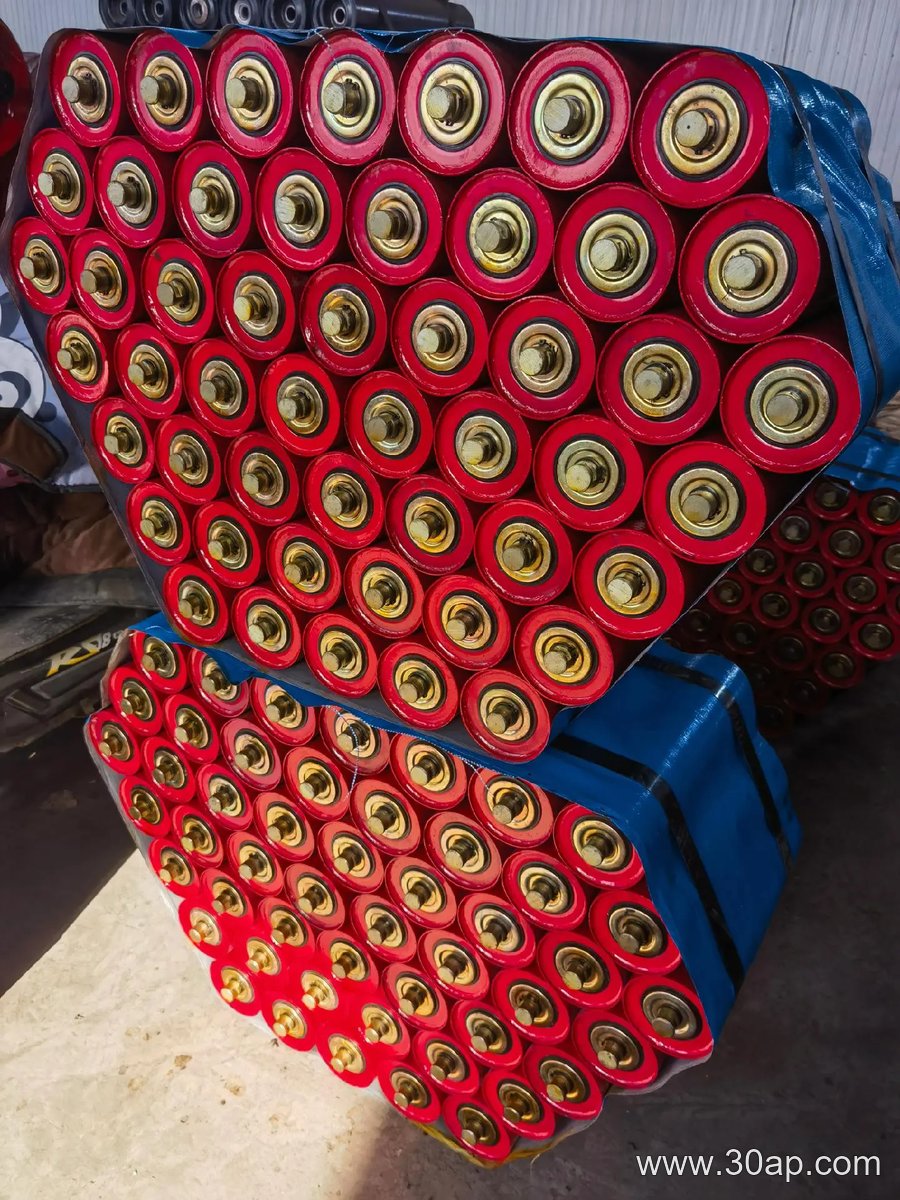
These rollers appear in many bulk handling settings. In a limestone mine or sand and gravel line, they help keep a loaded belt on the carrying side. In a power plant coal yard or a fertilizer plant, they reduce edge wear on long conveyors. They are also found in tunnel mucking systems, steel sinter lines, and concrete batching plants where space is tight and belt alignment is critical.
On the return side, a V-type or flat return guide roller can prevent the belt from drifting into the frame. On the carrying side, self-aligning or friction guide rollers are often placed at intervals after a loading point, where off-center material can push the belt sideways. A conveyor pulley at the head or tail may set the belt path, but the guide roller protects that path between pulleys.
Parameters a Buyer Should Compare
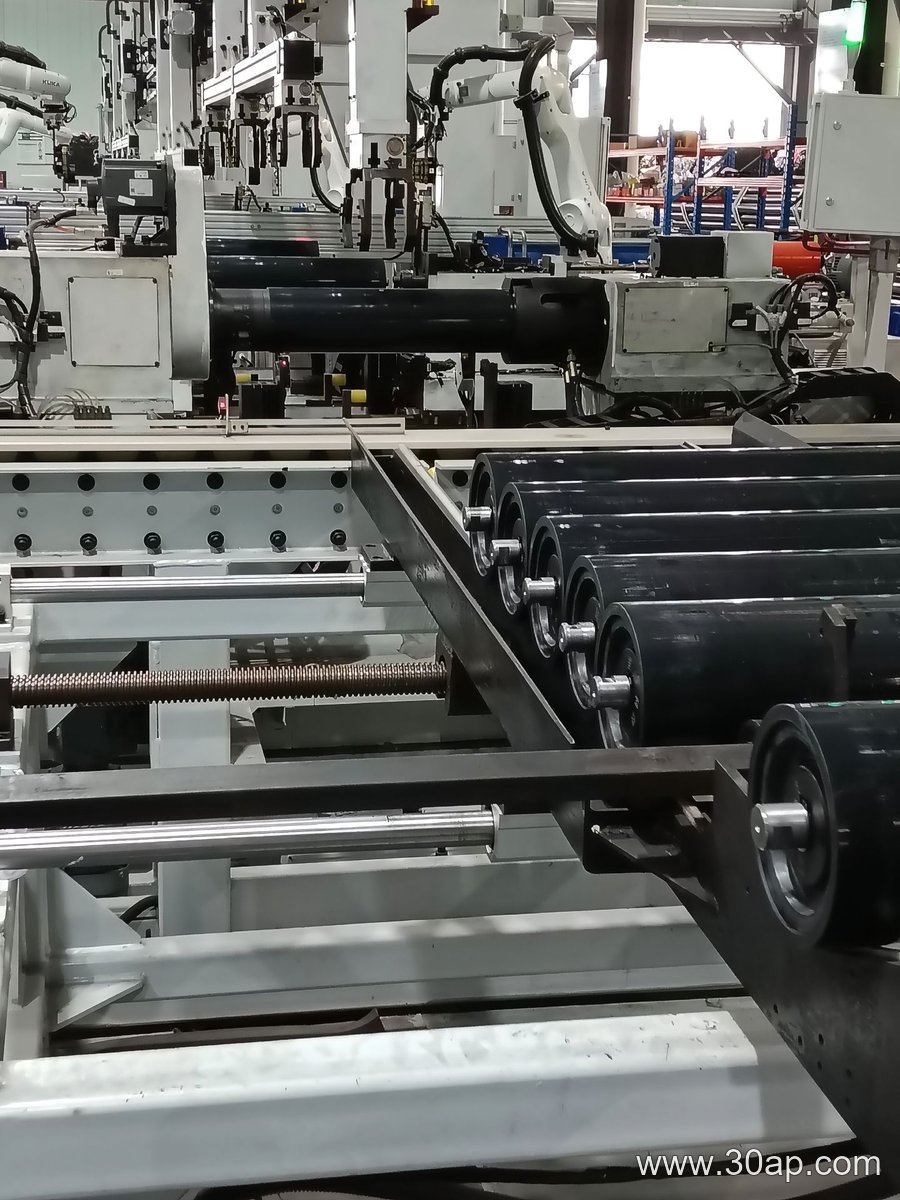
Selection starts with the belt width and the roller diameter. Common roller diameters include Ø63, Ø76, Ø89, Ø102, Ø108, Ø127, Ø133, Ø159, Ø178, Ø194, and Ø219. Belt widths range from B400 and B500 up to B2000, B2200, and B2400. These are reference ranges, not fixed pairings. A B800 belt, for example, may use different roller diameters and lengths depending on load, speed, and the type of guide roller selected.
Roller length also varies with belt width, trough angle, and roller group form. For a three-roll troughing set, common side roller lengths are roughly 200 mm for B500, 250 mm for B650, 315 mm for B800, 380 mm for B1000, 465 mm for B1200, 530 mm for B1400, 600 mm for B1600, 670 mm for B1800, and 750 mm for B2000. These examples are for general reference; center rollers and side rollers can differ, and the final length should follow the conveyor design.
Trough angles of 20, 30, 35, and 45 degrees are common. A forward tilt of about 1.5 to 2 degrees is sometimes used on self-aligning or training rollers to help steer the belt. The correct angle depends on material, belt stiffness, and the existing idler arrangement.
Practical Selection and Maintenance Notes
When choosing a belt guide roller, match the mounting style to the belt section and the alignment problem. A vertical edge roller is useful where the belt edge is accessible. A friction self-aligning roller may suit a conveyor that drifts in one direction after loading. A rubber ring buffer roller can be considered where impact from coarse rock is present, but it should not be confused with a standard guide roller.
Check shaft diameter, bearing type, and sealing against the actual conveyor bracket and frame. Do not assume a shaft size from belt width alone. Inspect rollers for smooth rotation, seal condition, and shell wear. A worn guide roller can lose its centering effect and may cause the belt to rub the frame. In dusty plants such as a coal preparation plant or cement mill, good sealing matters as much as the roller surface.
Used correctly, a belt guide roller is a low-cost way to improve belt tracking, reduce edge damage, and keep material moving from the mine or quarry to the stockpile.