What Conveyor Bracket Fabrication Involves
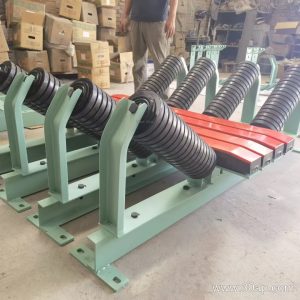
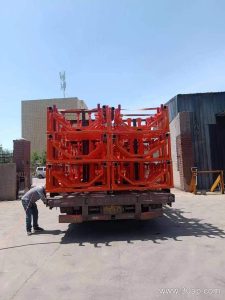
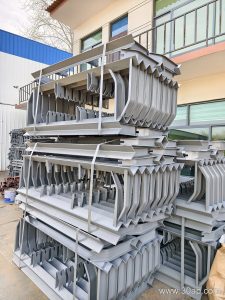
Conveyor bracket fabrication is the process of cutting, forming, and assembling the steel structures that hold idler rollers and support the conveyor belt along its path. These brackets, often called idler frames or stands, are the backbone of any conveyor system, keeping the belt in proper alignment and ensuring smooth material flow. In industries such as mining, coal preparation, cement plants, and power generation, well-fabricated brackets are essential for minimizing downtime and extending component life.
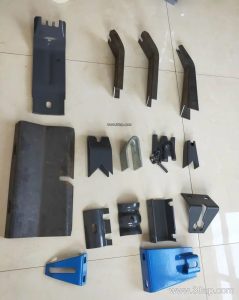
The fabrication starts with raw steel sections—angle iron, channel steel, or bent steel plate—selected for strength and durability. Fabricators cut these materials to length, drill mounting holes, and weld or bolt components together according to design drawings. The goal is to produce a rigid, accurately aligned structure that can withstand continuous loading and harsh conditions.
Key Structural Types and Their Roles
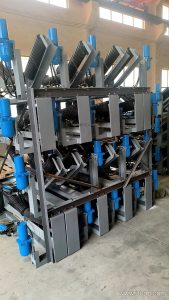
Different positions along the conveyor require specific bracket designs. Troughing brackets, for instance, support the belt in a trough shape to contain bulk materials, while return brackets hold the belt on its empty run. Transition brackets help guide the belt from flat to troughed profiles, and impact brackets absorb shock at loading points. Adjustable brackets allow operators to fine-tune the trough angle, commonly between 20 and 45 degrees, to suit the material being conveyed.
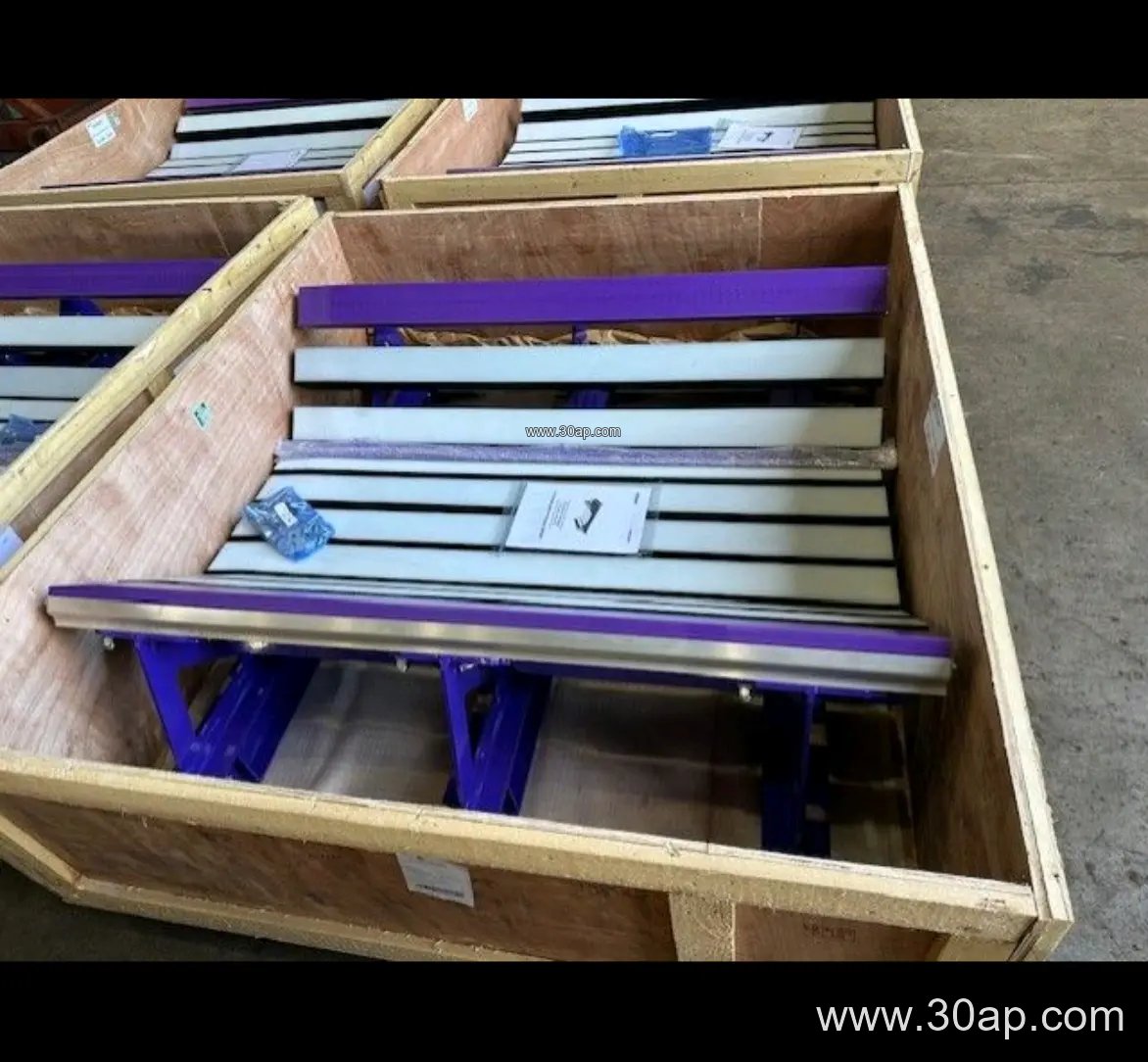
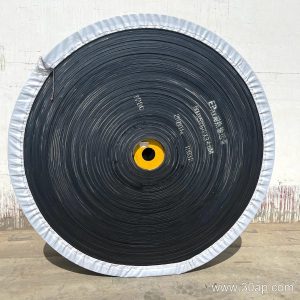
Materials of construction matter. Angle steel and channel steel are common for general duty, while bent steel plate may be used for more complex shapes or higher strength requirements. The fabrication must account for belt width, roller diameter, and trough angle—parameters that vary widely across installations. For example, a system using a 1200mm wide EP conveyor belt might employ 35-degree troughing brackets with Ø133 rollers, but these values are determined by the overall conveyor design, not by a fixed rule.
Fabrication Details and Quality Points
Accuracy in hole spacing and frame dimensions is critical. Misaligned brackets can cause the belt to track poorly, leading to edge damage and premature wear on the conveyor pulley and idler roller. Fabricators typically use jigs and fixtures to maintain consistency, especially when producing multiple units. Welds should be clean and penetrate fully, and any sharp edges must be ground smooth to avoid damaging the belt.
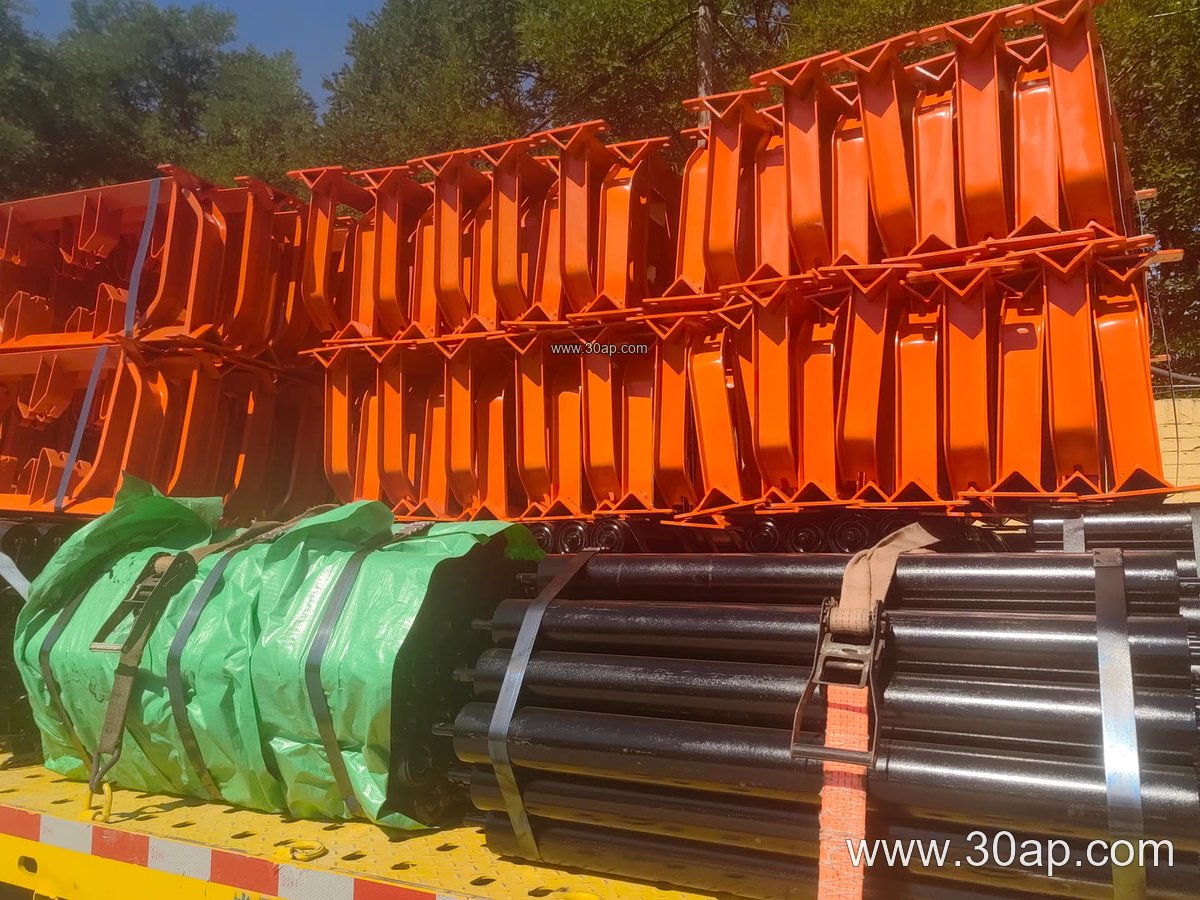
Surface treatment, such as painting or galvanizing, protects the brackets from corrosion, particularly in outdoor or wet environments like ports and aggregate plants. For high-abrasion applications, such as handling iron ore or coal, heavier-gauge steel may be specified to resist wear.
Where These Brackets Are Used
Conveyor brackets are found wherever bulk materials are moved. In a quarry or stone crushing line, they support belts carrying aggregate and rock. In a cement plant, they handle clinker and raw meal. Power plants rely on them for coal conveying, while steel mills use them in sinter and coke transport. Each environment imposes its own demands—dust, heat, impact, or corrosion—and bracket fabrication must adapt accordingly.
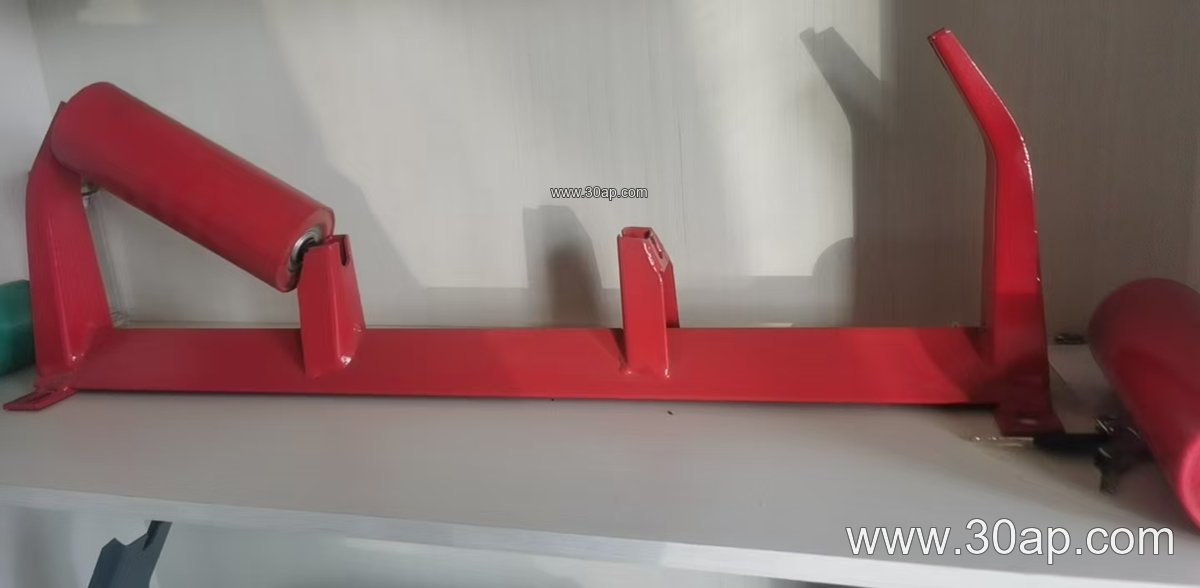
For instance, a coal mining conveyor belt system may require flame retardant and anti-static properties in the belt, but the brackets themselves must be robust enough to handle continuous operation and potential impact from large lumps. Similarly, a port conveyor handling grain or fertilizer needs brackets that resist corrosion from moisture and chemicals.
What Buyers Should Consider
When specifying conveyor brackets, buyers should provide clear details on belt width, trough angle, roller diameter, and mounting hole patterns. Common belt widths range from B500 to B2200, and roller diameters from Ø89 to Ø194, but the exact combination depends on the conveyor’s capacity and material characteristics. Adjustable brackets offer flexibility for future changes in trough angle, while fixed brackets provide simplicity and lower cost.
It is also important to discuss the operating environment—whether the conveyor will handle abrasive materials like those on a high abrasion resistant conveyor belt, or operate in extreme temperatures. Fabricators can then recommend suitable steel grades and protective coatings.
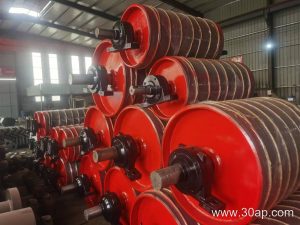
Finally, ensure that the bracket design integrates well with other components, such as the conveyor pulley and idler roller, to avoid installation issues. Requesting detailed fabrication drawings and reviewing them before production helps prevent costly errors.