Understanding the Role of the Bend Rubber Lagged Pulley
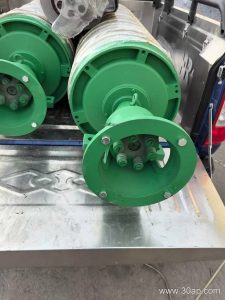
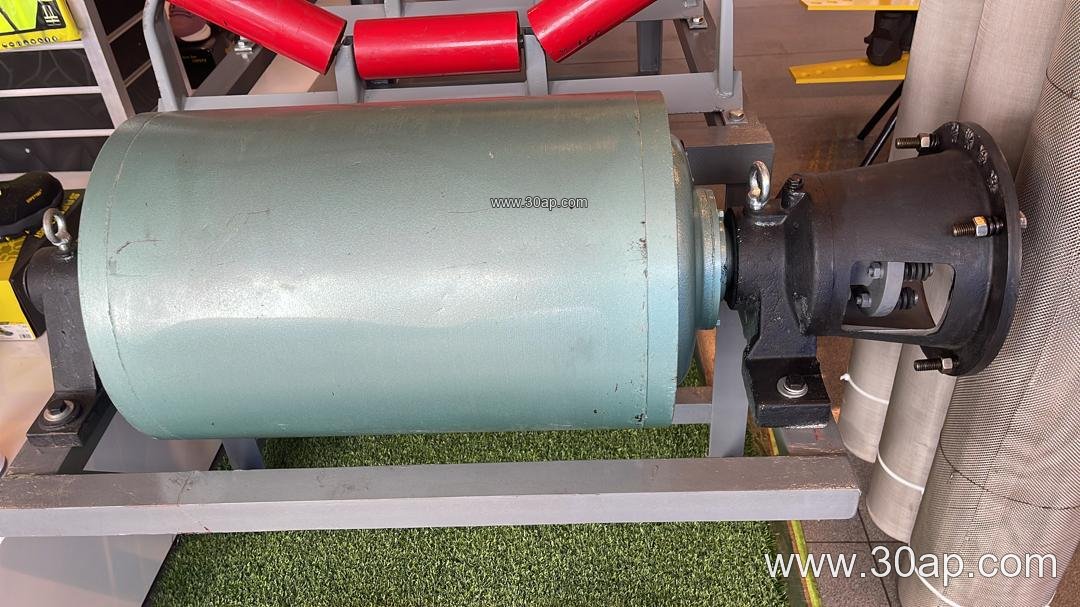
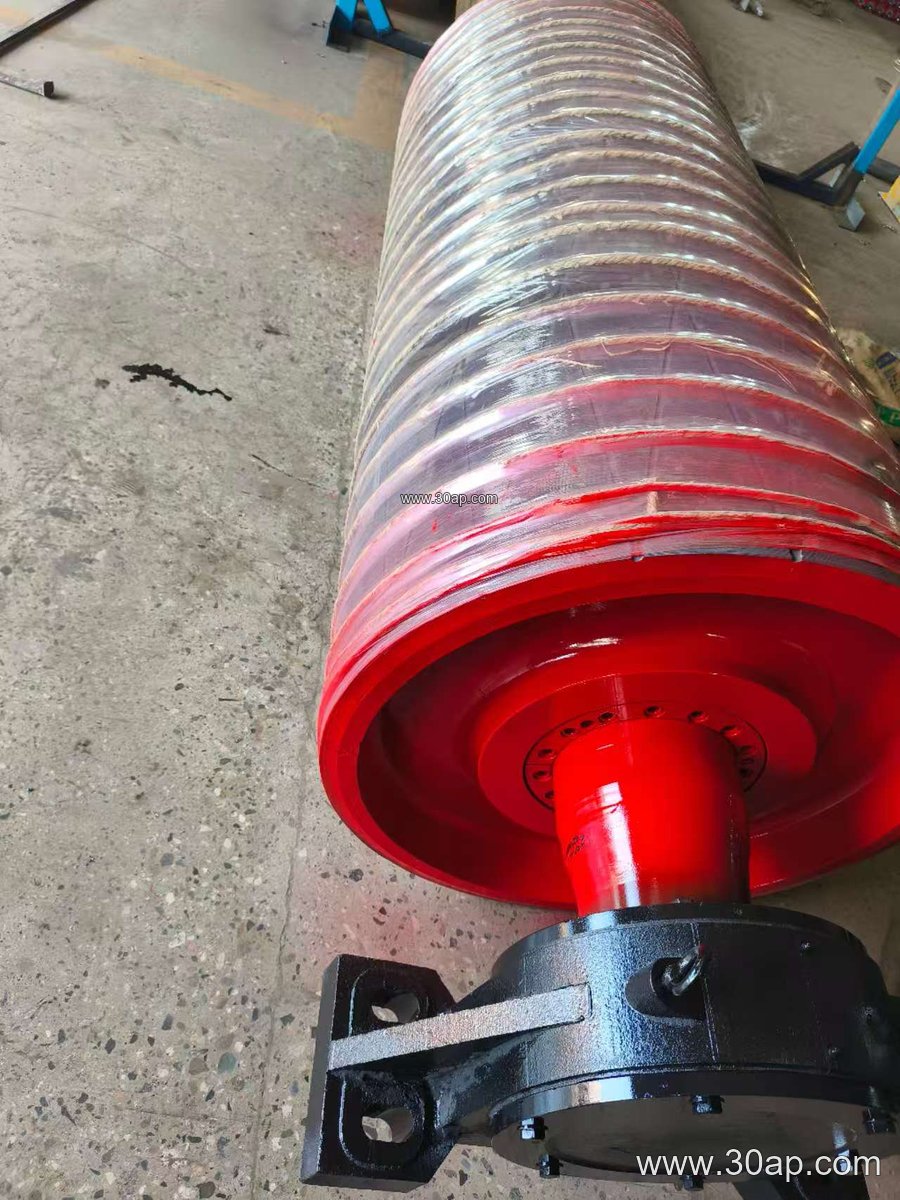
In bulk material handling systems deployed within heavy industries such as cement plants and aggregate processing facilities, the smooth trajectory of the conveyor belt depends heavily on proper redirection components. Unlike a primary drive or a tail unit, a bend rubber lagged pulley is specifically engineered to change the direction of the belt run, increase wrap angles, or assist in tensioning circuits. The application of a resilient rubber lagging on the steel shell surface enhances friction, protects the metallic body from wear, and reduces belt slippage during continuous operation.
Construction and Surface Treatment Specifications
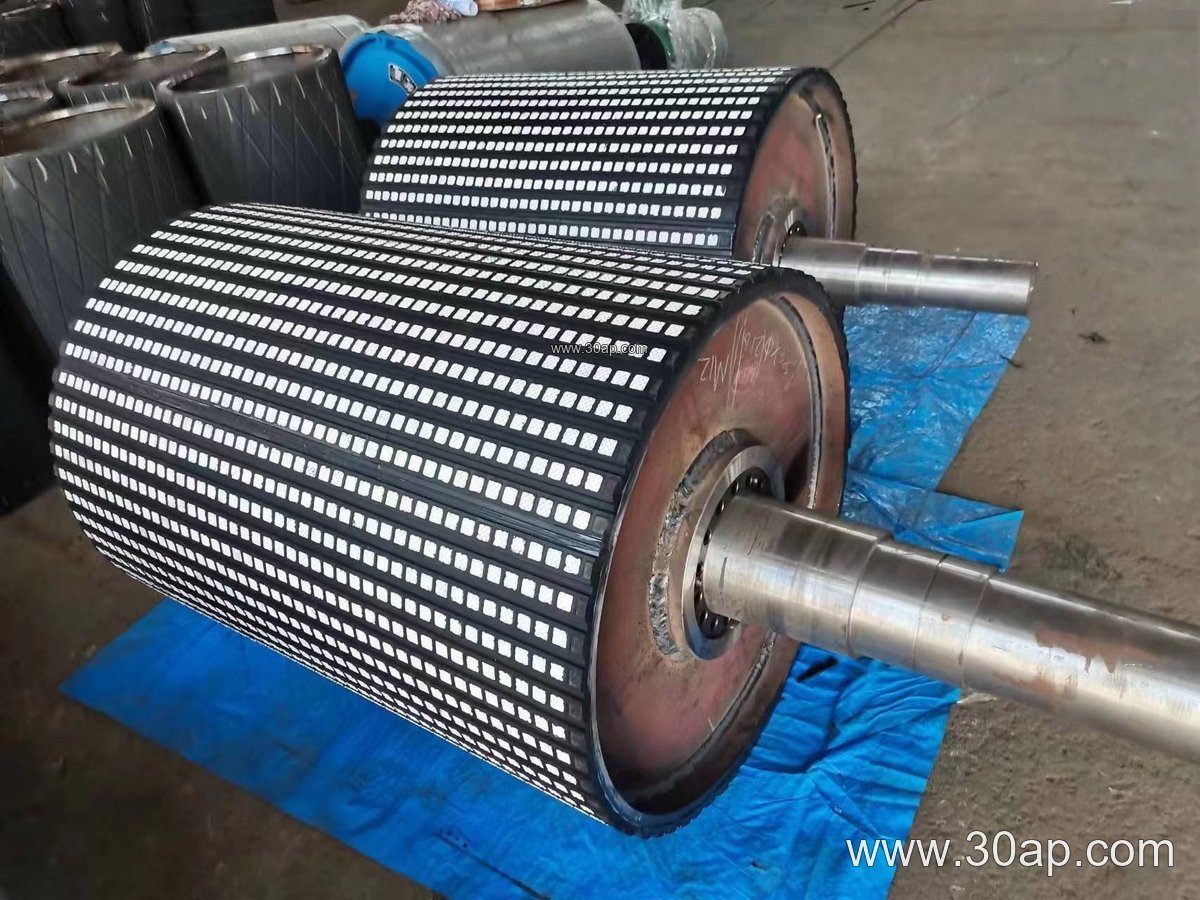
The structural integrity of this component relies on a heavy-gauge steel shell, welded end discs, and a robust central shaft supported by heavy-duty bearings. To withstand harsh operating environments, the outer shell receives a protective elastomer covering. Depending on operational demands, facilities often select between cold-bonded rubber, hot-vulcanized rubber, or diamond-pattern grooved surfaces to optimize water shedding and self-cleaning performance. The elastomer thickness generally ranges from 8 mm to 20 mm, acting as an effective buffer against impact forces transmitted through the conveyor pulley assembly and surrounding conveyor bracket networks.
Dimensioning and Design Parameters
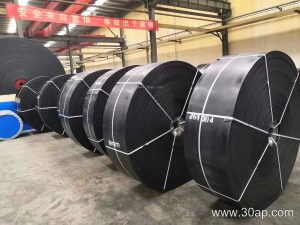
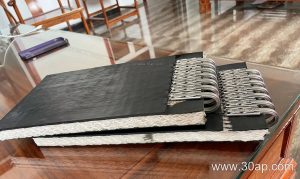
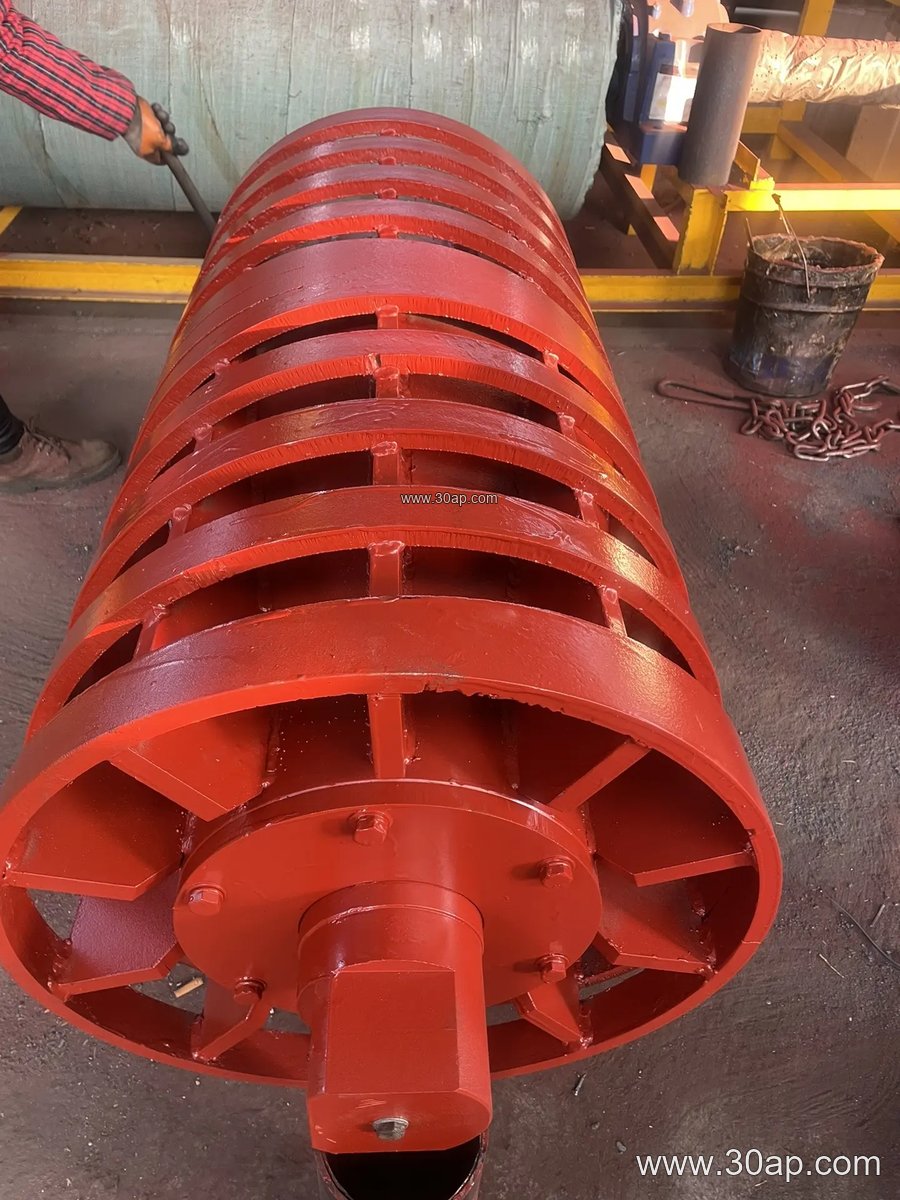
Selecting appropriate physical dimensions involves evaluating the tension loads, wrap angles, and the specific Steel Cord Conveyor Belt or EP Conveyor Belt running across the installation. Designers do not rely on fixed rules connecting belt width to a single diameter; instead, they calculate exact torque and load requirements. The following reference matrix outlines typical configuration pairings utilized across diverse industrial layouts:
| Nominal Belt Width | Typical Shell Width | Reference Diameters | Common Shaft Diameters |
|---|---|---|---|
| B650 | 750 mm | Ø315, Ø400, Ø500 | Ø60, Ø70, Ø80 |
| B800 | 950 mm | Ø400, Ø500, Ø630 | Ø80, Ø90, Ø100 |
| B1000 | 1150 mm | Ø500, Ø630, Ø800 | Ø100, Ø120, Ø140 |
| B1200 | 1400 mm | Ø630, Ø800, Ø1000 | Ø120, Ø140, Ø160 |
| B1400 | 1600 mm | Ø800, Ø1000, Ø1250 | Ø140, Ø160, Ø180 |
Operational Integration and Maintenance
Proper alignment within the conveyor framework prevents premature edge wear on the moving belt and uneven friction against nearby idler roller units. Maintenance personnel should periodically inspect the lagged surface for signs of separation, cracking, or embedded foreign debris, especially in abrasive settings like limestone quarries or coal handling terminals. Ensuring that the rubber compound matches the environmental conditions, such as oil or abrasion exposure, guarantees extended service life and uninterrupted material transport.