What a Four-Roll Idler Bracket Does on a Belt Conveyor
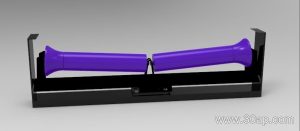
A four-roll idler bracket is a support frame that holds four idler rollers in a single assembly, usually arranged so that two carry the belt edges at a troughing angle while two center rolls support the middle of the belt. In many conveyor layouts, this same component is called a four-roll troughing idler bracket or a four-roll idler support frame, and it belongs to the wider family of conveyor brackets that position and secure the rotating parts. Its job is not simply to hold rollers upright; it sets the trough profile, keeps the belt centered, and transfers the weight of the material and belt into the conveyor structure.
Because the bracket controls both roller position and belt shape, it influences how smoothly the conveyor belt runs, how much spillage occurs at the load zone, and how evenly the load is distributed across the roller bearings. A well-built four-roll station is therefore a structural and functional part of the conveyor, not just a piece of mounting hardware.
How the Bracket Is Built
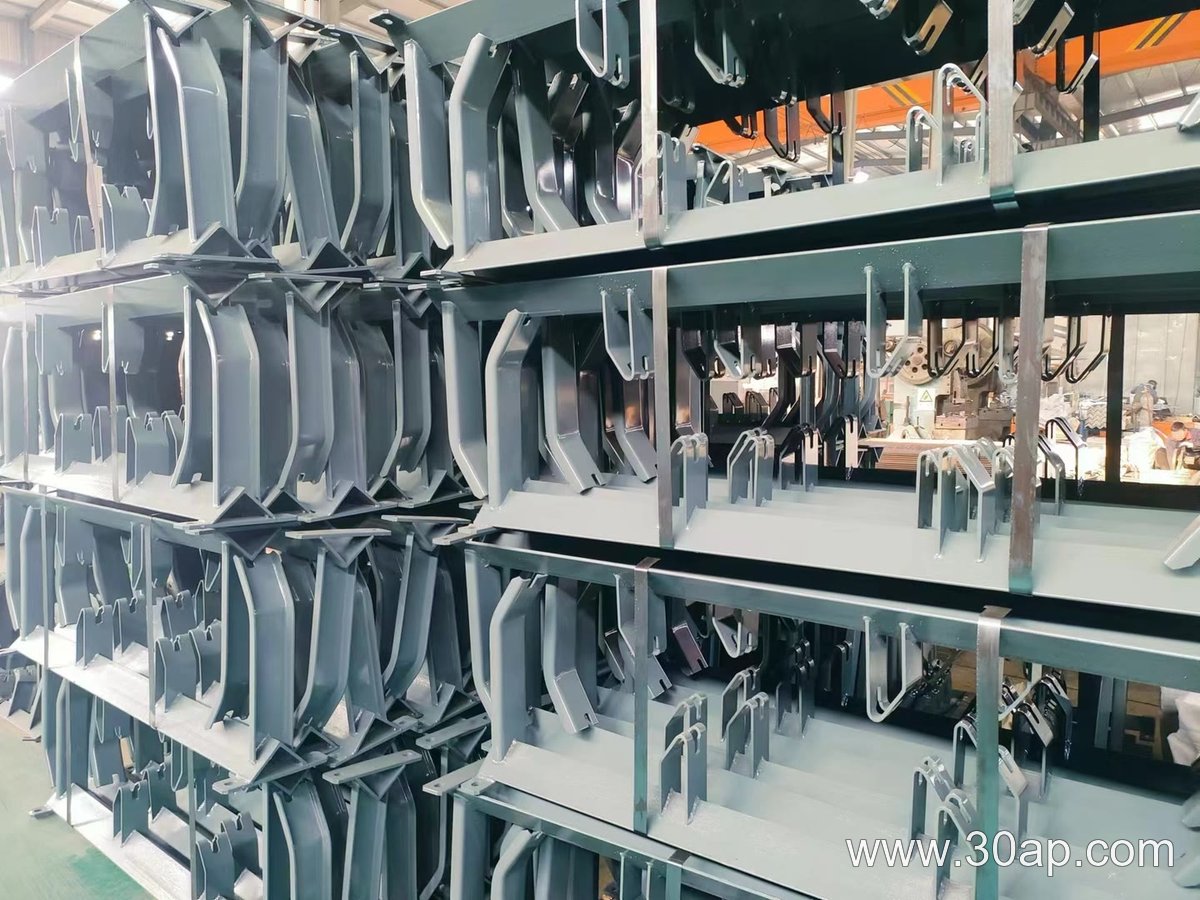
Most four-roll idler brackets are fabricated from angle steel, channel steel, or folded steel plate. The choice depends on the load, the belt width, and the environment. In dusty or wet conditions, the frame may be painted, galvanized, or otherwise protected, but the basic shape remains the same: a cross beam with mounting slots or holes, two side wings set at the troughing angle, and one or more center supports for the inner rolls.
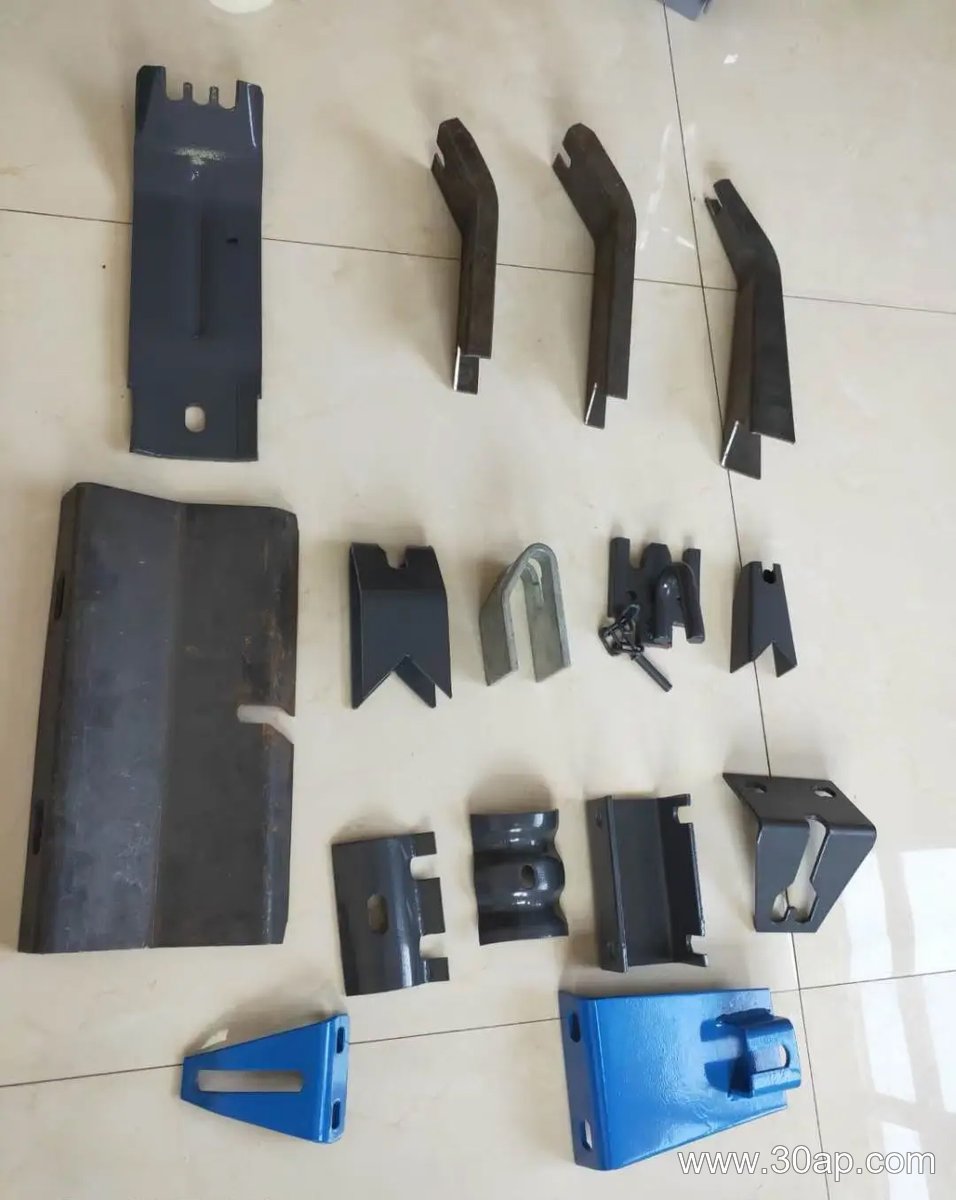
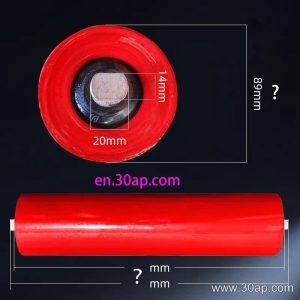
The bracket may be fixed or adjustable. A fixed four-roll bracket is welded or bolted to a single trough angle, typically 20, 30, 35, or 45 degrees. An adjustable version allows the side rolls to be repositioned between those angles, which helps when a conveyor handles different materials or when the belt needs fine tuning after installation. The roller diameter also matters: common sizes include Ø89, Ø108, Ø133, Ø159, and Ø194. The bracket must match the roller shaft and the mounting hole spacing, and those dimensions usually change with belt width and trough angle rather than following one universal number.
Where Four-Roll Stations Are Used
Four-roll brackets appear in bulk handling systems where belt support and load distribution are critical. In a limestone quarry or a crushing and screening line, a four-roll troughing station can support a heavily loaded conveyor belt after the primary crusher, where lump size and impact loads are high. In a coal washing plant or a power station coal yard, the same bracket type helps keep the belt stable through transfer points and long straight runs.
They are also used in sand and gravel operations, cement plants, and port bulk terminals, especially where a wide belt carries a deep material bed. In these settings, the extra center roll reduces belt sag between the side rolls, which can lower rolling resistance and improve belt tracking. A four-roll bracket is not a substitute for a bend pulley or a drive pulley; those components change belt direction or transmit power, while the bracket only supports the belt along its carrying path.
Choosing the Right Four-Roll Idler Bracket
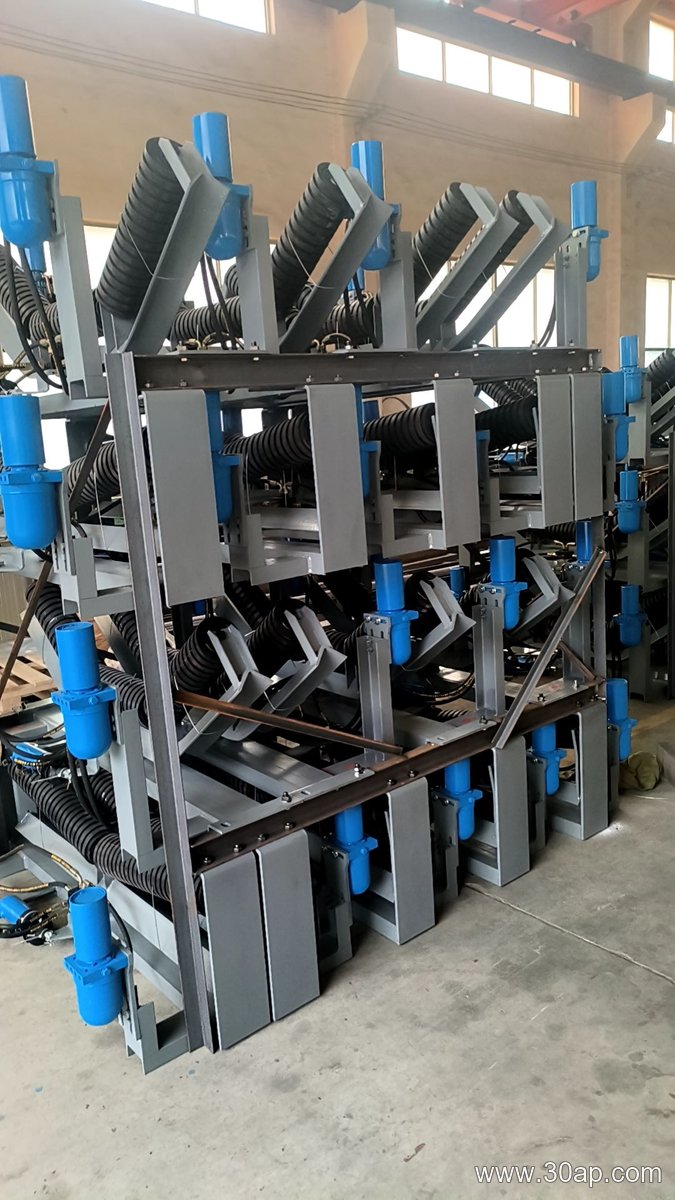
Selection starts with the conveyor belt width and the required trough angle. A B800 belt at 35 degrees and Ø108 rollers is a common combination in medium-duty service, while a B1200 belt at 45 degrees with Ø133 rollers may suit a heavier load. These are examples, not fixed rules: the same belt width can work with different roller diameters and trough angles depending on speed, material, and load. The bracket design should follow the conveyor profile, the idler roller shaft size, and the available mounting space.
A buyer should confirm the following before ordering:
- The belt width and the intended trough angle.
- The roller diameter and shaft end type used by the existing idler rollers.
- Whether a fixed or adjustable bracket is needed.
- The mounting hole spacing and beam length required by the conveyor frame.
- The material and surface protection suited to the site conditions.
It is also worth checking how the bracket fits with the neighboring stations. A four-roll bracket used at a transition zone may need a different angle than one used in a standard carrying run. If the conveyor has a loading point, a impact or buffer bracket may be more appropriate there, while a four-roll troughing bracket works better along the normal carrying section.
Installation and Maintenance Notes
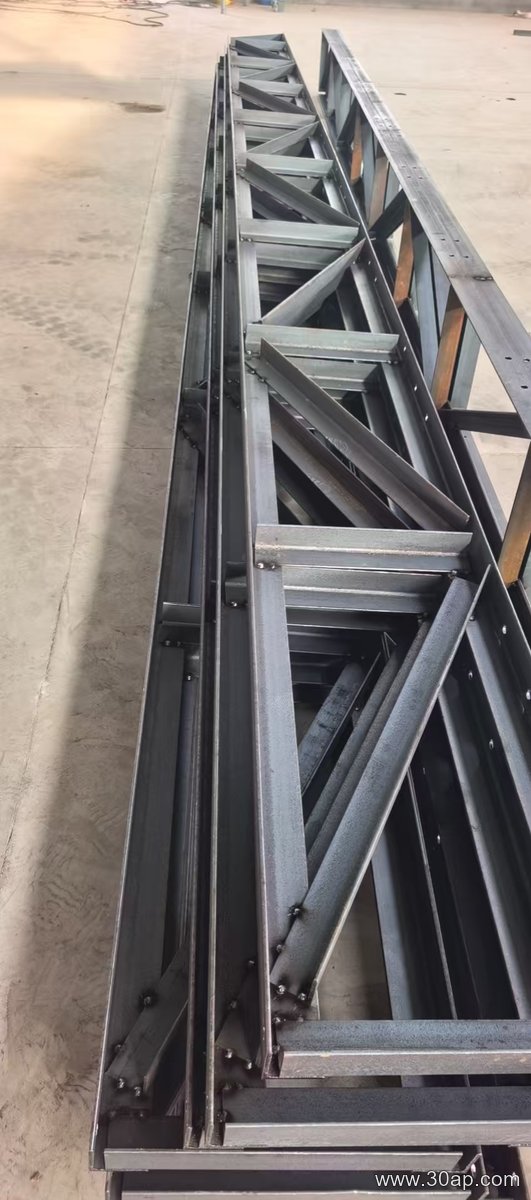
Correct alignment is essential. The bracket should sit square to the belt centerline, with all four rolls at the same height relative to the belt. If one side is higher, the belt may drift and wear the edge. Bolts should be tightened to the recommended torque, and any adjustable wings should be locked after the trough angle is set.
During routine inspection, look for a loose bracket, a bent cross beam, or worn mounting slots. A four-roll idler bracket that has shifted can cause roller misalignment, which in turn leads to uneven belt wear and premature bearing failure. Replacing a damaged bracket is usually straightforward, but the replacement should match the original mounting pattern and roller size. Keeping a few spare brackets on site can reduce downtime when a conveyor bracket is damaged by impact or corrosion.
Buyer Checklist
When comparing suppliers, ask for the bracket drawing, the material grade, and the surface treatment. Confirm that the bracket is designed for the specific belt width and trough angle, and that it accepts the roller diameter you already use. A four-roll idler bracket is a long-life component when it is matched correctly to the conveyor, the idler rollers, and the operating environment. The goal is not to find the heaviest bracket, but to find one that supports the belt evenly, keeps the load stable, and fits the structure without modification.